Midlife Self Care: How to Add Massage to Your Wellness Routine
Feeling overwhelmed? Use these tips to find balance and relief by adding regular massages to your schedule for midlife relaxation and self-care.
Life moves incredibly fast during our midlife years. Between caring for aging parents, managing careers, and supporting children who might still need us, we often put ourselves last. You might feel like you carry the weight of the world on your shoulders — literally.
You need a strategy to recharge your battery, so you can keep showing up for the people you love. Learning how to add massage to your wellness routine is one of the most effective ways to reclaim your energy.

The tension in your neck and the ache in your lower back aren’t just signs of aging. They are whispers from your body asking for attention. Prioritizing yourself isn’t selfish; it is essential for survival. Now let’s look at ways to find time in your schedule for regular massages.
Understanding Why You Need Physical Touch
Touch heals. It soothes our nervous system and reminds us that we are safe. For women in midlife, hormonal shifts often bring increased anxiety or sleep disturbances.
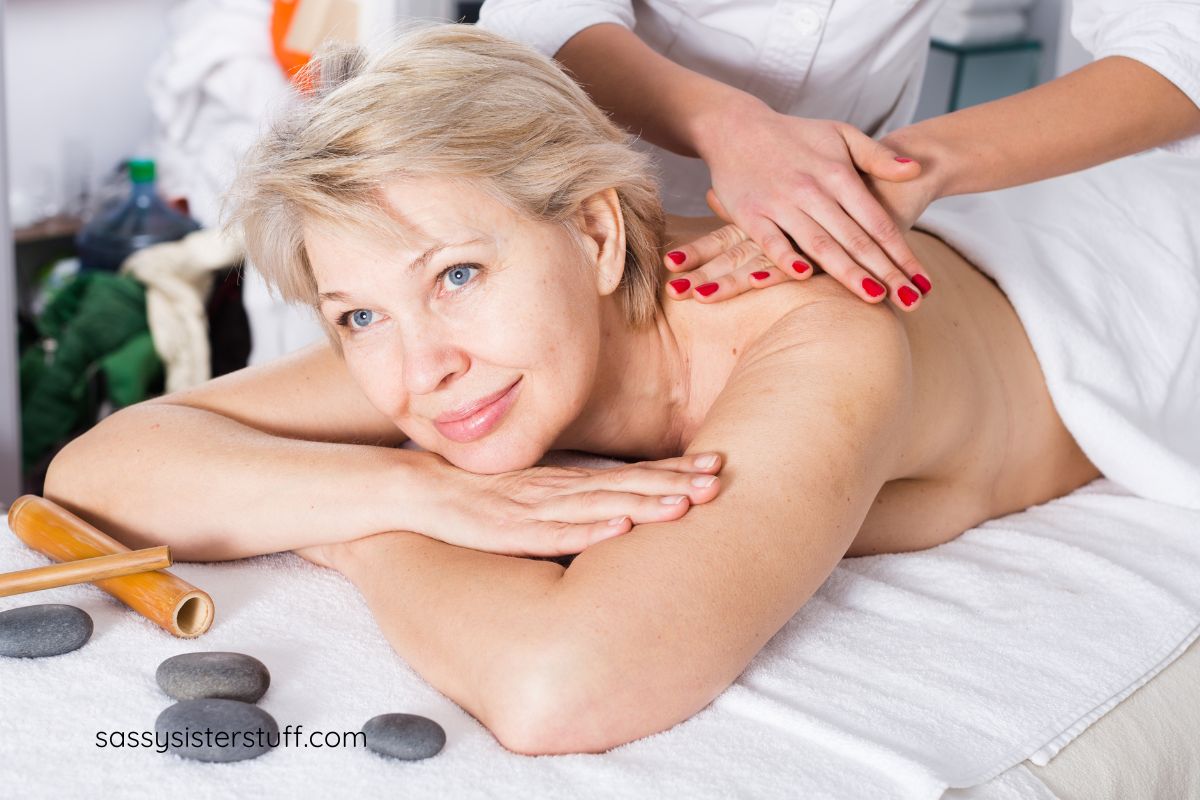
Regular massage therapy directly combats these issues. It lowers cortisol levels, which is the body’s primary stress hormone. When cortisol drops, your body enters a state of rest and digest.
This shift allows your immune system to function better. It also improves the quality of your sleep. You wake up feeling refreshed rather than groggy.
Think of the massage as a reset button for your mood. It boosts the production of serotonin and dopamine. These neurotransmitters help you feel happier and more focused throughout the day.
My Personal Experience With Massage and Healing Touch
I am not a massage therapist, but I know a lot about receiving massage. I have been getting massages from the same therapist since 1998, usually every 2 to 3 weeks.
My massage therapist, Tianne Ellis, owner of Calvert Therapeutic Massage, offers many types of therapeutic massage. She works with chronic pain, relaxation, hormonal shifts, migraines, stress, anxiety, and much more. She has a lot of great information about massage therapies on her website if you’d like to visit.
So, while I am not in the medical field, I am sharing this from years of real-life experience. Massage has supported me through the changing seasons of midlife, including shifting hormones, new stress levels, lifestyle changes, and the way my body holds tension now. I hope you will take my advice, especially about staying consistent and scheduling massages as a regular part of your midlife wellness routine.
Overcoming the Guilt of Self-Care
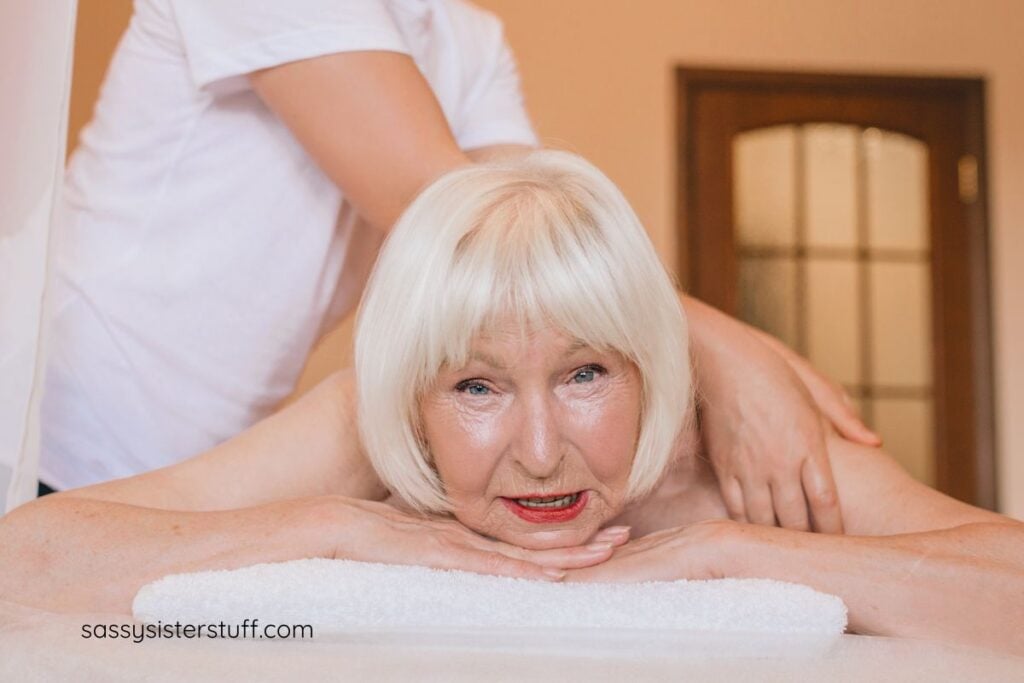
Many women feel a pang of guilt when they take time for themselves. You might think you should use that time to finish a work project or call your mom. We must break that cycle of thinking.
Your well-being is the foundation of your family’s stability. If you crumble, everything else becomes more complicated to manage. Viewing bodywork as a necessity changes your perspective.
You wouldn’t feel guilty about going to the dentist or taking heart medication. Treat your muscle health and stress management with the same level of respect. You deserve to feel good in your body right now.
Finding the Right Method for You
You do not need to visit a high-end spa to experience the benefits of massage. While a professional spa day is a lovely treat, it isn’t always practical for a weekly routine. You need options that fit your schedule and budget.
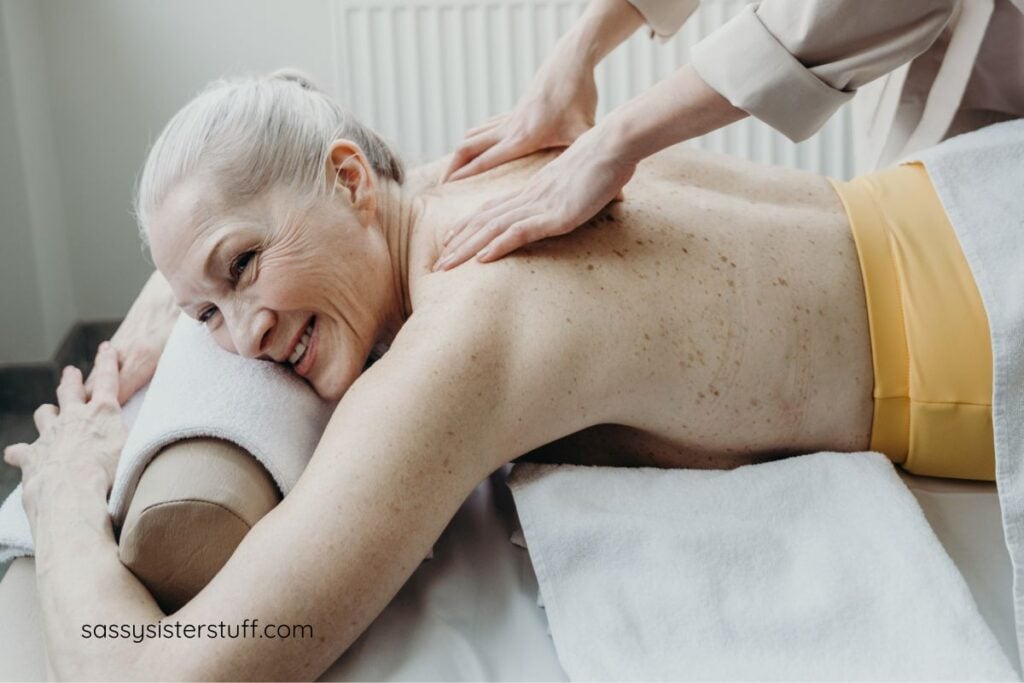
Professional therapists offer deep-tissue or Swedish massage to target specific areas of chronic pain. Booking a monthly appointment ensures you have a deep reset on your calendar. It gives you something to look forward to and builds consistency into your self-care plan.
However, daily maintenance is just as necessary. Bringing wellness tools into your home allows you to address pain the moment it strikes. Many women find that massage chairs are worth the investment because they provide consistent, on-demand relief without an appointment.
Having accessible tools removes friction from your routine. You don’t have to drive anywhere or plan. You simply sit down and let the tension melt away. Does this sound like something you would enjoy? 😉
Scheduling Your “Me Time”
Consistency creates results. You need to look at your calendar and carve out space for this practice. If you don’t schedule it, it will likely not happen.
Try to identify the time of day when you feel the most depleted. For some, it is right after work when the transition to evening chores begins. For others, it is right before bed or early in the morning.
Treat this time as a non-negotiable meeting with yourself. Tell your family that you are “off the clock” during this time and stick to it.
This boundary sets a powerful example for your children and grandchildren. It shows them that taking care of your health is a priority. Eventually, they will learn not to disturb you during your quiet time.
Creating a Sanctuary at Home
The environment matters just as much as the physical manipulation of muscles. You want to signal to your brain that it is time to let go. Create a small sanctuary in your home where you can relax.
Dim the lights or use soft lamps instead of overhead lighting. Lighting significantly impacts our circadian rhythm and relaxation levels. You might also want to play smooth, instrumental music.
Scent is a powerful trigger for relaxation. Lavender, eucalyptus, or chamomile essential oils can deepen the experience. Use a diffuser or a scented candle to fill the room with calming aromas.
Leave your phone in another room. The constant ping of notifications triggers a stress response. This time is for you to disconnect from the digital world and reconnect with yourself.
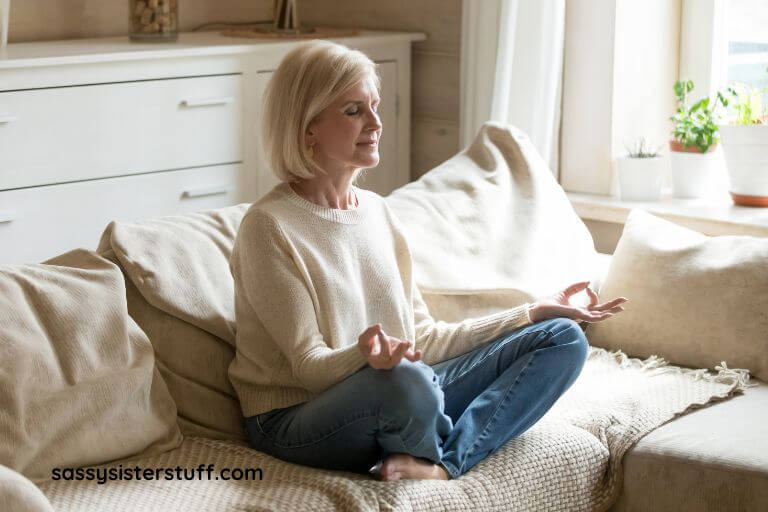
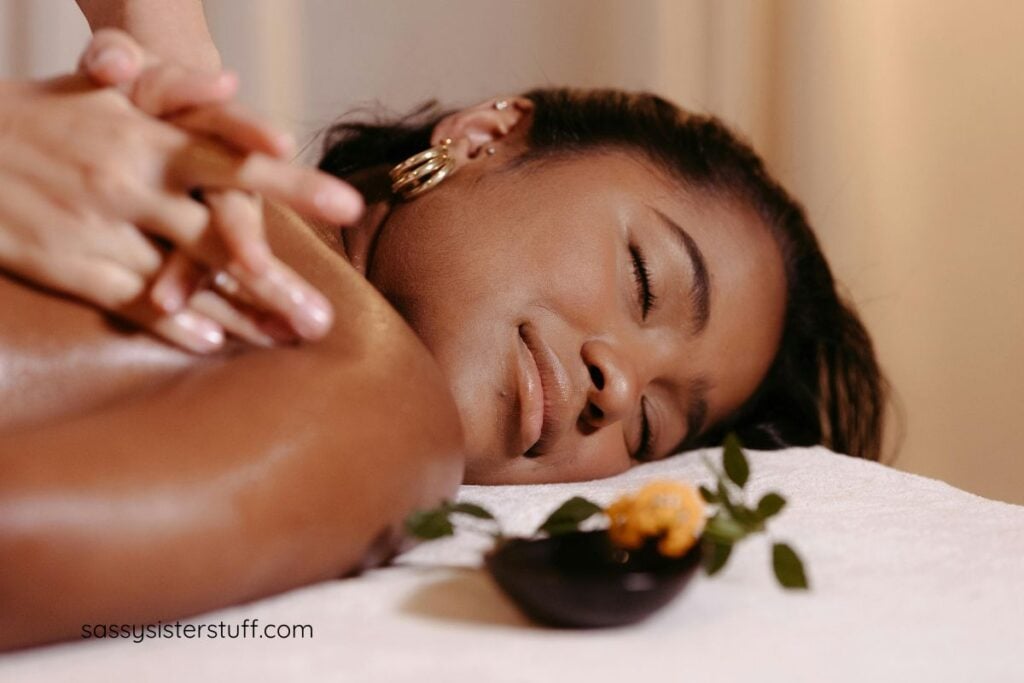
You may use this sanctuary for a massage chair or an in-home massage therapist, plus you will find many other uses for it such as reading, relaxing, listening to music, or even meditation.
Listening to Your Body’s Signals
Our bodies constantly communicate with us, but we often ignore the signals until they become screams of pain. Start paying attention to the subtle signs of tension.
Notice if you clench your jaw when you concentrate. Pay attention to whether your shoulders creep toward your ears when you drive. These are your cues to intervene.
You don’t have to wait for a full session to address this. Take five minutes to massage your jaw or stretch your neck. Acknowledging the tension early prevents it from becoming a migraine or spasm later.
This mindfulness builds a stronger connection between your mind and body. You become an active participant in your own health. You stop waiting for pain to dictate your life.
Enhancing the Experience with Heat
Heat therapy amplifies the benefits of massage. It increases blood flow to the area, which helps relax tight muscles more quickly. It also prepares the tissue for deeper work.
Take a warm bath with Epsom salts before your self-care session. The magnesium in the salts absorbs into the skin to further relax muscles. It warms your core temperature.
If a bath isn’t an option, use a heating pad on your back or shoulders for ten minutes. Many at-home massage tools also feature built-in heat. Use this feature to make the most of your time.
Frequently Asked Questions: How to Add Massage to Your Wellness Routine
If you are new to massage, you might still have a few questions. You are not alone. Many women in midlife wonder how massage really fits into a wellness routine, how often to go, and what type of massage to choose. These common questions and answers will help you feel more confident when you book your next session.
Q1: Why is massage an important part of a wellness program?
Massage is an important part of a wellness program because it supports both your body and your mind. It can ease muscle pain, improve circulation, support better sleep, and calm your nervous system. For women in midlife, massage may also help manage stress, reduce stiffness, and make it easier to stay active and mobile. When you add regular massage to your self care routine, it can support your hormone chanages, energy, and overall quality of life.
Q2: What is the difference between therapeutic and wellness massage?
Therapeutic massage focuses on a specific problem, such as chronic neck pain, tight hips, or a past injury. The goal is to reduce pain, improve range of motion, and support healing in a targeted area. Wellness massage is more general and relaxing, and is usually used for stress relief, tension release, and overall well-being. Both types of massage can be helpful in midlife, depending on whether you need pain relief, stress relief, or a mix of both.
Q3. Do massages actually release tension?
Yes, massages really can release tension in your muscles and your nervous system. A skilled massage therapist works on tight areas, trigger points, and knots to help muscles relax and lengthen. This physical release often leads to less pain, fewer headaches, and a greater sense of calm. Many people in midlife find that regular massage helps them manage daily stress and feel more at ease in their bodies.
Q4. What is the most important body part to massage?
There is no single “most important” body part to massage because it depends on your lifestyle, stress, and pain patterns. For many people in midlife, the neck, shoulders, and back hold the most tension from work, stress, and screen time. The feet and lower back are also key areas, especially if you stand a lot, walk for exercise, or deal with hormonal changes that affect joints.
Q5. What is the first rule of massage therapy?
The first rule of massage therapy is that your comfort and safety come first. You should always speak up about pressure, pain, positioning, and areas you do or do not want touched. A good massage therapist will listen to your needs, explain what they are doing, and adjust the session based on your feedback. This is especially important in midlife, when you may have health changes, medications, or past injuries that need clear communication.
Your New Chapter of Wellness
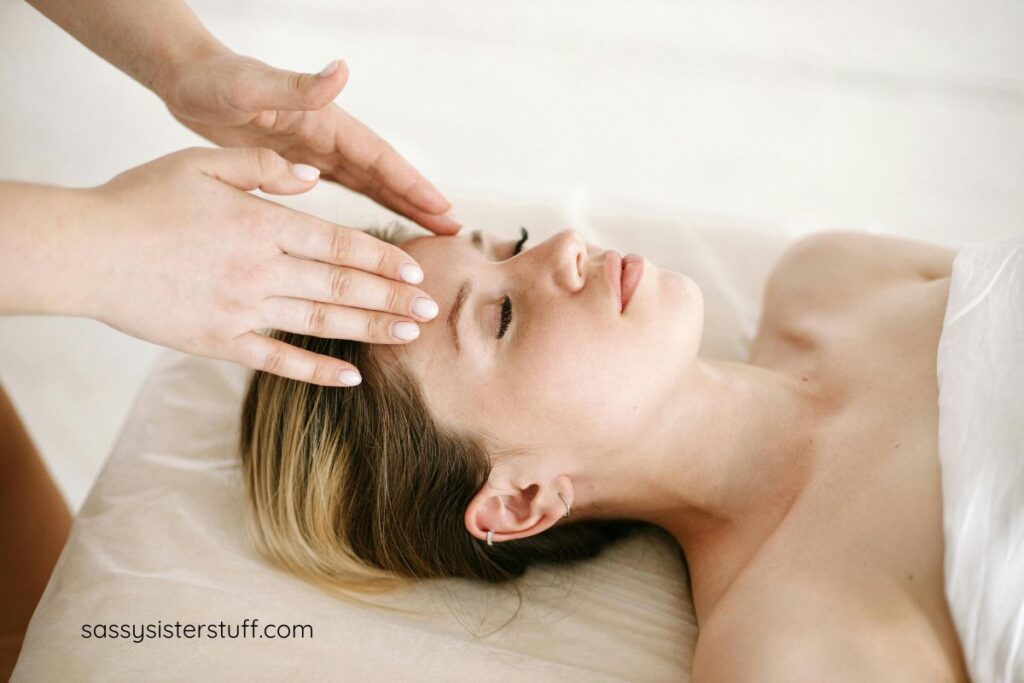
You have spent years caring for others. Now is the time to turn that nurturing energy inward. You have earned the right to feel comfortable and vibrant in your own skin.
Be sure to drink plenty of water before and after your massages, complement them with other self-care practices like stretching and yoga, and explore self-massage techniques.
Communicate honestly and openly with your therapist. Talk about your specific needs and areas of tension so the treatment can be customized.
By taking small, consistent steps, you build a life that feels good on the inside, not just one that looks good on the outside. Prioritize your peace. Protect your energy.
Learning how to add massage to your wellness routine is a powerful declaration of self-worth. It says that you value your well-being and your happiness. Start today and watch your life transform.
If this article has resonated with you, check out these two related articles for more information about massage:
- Massage Magic: 9 Amazing Benefits of Regular Massage Therapy
- 5 Best Types of Massage for Anxiety and Stress Relief
Love to ALL! ~ Susan