
14 Weird Waiting Room Rituals People Fall Into And Why We Do Them Without Thinking
Waiting rooms have a way of making time feel slower and moments more awkward. Surrounded by strangers, people often develop quirky habits or rituals to cope with the uncertainty and silence.
These waiting room rituals can be strange or surprising, but they help people feel more comfortable and in control while they wait. Whether you notice them yourself or just watch others, these routines show how people handle the awkward silence and uncertainty in shared spaces.
Checking every clock repeatedly

When you’re waiting, you might find yourself looking at every clock in the room. You check the time, then look again a few minutes later, almost like you’re making sure it hasn’t changed.
This habit can happen without you even realizing it. You might think checking the clocks will help you know exactly how long you’ve been waiting.
But this ritual can make the wait feel longer instead. Sometimes, you check clocks because you worry you might miss your turn or appointment.
It feels like knowing the time perfectly will give you control. Even if the clock isn’t going to change your wait, checking it can offer a little comfort.
This repeated checking is a common way people try to manage anxiety. It’s a small thing that helps distract your mind in a room where you might feel stuck.
Creating imaginary conversations

When you’re stuck waiting, your mind might start playing out conversations with people around you or even with strangers. You imagine what you might say or how they might respond.
This mental rehearsal can help you feel more prepared for real talks. You might find yourself practicing jokes or thinking through what to say in an awkward silence.
This isn’t unusual or weird. It’s a way your brain helps reduce stress and nervousness while you wait.
Sometimes, these imaginary chats can get very detailed, and you might even argue or feel emotional. Creating these fake conversations helps you pass the time and manage your feelings when you’re in an uncomfortable or quiet waiting room.
Polite nodding to strangers

When you wait in a room with strangers, you might find yourself giving a small nod. It’s a simple way to say, “I see you,” without using words.
This little gesture shows that you’re aware of others and not a threat. You don’t have to smile or start a chat.
The nod is low effort but helps break the silence. Sometimes, you might notice that others return your nod.
It creates a small, friendly moment in an otherwise quiet space. Even if you don’t feel like talking, nodding lets you share a bit of kindness.
Counting ceiling tiles
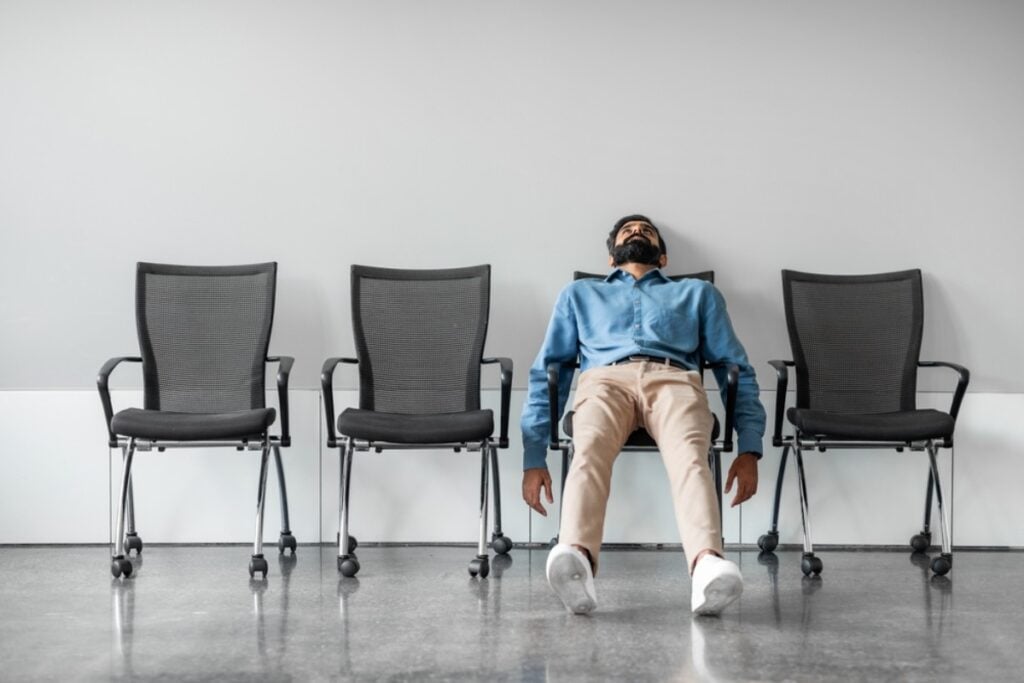
When you sit in a waiting room, your eyes might wander to the ceiling. You may find yourself counting the tiles one by one without even realizing it.
This simple habit can help pass time when you are feeling bored or restless. Sometimes, you might notice patterns in the tiles, like their shapes or colors.
Your mind can get caught up in tracking these patterns, making the wait feel a little shorter. For some people, counting ceiling tiles can become a ritual that feels necessary.
You might feel like you have to count a certain way for things to feel “right.” Either way, counting tiles is a quiet and harmless way to keep busy.
It helps your brain stay active when there isn’t much else to do in a waiting room. Next time you’re waiting, try it and see where your mind takes you.
Rearranging magazines obsessively

When you wait, you might find yourself straightening the magazines on the table. You start by fixing one, and soon you realize all the covers are out of place.
It feels oddly satisfying to line up the edges just right. You might not even be interested in reading them.
Instead, arranging the magazines gives you something to do. It helps pass the time and makes the space feel a little more organized.
Sometimes, you might notice magazines with worn-out covers or torn pages. Moving them around can be your way of bringing a bit of order to the messy pile.
If you look around, you’ll probably see others doing the same thing. It’s simple, harmless, and oddly calming when you’re stuck waiting.
Silent deep breathing exercises

When you find yourself waiting, silent deep breathing can help calm your mind. You simply breathe in slowly through your nose, letting your belly rise.
Then breathe out gently through your mouth or nose. This quiet ritual helps lower stress without drawing attention.
It’s easy to do sitting still with your eyes closed or looking softly at a spot. You might try counting to four as you breathe in and again as you breathe out.
This steady rhythm keeps your mind focused and away from worries. Doing this for just a minute or two can make a noticeable difference.
If you practice often, silent deep breathing may become a comforting habit when you wait.
Knocking rhythmically on furniture

When you sit in a waiting room, you might find yourself tapping or knocking on a table or chair without thinking about it. This simple action helps some people pass the time and deal with boredom.
It can also be a way to release nervous energy. You might tap a pattern or rhythm, like a beat you know from a song.
It can feel like a small game, almost like your own secret ritual. Sometimes, the knocking is soft and slow, and other times it speeds up, depending on how you feel.
If you notice others doing the same, it can create an unspoken connection. You might even find yourself matching their rhythm or starting a back-and-forth knocking pattern.
Knocking rhythmically is a simple way your body moves when your mind is restless. It’s comforting because it’s something you can control, while the wait itself is out of your hands.
People-watching and making up stories

When you sit in a waiting room, your eyes might drift to the people around you. You start noticing small details—how someone fidgets, the way two people talk, or what they are wearing.
Before you know it, you’re creating little stories in your head about who they are. You might imagine where they’re going or what they are feeling.
Maybe the quiet man reading a book is a secret writer or the tired woman on her phone is planning a surprise. It’s an easy way to pass the time and distract yourself.
This kind of people-watching can be fun and even comforting. It helps you connect with strangers without saying a word.
Repeatedly unlocking and locking phone

You might find yourself unlocking and locking your phone many times while waiting. It becomes a quick habit, even if you have no real reason to check it.
Sometimes, your phone might even unlock itself in your pocket. This can happen by accident and surprise you with random messages or actions.
This ritual can happen because waiting rooms are often dull. You might do it to fill the time or avoid feeling bored.
It’s an easy way to keep your hands busy. Even if nothing new is on your screen, you keep repeating the action.
It’s just one of those strange habits that waiting rooms seem to bring out in people.
Tapping foot to an internal beat
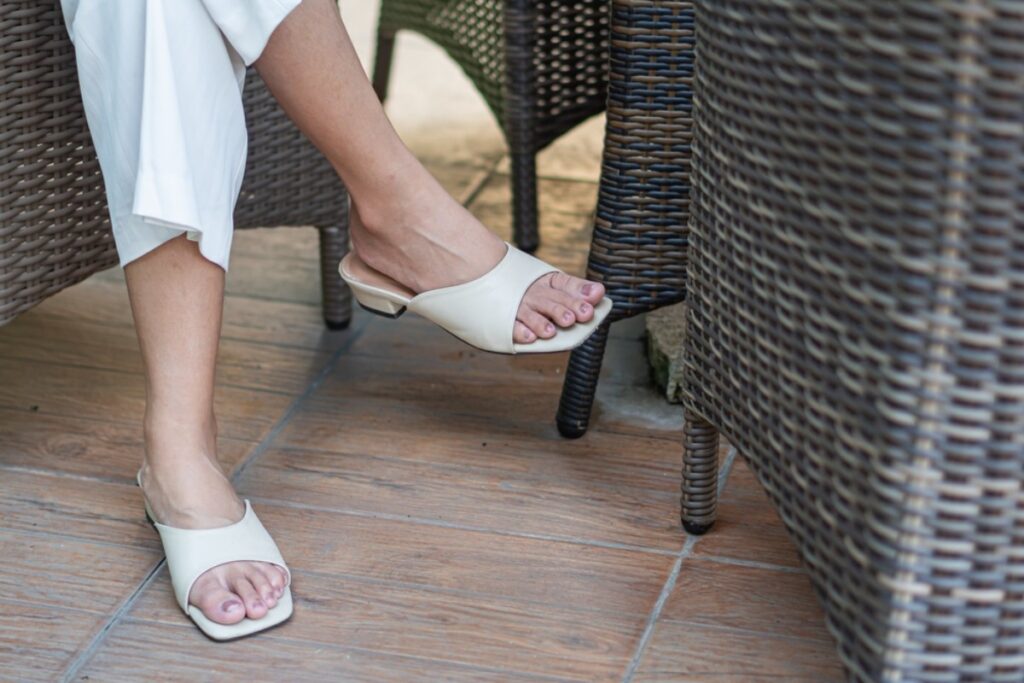
When you sit in a waiting room, you might find yourself tapping your foot without even thinking about it. This often happens because your brain creates a rhythm inside you, like a quiet drumbeat.
Tapping helps you stay connected to that rhythm. Your foot tapping can also be a way to pass time or release nervous energy.
It’s a simple action that keeps your body busy while your mind waits. Sometimes, the beat in your head matches a song you recently heard, even if the room is silent.
Tapping your foot might also help you feel calmer. The steady motion can reduce feelings of stress or anxiety.
So when you tap your foot, you’re not just moving; you’re giving yourself a small way to stay relaxed.
Playing invisible chess mentally

When you sit in a waiting room, you might find yourself playing invisible chess in your head. It’s a quiet way to keep your mind busy.
You imagine moving pieces on a board that isn’t there. You think about your next move, planning strategies without anyone knowing.
This mental game helps pass the time and keeps your brain sharp.
Sometimes, you might even practice blindfold chess moves. This means you picture the whole board and all the pieces without looking at them.
It can feel like a fun exercise for your brain while you wait. Playing invisible chess also helps you stay calm.
Your focus shifts from nerves or boredom to a game in your mind.
Sketching random doodles on paper

When you’re stuck waiting, it’s easy to grab a pen and start doodling on any scrap of paper nearby. These little drawings might seem silly or pointless, but they help pass the time and calm your mind.
Your doodles can be simple shapes, random patterns, or even silly faces. You don’t have to be an artist to enjoy this.
Just letting your hand move freely can help you focus and feel less bored. Doodling might also help you remember things better.
When your mind wanders, drawing can keep you more alert and engaged. Plus, it’s a quiet way to express yourself without saying a word.
Next time you’re waiting, give your pen a chance to roam. You might surprise yourself with what you create—and it could help the wait feel shorter and more fun.
Whispering to oneself softly

You might find yourself whispering quietly while waiting. It’s a simple way to calm your nerves or pass the time.
Soft whispers can help you focus on your thoughts without disturbing others. Whispering feels like a private conversation with yourself.
It can also be a way to soothe your mind when the waiting room feels noisy or tense. Some people whisper phrases to stay positive or remind themselves to relax.
If you listen closely, whispering can create a calming atmosphere. It is gentle and less distracting than talking out loud.
You might even notice that whispering helps you feel more in control of your emotions while you wait. It’s a quiet ritual that many fall into without thinking.
Adjusting seating position frequently
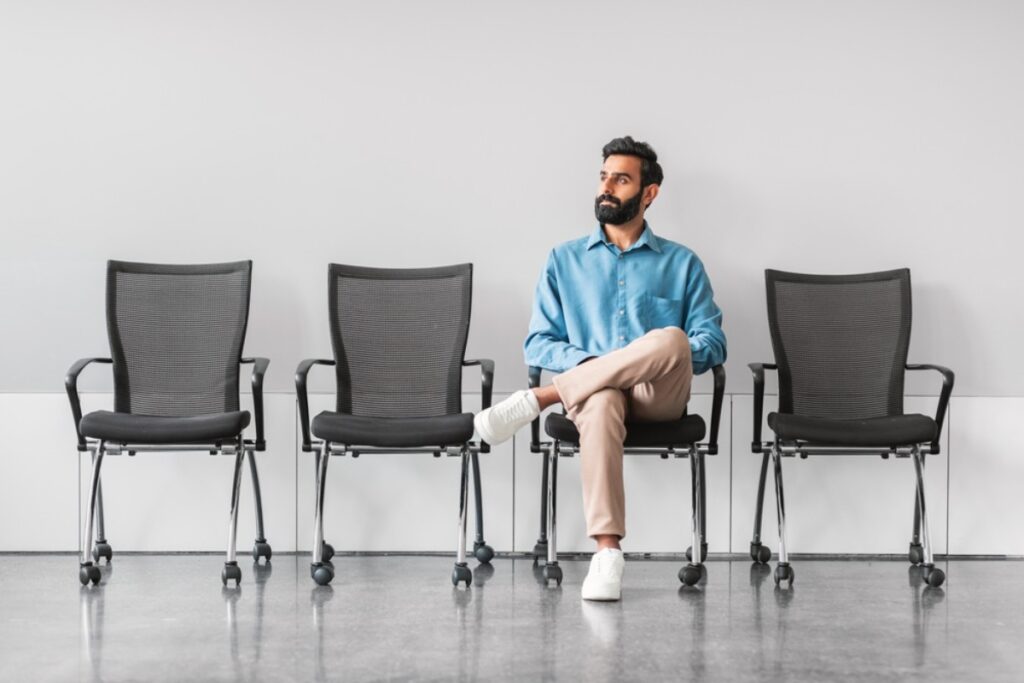
When you wait in a room, you might find yourself shifting in your seat a lot. Sitting still for too long can make you feel stiff or uncomfortable.
You might cross and uncross your legs or lean forward, then lean back. Small changes in how you sit can relieve pressure on your muscles.
Sometimes, you adjust your position without even thinking about it. The way you sit can say a lot about how you feel.
For example, shifting often might mean you’re anxious or restless. Try to keep good posture to avoid pain while you wait.