
How to Overcome Your Fear of Trying New Hobbies in Midlife (and Rediscover Joy)
💡Key Takeaways
Are you struggling with your confidence about starting a new hobby in midlife? Do you need inspiration and motivation? Your biggest fears are issues like time, cost, overthinking, fear of failure, long-term motivation, and unrealistic expectations. In this article, you’ll learn how to overcome your fear of trying new hobbies in midlife.
Starting a new hobby sounds exciting at first. You imagine yourself enjoying a relaxing activity, learning something new, and maybe even creating something that makes you feel proud of yourself. Then reality kicks in. You start thinking about time, money, skill level, or whether you’ll stick with it long enough to make it worthwhile. Been there, done that.
Many people abandon the idea before they even begin. The biggest barriers rarely involve the hobby itself. Most hurdles come from mindset, expectations, and a bit of uncertainty.
The good news? You can overcome those challenges with the right approach. When you understand the common obstacles and how to deal with them, starting a new hobby becomes much easier and far more enjoyable.

Let’s Overcome Your Fear of Trying New Hobbies
There’s something about midlife that can feel like standing on shifting ground. One moment you think you know who you are… and the next, everything feels uncertain.
Many women find themselves in this in-between space—no longer who they used to be, but not quite sure who they’re becoming. It can feel unsettling, even overwhelming at times. You might notice yourself spiraling with self-doubt, overthinking every decision, or questioning whether it’s too late to try something new.
That sense of unsteadiness isn’t a sign that something is wrong—it’s often a sign that something is changing.
When you’re facing fears about starting over, trying new hobbies, or stepping outside your comfort zone, these internal obstacles can feel bigger than they really are. But the truth is, most of these barriers are common… and more importantly, they’re absolutely manageable.
We can all gently and confidently move past these issues to rediscover joy, curiosity, and a sense of possibility in new hobbies. Yep! After you read this article, you’ll be able to overcome your fear of trying new hobbies in no time!
1. Fear of Being Bad at Something New
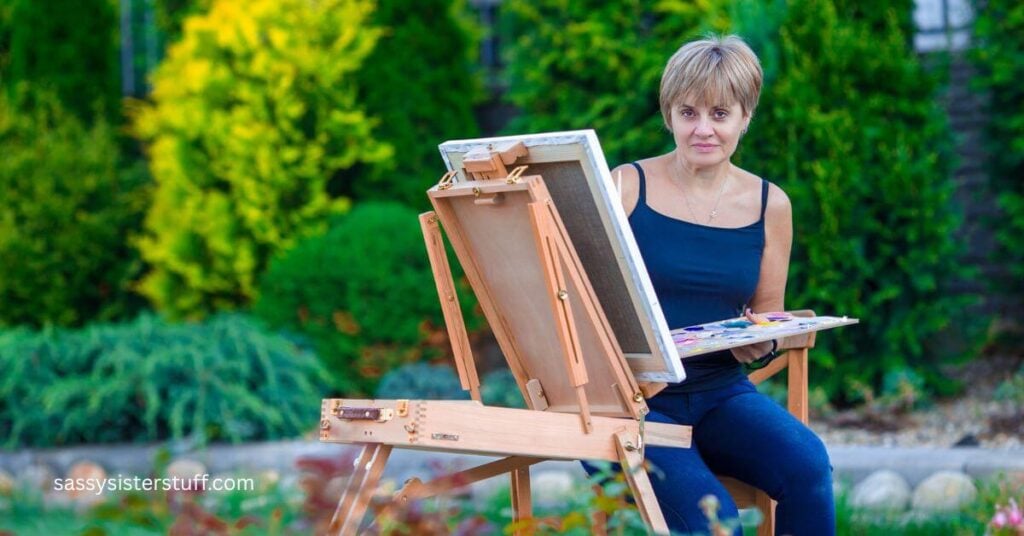
Many people hesitate to start a hobby because they worry about looking inexperienced or unskilled. Social media often shows polished results from people who have already mastered their craft. That comparison makes beginners feel like they don’t measure up.
Everyone starts somewhere. No one picks up a guitar and plays perfectly on the first day. No one paints a masterpiece the first time they hold a brush. Progress comes from repetition and patience.
💡Solution:
Instead of focusing on the outcome, focus on the experience. The early stages of learning bring curiosity and discovery. Those moments build the foundation for improvement. Allow yourself to think like a child and be curious about all new things!
2. Feeling Like You Don’t Have Enough Time
Time often becomes the first excuse people use when they consider starting a hobby. Work, family responsibilities, errands, and daily tasks already fill most schedules.
However, hobbies don’t require huge time commitments. Small sessions add up quickly. Even twenty minutes a few times a week can lead to noticeable progress.
💡Solution:
Instead of waiting for large blocks of free time, try weaving your hobby into smaller parts of your day. You might practice guitar after dinner, sketch while watching TV, or write for fifteen minutes before bed. Consistency matters far more than duration. Regular practice builds momentum and keeps your motivation strong.
After writing several articles about hobbies, I realized something… I missed creating.
I hadn’t made jewelry in nearly ten years because I kept telling myself I didn’t have enough time.
But the truth? I didn’t need more time—I needed a better plan.
So I gathered my supplies and placed them right in our family room, where life is already happening. Now everything I need is within reach, and I can create whenever inspiration strikes.
Sometimes the biggest obstacle isn’t time… it’s making things easier to begin. 🙂
3. Worrying About the Cost of Getting Started
Many hobbies seem expensive at first glance. Photography equipment, musical instruments, sports gear, or art supplies can look intimidating when you browse beginner recommendations online. Needs can add up!
You rarely need top-tier equipment when you begin. Basic tools often work perfectly well for learning and experimenting.
💡Solution:
Start simple. Borrow items from friends, buy second-hand gear, or choose entry-level supplies. Once your interest grows and your skills improve, you can upgrade gradually. A hobby should feel enjoyable, not financially stressful. By starting small, you remove one of the biggest barriers to trying something new.
4. Information Overload Makes Everything Harder
The internet provides endless tutorials, guides, videos, and advice about almost every hobby imaginable. While that abundance helps experienced learners, beginners often feel overwhelmed.
You might open a video about watercolor painting and suddenly see dozens of techniques, tools, and styles. Instead of inspiring you, the information flood makes the hobby feel complicated.
💡Solution:
Simplify your starting point. Choose one beginner resource and follow it for a while. Practice the basics before you explore additional or advanced topics.

5. The Pressure to Turn Hobbies into Side Hustles
Modern culture often pushes people to monetize everything they enjoy. When someone discovers a hobby, others quickly ask if they plan to sell their creations or start a small business.
That pressure can drain the joy from the activity. A hobby should provide relaxation, creativity, and personal satisfaction. Turning it into work changes the experience entirely.
💡Solution:
To manage the pressure to monetize a new hobby, consciously separate “play” from “profit” by keeping the activity strictly for enjoyment initially. Establish a “no-pressure” phase, set small, non-financial goals, and only explore monetization (such as creating a side hustle or testing a market) once the activity brings genuine joy and proficiency. Don’t succumb to pressure from others to monetize.
6. Comparing Yourself to Experienced Hobbyists
Comparison can destroy motivation before you even begin. You scroll through online communities and see incredible artwork, flawless woodworking projects, or impressive knitting patterns.
Those creators spent years improving their craft. Their results reflect countless hours of practice and learning. When you compare your first attempt to someone else’s tenth year of experience, frustration quickly follows.
💡Solution:
Instead of comparison, look for inspiration. Ask questions, observe techniques, and appreciate what others create. Their work can motivate you rather than discourage you.
7. Starting Without Clear Expectations
Unclear expectations often lead to disappointment. Some people expect quick mastery or dramatic improvement within days. When progress takes longer than expected, they lose interest.
Learning any hobby involves ups and downs. Some days feel productive and exciting. Other days feel slow or frustrating.
💡Solution:
You can manage expectations by remembering a few simple truths:
- Progress rarely happens in a straight line
- Mistakes help you learn faster
- Consistency beats motivation
- Small improvements lead to big results over time
When you accept these realities, the learning process feels much more rewarding.
8. Overthinking the “Perfect” Hobby
Many people spend weeks researching hobbies instead of trying one. They analyze pros and cons, compare difficulty levels, and search for the perfect match. This causes analysis paralysis and you end up not starting anything.
Unfortunately, perfection rarely exists in hobbies. You discover what you enjoy by experimenting. You might try pottery and realize you prefer painting. You might start running and later switch to cycling. These shifts represent normal exploration, not failure.
💡Solution:
The best solutions involve reducing the stakes and taking small, manageable actions. Here are some practical solutions for overthinking a new hobby:
- Start Small/Low Cost: Avoid buying expensive, specialized equipment immediately. Rent, borrow, or buy cheaper, basic materials first to ensure you actually enjoy it before investing financially.
- Don’t Aim for Perfection: Remind yourself that the goal is enjoyment and personal growth, not mastery or competition.
- Set a Time Limit: Give yourself a deadline to decide (e.g., “I will choose one hobby by Friday”) to stop the cycle of over-researching.
- Brain Dump/Journal: Write down all your worries and potential hobbies in a notebook to empty your mind of racing thoughts. Reflect on your thoughts and make a decision.
- Follow Your Gut: Often, your initial interest was correct, but overthinking creates anxiety.
- Give Yourself Permission to Quit: You do not have to commit to a hobby forever. If it makes you feel frustrated or stressed, it is okay to stop and try something else.
Pin to Your Favorite Pinterest Board for Later
9. Dealing With Beginner Misconceptions
Beginners often carry assumptions that make hobbies seem harder than they actually are. These misconceptions create unnecessary pressure.
For example, a common beginner misconception about sewing involves the belief that every project requires complex machines, expensive fabrics, and professional-level precision. In reality, many sewing projects start with simple stitches, basic materials, and beginner-friendly patterns. Just like many of us learned in middle school.
💡Solution:
Reframe your mindset by using these strategies to deal with beginner misconceptions:
- Accept that early efforts will not be perfect, and that mistakes are part of the learning curve. Allow yourself to be a novice to lower the pressure.
- Focus on the “why,” not the “what.” Define the purpose of the hobby (e.g., to relax, to be creative, to meet people with common interests, etc.) rather than focusing only on the final result.
- Begin with approachable projects that don’t overwhelm you. Learn the basic fundamentals before expecting to create a masterpiece.
- Shift your focus from perfection to process and product to pleasure.
10. Building Motivation That Actually Lasts
Motivation often fades after the initial excitement of a new hobby. That drop feels normal and happens to nearly everyone. Instead of relying on motivation alone, build habits that support your hobby. Simple routines keep you engaged even when enthusiasm dips.
💡Solution:
You might set aside Sunday afternoons for woodworking, practice piano every morning, or schedule a weekly crafting session with friends. Consistency turns hobbies into enjoyable rituals. Over time, the routine becomes something you look forward to rather than something you struggle to maintain.
Small milestones can also help maintain motivation. Completing your first sketchbook page, finishing a scarf, or learning a new chord progression all provide satisfying moments of progress.
11. Finding Community and Support
Hobbies feel more enjoyable when you connect with others who share the same interest. Communities provide encouragement, feedback, and inspiration.
💡Solution:
You can find hobby groups in many places. Local classes, online forums, social media groups, and community centers often host gatherings or discussions. Conversations with other beginners can feel especially helpful. Everyone shares similar challenges and learning experiences. Supportive communities also normalize mistakes and setbacks. When you see others improving gradually, you realize that progress takes time for everyone.
Frequently Asked Questions about Hobbies for Midlife
Even after working through your fears, you might still be wondering where to start.
Here are a few common questions women have about choosing hobbies in midlife:
Final Thoughts

Starting a new hobby rarely requires extraordinary talent, large amounts of time, or expensive equipment. Most barriers exist in our expectations and fears rather than in the activity itself.
Everyone deserves, and needs, a creative outlet or relaxing activity that brings joy outside of daily responsibilities. Whether you choose painting, sewing, gardening, photography, or something entirely different, the first step always remains the most important one. And sometimes the most difficult.
Start small, stay patient, and enjoy the process. Use the solutions we shared in this article to change your mindset and overcome your fear of trying new hobbies. Your future self will thank you for giving that new hobby a chance.
We have several articles about hobbies here on Sassy Sister Stuff. I invite you to read them as you are making a decision about which hobby you want to start. (Don’t let your fears stop you!) These related articles might help make your decision easier. 💜
- Hobbies That Will Make You Feel More Productive in Retirement
- The Ultimate Guide of Hobbies for Women Over 50
- 101 Creative Hobbies to Promote a Balanced Life
- 5 Ways Quilting Supports Well-Being for Women in Midlife
With light and love,
Susan