
Beyond the Attic: Choosing Which Family Heirlooms Truly Matter
✨ At a Glance
At a certain point in life, we are all faced with choosing which family heirlooms truly matter and which we need to release. You may even be facing this task with your aging parents’ as well as your own belongings. But what is an heirloom? How do you decide which family heirlooms truly matter? In this article, we’ll explore the most common heirlooms families pass down and how to recognize the treasures hiding in your own home or your parents’ home. Family heirlooms often start in the attic or tucked away in old boxes, but the real journey is deciding which ones truly matter.
When we get to a certain age — yeah, you know midlife and beyond 😉 — we start thinking about family heirlooms. Either it’s because we are cleaning out the house for *someone* to move back in; or we are cleaning out our parents’ house because they are moving to assisted living; or maybe we’ve even retired and are cleaning out the house *just because.* But we really do need to be careful to watch for family heirlooms because they can carry a lot of nostalgia for the right person.
Family heirlooms carry stories, love, and lessons from generations before us. As life changes through midlife and beyond, these meaningful objects often take on deeper emotional value. They remind us of who we are, where we come from, and what truly matters. When you pay attention to the treasures around you, you protect more than objects — you protect legacy.
Major transitions like retirement, caregiving, downsizing, or losing loved ones often bring heirlooms into focus. You may sort through closets, attics, and jewelry boxes with new eyes.
Instead of feeling overwhelmed, you can treat this process as an opportunity for reflection and personal growth. Each item offers a chance to reconnect with family history and your own evolving identity. As time goes on, keep your eyes on family heirlooms that help you connect with yourself or your past.
What is a Family Heirloom?
A family heirloom is a valuable item, such as jewelry, furniture, or art passed down through generations within a family and preserved over time. These cherished items often hold significant sentimental or historical value, serving as a tangible connection to our ancestors.
According to HowStuffWorks.com anything can be an heirloom. “The objects don’t have to be expensive, but if you make them part of a holiday tradition, important celebration, or give them pride of place on a mantle or table, they may become priceless to your children.” These items then become heirlooms in-the-making.
Which Family Heirlooms Truly Matter?
Heirlooms act as a “bridge” between the past and present, preserving family history, cultural identity, and heritage. While some have high monetary value, many are kept simply for the stories and memories they represent. It’s often hard to identify whether a family heirloom truly matters, so let’s learn more.
Jewelry That Holds Generational Stories
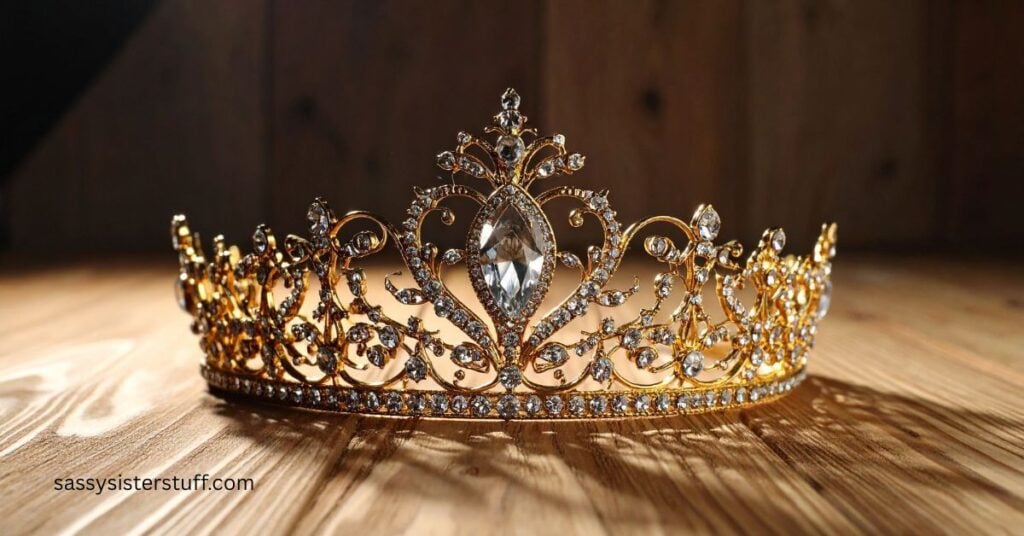
Jewelry often tops the list of cherished heirlooms. Engagement rings, lockets, brooches, and charm bracelets carry sentimental and financial value. These pieces frequently mark milestones, such as marriages, births, and anniversaries. When you revisit them, you also revisit the emotions tied to these moments.
Over time, styles change and personal tastes shift. Rather than letting meaningful pieces sit unworn, consider ways to update them. Many women choose to transform old jewelry with a custom redesign so that they can honor tradition while embracing modern style. This approach allows you to carry family history into your current season of life.
I’ve had a lot of family deaths in recent years and lots of jewelry has come my way. I’m looking forward to the time when I can take the more meaningful pieces, like my grandmother’s engagement rings from the early 1900s, to a jeweler to have them transformed to something special. It will be very sentimental to me.
Take inventory of what you own and document its origin. Write down who wore what and the stories attached to it. Share those stories with daughters, granddaughters, nieces, or close friends. You strengthen family bonds when you keep narratives alive.
Photographs and Letters That Capture Memories
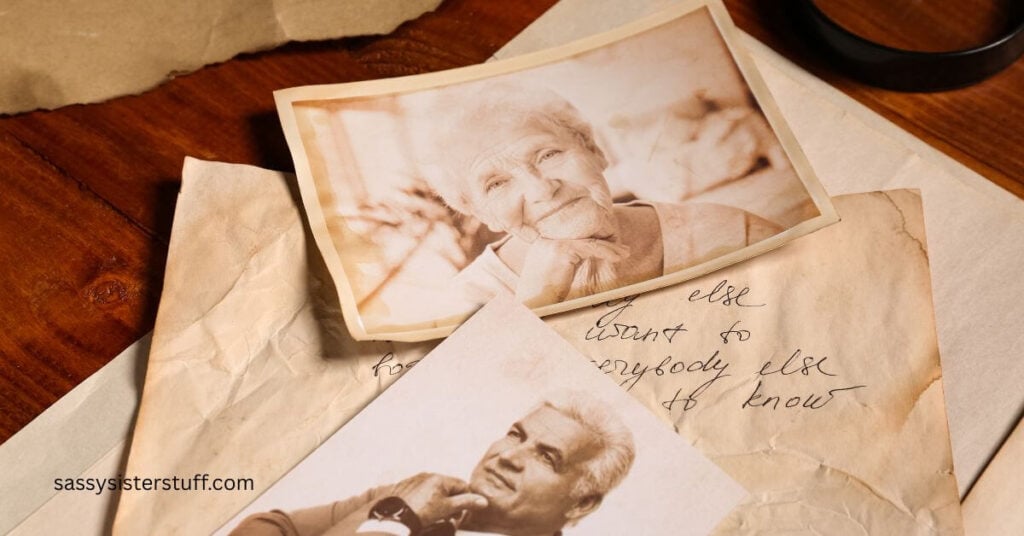
Printed photographs and handwritten letters hold incredible emotional power. A single faded photo can spark vivid memories of childhood kitchens, holiday gatherings, or long summer evenings. Letters reveal voices and personalities that modern text messages rarely capture. These items help you feel close to loved ones, even after loss.
When we were ready to sell my parents’ house, we discovered years of journals in the basement. I soon learned that my paternal grandfather was a proficient writer and journaled every day of his life. I never knew him because he died as a young husband and father before I was born.
But when I was reading his journals, I finally learned how he and my dearest grandmother met. No one in our large farming family was ever able to figure out how they had met as young adults. (It turns out they met at a school dance — he was going to Virginia Agricultural and Mechanical College and Polytechnic Institute (VPI) in Blacksburg, Virginia and she was going to Georgetown Preparatory School in Washington, DC.)
Organize photos into albums or labeled boxes so that you can easily revisit them. Consider scanning important images to preserve them digitally. You protect fragile originals while creating accessible copies for family members. This act of preservation becomes a gift to future generations.
If you feel inspired, write your own letters to children or grandchildren. Share lessons you learned during challenging seasons. Include inspirational quotes that guide you through hard times. Your words may one day become the heirlooms someone else treasures.
Furniture That Carries Family History
Furniture often travels through generations with quiet dignity. A dining table may have hosted decades of holiday meals and heartfelt conversations. A rocking chair may have soothed babies who now raise families of their own. These pieces serve as silent witnesses to family life.
When you downsize or rearrange your home, pause before you let go of older items. Ask yourself whether the piece holds emotional or practical value. Sometimes a simple refinishing or reupholstering project can breathe new life into a beloved chair or cabinet. You maintain connection while adapting to your current needs.
If space truly limits you, pass meaningful pieces to relatives who will appreciate them. Share the story behind the object so its significance does not disappear. Thoughtful transitions ease the emotional weight of change. You create continuity even as life evolves.
We have a family bassinet that was made for my grandfather when he was born in the late 1800s. All four of his boys slept in it; all ten of his grandchildren slept in it; and too many great-grandchildren and great-great-grandchildren to count have slept in it. Some of us who know how to sew have made new “bedclothes” for it whenever they needed to be replaced. (We used to laugh about the older generations in the family using the term “bedclothes” for sheets and blankets. Now I love the term and use it all the time:)
Keepsakes That Reflect Milestones
Beyond obvious heirlooms, smaller keepsakes often carry deep meaning. Baby shoes, wedding programs, military medals, recipe cards, and handmade quilts all tell powerful stories. These items reflect resilience, love, sacrifice, and celebration. They capture chapters that shaped your life.
Create a dedicated memory box for special keepsakes. Label each item with dates and brief explanations. This simple habit ensures that future family members understand the importance of what they hold. Clear documentation prevents confusion and preserves emotional context.
Consider these commonly overlooked heirlooms for a box:
- Handwritten family recipes with personal notes
- Journals that document personal growth
- Cultural or religious artifacts tied to family traditions
- Awards, certificates, or caregiving mementos
- Handcrafted items made by parents or grandparents
When you review these treasures, allow yourself to feel gratitude. Each object represents effort, love, and commitment. You honor your journey when you treat these items with care.
I’ve learned through the process of cleaning out three family homes that you can’t keep it all, and you might break or lose something that you wanted to find. Don’t let yourself be heartbroken over a few things because there will be plenty more to capture legacy and generational stories.
Pin to your Sassy Sister Stuff Pinterest Board for Safe Keeping
Protect What Matters Most
Heirlooms require attention and practical protection. Store jewelry in secure, climate-controlled spaces to prevent damage. Keep documents and photographs away from moisture and direct sunlight. Proper storage preserves beauty and value.
Create a simple estate plan that outlines who will receive specific items. Clear communication reduces family tension later when assets need distributed. Discuss your wishes openly with loved ones while you can answer questions. Honest conversations demonstrate wisdom and compassion. And do it before a time comes when it’s forced upon you.
Caregiving seasons often prompt urgent decisions about belongings (if it hasn’t been done over the years). When you help aging parents sort through possessions, approach the process gently. Listen to their stories before making choices. You build trust and preserve dignity through patience.
Let Go with Grace
Not every heirloom must stay in your possession forever. Some items no longer serve your lifestyle or emotional well-being. Letting go does not erase memory or love. It simply reflects growth and changing priorities.
You can donate certain items to museums, charities, or family members who value them more deeply. You may choose to sell select pieces to support travel, health needs, or new experiences. Intentional decisions empower you during times of transition. You control the narrative of your belongings. Don’t let your special belongings become someone else’s unwanted clutter.
Personal growth often requires holding on and letting go with grace. As seasons shift, ask yourself which items still align with your values and goals. If I am in doubt about any item, I always ask, “Do I have an emotional attachment to this item?” It’s usually very helpful, or at least a good starting point. Choose thoughtfully rather than reactively. Your home should reflect peace, not clutter.
Heirlooms as Tools for Well-Being
Family heirlooms offer more than nostalgia. They provide comfort during grief, reassurance during uncertainty, and strength during caregiving challenges. When you feel overwhelmed, hold something meaningful and remember the resilience that runs through your lineage. You stand on the shoulders of strong women who navigated their own trials.
Display a few cherished items where you can see them daily. A framed photo, a favorite teacup, or a quilt draped over a chair can inspire gratitude. These small reminders anchor you in identity and purpose. They whisper that you belong to something larger than the present moment.
Frequently Asked Questions about Family Heirlooms
The Final Word about Which Family Heirlooms Truly Matter
As you move through midlife and beyond, keep your eyes on which family heirlooms truly matter. Preserve them, share their stories, and adapt them when you can. In doing so, you honor your past while embracing your future. Your legacy grows stronger each time you choose intention over indifference.
According to Legacy.com, there are 21 common family heirlooms that are often found in family homes. I have put together a similar list that you can download with the pretty pink button and print for your reference:)
In the next article, we’ll move from the attic to the basement and talk about how to conduct a thoughtful “midlife heirloom audit.” 🙂
As we think about family heirlooms and legacy, I think you’ll like these Sassy Sister Stuff articles, too:
- How to Create a Peaceful Home with Faith-Based Decor Ideas – some of these items will likely become part of your legacy and can be passed down to the next generation.
- Exploring Burial Options for Yourself and Loved Ones – not to be morbid, but it’s becoming a popular option to discuss your wishes with your family so they don’t have to make unwanted decisions.
This is the first article in a series of three articles about family heirlooms. I highly encourage you to read all three articles to gain the most benefit. The other articles can be found at these links:
- Beyond the Boxes: Navigating the Emotional Weight of Family Heirlooms
- Beyond the Basement: How to do a Midlife Heirloom Audit Without Overwhelm
With light and love,
Susan