

8 Resourceful Ways to Refresh Your Home When the Kids Move Out
✨At a Glance
Many empty nesters feel a mix of freedom and uncertainty in their space. Let’s create a home that fits your life now through practical, meaningful changes.
When a home becomes an empty nest, it can suddenly feel quieter, bigger, and a little unfamiliar. I have experienced this several times over the years as my adult children came back and left again:) That shift can bring a mix of emotions, from sadness to a sense of freedom. By refreshing your home after the kids move out, you can reclaim your space and make it more welcoming for this time of your life. Take this opportunity to adjust your surroundings so that they support this new chapter.
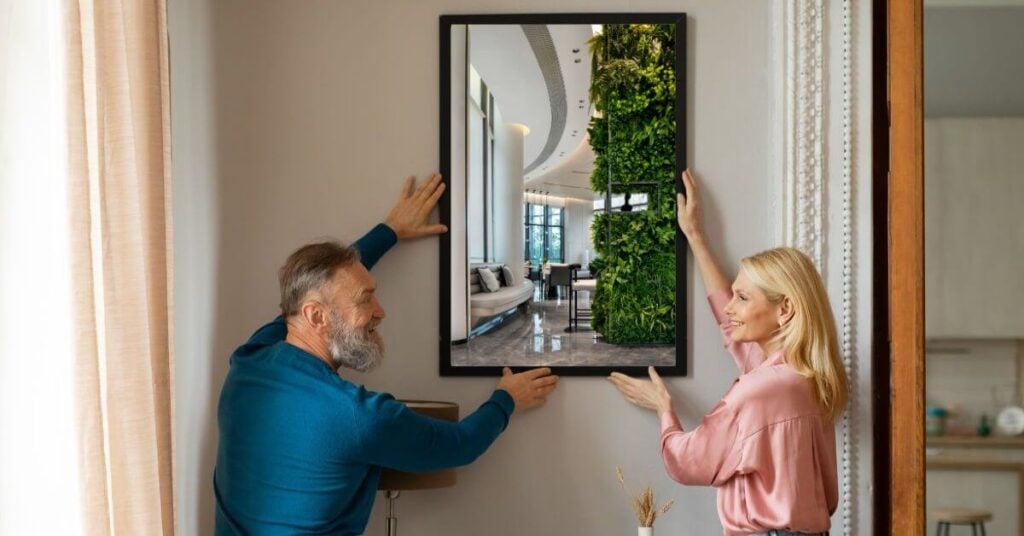
Let’s Refresh Your Home When the Kids Move Out
This is one of those life changes that hits your heart and your house at the same time. The silence can feel strange at first, and those unused rooms can quickly become emotional storage. Still, this is also a lovely time to create a fresh start at home that supports the woman you are now.
Bit by bit, you can turn extra space into comfort, beauty, and function. Here are a few easy ways to refresh your home when the kids move out and make this next season feel right for you now.
- create a hobby room
- make a guest room
- build a reading nook
- refresh the kitchen
- declutter and organize
- update your main bedroom
- design a wellness space
- create a space for connection
1. Create A Hobby Room
One of the simplest ways to refresh your home when the kids move out is to turn a former bedroom into a hobby room. A space once filled with school projects and sports gear can become a place for sewing, painting, crafting, or reading. Having a room that supports your interests makes it easier to spend time on things that bring calm and satisfaction.
The room does not need a full makeover to feel new. A fresh coat of paint, better lighting, and storage that suits your hobbies can make a major difference. Ergonomic seating and a work surface that fits your activity will make your hobby more enjoyable, too.
Having a space that is just for you can feel unfamiliar at first, especially after years of sharing your home with family. Personal space gives you the freedom to explore interests without interruption or pressure. It can also help rebuild a sense of identity that may have been tied to caregiving roles for a long time.
For more about hobbies, read 101 Creative Hobbies to Promote a Balanced Life. Hobbies promote balance in your life and keep your mind fresh.
I turned one bedroom into a combined hobby room and overnight guest room. Being short of space at the time, I put a bed in there, a desk/work space, shelves and cubbies in one closet, a television, a bookshelf, pretty twinkle lights, and inspirational quotes on the walls. You might not be able to do all the ideas, but you can get creative. Afterall, I would still love to have a room devoted to gift wrapping so I could wrap all the beautiful packages I want to wrap. But it hasn’t happened and may not. 😉
2. Welcome Overnight Guests
An empty bedroom can become a warm, flexible guest room for adult children, relatives, or close friends. This keeps the space inviting without holding it in the past. Soft bedding, simple furniture, and a few thoughtful touches can make visitors feel comfortable without making the room overly formal.
Choose furniture that leaves enough walking space and add storage for extra blankets, towels, or luggage. A small chair, lamp, and charging spot can make the room more useful for guests of all ages. Maybe even include a luggage rack in the room for convenience. The goal is to create an inviting space that’s easy to maintain.
3. Build a Reading Nook
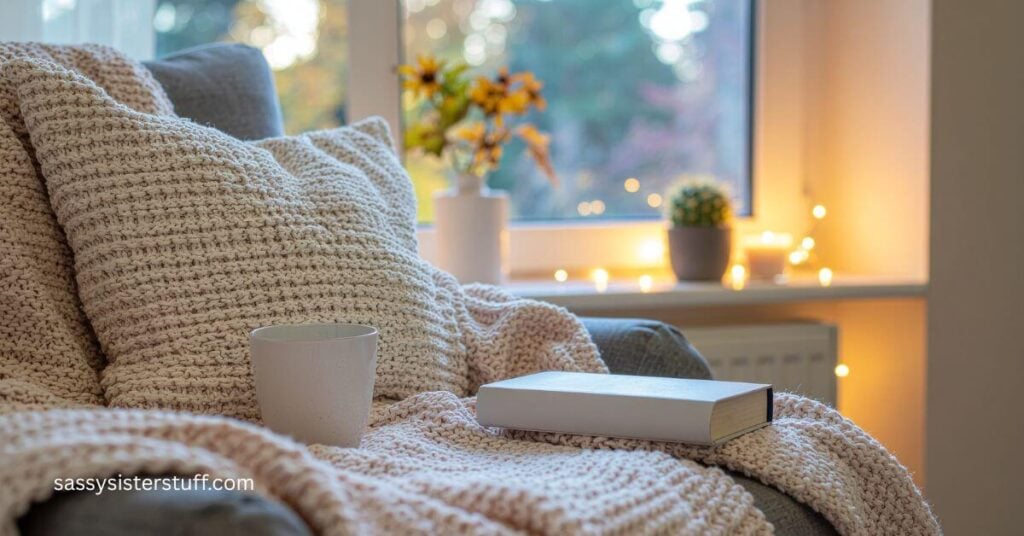
Not every refresh requires a whole room. You can turn a quiet corner in a bedroom, hallway, or den into a reading nook. Choose a chair with good back support, and keep a basket or shelf nearby for books and reading glasses. A soft throw or small pillow adds warmth and texture.
Pick a spot near a window if possible because natural light makes the area feel open and calm. Finally, add a floor lamp or a reading light to make reading easier on the eyes. For more creative ideas for reading nooks, check out Book Nook Decor, Accessories, and Ideas for a Calm Corner.
4. Refresh Your Kitchen
The kitchen often changes once there are fewer people at home every day. It may no longer need to function around rushed mornings, large grocery hauls, or constant cleanup. This is a good time to improve how the space works for your current routines. Small changes in layout, storage, and surfaces can make the room feel easier and more enjoyable to use.
One of the biggest considerations before remodeling your home is how your needs have changed and which upgrades will truly improve daily life. A more open prep area, easier-to-reach storage, or updated lighting may offer more value than a complete overhaul.
5. Declutter and Organize
Many empty nesters discover that old bedrooms, closets, and cabinets are still packed with years of items. Clearing out stuff you no longer want or need makes rooms feel calmer. It also helps you see which spaces are ready for a new purpose.
Keep these guidelines in mind as you organize old belongings:
- Sort items into keep, donate, store, and discard categories.
- Replace random bins with labeled storage that is easier to use.
- Move everyday items to shelves and drawers that are easy to reach.
Remember, storage should serve your current needs, not hide things you no longer need. Start with one drawer, shelf, or closet at a time so the process feels more manageable. Keep only the items that are useful, meaningful, or truly worth the space they take up. Use these 8 practical tips for downsizing when kids move out to help you create your new space.
Pin to your favorite Pinterest Board for Later 🙂
6. Update Your Main Bedroom
Many parents neglect their own bedrooms for years, putting shared family spaces first. Updating your bedroom is a fun way to personalize your home. A bedroom that feels restful and comfortable can also make it easier to unwind at the end of the day.
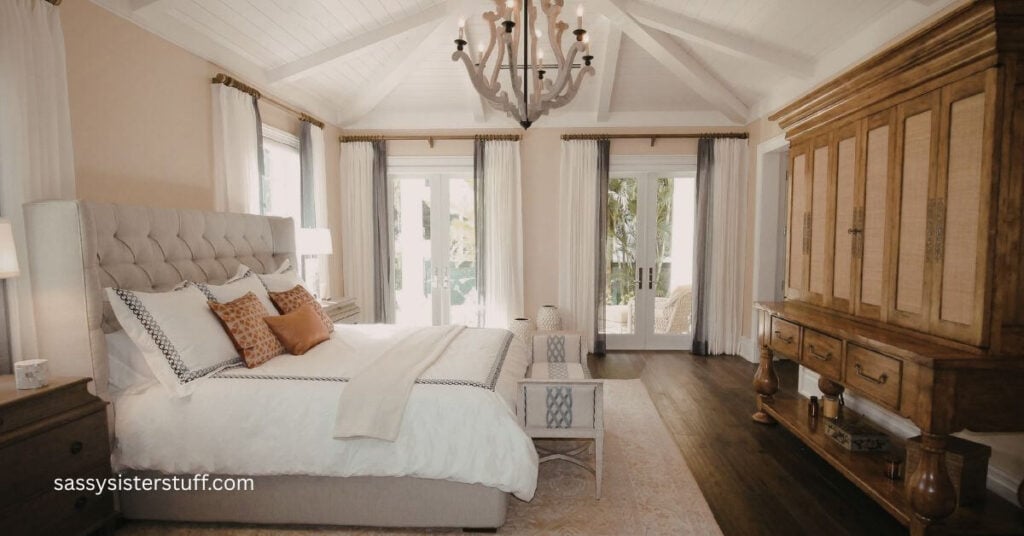
Simple updates can make a noticeable difference without requiring a full redesign. Start with fresh bedding, better lighting, and window treatments that add privacy and softness to the room. You can also remove extra furniture or clutter to make the room more open and relaxing.
Soften the colors in the room to turn it into a sanctuary for peace and relaxation, instead of letting it become a dumping ground for everything that doesn’t have a designated place to go.
7. Design a Wellness Space
A wellness space supports rest, reflection, and simple daily habits that help you feel more centered. It can be a full room or just a quiet corner where you stretch, write in a journal, read, or sit in silence for a few minutes. This space will help you reinvent yourself after empty nest, too.
To create a space that supports your everyday well-being, you should:
- Choose a quiet area with as few distractions as possible.
- Use soft lighting or natural light to create a calm mood.
- Keep the space open and uncluttered so it feels restful.
- Add a few simple items such as a mat, cushion, journal, or speaker.
- Pick calming or energizing colors and textures.
- Try some twinkle lights.
Try some of these great ideas for a calm corner or emotional escape space. It can be your own little space to gather your thoughts and calm your nervous system.
Why Quiet Time Matters
Even a few minutes of stillness each day can create a greater sense of balance. A wellness space also serves as a reminder that your needs deserve attention. This small space can become a steady source of comfort.
Quiet time is essential for women in midlife to navigate intense hormonal, professional and personal shifts, acting as necessary “medicine for the soul” rather than a luxury. It reduces, cortisol, restores the nervous system, and enables, redefinition of yourself, aiding the transition from a life of “doing” to one of intentional, authentic being. (Kuel Life, The Quiet Liberation of Midlife)
8. Make Space for Connection
As life changes, the home can become a place for more intentional connection. A dining area, sunroom, or living room can be adjusted to support visits with friends, book clubs, game nights, or family dinners.
Start by thinking about seating, lighting, and how people naturally move through the space. A simple furniture rearrangement may be all it takes to make conversations flow more easily and gatherings feel more relaxed. Small additions like side tables, a coffee station, or extra throw blankets can make the room feel even more welcoming.
Final Thoughts
Every season of life brings new hopes and challenges, and refreshing your home after the kids move out can help ground you in the present. Small updates make any space feel calmer, more practical, and more personal.
Your home is more than an empty nest, and as your needs change, you can make your home more supportive and inviting. Try these ideas for a start.
If you would like more ideas for refreshing your home, check out these related articles:
- How to Create a Peaceful Home with Faith-Based Decor Ideas
- Simple Ways to Make Every Room in Your Home Feel Calm and Inspirational
- Simple Home Upgrades That Support Healthy Aging
With light and love,
Susan