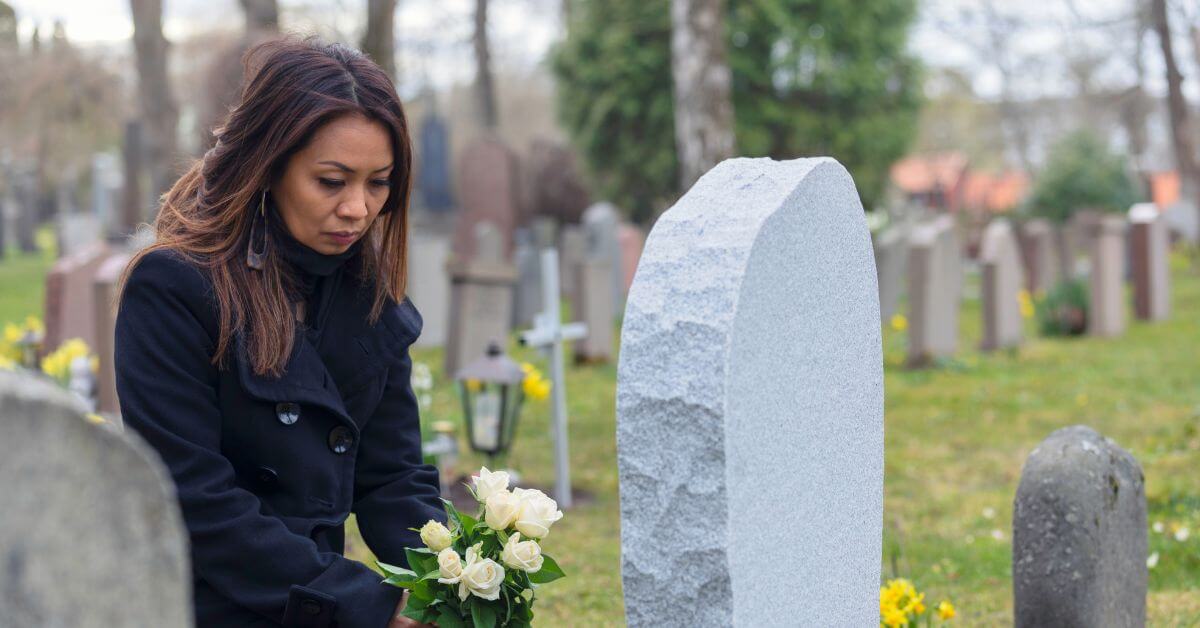
Exploring Burial Options for Yourself and Loved Ones
At a Glance
Midlife is a time when you are faced with your own mortality. It is helpful to be informed and make your burial choices known to family members. During these years, you will likely also have decisions to make for loved ones who pass away without making their choices known. It can be an emotionally painful time. Here, we’ll be exploring burial options that include traditional burial, cremation, green choices, donation to science, and memorial alternatives to make respectful decisions.
The passing of a loved one brings immense emotional pain, leaving families in a state of confusion. In this moment, decisions surrounding final arrangements often come swiftly, despite a lack of preparation. Navigating these choices can feel overwhelming when paired with grief and sudden responsibility. I know because, sadly, my younger sister died two days ago.
Families must consider the wishes of the deceased, if known, but also religious, cultural, and financial factors. Whether burial or cremation, each path involves several decisions with long-lasting impact. Exploring burial options carefully after a loved one passes away provides peace of mind while honoring the life and legacy of someone deeply cherished.
With clarity and sensitivity, this article aims to inform and support those coping with the loss of a loved one. Or, alternatively, if you are middle-aged and want to make informed decisions about your own preplanned burial, all the necessary information is here.
While no decisions can ease the sorrow entirely, informed choices can guide families toward peace and dignity for the deceased. And, preplanning your own funeral can help reduce decision-making and financial burdens for families. So let’s take a look at 10 options for burial that all have unique benefits and can ease the pain for families who are suffering from a loss.
Traditional Ground Burial
Traditional ground burial remains a familiar and widely accepted method of laying someone to rest. It involves placing a casket in a cemetery plot, typically with a memorial marker. Many choose this option due to family tradition, spiritual beliefs, or a sense of permanence.
Families must select a casket, burial vault, and plot, which can include added maintenance fees. Some cemeteries offer family plots that allow future burials together in one location. Emotional comfort often stems from having a dedicated space to visit and reflect on their memory.
Midlife is a great time to preplan your own funeral. You have enough life experience to know what you want your final wishes to be. You can decide on some or all of the details — and pay for some or all — while often saving money and heartache for your family.
Whatever your burial choices, be sure to tell your family about your plans and wishes, and where all the preplanning documents are located. Otherwise, your best laid plans may not be carried out.
Mausoleum Interment
Mausoleum interment places the deceased above ground in a secure, sealed structure. These spaces offer an alternative to in-ground burial and often include personal niches or family rooms. Mausoleums are common within cemeteries or as independent memorial buildings.
Definition Box
mausoleum: a large tomb; a usually stone building with places for entombment of the dead above ground (Merriam-Webster Dictionary).
This method appeals to those who prefer a clean, dry environment rather than burial in soil. Visitors benefit from covered areas, making visits easier during unfavorable weather conditions. Mausoleums also reduce land usage, making them a sustainable choice for some families.
Natural or Green Burial
Green burial emphasizes simplicity and environmental consciousness, forgoing embalming fluids and traditional caskets. The deceased remains in biodegradable materials such as shrouds or eco-friendly containers. Burial sites are typically within nature preserves or designated green cemeteries. I have seen small sections of cemeteries dedicated to natural burials, too.
This option supports land conservation and minimizes ecological impact while honoring the natural cycle of life. Families choosing this path often value harmony with nature and sustainability in death. Costs may be lower, as green burials eliminate expensive products and unnecessary services.
For more information:
Green Burial Council advocates for “caring for the dead with minimal environmental impact that aids in the conservation of natural resources, reduction of carbon emissions, protection of worker health, and the restoration and/or preservation of habitat.”
Cremation with Urn Placement
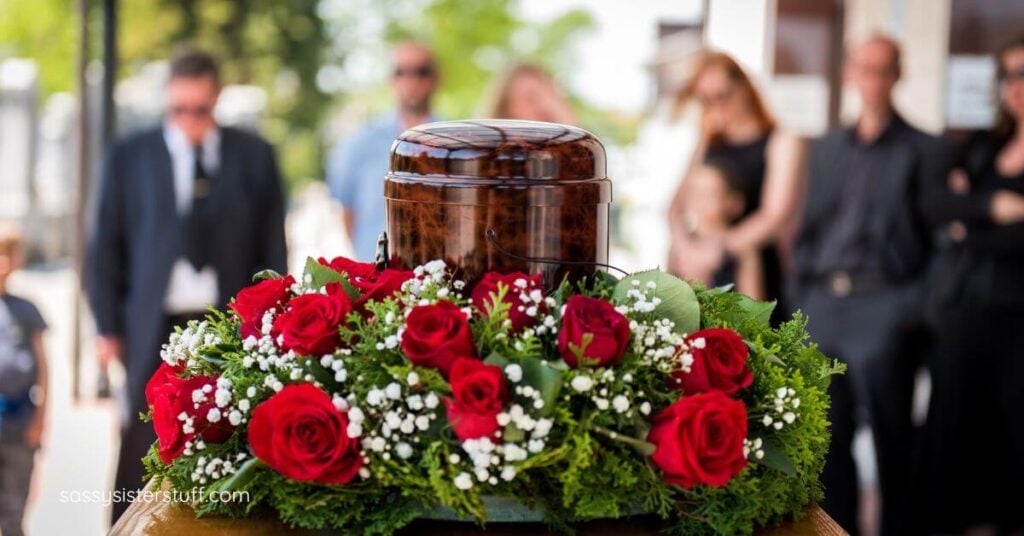
Cremation converts bodily remains into ashes, allowing families flexibility in memorialization. Many choose to place the ashes in an urn to store them at home or in a cemetery niche. This method accommodates those who prefer more personal or mobile remembrance.
Columbariums offer secure spaces for urns, often with engraved plaques or glass-front displays. Urns may reflect personal tastes, with countless designs, materials, and sizes available. Families find comfort in keeping their loved ones close or displaying the urn in a place of honor.
Definition Box
columbarium: a specialized, durable structure — often made of granite, marble, or brick — containing small, sealed niches designed to hold urns of cremated remains, providing a permanent, dignified resting place (Sassy Sister Stuff).
Ash Scattering Ceremonies
Ash scattering offers a symbolic farewell, allowing loved ones to return to places of personal meaning. Some choose to scatter ashes at sea, on mountaintops, or in private gardens. Legal permissions may be necessary depending on location, especially in public or protected areas.
Scattering ceremonies can be intimate or ceremonial, creating a shared experience among grieving family and friends. These events foster healing through storytelling, music, or prayer. They allow each person to say goodbye in a way that reflects the life that was lived.
For more information:
One World Memorials is an excellent resource to learn more about regulations for spreading ashes. There are many rules for this burial option so make sure you are well-informed.
Cremation Gardens and Memorial Spaces
Cremation gardens are beautifully landscaped areas in cemeteries that serve as resting places for ashes. These spaces include benches, sculptures, and plaques, creating a serene environment for remembrance. Some also offer communal memorials for those choosing not to use traditional urns.
With this guide on everything you need to know about cremation gardens, you can get an idea of how these peaceful spaces honor your loved one’s memory. Cremation gardens often reflect themes of life, growth, and legacy through their thoughtful design. Families appreciate the gentle, nature-filled settings that promote reflection and enduring connection.
Burial at Sea
Burial at sea lowers remains into the ocean, either whole or as ashes. This method honors naval service or personal connections to water through a solemn maritime ritual. This is only possible under specific legal regulations and often requires certified operators.
Families may choose military or civilian options, both of which include rituals of respect and remembrance. Biodegradable containers are common to comply with environmental standards. The vastness of the ocean offers symbolism and solace for many grieving hearts.
The United States Environmental Protection Agency is the authorizing agency that provides permits for burials at sea. You can learn more here if this is your preferred choice of burial.
Donation to Science
Some individuals choose to contribute to medical research or education through whole-body donation. After scientific use concludes, remains are typically cremated and returned to the family. This selfless choice supports advances in medicine, anatomy education, and scientific knowledge.
Families may find comfort in the knowledge that their loved one helped others even in death. Programs vary by region, so coordination should occur directly with approved institutions. The recipient organization usually covers the costs, easing financial burdens during emotional times.
Private Property Interment
Burial on private land is legal in many areas but requires compliance with local zoning laws. Families interested in this option should consult county offices or legal counsel for guidance. Proper documentation ensures future landowners are aware of burial sites.
This choice provides a deep sense of connection, especially for families with generational property or rural land. Privacy and intimacy allow for personal rituals without public limitations. However, families must plan for long-term care and access to the burial area.
Memorialization without Physical Burial
Not all tributes require burial or cremation placement to honor a loved one’s memory. Families may create digital memorials, plant trees, or establish charitable foundations. These alternatives emphasize legacy, service, or remembrance in ways that resonate with the deceased’s life.
Such memorials provide ongoing opportunities for reflection and celebration beyond traditional grave visits. They may include scholarship funds, named events, or creative tributes shared within the community. Each personalized approach gives grieving families a meaningful way to preserve memory and love.

Final Thoughts about Exploring Burial Options
Exploring burial options after losing a loved one requires time, care, and thoughtful consideration of personal values. This is one reason it can be beneficial to preplan your own funeral.
Preplanning your funeral is a proactive, thoughtful gift that removes significant emotional and financial burdens from loved ones during a difficult time. It ensures your final wishes are honored, prevents family conflict, and allows you to lock in current prices, shielding family from future inflation and high costs.
While grief feels heavy, understanding each possibility helps families make informed decisions grounded in dignity and respect. Whether through tradition or innovation, honoring the departed is a deeply personal journey.
Each burial path tells a story that reflects beliefs, memories, and the life once lived. The right choice offers comfort, continuity, and a sacred space for remembrance. Through love and awareness, families can find peace in knowing they honored their loved one well.
If you are dealing with end-of-life decisions, I invite you to review these related articles on Sassy Sister Stuff so you can find peace of mind with the knowledge you need at this difficult time.
- Pros and Cons of Hospice Care: My Personal Experience
- Your Elderly Parent Keeps Talking About Death… Here’s Why
- Caregiving Advice: Walking Through Anticipatory Grief
With light and love,
Susan