10 Smart Ways to Adapt Your House Cleaning Habits as You Age
✨Key Takeaways
Learn how to adapt your house cleaning habits as you age by using smart strategies, ergonomic tools, and simple habits that keep your routine more comfortable and manageable. Naturally, cleaning gets harder as we age because our bodies change. It’s important to listen to our bodies and make things simpler. Let’s build a new cleaning routine, use new strategies and tools, and take care of our bodies.
Life has a way of shifting beneath your feet as the years go by. The cleaning routine that felt effortless in your 30s and 40s may now leave you tired and sore, but that is completely normal. Your body and daily schedule naturally evolve over time, and your approach to housework should evolve right along with them. Learning how to adapt your house cleaning habits as you age is about finding smarter, kinder ways to care for your space so that you feel capable and confident every single day.
Let’s look at why cleaning gets harder as you age and how you can change your cleaning routine in ways that protect you but still get the job done!
Why Cleaning Gets Harder as You Age
Cleaning doesn’t necessarily get harder because you’re doing anything “wrong”—it gets harder because your body and energy naturally shift with age. Tasks that once felt automatic, like bending, lifting, scrubbing, or standing for long periods, can put more strain on joints, muscles, and balance. Vision changes can make it tougher to spot messes, and reduced grip strength can turn simple chores into tiring ones.
Understanding these changes isn’t about giving in; it’s about giving yourself grace. When you know why cleaning feels different, you can adapt your habits in ways that protect your body and make daily upkeep feel manageable again.
Now let’s look at 10 ways to adapt your house cleaning habits as you get older. Don’t stress about having to make changes to your longtime cleaning routine. Everyone needs to make changes as they age.
1. Listen to What Your Body Tells You
Your body sends clear signals when something needs to change. Back soreness after mopping the floor or knee pain after scrubbing the tub both tell you that your current routine needs a fresh look. These signals deserve your full attention because they are your body’s way of protecting you.
Pushing through pain to preserve old habits can lead to injury, which ultimately pulls you away from the activities you love. Many women in their 50s, 60s, and beyond find that adapting their cleaning approach helps them stay active and independent for much longer.
2. Break Your Tasks into Smaller, More Manageable Segments
A top-to-bottom cleaning marathon can feel overwhelming at any age, and it gets more exhausting as the years pass. Spreading tasks throughout the week takes the pressure off any single day and keeps your energy levels steady.
You might clean the bathroom on Monday and tackle the kitchen midweek, saving heavier work like vacuuming for a day when you feel your strongest. This rhythm keeps your home consistently clean without draining all your energy in a single afternoon. When a task feels like too much in the moment, move it to another day. A flexible schedule works far better than a rigid one.
Alternatively, divide your home into zones and tackle one zone per day. Look at this chart and see if it’s something that might work for you. If you can’t do something on the scheduled day, make a note of it so you can do it another day when you have more time or feel better.
| DAY OF THE WEEK | ZONE | NOTES |
|---|---|---|
| Monday | Kitchen | |
| Tuesday | Livingroom | |
| Wednesday | Bathroom | |
| Thursday | Main Bedroom | |
| Friday | Bedroom(s) |
3. Choose Tools Designed for Comfort and Ease
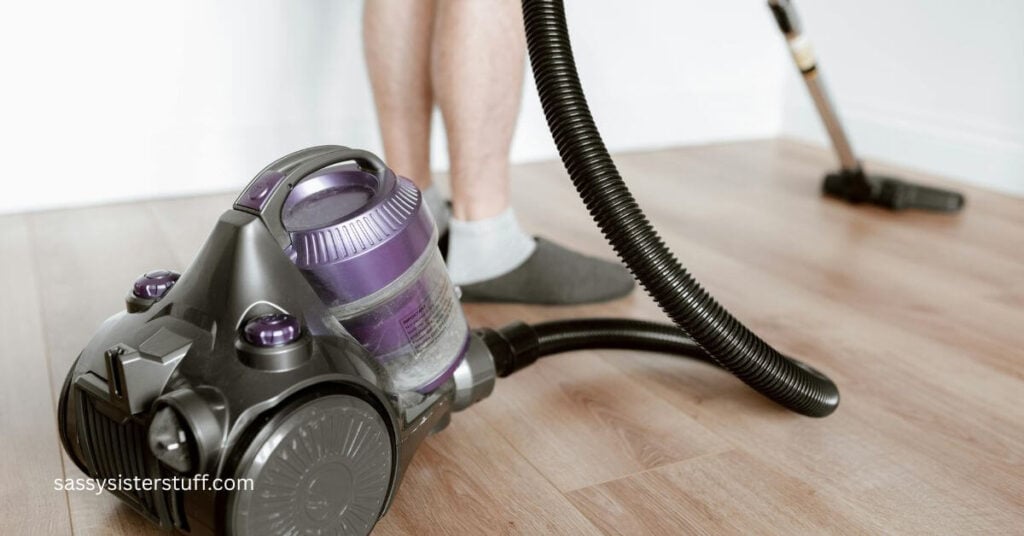
The right cleaning tools can turn a physically demanding chore into something far more manageable. Lightweight vacuums with swivel heads glide easily around furniture without requiring heavy lifting or awkward angles. Ergonomic mops with adjustable handles let you clean floors without straining your back.
Long-handled dusters and scrubbers extend your reach, helping you avoid climbing on stools or stretching uncomfortably. Cordless vacuums and mops also eliminate the frustration of managing cords from room to room. Spending more on well-designed tools today can protect you from real discomfort and unnecessary strain down the road.
4. Use a Rolling Cart for Supplies
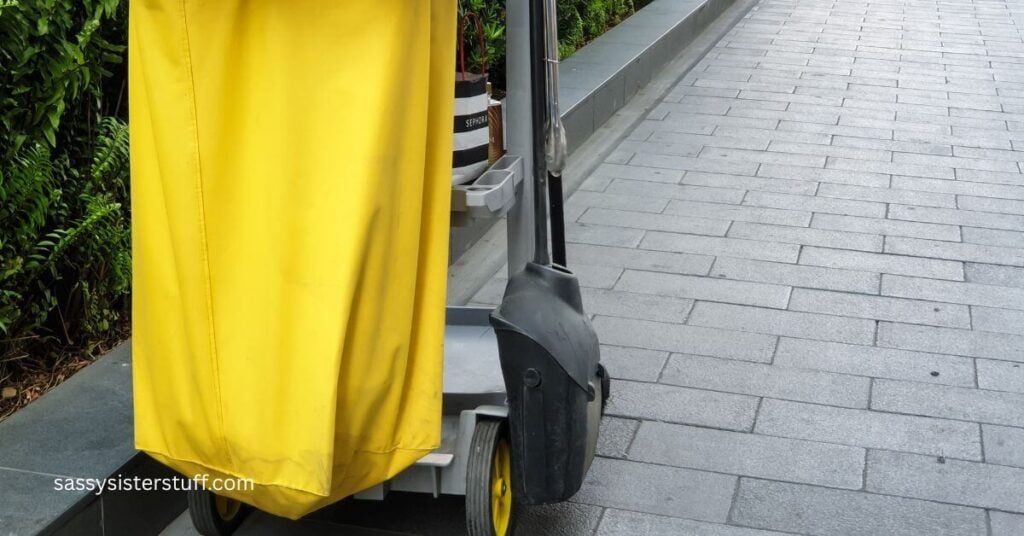
A rolling cleaning cart is one of the simplest ways to make housework easier as you age. Instead of carrying heavy bottles, bending for supplies, or making multiple trips from room to room, everything moves with you in one smooth glide. Choose a lightweight rack with sturdy wheels and wide, easy‑grab handles so it feels stable and effortless to maneuver.
Stock your cart with your most‑used items—microfiber cloths, an all‑purpose cleaner, a small duster, and trash bags—and keep it parked in a central spot. The goal is to reduce strain, save steps, and make cleaning feel more like a gentle routine than a physical challenge. A rolling rack turns “getting ready to clean” into a single, simple motion.
5. Rethink Where You Store Your Cleaning Supplies
Storing your cleaning supplies in the right spot can make every chore feel easier and less demanding. Products kept in a central, easy-to-reach location save you time and physical energy every day.
Avoid storing heavy bottles on high shelves or tucked deep inside low cabinets where you must stretch and bend to retrieve them. A rolling caddy keeps your most-used supplies within arm’s reach, helping you move from room to room as you work.
This same thinking applies to your outdoor spaces. Choosing the right shed for your yard gives you easy access to your outdoor cleaning supplies. Accessibility always comes first, no matter what you are storing.
6. Protect Your Body with Good Cleaning Habits
Good body mechanics matter whether you are vacuuming the living room or wiping down the kitchen counter. Keep your back straight while vacuuming rather than hunching forward, and use your leg muscles rather than your back when picking something up. Wear supportive, cushioned shoes while you clean, as standing on hard floors for extended periods can stress your joints.
Taking a short break every 20 to 30 minutes during longer tasks gives your muscles a chance to recover. You will finish feeling far better than if you had powered through without pausing, and your body will thank you the following morning.
7. Give Yourself Permission to Ease Up
Many women hold themselves to high housekeeping standards, and those standards can become a source of real stress as the years go by. Giving yourself permission to ease up on certain tasks is both healthy and practical. Your goal is a home that feels comfortable and clean enough to support your daily life, not one that meets a standard you set for yourself decades ago.
Focus your energy on the spaces you use most. The kitchen and the bathroom deserve consistent attention because they directly affect your daily health and comfort. Other areas of the home can follow a more relaxed schedule without affecting your well-being.
8. Ask for Help; Explore Professional Cleaning Services
Asking for help is a wise decision, not a sign of weakness. Many women find that hiring a cleaning service for deep cleaning tasks once or twice a month frees them from the most physically demanding work while keeping their home in excellent shape. Family members or trusted neighbors often welcome the chance to help with heavier tasks, such as washing exterior windows or moving furniture for seasonal cleaning.
Local resources for older adults include home maintenance assistance programs. Your local senior center or community organization can connect you with affordable support. Staying open to these resources protects your body and helps you avoid pushing past your physical limits.
9. Declutter Your Spaces and Surfaces
As we age, clutter becomes more than an eyesore—it becomes a tripping hazard, a stress trigger, and an unnecessary energy drain. Keeping your most‑used surfaces clean and clutter-free makes cleaning faster and far less overwhelming.
Start decluttering the spaces that traditionally collect everything: kitchen counters, bathroom vanities, nightstands, and entry tables. Keep only what you use every day within reach, and give everything else a designated home behind a door, in a drawer, or in a labeled bin. Get rid of collectibles and clutter that’s been sitting around for years.
The goal isn’t perfection; it’s ease. When your spaces are simplified and clutter-free, wiping down surfaces takes seconds, not minutes, and your home feels calmer and more manageable. A little decluttering today pays off in comfort and confidence later.
10. Build a Routine that Grows with You
A good cleaning routine is not something you set once and follow forever. It shifts and adapts as your body and your life change, and that flexibility is a true strength. Review your routine every few months and make honest adjustments wherever you feel unnecessary fatigue or strain.
What works for you this year might need a little tweak next year. A routine built around your current needs will always serve you better than one you maintain out of habit alone. Your home should feel like a place of comfort and rest, and your cleaning routine should reflect that.
Frequently Asked Questions about Cleaning Your Home as You Age
Final Thoughts
Your home is your sanctuary, and caring for it should feel sustainable rather than exhausting. Learning how to adapt your house cleaning routine as you age is a reminder that adjusting your approach is a sign of wisdom, not limitation.
When you update your tools, organize your supplies for easier access, pace yourself throughout the week, and welcome help when you need it, you can live a more comfortable life at home. Your routine should support your well-being every single day, and you deserve nothing less.
For further reading about managing your home as you get older, check out these articles next:
- Simple Home Upgrades That Support Healthy Aging
- Simple Ways to Make Every Room in Your Home Feel Calm and Inspirational
- How Midlife Women Can Feel More Independent and Capable at Home
With light and love,
Susan 💜