
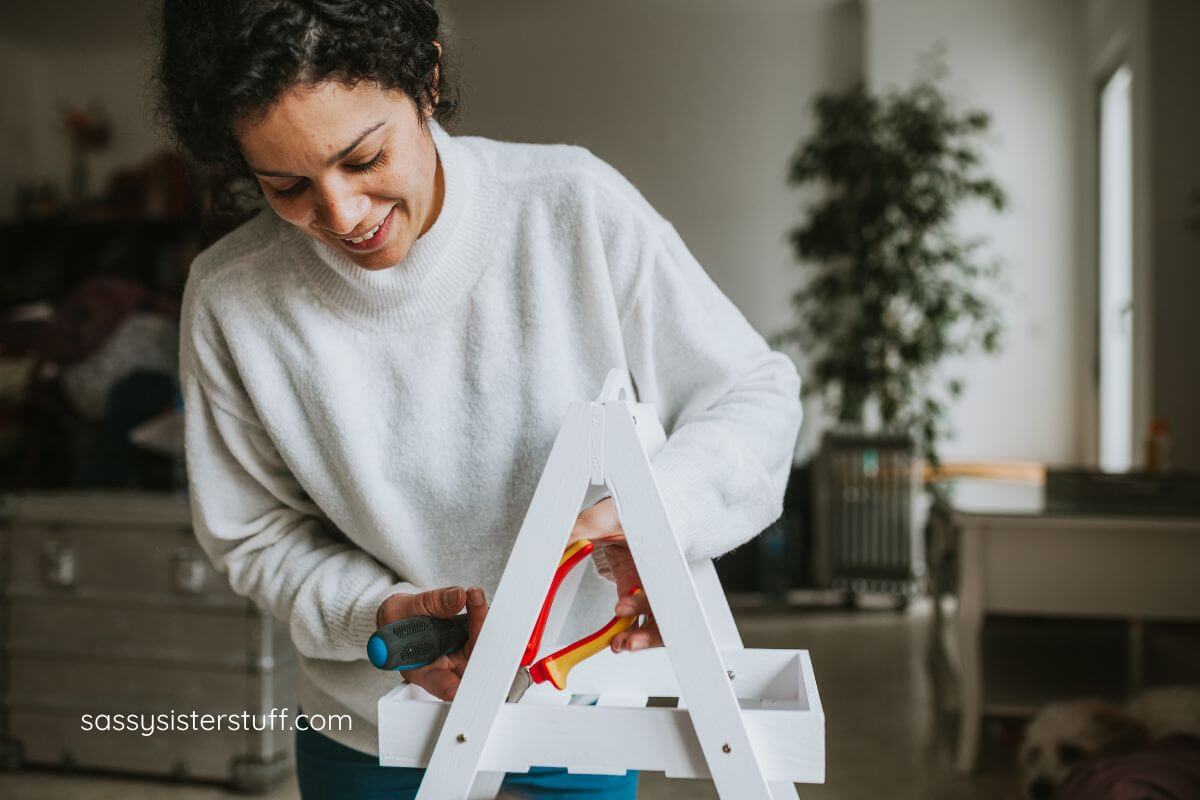
How Midlife Women Can Feel More Independent and Capable at Home
Feeling confident and capable at home isn’t just about doing chores or fixing things — it’s about trusting yourself, building new skills, and embracing a mindset that empowers you every day.
Life throws us challenges, and some of the most rewarding ones are the ones we solve ourselves. Whether it’s handling daily maintenance, tackling unexpected repairs, or improving your living space, there’s deep satisfaction in building your confidence at home.
That’s why it’s so important to focus on learning practical skills that empower you to feel more independent and capable at home. With the right mindset and a willingness to try, you’ll find new ways to care for your space and yourself.
Below, we’ll explore how to foster independence with home projects, boost your problem-solving skills, and approach repairs with confidence.
*This post may contain affiliate links. If you click a link and make a purchase, I may earn a small commission at no extra cost to you.*
Build Self-Confidence Through Research and Practice
A lot of home maintenance knowledge comes from trial and error, and it isn’t easy to find one single resource that teaches you everything you might possibly encounter during repairs. That said, when a repair task you want to tackle comes up, don’t hesitate to learn as much as you can before you start.
For example, learning why you should use flexible drill bits for electrical work can help you do the job safely. Similarly, looking into what pieces you need to install a bidet beforehand can help you avoid back-and-forth trips to the hardware store.
Generally, spending at least an hour or two researching the task before you try it can help you make decisions with confidence and clarity—even if that decision does end up being to hire a pro. Every hour you spend learning will make you feel more independent and capable at home the next time something similar comes up.
YouTube is an excellent resource for learning new skills for household projects. My husband uses it frequently to learn how to repair things he is not familiar with about the house.

Build a Home Maintenance Toolkit
Every aspiring do-it-yourselfer needs the right tools. You don’t need a workshop full of fancy gadgets, but having basic equipment on hand can make all the difference.
Start With Essentials
Focus on items you’ll use often. A claw hammer, multi-bit screwdriver, measuring tape, utility knife, and pliers are great starting points. Add a power drill if you’re comfortable with it, as it’s one of the most versatile tools for home jobs.
Once you’re tackling more tasks, you may want elbow grease-savers like a socket wrench set, an adjustable wrench, or even a stud finder.
Keep It Organized
Staying organized ensures you can reach for the right tool when you need it, saving you both time and stress. A toolbox or wall-mounted storage system works wonders for keeping things tidy.
Learn Core Skills To Handle Common Tasks
Learning a few basic repair and maintenance skills can help you approach new problems with self-assurance.
Understand Basic Plumbing Fixes
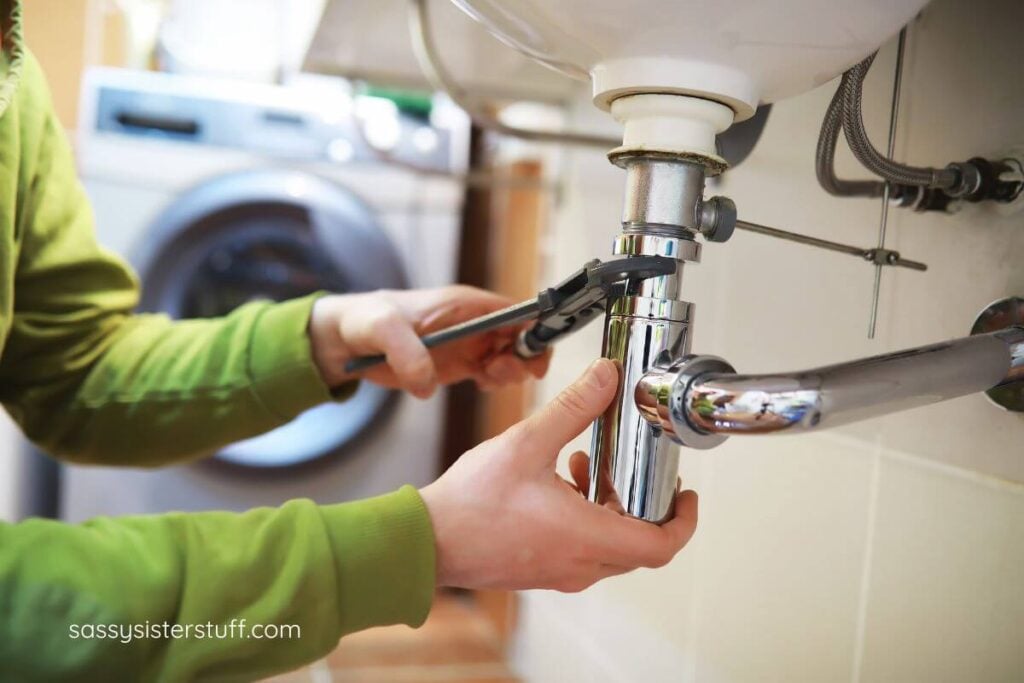
Leaking faucet? Clogged drains? With a wrench and a few tutorials, these are tasks you can learn to deal with on your own. Make sure to familiarize yourself with the shut-off valves in your home beforehand—that’s a key piece of knowledge. Keep plenty of towels on hand and practice handling wet valves and knobs. Most repairs come down to tightening wet closures, so once you’ve nailed that, you can handle a lot of plumbing problems!
Try Your Hand at Carpentry
Simple woodworking skills are invaluable. From fixing a shaky chair to installing shelves, cutting and securing wood is something anyone can learn with practice. Start small by learning to use basic tools like saws and sanders. Building a picture frame or a standing garden box can be a great way to get to know your tools.
Brush Up on Painting Skills
Painting is a cost-effective way to transform any space. Learning to prep surfaces and apply paint evenly can boost your confidence to tackle bigger projects, like custom murals or furniture paint jobs.
Pin to your Sassy Sister Stuff Pinterest Board for Helpful Reminders:)
Adopt a Proactive Approach to Maintenance
Procrastination is every homeowner’s worst enemy. Small problems quickly snowball into bigger, more expensive ones. Learning to stay ahead of potential repairs can prevent major headaches down the road.
Inspect Regularly
Set reminders to check areas like windows, doors, gutters, and plumbing fixtures a few times a year. Look for wear and tear or small leaks that could become larger issues.
Seasonal To-Do Lists
Each season calls for specific upkeep. Clean gutters in the fall, inspect your heating system before winter, and handle landscaping in the spring. By spreading out tasks, you’ll keep your home in good shape year-round and avoid feeling overwhelmed.
Strengthen Your Problem-Solving Skills
Research, practice, and tools will take you far, but the most valuable asset for becoming more independent at home is your mindset.
Start Small and Build Confidence
Don’t feel pressured to take on big projects right away. Fixing a running toilet or patching a small hole in the wall can help you build confidence step by step. Over time, you’ll notice how much easier it feels to experiment and improve your space at your own pace.
Celebrate Progress Over Perfection
Not every project will turn out flawlessly, but every attempt teaches you something valuable. Even if you make mistakes, you’re gaining experience that will serve you well in future projects.
Know When To Call A Professional
A big part of independence is learning to recognize your limits. If a problem seems unsafe or too complicated, calling in a pro is a perfectly wise decision. After all, independence doesn’t mean doing everything alone; it means being informed enough to know your options.
Commit to Lifelong Learning and Growth
To truly thrive as someone capable at home, view every project as an opportunity to learn. Whether it’s mastering a new technique or understanding an unfamiliar material, challenging yourself keeps you sharp.
Take Classes or Workshops
If you enjoy hands-on learning, local hardware stores often offer workshops on tasks like tiling, plumbing basics, or power tool safety. These group lessons can be great ways to build both skill and confidence.
Explore Online Resources
Platforms like YouTube or home improvement blogs offer tutorials for just about any home project. Follow creators who break tasks into digestible steps and encourage their audience to keep learning.
Join a Community
Engaging with others who enjoy home improvement can be inspiring. Social media groups or neighborhood clubs often offer tips, encouragement, and opportunities to share your own experiences.
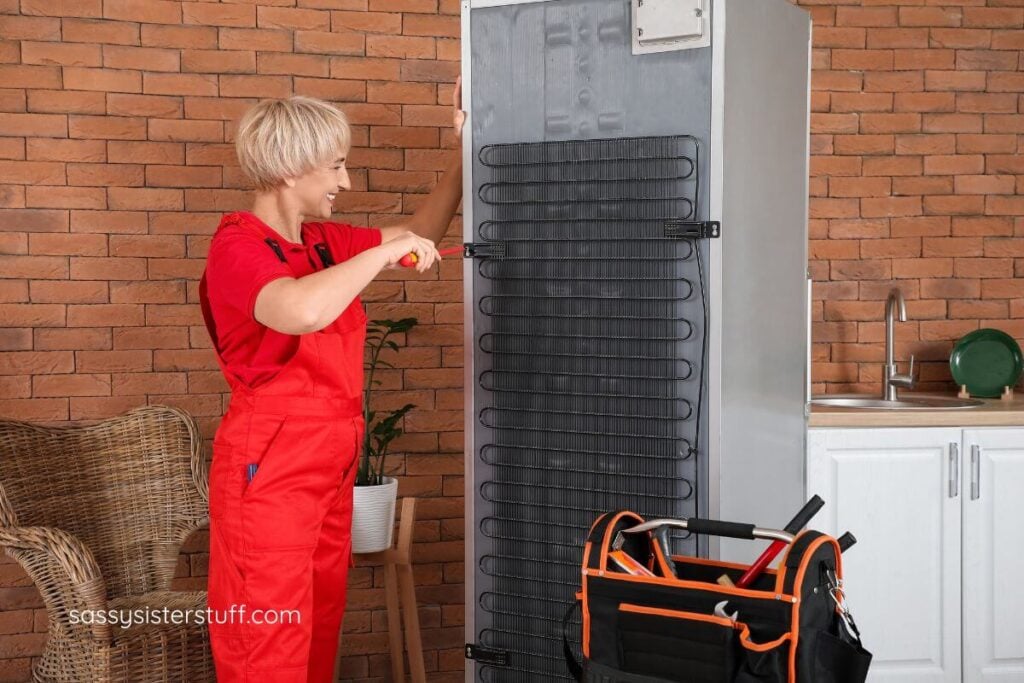
Final Thoughts: Feel More Independent and Capable at Home
Becoming proficient and independent at home is a process. Some challenges will test your patience, but the knowledge you gain will increase your sense of independence and pride.
By focusing on tools, skills, and mindset, you’ll discover how to become more independently capable at home, tackling tasks with courage, curiosity, and clarity.
Check out these Related Articles about your HOME
- 17 Valuable Tips to Help You Prepare for Responsible Homeownership
- Overwhelmed by Clutter? How to Reclaim Control Without Losing Your Mind
- Midlife Makeover: Simple Ways to Refresh Your Living Space
Love to ALL! ~ Susan