
What Hygge Means and How the Lifestyle Can Enrich Your Life
✨At a Glance
Have you ever heard of the Danish idea of hygge? It could help you live a peaceful, cozy lifestyle like they do in many European countries! Here, we explain what hygge means and how it can enrich your life through small, intentional changes.
Hygge, pronounced “hoo-gah,” is a Danish idea that points to comfort, warmth, togetherness, and a quiet sense of contentment. It has no perfect English translation, but many people describe it as the feeling of being safe, settled, and fully present in a simple moment. For women navigating midlife, retirement, caregiving, changing family roles, health shifts, or new personal priorities, the hygge lifestyle can offer a gentle way to create more ease without adding pressure.
At its heart, hygge is not about buying the right blanket, copying a perfect room, or turning life into a staged photograph. It is about noticing what helps you feel grounded. Below, we’ll explain what hygge means and how it can enrich your life.

What Hygge Means
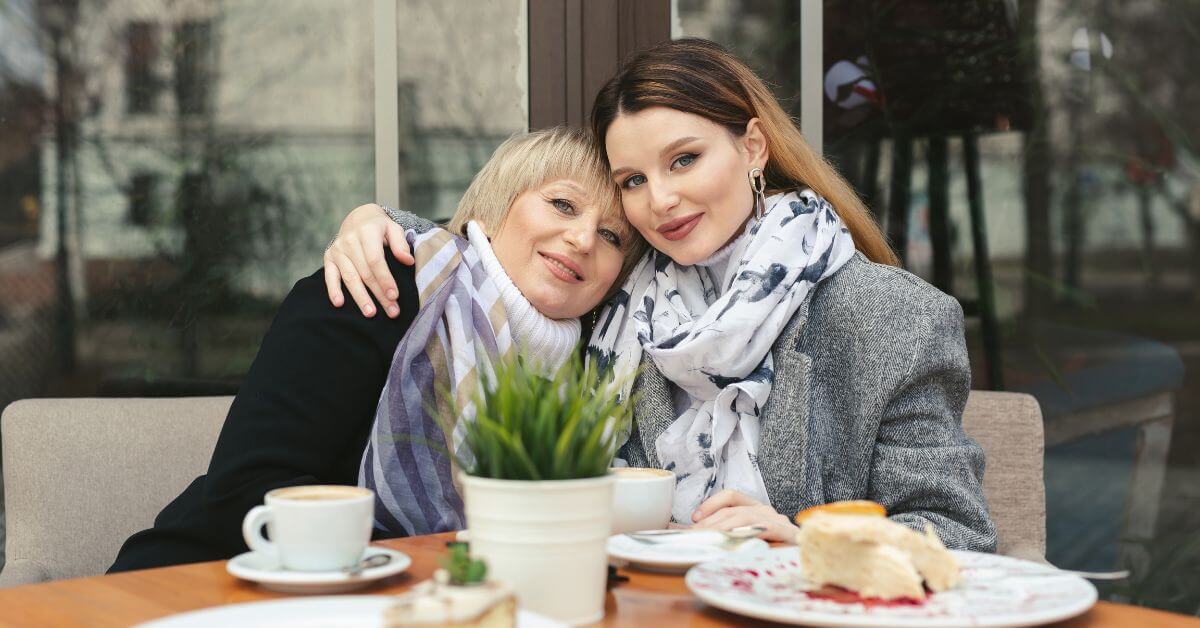
Hygge comes from the Danish culture, where coziness, companionship, and simple pleasures play an important role in daily life. It’s a feeling connected to coziness, togetherness, home design, simple family gatherings, and calm nights away from daily stress. It’s also a way to connect with small joys, familiar surroundings, candlelight, shared meals, and relaxed company.
This matters because hygge gives people permission to value small moments. Many women spend decades taking care of other people, managing households, supporting careers, helping children, caring for parents, volunteering, and holding family traditions together. Hygge reminds you that your comfort, rest, and sense of peace deserve attention, too.
Why Hygge Fits This Stage of Life
Now that we know what hygge means, how can this Danish philosophy enrich your life? Midlife and later life can bring freedom, but they can also bring adjustment. Children may leave home, friendships may change, retirement can shift identity, and health needs may require new routines. A home that once felt busy may begin to feel too quiet, or a calendar that once felt full may need a new rhythm.
Hygge does not erase midlife and later changes, but it helps soften them. It encourages you to build rituals that support emotional steadiness.
Instead of waiting for a vacation, a major celebration, or a perfect season of life, hygge invites you to find comfort in what already exists: a favorite chair, a handmade quilt, a peaceful morning, a familiar recipe, or a conversation that leaves you feeling understood.
Creating a Hygge Home
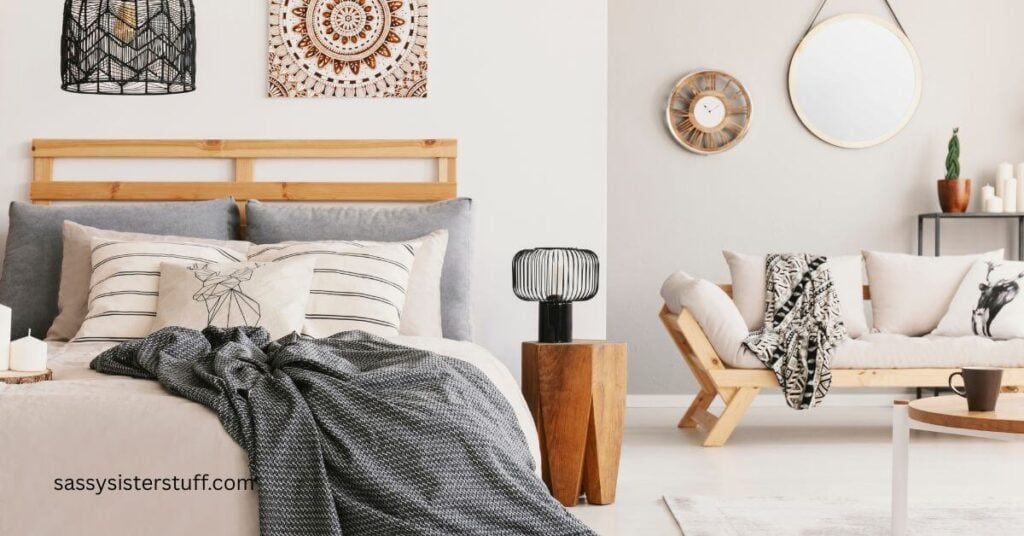
Embracing the hygge philosophy is a great tip for creating a relaxing home. A hygge home does not need expensive furniture or a complete makeover. It needs warmth, usefulness, and personal meaning. Soft lighting can make a room feel calmer, a tidy corner can become a reading nook or a calming corner, and a table set with care can turn an ordinary meal into a moment of connection.
Texture also makes a difference. Cotton throws, wool socks, smooth mugs, woven baskets, and natural wood can create a feeling of comfort through touch. Plants, fresh air, and uncluttered surfaces can help a space feel lighter.
Hygge and Emotional Well-being
Hygge supports your well-being by encouraging presence and mindfulness. When you slow down long enough to notice the steam rising from soup, the sound of rain, or the comfort of clean sheets, you give your nervous system a chance to settle. These small pauses can help break the habit of rushing from one responsibility to the next.
This does not mean every moment must feel calm or cheerful. Life brings grief, uncertainty, frustration, and loneliness at every stage. Hygge simply creates pockets of steadiness inside real life. It says that comfort can sit beside difficulty, and that a peaceful moment still counts even when the day has been hard.
Simple Hygge Rituals for Everyday Life
Morning can become a natural place to practice hygge. Rather than starting the day with noise, hurry, or a long list of demands, you might sit near a window with coffee, stretch gently, read something encouraging, or write down one thing that feels manageable. The ritual does not need to last long. It only needs your attention.
Evening offers another chance to create calm. You might lower the lights, play soft music, prepare a simple dinner, call someone you love, or enjoy a familiar show without multitasking. This allows you to close the day with a sense of care.

Hygge Through the Seasons
Many people associate hygge with winter because candles, blankets, soup, and warm drinks naturally fit cold weather. Winter hygge can help during darker months, especially for anyone who feels less energetic or more isolated when daylight fades. A cozy evening routine can give structure and comfort when the season feels long.
Hygge also belongs to spring, summer, and autumn. In spring, it may look like opening windows, arranging fresh flowers, or enjoying tea on the porch. In summer, it may mean a shaded chair, iced tea, a simple picnic, or a slow walk at sunset. In autumn, it may return through baked apples, warm sweaters, changing leaves, and early evenings with family or friends.
Hygge and Connection
Hygge values togetherness, but it does not require a crowd. One good conversation can feel more nourishing than a packed social calendar. A shared meal with a neighbor, a video call with a grandchild, a craft afternoon with a friend, or a quiet movie night with a spouse can all create a sense of belonging.
For women who live alone, hygge can still feel deeply meaningful. Connection can include a pet, a faith community, a book club, an online group, a handwritten letter, or a regular call with someone who listens well. Hygge asks you to create contact that feels warm rather than draining.
Pin to your favorite Pinterest Board for Later
Hygge Without Perfection
One of the most helpful things about hygge is that it resists perfection when people practice it honestly. A chipped mug can still hold good tea, a small apartment can still feel welcoming, a simple meal can still bring comfort, and a quiet night can still restore you.
This makes hygge especially useful for women who feel tired of comparison. You do not need a flawless home, a matching set of dishes, or a designer room to experience comfort. You need permission to honor what feels peaceful, useful, and true to your life.
Bringing Hygge into Personal Growth
Personal growth does not always require big goals or dramatic reinvention. Sometimes growth begins when you learn to treat yourself with more kindness. Hygge can support that shift because it turns self-care into something practical and repeatable.
You might begin by asking one simple question each day: What would make this moment feel a little more comforting? The answer may be rest, movement, order, beauty, prayer, silence, laughter, or companionship. Over time, those answers can teach you what you need in this season of life.
Frequently Asked Questions about What Hygge Means and How it Can Enrich Your Life
Conclusion: Enrich Your Life One Small Moment at a Time
Hygge means comfort, connection, warmth, and presence. It can enrich your life by helping you create a calmer home, stronger rituals, deeper relationships, and a kinder approach to change. It does not ask you to escape real life or pretend every day feels easy, but to notice where peace already has room to grow.
For middle-aged and senior women, the hygge lifestyle can become a steady source of wellbeing through simple choices: soft light, meaningful conversation, quiet routines, seasonal pleasures, and spaces that help you breathe easier. When you welcome hygge into daily life, you make room for comfort that feels honest, personal, and lasting.
If this sounds like something you want to explore more, we have an extensive article here on Sassy Sister Stuff to read next:
For similar lifestyles, you can also check out these related articles:
- What is Slow Living? 7 Principles to Simplify Life & Create More Joy
- What is Living Aware? The Benefits of Conscious Living
Enjoy this quality lifestyle, my friend! I’ve tried to bring many of the practices into my world but it takes patience, intention, and a genuine desire for calm so I keep working at it!
With light and love,
Susan 💜