Essential Everyday Tips for Older Women Living Independently
✨Key Points:
Here you will find essential everyday tips for older women living independently who want to live with confidence and ease. Learn to build healthy habits and create a safer, more comfortable everyday life. Plus, print a downloadable checklist to help you work through the tips.
Living independently offers something truly special: the freedom to make your own choices and enjoy life on your terms. However, growing older also brings changes that can make everyday responsibilities feel a little more challenging.
Whether you’re adjusting to an empty nest or navigating retirement, maintaining independence takes thoughtful planning.
The good news? You don’t need to change your lifestyle to feel completely more comfortable and confident. Small adjustments can make everyday routines easier while helping you protect your health and personal freedom.
These practical tips for older women living independently can help you embrace this chapter of life with greater confidence and peace of mind.

Create a Daily Routine That Feels Manageable
A dependable routine can bring structure to your day without making life feel overly scheduled. Start by identifying the activities that matter most to you, such as morning walks or relaxing hobbies.
Give yourself enough time to complete everyday responsibilities without rushing. A comfortable pace can make even busy days feel more manageable.
Remember that your schedule should reflect your personal needs rather than someone else’s expectations. Some days might call for extra activity, while others offer opportunities to rest.
Allow yourself flexibility when your energy changes. Independence means having the freedom to decide how you spend your time.
Stay Active in Ways You Actually Enjoy
Physical activity plays an important role in maintaining strength and everyday mobility. Fortunately, staying active doesn’t require an expensive gym membership or an exhausting workout schedule.
Walking through your neighborhood, gardening, or joining gentle fitness classes can help you stay active. Choose activities that match your abilities and bring genuine enjoyment.
Consider incorporating simple exercises that support balance and flexibility. Gentle stretching can ease stiffness, while appropriate strength exercises help maintain muscle function.
If you have health concerns or haven’t exercised recently, consult your healthcare provider before starting a new routine. Consistency matters more than pushing yourself beyond your comfort level.
Make Your Home Work for You
Your home should support your lifestyle, not create unnecessary challenges. As your needs change, consider making small improvements that simplify daily activities.
Better hallway lighting can improve visibility, while easy-to-reach storage reduces unnecessary bending or stretching. Even rearranging frequently used household items can make a noticeable difference.
Pay particular attention to areas where slips or falls might occur. Many older women who fall experience hip fractures, with 88% of older women’s hip injuries in an ER being caused by a fall. (PubMed)
Remove loose rugs, keep walkways clear, and consider installing grab bars near the shower. Age-proof your home as you grow older, and live a lifestyle that supports aging. For more information about age-proofing your home, check out this article on our sister website, 21 Simple Ways to Make Home Safe for Senior Citizens. (You may not be a senior citizen yet, but you can use these ideas to prepare. 😉)
These simple home modifications and balance exercises can help older adults reduce their fall risk. Follow simple precautions to support your independence without sacrificing comfort.
Stay Connected With Friends and Your Community
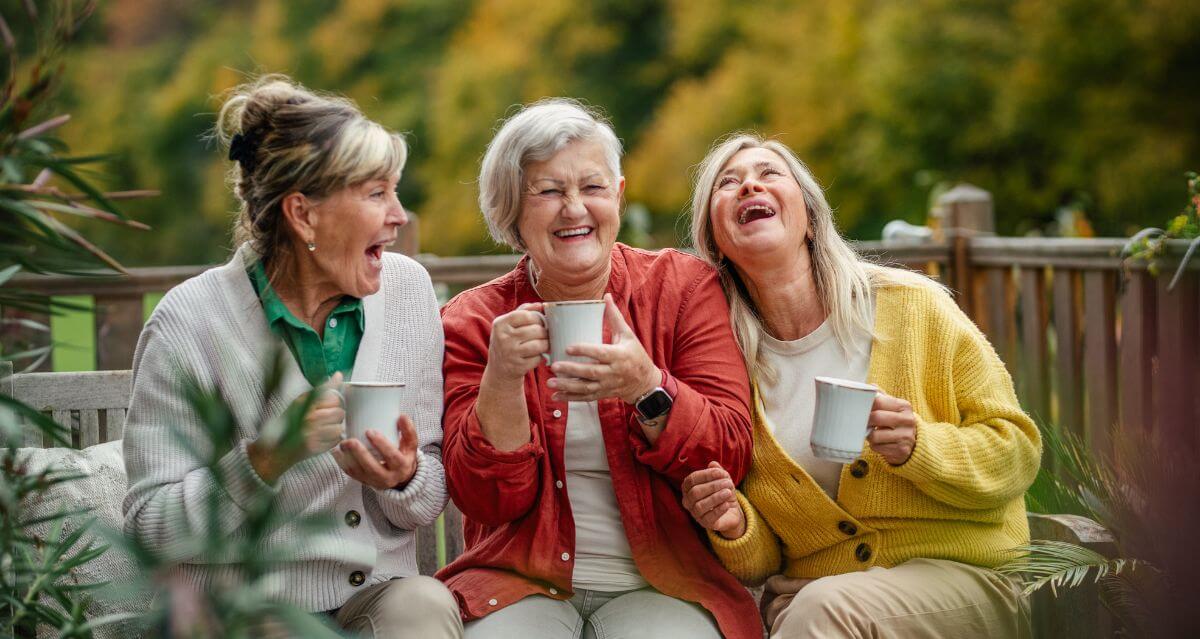
Living independently doesn’t mean you have to handle everything alone. Maintaining meaningful relationships can improve your emotional well-being and make everyday life more enjoyable.
Regular conversations with friends give you chances to share experiences and receive encouragement. Even a quick phone call can brighten an otherwise quiet afternoon.
Look for opportunities to build new connections through activities that interest you. Local libraries often host community programs, while recreation centers may offer classes specifically for older adults.
Volunteering can also provide a rewarding sense of purpose. These experiences help you develop friendships while keeping your social life interesting.
Keep Your Transportation Reliable
Having dependable transportation makes independent living much easier. Whether you’re visiting friends or running errands, knowing you can travel safely provides valuable peace of mind.
Regular vehicle maintenance helps reduce unexpected problems that might interrupt your plans. Watch for unusual sounds or dashboard warning lights. Find a mechanic who is reliable, knowledgeable, and trustworthy.
Tire maintenance deserves particular attention because your tires directly affect vehicle safety. Checking tire pressure and monitoring tread wear can help you identify potential concerns early.
Learning what every driver should know before visiting a tire shop can also help you approach maintenance appointments with more confidence. Don’t hesitate to ask technicians questions about their recommendations.
It’s also wise to consider transportation alternatives before you need them. Familiarize yourself with local rideshare services such as my favorite one, Uber, or community transportation programs.
Having another option can make appointments and social outings easier when you prefer not to drive. (Did you know you can find rideshare services like Uber in rural areas?)
Take Control of Your Everyday Finances
Financial confidence can make independent living feel considerably less stressful. Start by reviewing your monthly expenses and identifying areas where you might simplify spending.
A realistic budget should account for essential household costs while leaving room for enjoyable activities. You deserve to experience life, not just pay bills.
When you can, set aside money for unexpected repairs or medical expenses; reviewing automatic payments can also help you identify subscriptions you no longer use.
If financial decisions feel overwhelming, consult a qualified financial professional who can explain your options. Taking an active role in managing your money supports long-term independence.
Use Technology to Simplify Daily Tasks
Modern technology offers practical tools that can make independent living more convenient. You don’t need to become a technology expert to enjoy these benefits.
Start with one or two features that address everyday challenges. Once you feel comfortable, gradually introduce additional tools that fit your lifestyle.
Consider these helpful options:
- Medication reminders: Set phone alerts to help you maintain your medication schedule.
- Video calling: Stay connected with loved ones who live farther away.
- Online grocery ordering: Reduce the physical effort of carrying heavy shopping bags.
- Smart home devices: Control compatible lights or thermostats without moving between rooms.
Take your time learning unfamiliar features, and ask someone you trust for assistance when necessary. Use strong passwords and avoid sharing sensitive information with unexpected callers or messages.
Technology should make your life easier, not create additional frustration. Choose tools that offer genuine convenience.

Prioritize Your Emotional Well-Being
Life changes can bring complicated emotions, even when those changes create exciting opportunities. Retirement might offer freedom while also changing your sense of purpose.
Adult children moving away can create more personal time but leave your home feeling unusually quiet. Acknowledging these feelings allows you to approach transitions with greater self-compassion.
Make room for activities that support your emotional health. Journaling can help you grow and process difficult thoughts, while creative hobbies offer opportunities for personal expression.
If sadness or anxiety begins interfering with everyday life, consider speaking with a mental health professional. Seeking support demonstrates self-awareness and helps you protect your quality of life.
Know When to Ask for a Helping Hand
Independence doesn’t require doing every household task without assistance. In fact, recognizing when you need support can help you maintain your freedom longer.
Hiring someone for demanding yardwork or requesting help with heavy furniture can prevent unnecessary strain. Think of these decisions as practical investments in your well-being.
Create a small network of trusted people you can contact when unexpected situations arise. Keep important phone numbers somewhere accessible, and consider arranging occasional check-ins with a friend or relative. A little support can make independent living more sustainable.
Embrace Independence With Confidence
Growing older doesn’t mean giving up the activities or experiences that make life meaningful. Instead, this stage offers an opportunity to reconsider your priorities and create routines that better reflect your needs.
Most importantly, remember that independence looks different for everyone. You don’t have to meet anyone else’s definition of what aging should look like. Focus on the choices that help you feel comfortable and fulfilled.
Aging Alone: Safety and Support Checklist
I think we’ve covered everything, but this chart condenses a lot of quality information for your use. I’ve also included a downloadable copy for you to print and use as a checklist while you are working to improve your independent lifestyle.
Home Safety & Fall Prevention
| Check | Action | What to do |
|---|---|---|
| ☐ | Remove hazards | Clear throw rugs, secure loose electrical cords, and add non-slip mesh rubber liners under bath mats. |
| ☐ | Improve lighting | Install motion-sensor night lights along the path from your bedroom to the bathroom. Add high-contrast tape to the edges of steps and thresholds. |
| ☐ | Add bathroom support | Install grab bars in the shower and near the toilet. Keep a small reacher tool in key rooms so you can avoid standing on chairs. |
| ☐ | Wear an alert system | Consider a home medical alert device or wearable fall detector. Keep your charged cell phone within arm’s reach. |
Daily Routines & Health Management
| Check | Action | What to do |
|---|---|---|
| ☐ | Simplify medication | Use an automated, timed pill dispenser with alarms or a locked organizer to help prevent missed doses or accidental double-dosing. |
| ☐ | Stay hydrated and nourished | Drink water throughout the day. Batch-cook simple meals or freeze portions so you don’t have to cook from scratch every day. |
| ☐ | Maintain functional strength | Practice simple, consistent exercises, such as gentle chair-to-stand squats or balance exercises, to support your mobility. |
| ☐ | Keep emergency contacts close | Write important phone numbers in large print or set up quick-dial voice commands on your phone. |
Building a Support Network & Avoiding Isolation
| Check | Action | What to do |
|---|---|---|
| ☐ | Check in daily | Set up a daily phone call with a friend, neighbor, or family member. You can also look for a local telephone reassurance program. |
| ☐ | Connect with neighbors | Build friendly relationships with people nearby so you can watch out for one another. |
| ☐ | Use local resources | Contact your regional Area Agency on Aging about community transit, meal delivery, and in-home support. For more planning ideas, review Aging Alone with No Family and strategies from The Washington Post. |
| ☐ | Watch out for scams | Never rush into financial decisions over the phone. Hang up if someone pressures you for money or impersonates a family member. |
Click on the pretty pink button to download and print your checklist.
FAQs: Tips for Older Women Living Independently

Final Thoughts: Tips for Older Women Living Independently
Living independently as an older woman involves balancing freedom with proactive safety, social connection, and smart daily routines.
With practical habits and a willingness to adapt, you can approach an independent life as an older woman with confidence and optimism.
For more articles about life as an older woman, read these related articles next:
- The Power of Reflection: 25 Questions to Find Your True North in Midlife and Beyond
- How To Feel Confident Dining Alone After 50 One Small Step at a Time
- Finding Your Tribe: How to Build a Support System to Help Reduce Stress
- Finding Yourself Again in Midlife When Life No Longer Fits
With love and light,
Susan 💜