

How To Feel Confident Dining Alone After 50 One Small Step at a Time
✨ At a Glance
Can you enjoy a restaurant alone without feeling watched? Use a few low-pressure strategies to discover how to feel comfortable walking into a restaurant alone. From the hostess stand through the final bite, you’ll never feel those nerves again. We’ve got you covered with step-by-step strategies to make eating alone downright enjoyable.
Dining alone after 50 can feel strangely intimidating, even if you are used to doing plenty of things on your own. Walking into a restaurant and asking for a table for one may somehow feel more noticeable than it really is.
Perhaps retirement or an empty nest has changed your usual routine. Maybe a divorce or loss has changed whom you normally eat with. A move can do the same. Or perhaps you simply want the freedom to enjoy a meal when no one else is available. Whatever your reason, eating out alone is a practical form of independence, and it becomes much easier with a little preparation.

Why a Table for One Can Feel Unfamiliar
Restaurants are usually treated as places to socialize, which can make arriving alone feel more noticeable than it really is. Most diners are caught up in their own meal, but that does not always quiet the nerves.
Evening meals can feel especially uncomfortable because feeling watched or judged is hard to shake, even when everyone else is focused on their own table. You do not have to wait until every uneasy feeling disappears. The first few outings become easier when you lower the stakes and choose a setting that feels comfortable.
1. Start With a Smaller Outing
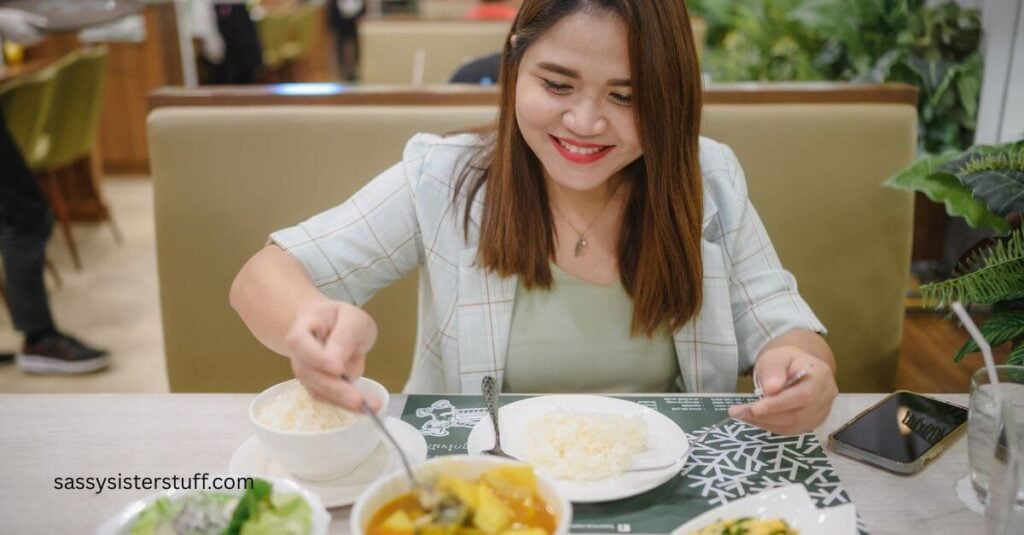
Dinner can feel more formal than other meals. If it seems like too much for a first outing, begin with coffee or lunch. Even a twenty-minute café visit lets you practice walking in and ordering for yourself. You will also learn what it feels like to sit there without a companion.
Choose a day when you are not rushed, and give the outing a simple purpose. You might stop for lunch after an appointment or have coffee while running errands. When the visit is tucked into an ordinary day, it feels more like a normal choice and less like a test of confidence.
2. Choose a Restaurant That Feels Easy
The right setting does a lot of the work for you. For your first few outings, compare the different types of restaurants before deciding where to go. A casual café or counter-service spot may feel easiest because you can settle in without feeling rushed.
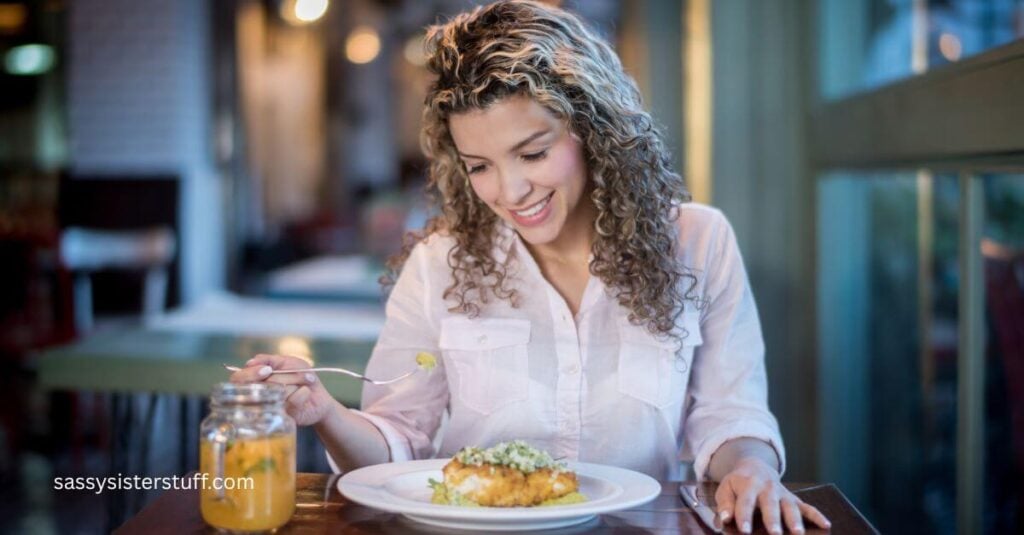
Choose a place with comfortable seating and a menu you already know. Counter service removes the wait for a server, while a café often welcomes people who are spending time alone. In a full-service restaurant, a seat near a window or at the bar can feel less exposed than a table in the center of the room.
3. Plan Your First Five Minutes
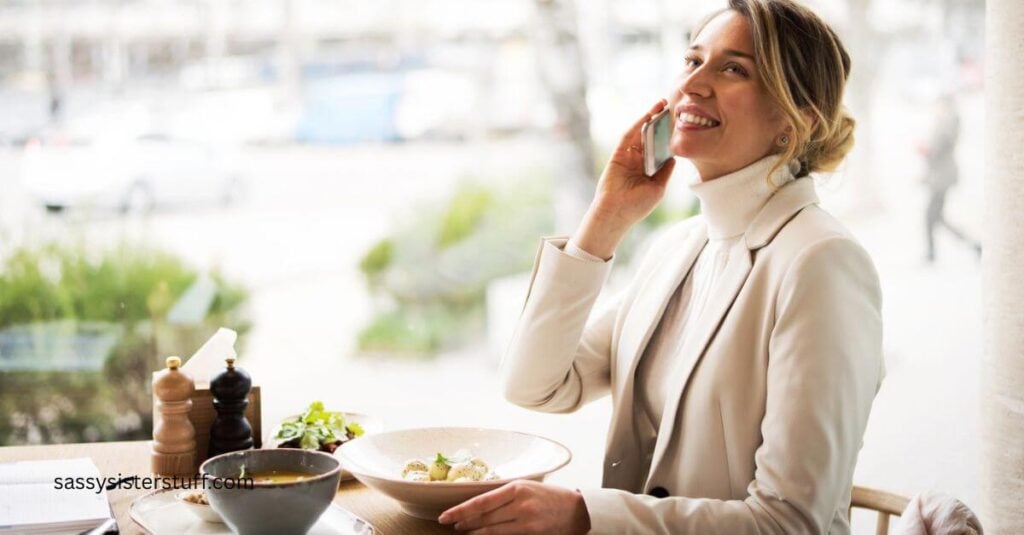
The arrival is often the part people imagine most, so decide in advance what you will say. A calm, simple “A table for one, please” is enough. You do not need to explain that a friend canceled or that you are waiting for someone.
You can also request a seat that suits you: “Could I sit near the window?” or “Is there a quieter table available?” Once seated, put away your bag and open the menu. Then take a slow look around. A small routine gives those first few minutes some structure while you settle in.
4. Bring Something You Enjoy
A book or notebook can give you a comfortable point of focus while you wait. Bring one if you actually enjoy it, not because you feel obligated to look busy. Your phone can serve the same purpose. There is also nothing wrong with simply looking around and enjoying your drink.
Once you feel settled, try putting your phone away for part of the meal. Notice one thing you enjoy about the room. It might be the music or the view outside. Paying attention to where you are helps the outing feel like an experience you chose rather than time you had to push through.

5. Order What You Actually Want
One pleasure of eating alone is that every decision is yours. You can linger over an appetizer or leave room for dessert. No one else’s preferences or pace need to shape your meal.
If you feel self-conscious, resist ordering as little as possible just so you can leave sooner. Choose what you genuinely want and let the meal be worth the trip. This is your meal, not a performance for anyone else.
6. Handle Awkward Moments Calmly
Occasionally, a host may ask, “Just one?” The wording can sound more pointed than intended, but it is usually a practical question about seating. A friendly “Yes, just me” gives all the information needed.
If you are offered a table you dislike, it is reasonable to ask whether another is available. If service feels slow, use the same polite approach you would use when dining with company. Being alone does not make your preferences less important.
You may notice someone glance in your direction. Let the glance pass without creating a story around it. People glance around restaurants all the time, and a brief look tells you nothing about what they think.
7. Build Confidence One Outing at a Time
Confidence often shows up after you have done something a few times. Begin with coffee or lunch. When that feels ordinary, try an early dinner. Eventually, choose an evening meal at a place you have been wanting to try.
Returning to the same restaurant can help. Familiar faces and a favorite table reduce the number of decisions involved. After each visit, name one thing that felt easier than expected. Perhaps the host was warm. Perhaps the quiet felt good. You may even have forgotten about being alone once your food arrived.
Do not judge the entire idea by one awkward meal. Sometimes the room is noisy, or the seat is uncomfortable. On another day, the service may simply be off. Those things can affect anyone’s meal, so choose a different place and try again.
8. Make a Table for One Feel Normal
Eating at a restaurant by yourself does not have to make a statement. Maybe you were curious about the menu or simply wanted a change of scenery. At the end of the day, the reason does not matter. You do not need an excuse to spend your time the way you want.
After a few comfortable outings, dining alone after 50 may feel less like a test and more like an ordinary choice. Choose one welcoming place at a low-pressure time. Then give yourself permission to enjoy your own company at the table. If you have to take your phone or laptop out at the table, that’s fine. But don’t make it a habit:)
Final Thoughts about Dining Alone after 50
I was in my forties when I decided I was going to be brave and confident enough to dine alone. I did it twice before it became “perfectly fine.” Let me share the second time with you.
My son and daughter-in-law invited me to go to their sonogram when they were having their second child. It was that one where you “hope” to learn the gender of the baby. You know, the most exciting one. ☺️
We already had two granddaughters. Our whole family was incredibly excited, but as a grandma, this invitation meant more to me than anyone understood.
We learned that this third baby was perfectly fine and “he” was a boy! Could this be a better day? Not for this grandma! 💙
And I wanted to celebrate! The kids had someplace to go, so I decided to go to my favorite restaurant and enjoy lunch by myself—at The Melting Pot! I had a three course lunch all by myself! (I usually skip the meat course!)
I talked to the workers; I talked to other diners; I asked questions and laughed wholeheartedly. I enjoyed those three courses without a single thought about what other people might be thinking! IT WAS SO FREEING!
So if you don’t want to just randomly choose a day and go out to eat by yourself, give yourself a reason to do it! WHAT ARE YOU GOING TO CELEBRATE?? 😉
If you would like more information about developing your confidence to do new things in midlife, check out these articles next:
- 65 Midlife Adventure Ideas That are Fun, Doable, & Confidence Boosting
- Finding My Style After 50: Comfort, Confidence, and Fun
- Celebrate the Changes That Come with Age: Embracing Midlife with Joy and Confidence
With light and love,
Susan 💙