
Planning and Hosting a Party: Things Women Over 50 Commonly Forget
✨ At a Glance
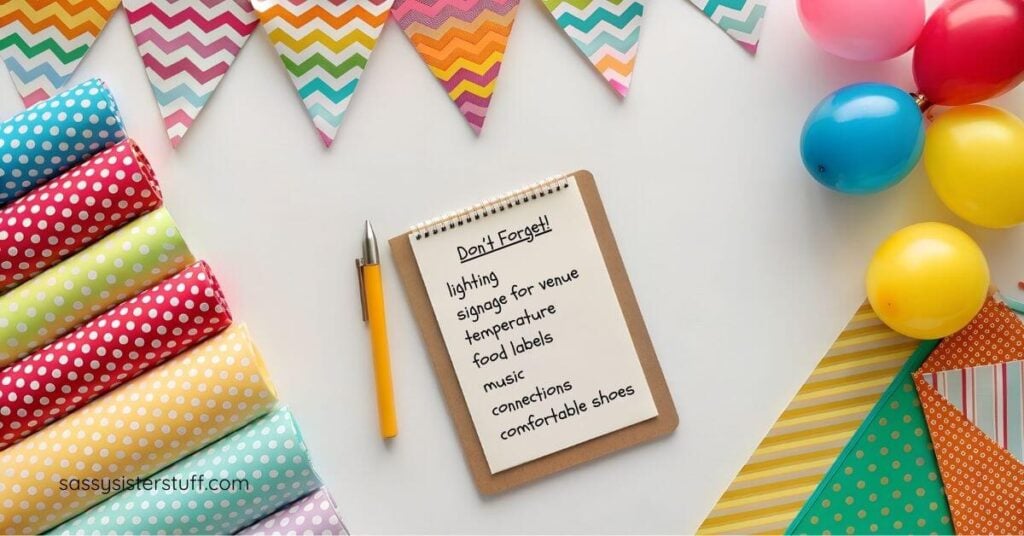
Whether it’s a casual backyard BBQ or an elegant catered venue, there are some things that women over 50 commonly overlook when planning and hosting a party. We have become conditioned to do all the right things: set a budget, define a theme, create a guest list, and send out invitations 4-6 weeks prior to the event. But we don’t always remember to think about things like accessibility for all, dietary restrictions, meaningful connections over perfection, building in recovery time and more.
Women over 50 are constantly being told it’s essential to maintain social connections because it’s important for your social emotional health. We also love to celebrate a friend’s 50th or 60th, or even 70th birthday with a grand party, right? But there are things we often forget when planning and hosting a party that are very important to our own well-being and the success of the get-together.
I’m not talking about forgetting the napkins or burning the cookies. And at this stage in life, we know how to set a budget, make a guest list, define a theme, and do all the other givens. I’m talking about stress-free planning, energy management, and letting go of perfection. Your parties should be about connection, not perfection. (I need to remember these important things, too!)
Let’s talk about the real things women over 50 commonly forget when planning and hosting a party, and how we can do things smarter, not harder to make it easier on ourselves.
Planning with Confidence: The Midlife Woman’s Guide to Planning a Party
We all know the big three of party planning: food, guest list, and venue. You nail those down early. You send the invites. You order the cake. You feel good about where things stand.
But then the day arrives, and suddenly you realize you forgot to buy ice. Or you didn’t check the parking situation. Or, perhaps most tragically, you forgot to create a playlist, leaving your guests in awkward silence.
These small details often slip through the cracks because they seem minor compared to the heavy lifting of booking a caterer or renting a hall. Yet, these overlooked aspects often determine the actual flow and vibe of your event. A great venue doesn’t matter if guests can’t find the bathroom. Delicious food falls flat if people are sweltering in a stuffy room without airflow.
Successful party planning involves looking beyond the obvious checklist items. It requires anticipating needs before they arise and smoothing out friction points your guests might encounter. It also requires practicing self-care so you don’t get frazzled and can’t enjoy the guests.
Let’s walk through the elements that often get left behind in the planning frenzy, so you can host with confidence and actually enjoy your own party.
Lighting Sets the Mood
You might have the perfect playlist and excellent food, but if your lighting is harsh and clinical, the atmosphere will suffer. Many hosts rely on overhead lights because they are already there. This is a mistake.
Overhead lighting casts unflattering shadows and makes people feel exposed rather than relaxed. Instead, aim for multiple sources of soft light at eye level. Floor lamps, table lamps, and string lights create a warm, inviting glow that encourages conversation.
Candles offer another layer of ambiance, but be careful with scents. Scented candles can clash with the smell of food or irritate guests with allergies. Stick to unscented pillars or votives for that flicker without the fragrance.
Accessibility and the Flow of Traffic
We must remember to address accessibility for all guests. Not everyone is safely able to maneuver through a crowd to find a seat, or hear others speaking with loud noise in the background. These are somewhat new issues that we face as we get older.
Focus on the accessibility of all guests and make sure you’ve addressed those issues so everyone has a safe and enjoyable experience.
People tend to congregate near food and drinks. If you put the bar right next to the entrance, you create a bottleneck immediately. Guests walk in, stop to get a drink, and block the path for everyone behind them.
To avoid this congestion, spread your stations out. Place the drinks in one corner, the appetizers in another, and the main food (if you are serving a meal) somewhere else entirely. This forces movement.
It encourages guests to circulate through the room rather than clustering in one tight knot. People with disabilities will have more space to safely move through the crowd just like your non-disabled guests.
Consider the physical path a guest takes. Can they grab a plate, get food, and find a place to sit without bumping into someone else? If your furniture layout creates tight squeezes, move things around. You also might need to make some guest list changes to avoid overcrowding.
Temperature Control
We already have our own personal issues with temperature control! We don’t need to attend a party where the temperature contributes to our issue, right?
You cannot control the weather, but you must plan for it. A room full of people generates a significant amount of body heat. A space that feels comfortable when empty often becomes stiflingly hot once twenty or thirty people arrive.
If you host indoors, lower the thermostat a few degrees before guests arrive. It is better for the room to start slightly cool than for it to become a sauna later. If you don’t have air conditioning, set up fans strategically to keep air moving. Just make sure they aren’t blowing directly onto the food, which cools it down too fast.
Outdoor parties present their own challenges. If the temperature drops in the evening, your guests might get chilly. Have a basket of blankets ready for anyone who needs an extra layer. Conversely, if it is a hot day, provide shade. Renting umbrellas or setting up a canopy gives people a retreat from the direct sun.
You might also consider offering handheld fans or misters to keep everyone cool. There is nothing worse than a stifling hot day with the sun beaming directly on you while you try to be a joyful party guest.
Save to Your Favorite Pinterest Board for Later
Managing Music and the Noise Level
We are already beginning to suffer from hearing loss in this stage of our lives. Why plan a party that emphasizes the problem? Hearing clearly becomes more challenging with background noise.
A lively party sounds great, but a deafening one exhausts everyone. Acoustics play a huge role in guest comfort. Hard surfaces like tile floors, glass windows, and bare walls reflect sound, creating an echo chamber where conversations compete with music and clinking glasses.
To dampen the noise, add soft textures. Rugs, curtains, and tablecloths absorb sound waves. If you are in a particularly echo-prone space, you might even hang tapestries or use upholstered furniture to help soak up the din.
Music volume requires constant monitoring. Background music should stay in the background. If guests have to shout to hear each other, turn it down. You can increase the volume later in the evening if dancing starts, but for mingling and eating, keep it low.
Create a playlist that matches the energy you want. A frantic, high-tempo track might induce anxiety during a relaxed dinner, while a slow, somber tune kills the vibe of a cocktail hour.
And, I highly recommend selecting music that most of your guests enjoy. Recently, it seems I’ve been to parties where the music has offensive lyrics and banging music that most guests do not enjoy. Be aware.
Dietary Restrictions and Labels
You plan a delicious menu, but did you check if anyone is allergic to nuts? Or gluten-intolerant? Or vegan? Ignoring dietary restrictions excludes guests and can even cause a medical emergency. Again, we must consider accessibility for all. It’s your superpower as a compassionate, smart midlife host.
Ask about allergies on the invitation. Once you know, plan accordingly. You don’t need to cater the entire menu to one person’s needs, but make sure there are safe, substantial options for them. A side salad is not a meal.
Labeling your food saves everyone time and anxiety. Small cards identifying each dish and its key ingredients allow guests to serve themselves with confidence. It prevents you from having to recite the ingredients of the quiche twenty times throughout the night.
Here is a quick checklist for your food labels:
- Name of the dish
- Key allergens (nuts, dairy, gluten, shellfish, eggs)
- Dietary badges (V for vegetarian, VG for vegan, GF for gluten-free)
- Spice level (mild, medium, spicy)
This simple step makes your guests feel seen and safe. I attended a wedding recently where the hosts had labeled everything and it was a pleasant topic of conversation among guests.
Personal Touches that Resonate
Finally, remember that the best parties feel personal. While big-ticket items matter, small, unique details linger in memory. You might utilize custom decor to highlight the guest of honor or the specific theme in a subtle way. This shows effort and intentionality.
Think about a signature drink that reflects your taste, or a parting favor that feels genuine rather than generic. These touches don’t need to cost a fortune. They just need to feel like you. A handwritten note at each place setting creates a deeper connection than an expensive centerpiece ever could.
I love getting a balloon backdrop for selfies. They can be made specifically for the theme and they make for great remembrances of the party.
Clear Signage Inside Your Venue
Given that you are likely including older guests, don’t forget about putting out clear signage around the inside of your venue. Guests will feel much more comfortable and confident as they move around looking for a gift table, drinks, bathrooms, exits, and outdoor areas. Good event signage keeps things running smoothly so you don’t have to answer the same questions all night. (You could do signs for parking areas and entrances outside the event, too!)

Hosting with Confidence: The Midlife Woman’s Guide to Enjoyable, Stress‑Free Gatherings
Hosting in midlife isn’t about proving anything — it’s about creating moments of connection while honoring your own comfort, energy, and boundaries. When you approach a gathering with confidence and intention, the entire experience becomes lighter, warmer, and far more enjoyable for everyone (including you).
These often-overlooked elements can transform hosting from a stressful obligation into a meaningful, joy-filled experience for all — including you.
Prioritizing Your Own Comfort
One of the biggest mistakes women make when hosting is forgetting about their own physical comfort. You deserve to enjoy the event just as much as your guests.
- Wear comfortable shoes. No one remembers your footwear, but you’ll remember the back pain if you choose the wrong pair.
- Set up seating that supports you. Keep a chair nearby that’s easy to access and comfortable enough for quick breaks.
- Pace yourself. Build in small pauses to breathe, hydrate, and reset. You’re not a cruise director — you’re a human being.
Comfort isn’t selfish. It’s smart, sustainable hosting.
Asking for Help Instead of Doing Everything Yourself
Midlife wisdom teaches us that independence is admirable, but interdependence is powerful. Let people help. Truly. Assign someone to greet guests. Let a friend bring the dessert. Ask a family member to handle music or trash duty.
Most people want to contribute — and delegating frees you up to be present, calm, and connected.
Protecting Your Emotional Energy
Hosting takes emotional bandwidth, and midlife women are often juggling more than anyone realizes. Overcommitting drains the joy right out of the experience.
- Keep the guest list manageable.
- Choose a time of day that works with your natural energy rhythm.
- Don’t schedule events back-to-back.
Your emotional energy is a resource worth protecting. When you honor it, you show up as your best, most grounded self.
Creating Connection Instead of Chasing Perfection
Perfection is exhausting. Connection is magnetic. Your guests won’t remember whether the napkins matched the plates — but they’ll remember how they felt at your event. Focus on warm conversation. Create cozy, welcoming spaces. Let go of the pressure to impress.
When you shift from performing to connecting, hosting becomes a joy instead of a job. And, you begin to enjoy the occasion as much as your guests do.
Letting Go of Hostess Guilt
Hostess guilt is that sneaky voice whispering that you should be doing more, serving more, or smiling more. It’s outdated, unnecessary, and completely unhelpful. Release it. Let it go.
You are not responsible for everyone’s happiness. You’re offering the space, your time, and your presence — that’s already generous. Give yourself permission to enjoy the moment without micromanaging the experience.
Building in Recovery Time
This is the self-care step most women skip — and it’s the one that makes the biggest difference. Plan for recovery before the event:
- Block off the next morning for rest.
- Order takeout instead of cooking the next day.
- Give yourself permission to do nothing for a few hours.
Recovery isn’t indulgent. It’s essential. It allows you to host again in the future without resentment or burnout.
This is the step I forget all the time. And, to be honest, as I’ve gotten older it has become more of a problem than ever before. Hosting a party is a lot of physical and emotional work and we need to respect the fact that age is not on our side anymore.

Final Thoughts about Planning and Hosting a Party in Midlife
Ultimately, planning and hosting a party is about hospitality and connection. It is about creating a space where people feel welcome, comfortable, and cared for. By tending to these often-forgotten details — lighting, flow, temperature, noise, connection instead of perfection, and basic needs — you remove the friction that disrupts enjoyment. You allow your guests to focus on connecting with each other, which is, after all, the whole point of gathering together.
As women who are aging beautifully and understand self-preservation, we must respect our own boundaries, plan for self-care, save our energy, and let go of perfection. We must plan and execute a party that promotes connection and accessibility for all of our guests without depleting every ounce of energy we have.
Make it a beautiful event that your guests talk about for years to come by remembering these commonly forgotten things that can make or break a party.
If this article has resonated with you, you will enjoy these Related Articles about the importance of meaningful connections and relationships:
- How to Make and Nurture True Friendship over 50
- The Value of a Girls’ Weekend Getaway with Friends
- 10+ Important Benefits of Social Interaction
- How to Improve Social Wellness: 9 Awesome Tips
With light and love,
Susan