
How to Nap the Right Way in Midlife to Boost Energy, Focus, and Mood
At a Glance
If you are wondering how to nap the right way in midlife, the answers are simple: keep it short, keep it early, and keep it intentional. A 20 to 30 minute nap in the early afternoon can help women in midlife boost energy, improve focus, lift mood, and avoid grogginess, without interfering with nighttime sleep. If you need a nap to reset and recharge, take a nap. Just know how to do it effectively.
If you are feeling tired, foggy, or worn down in midlife, you are not alone. Hormone changes, stress, and broken sleep can leave you running on empty. That is where a smart nap can help.
Taking a nap the right way in midlife means taking a short, well-timed rest that helps you feel more alert, focused, and refreshed without hurting your nighttime sleep. For many women, power napping is a simple way to manage midlife fatigue and get through the rest of the day with more ease.
A short nap does not mean you’re lazy. It is a practical tool that can support your brain, lift your mood, and give you a needed reset.

What is a Nap?
According to Yale Medicine, “A nap is what you do when you fall asleep for a brief period, usually during the day.” A nap differs from a healthy night’s sleep because you don’t have time to cycle through the four stages of sleep.
During a good night’s sleep, a person typically cycles through the four stages of sleep several times, but during a nap, you usually don’t have time to do so. You only have time for your brain to reset and recharge for the rest of the day.
Why Women in Midlife Often Need Naps
Many women notice that they cannot bounce back from tiredness the way they used to. That is common in midlife.
Perimenopause and menopause can bring lighter sleep, night sweats, restless nights, and early waking. Even if you spend enough time in bed, you may still wake up feeling drained. Add work stress, family demands, aging parents, and daily life, and you can run out of energy quickly.
That is why an afternoon nap for women in midlife can be helpful. It gives your body and brain a chance to recover during the day.
“But the important thing is to lie down and fall asleep. That little nap means you wake up fresh again and can continue.”
— James Levine
How a Short Nap can Improve Brain Power
A short nap can help your brain work better. When you are tired, it is harder to concentrate, remember details, and stay focused. A well-timed nap may help improve:
- attention
- memory
- learning
- reaction time
- alertness
- mental clarity
That is why a power nap can feel like a reset button for an overloaded brain. It gives you a break so you can come back with more focus and less mental fog.
How Napping Can Boost Your Energy and Mood
When you are tired, everything feels heavier. Your patience gets shorter. Your mood dips faster. Small tasks can feel like too much.
A short nap can help you feel more energized, calmer, and emotionally steady. It may also help brighten your outlook, especially if you hit that midafternoon slump and still have a full day ahead of you.
Sometimes the benefit is not just more sleep. It is feeling more like yourself again.

Why Naps Can Improve Alertness in Midlife
Alertness matters when you still have errands, meetings, driving, cooking, and family responsibilities on your plate.
A short nap can help improve alertness so you feel more steady through the rest of the day. That is especially helpful when midlife fatigue starts to make everything feel harder than it should.
Instead of pushing through exhaustion, a short nap gives your body a chance to recover before you hit the wall.
How and When to Nap the Right Way without Ruining Nighttime Sleep
If you want to take naps to help you manage your fatigue, timing matters. You don’t want to make it too long or too late in the day.
Nap in the early afternoon
The best time for daytime napping is usually between 1 p.m. and 3 p.m. That lines up well with the body’s natural afternoon energy dip.
Try not to nap too late in the day. A late nap can make it harder to fall asleep at night.
“I never thought I’d need to teach myself how to nap, but here I am, an adult who finally figured it out.”
― Ken Breniman
Keep your nap short
For most women, the best nap length is 20 to 30 minutes. That is long enough to help you feel refreshed, but short enough to avoid the groggy feeling that can come after a longer nap.
Long naps can leave you feeling heavy and slow. They can also interfere with nighttime sleep.
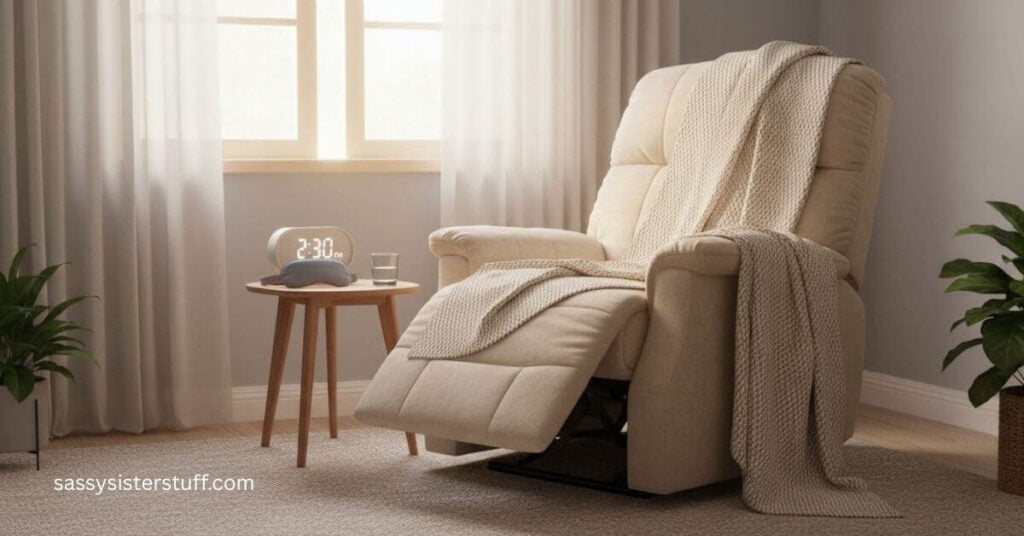
Make your nap space restful
You do not need anything fancy. Just make the space quiet, cool, and dim.
A soft blanket, eye mask, and timer can help your body settle faster. You can use these tools at night, as well.
Pin to your Favorite Pinterest Board for Later
How to Maximize the Benefits of Napping
A few small habits can help your nap work even better. Let’s take a look at how to maximize the benefits of your naps:
- Avoid a heavy meal right before resting.
- Skip caffeine later in the day.
- Nap in the early afternoon instead of the morning.
- Set an alarm before you lie down.
- Give yourself a few minutes to wake up slowly.
A good nap should feel like a gentle reset, not a crash landing. Don’t let naps become a habit that interferes with your night time sleep hygiene.
“The real sign of midlife is checking if the couch is comfortable enough for a nap.”
— 173+ Funny Midlife Crisis Quotes & Jokes
How to Avoid Problems Sleeping at Night if You Nap
This is the part that matters most for many women in midlife. You want the benefits of taking a nap without messing up your bedtime.
To protect your nighttime sleep:
- Keep naps short.
- Nap early in the afternoon.
- Avoid napping too often if it affects your sleep habits.
- Notice how your body responds to naps—are they helping?
Some women can nap and still sleep well at night. Others are more sensitive. There is no one-size-fits-all answer. The key is to pay attention to what helps you feel better overall without causing a problem.
If you already struggle with insomnia, you may want to be extra careful with naps. In some cases, daytime sleep can be helpful. In others, it can make nighttime sleep harder.

When Napping May Point to a Bigger Issue
A nap can be helpful, but constant exhaustion may signal something deeper.
If you feel tired all the time, still wake up drained after sleeping, or need naps just to get through the day, it may be worth checking for other causes.
Some causes of constant fatigue can include:
- sleep disorders
- hormone issues
- thyroid problems
- anemia
- stress overload
- other health concerns
Naps should support you, not be the only thing holding you together. Please consult with your doctor if sleep hygiene is a constant problem for you.
Frequently Asked Questions About Napping in Midlife
Final Thoughts
If you need a nap, take the nap.
Taking a nap the right way in midlife is about working with your body, not against it. A short, well-timed power nap can improve focus, boost energy, support mood, and help you feel more like yourself again.
Keep it short. Keep it early. Keep it simple.
“Naps are for old people. Therefore, I am taking a horizontal life pause!”
— Unknown
Sometimes the smartest thing you can do for your afternoon is close your eyes for 20-30 minutes and come back stronger. Or take a horizontal life pause! 😂
If this article spoke to you, check out these articles about sleep next:
- Your Guide to Peaceful Nights: 60 Affirmations for Good Sleep
- 23 Practical Sleep Tips for Women in Midlife
Or, if you connected with the idea of resetting and regaining your focus, you might want to read these articles next:
- 7 Daily Habits to Help You Find Calm, Presence, and Focus
- Planning the Perfect Reset Day: Activities that Actually Help
With light and love,
Susan 💜