
Simple and Effective Tips to Help You Stay Organized as You Age
At a Glance
As we age, life can become a bit more complicated if we don’t have a plan to get and stay organized. In this article, you’ll discover simple, effective ways to manage clutter, paperwork, schedules, and keepsakes with more confidence. This article looks at zones, landing spots, getting rid of piles, rethinking your storage, labeling, simplifying your calendar, creating routines, learning to let go, and other important tips to help you stay organized as you age. Don’t let the uncertainties of midlife and beyond throw you off your organizational game!
Life doesn’t stay neatly packed in labeled boxes. By midlife and beyond, many women juggle shifting routines, family changes, health appointments, retirement planning, downsizing decisions, caregiving roles, and the emotional weight of an emptier house. Even good changes can leave your calendar, closets, paperwork, and mind feeling crowded.
Staying organized as you age doesn’t mean chasing perfection or turning your home into a showroom. It means creating systems that support the life you live now. Your needs may look different from what they did ten years ago, and that’s not a failure. That’s growth, and your home, schedule, and habits can grow with you.
These effective tips will help you stay organized as you age by helping you feel calmer, more capable, and less overwhelmed by daily details. Start small, stay honest about what works, and build routines that make your life easier rather than more complicated.
Start With One Area (Zone)
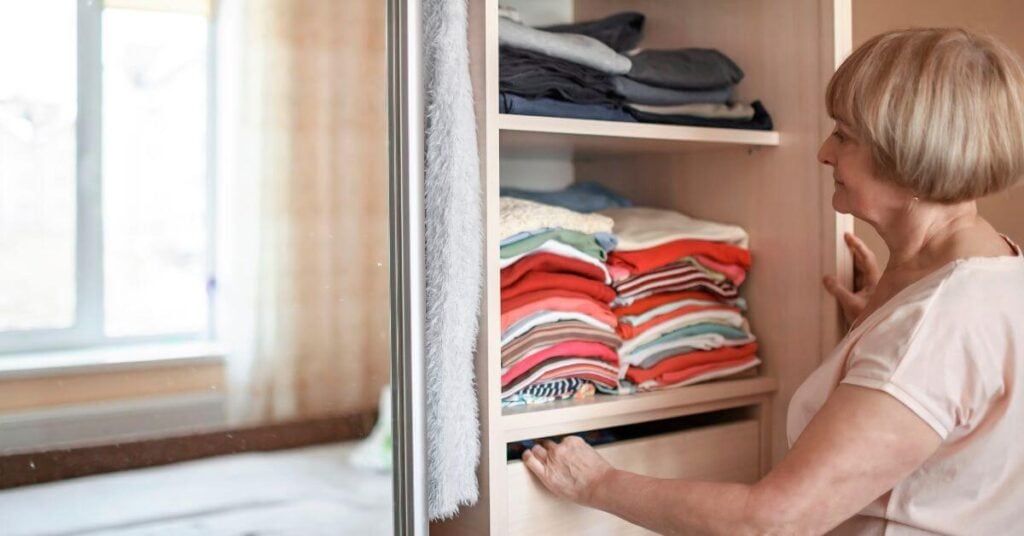
When every room feels cluttered, your brain may want to fix everything at once. That urge can lead to half-sorted drawers, unfinished piles, and an even bigger mess than the one you started with. Choose one area, finish it, and let that success fuel the next step.
Begin with a spot that affects your daily mood. Maybe your kitchen counter collects mail, vitamins, receipts, and reading glasses. Maybe your bedroom chair has become a second closet. Maybe your desk holds years of paperwork you keep meaning to review.
Pick one zone and define its purpose. A kitchen counter should support meal preparation, not serve as a storage unit. A bedroom chair should offer a place to sit, not hold clean laundry for a week. A desk should help you pay bills, make plans, and find important documents without digging through old catalogs.
As you sort, ask clear questions.
- Do I use this now?
- Do I need it for a current responsibility?
- Would I buy it again today?
- Does this item make my day easier?
Simple questions cut through guilt and help you make practical decisions.
Build Daily Landing Spots
Small items cause big frustration when they roam around the house. 😜 Keys, glasses, medication, chargers, mail, and appointment cards all need a predictable place. A landing spot saves energy because you don’t have to remember where you left them.
Place one landing spot near the door for keys, purse, sunglasses, and outgoing mail. Use a tray, basket, small drawer, or wall hook. Keep the setup simple enough to use when you are tired or rushed.
Create another landing spot for starting and ending the day. A bedside table can hold reading glasses, lotion, a book, and a notepad. A bathroom drawer can hold daily medications and personal care items. A favorite chair can have a nearby basket for magazines, handwork, or remote controls.
Good landing spots respect your habits. If you always drop mail on the kitchen island, place a mail sorter there instead of forcing yourself to walk to the office. Work with your natural patterns, and organization will feel less like discipline and more like support.
Make Paper Less Powerful
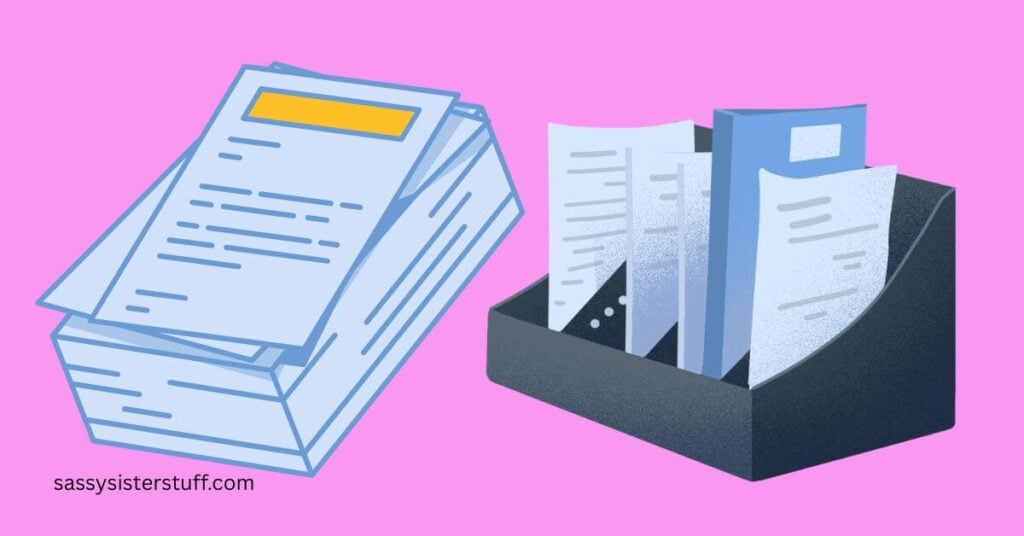
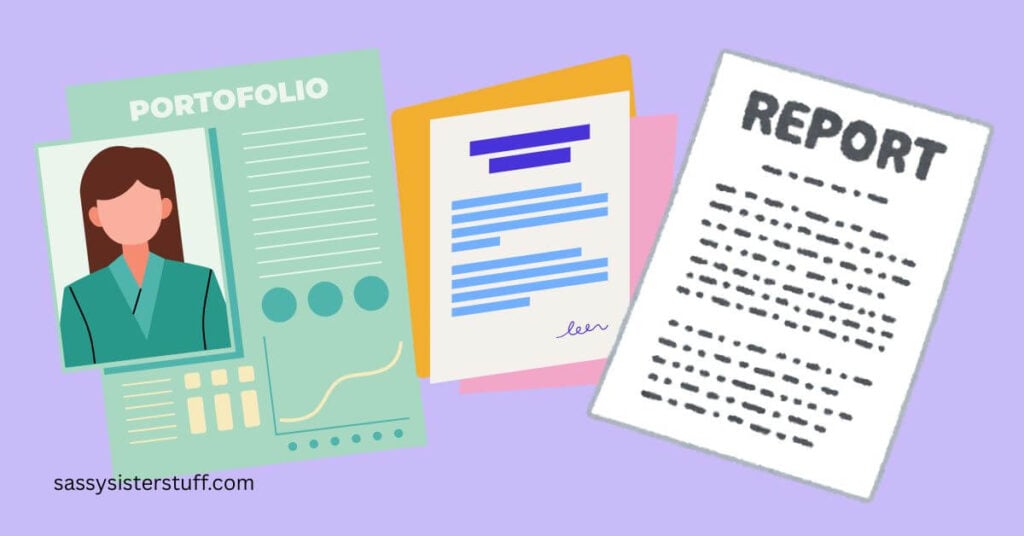
Paper can pile up quickly, especially when you manage insurance forms, medical bills, tax records, warranties, bank statements, family documents, and household accounts. Paper clutter creates stress because important information gets buried in what you don’t need.
Set a weekly paper appointment with yourself. Choose a consistent day and time, then sort new papers into simple categories. Keep bills to pay, documents to file, items to shred, and papers that require a phone call or follow-up.
Give important documents a proper home. Use clearly labeled folders for medical information, financial records, home documents, legal paperwork, insurance, and personal identification. You don’t need a complicated filing system. You need one you can understand on a busy Tuesday.
Many women also benefit from creating a grab-and-go folder because they are the keeper of all things important for everyone in the family. This folder can hold copies of essential contacts, medication lists, insurance information, emergency contacts, and key household details. Keep it easy to find and tell one trusted person where you keep it.
Rethink Your Storage Spaces
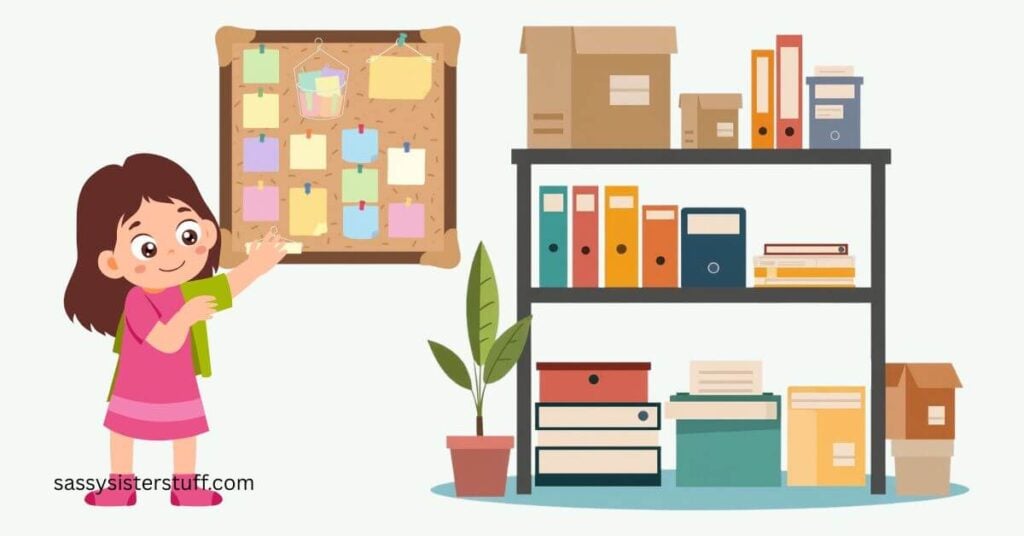
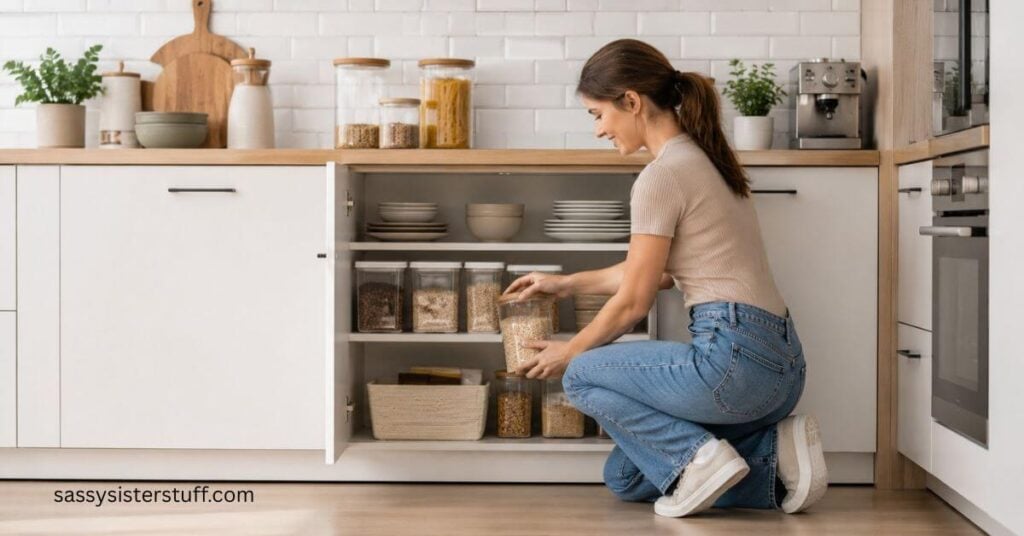
Storage should make retrieval easy. If you need a step stool, a flashlight, and twenty minutes to find something, the system doesn’t serve you. As your body, schedule, or energy levels change, storage should become more accessible.
Place everyday items at shoulder to knee height when possible. Store heavy items where you can lift them safely. Move seasonal or rarely used items to higher shelves or back closets, and label them clearly.
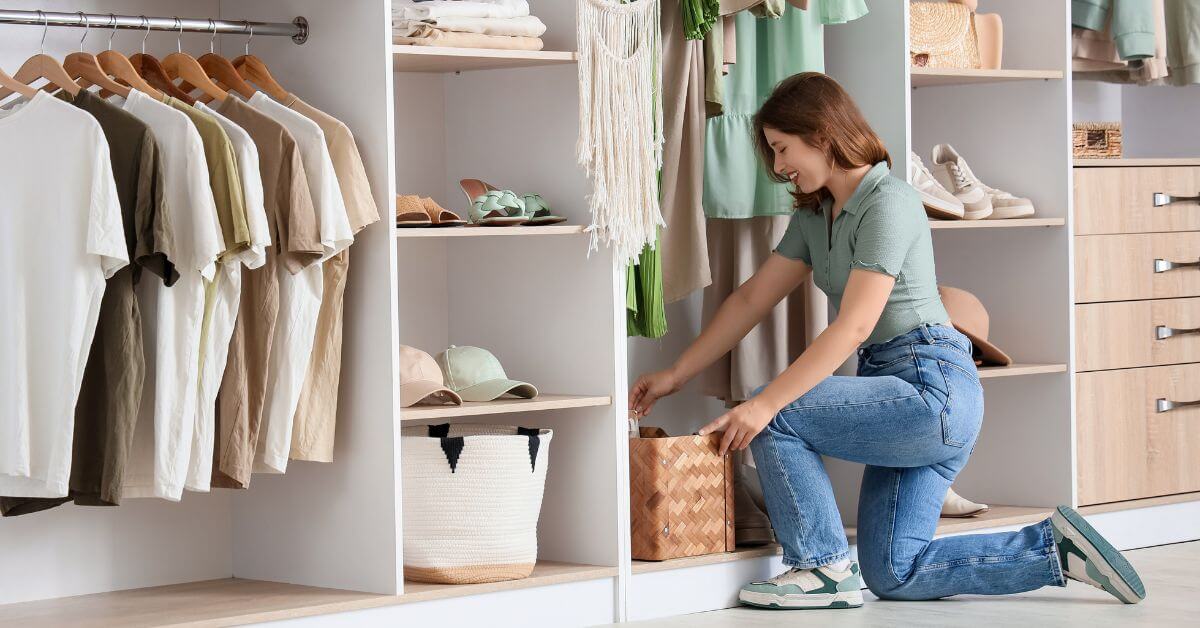
Closets can become emotional spaces because they hold clothes from different chapters of your life. Keep clothing that fits your current body, routine, and sense of self. You deserve a closet that supports the woman you are now, not one that scolds you with old sizes or outdated expectations.
Home offices also deserve attention. Selecting the right office cabinetry can help you organize paperwork, craft supplies, family records, and household files without turning your workspace into a maze. Choose cabinets with drawers, shelves, and compartments that match your storage needs. Good cabinetry can reduce visual clutter and make your office feel more welcoming.
Use Labels Without Overdoing It
Labels help when they answer a question quickly. They can help you find batteries, gift wrap, tax records, sewing supplies, medical papers, and holiday decorations. They also help family members return items to the right spot.
Use plain language. Choose labels such as cold medicine, paid bills, batteries, greeting cards, or pet records. Avoid cute names that make you pause and think. The organization should reduce mental effort, not turn into a decoding game.
You don’t have to label every container in the house. Label the places where confusion happens most often. If you can find something easily without a label, skip labeling it. If you keep opening three boxes before finding lightbulbs, add a label.
Simplify Your Calendar
As life changes, calendars can become crowded in new ways. Doctor appointments, social plans, volunteer work, family commitments, home maintenance, birthdays, and prescription refills all compete for attention. A clear calendar can help you protect your time and energy.
Choose one main calendar. Paper, digital, or a large wall calendar can all work. The best option is the one you’ll check daily. Avoid keeping separate calendars in your purse, phone, kitchen, and office unless they connect to one main system.
Add appointments as soon as you schedule them. Include addresses, phone numbers, and notes on what to bring. If you need lab paperwork, a medication list, or a gift, write that detail next to the appointment.
Build in breathing room. Don’t stack errands, appointments, and social commitments so tightly that a single delay ruins the day. Give yourself travel time, rest time, and time to switch gears. Staying organized should help you feel steady, not rushed.
Create Routines That Respect Your Energy Levels
Energy can fluctuate as you age and during stressful seasons. Some days you may feel ready to tackle a closet. Other days, folding towels may count as a win. A useful routine gives you structure without shame.
Try a ten-minute reset each evening. Load the dishwasher, clear one surface, put shoes away, and leave tomorrow’s essentials by the door. Ten focused minutes can make the next morning smoother.
You can also assign certain tasks to specific days of the week. Monday can handle laundry. Tuesday can handle bills. Wednesday can handle errands. This rhythm reduces decision fatigue because you don’t have to rethink each task from scratch.
When a routine stops working, adjust it. Maybe mornings used to work for chores but afternoons feel better now. Maybe grocery shopping used to work on Saturdays, but weekday mornings feel calmer.
Let Go Without Guilt
Many women shoulder the emotional labor of family keepsakes, inherited items, old photos, grown children’s belongings, and gifts they never used. Letting go can feel heavy, especially when an item connects to someone you love.
Start by separating memory from responsibility. You can love a person without keeping every item associated with that person. You can honor a season of life without preserving every object from it.
Choose a few meaningful keepsakes and display or store them carefully. Let the rest go through donation, gifting, recycling, or disposal. If adult children have boxes in your home, give them a kind but firm deadline to pick up what they want.
Your home should hold your life, not the unfinished decisions of others. Letting go creates space for comfort, movement, hobbies, rest, and joy.
Ask for Help Sooner Rather than Later
You don’t have to organize every drawer, file, and closet alone. Ask a friend, sister, daughter, neighbor, or professional organizer for help when a task feels too big. A second person can keep you focused and make decisions feel less lonely.
Choose helpers who respect your pace, energy levels, and your emotions. You need support, not pressure. The right helper can ask useful questions, carry donation bags, read tiny labels, or keep you company while you sort.
You can also involve professionals when paperwork, legal documents, finances, or home modifications feel confusing. Asking for help shows wisdom. It protects your time, your energy, and your peace of mind.
Pin to your favorite Pinterest Board for Later
Make Space for Ease and Peace of Mind Now
Staying organized as you age isn’t about proving you can keep up with an old version of life. It’s about building a home and routine that meet you where you are. That may mean fewer possessions, clearer paperwork, safer storage, better calendars, and kinder expectations.
Every small change can give you back a little time and calm. One cleared counter can make breakfast easier. One labeled folder can ease stress before an appointment. One honest closet edit can help you get dressed with more confidence.
You deserve systems that support your life, not drain it. Start with one area, choose practical tools, and let each completed space remind you that change can feel lighter when you give yourself the right kind of help.
Tips to Help You Stay Organized in the Workplace
To stay organized at work, start your day with a “reset” by reviewing your schedule, clearing your digital/physical workspace, and prioritizing tasks using to-do lists or digital tools like Trello or Asana.
Implement consistent habits—such as tackling complex projects first, setting daily goals, and closing out with a 15-minute cleanup—to maintain productivity and reduce stress. Spend a few minutes at the end of each day preparing for the next day to make things easier the next morning.
You can use many of the tips mentioned above, but these are some more tips for staying organized at work:
- Master Your Workspace: Clear physical clutter to improve focus; keep only essential items on your desk. Use a “three-tray” system (inbox, action items, to be filed) to manage documents efficiently.
- Prioritize with To-Do Lists: Create daily or weekly to-do lists to keep track of deadlines and prevent forgetting tasks. Break large, daunting projects into smaller, manageable tasks.
- Use Digital Tools: Utilize digital calendars to track meetings and avoid scheduling conflicts. Leverage apps such as Notion, Trello, or Todoist for task management.
- Establish Routines: Set aside 15 minutes at the beginning and end of each day to review your, update your task list, and organize your space.
- Limit Distractions: Minimize interruptions by silencing notifications and focusing on one task at a time (avoid multitasking).
- Delegate and Say No: If your workload is too high, delegate tasks that are not within your area of expertise and learn to say no to new commitments, or renegotiate deadlines, to avoid burnout.
Frequently Asked Questions (FAQs) about Tips to Help You Stay Organized
If you feel the article is TL;DR right now, check out these FAQs for important information about getting organized.
Final Thoughts about Tips to Help You Stay Organized
Getting organized can make your life easier and less stressful. I’ve been working to get organized for a few years as my children moved out and my mother-in-law moved in. It is hard to find a landing zone for everything when the space is crowded.
Getting and staying organized can feel like it’s never-ending. But keep at it and use the tips that we’ve discussed in this article, and I think you’ll begin to feel less stressed and more in charge of your life.
Please download and print this CHECKLIST so you can easily keep track of which tips you are using to get organized:
Check out these related articles for additional help:
- Essential Tips: Decluttering and Downsizing for Seniors and Aging Adults
- 10 Smart Ways to Adapt Your House Cleaning Habits as You Age
- 8 Practical Tips for Downsizing and Reorganizing after the Kids Move Out
- Simple Ways to Make Every Room in Your Home Feel Calm and Inspirational
With light and love,
Susan 💜