

How to Create a Fresh Outdoor Space to Enjoy Now and as You Grow Older
✨At a Glance
See your favorite outdoor space through a new lens with this simple exercise designed for women who are ready for a fresh outdoor space in their lives. Create a simple map, or drawing, that helps you notice and reflect on what’s important and what no longer fits the life you want for your outdoor space. Start making small changes until you’ve created a fresh outdoor space that you can enjoy now, and easily change with you through future transitions.
A meaningful outdoor space does not have to be large, fancy, or perfectly landscaped. It might be your backyard, a balcony, a favorite park bench, a walking path, or the quiet corner of your garden where you always seem to pause and breathe.
Learning how to create a fresh outdoor space to use now and as you grow older can even be as simple as looking at one familiar place with a new perspective. Maybe your home is quieter than it used to be. Maybe your daily routine has changed. Maybe you are thinking more about what you want to keep, simplify, enjoy, or create in this season of life.
You do not need special tools or a big plan. You only need a place, a piece of paper, and a little curiosity.
Take a Quick Look
Mapping an outdoor space is not about making a perfect drawing. It is about paying attention to an outdoor space that makes you feel good.
You choose one place that feels familiar, sketch the basic layout, and add notes about what you love about the space and what you want to change. This doesn’t need to be anything fancy, just find a piece of paper, make some drawings, and start jotting notes.
The goal is not to impress anyone. The goal is to notice what your space is telling you now…. how this space speaks to you in this stage of life.
Choose a Place with a Story
Start with a space that already means something to you, even if it seems ordinary.
It might be the yard where your children once played, the porch where you drink coffee, the garden bed that you keep meaning to simplify, or the walking path you take when you need a change of scenery. It might even be a small balcony where you keep one chair and a few plants.
As we grow older, many women begin to look at home, routines, relationships, and personal time in new ways. A space that once served one purpose may be ready to serve another.
The old play area might become a reading corner. The big garden might become a smaller, easier space to enjoy. The porch might become your favorite place for morning quiet. The walking route might become a reminder that your days still belong to you.
Most importantly, it should be a place where nature enhances your life with fresh air and peace.
Sketch What You See
Do not worry about measurements. Start by drawing the basic shape of the space. Is it round? Rectangular? Triangular? You get the idea.
If it is a yard, sketch the fence, patio, trees, steps, or garden beds. If it is a walking route, draw the turns, benches, views, or spots where you tend to slow down. If it is a balcony or porch, mark the door, railings, chairs, plants, and anything else that shapes the way you use it.
Keep it simple. A few lines and labels are enough.
Then ask yourself a few easy questions:
- Where do my eyes go first?
- Where do I naturally sit, walk, or stand?
- What part of this space do I enjoy most?
- What part do I tend to ignore?
- What would I miss if it changed?
- What would I be relieved to change?
These questions can reveal more than you expect. Sometimes the most useful part of a space is not the prettiest part. It might be the shady chair where you read, the small table where you set your tea, or the path you always take without thinking.
You are not judging the space. You are getting to know it again. You are reflecting about how you relate to this space now.
Mark What Matters Most
Once you have the basic layout, begin adding the details that make the space yours. Or makes this space special.
Mark where the sun lands in the morning. Note where shade lingers. Add the trees, plants, steps, seating, gates, bird feeders, pots, garden beds, or anything else that affects how you use the area.
You can also mark places tied to memories. Maybe one corner reminds you of family gatherings. Maybe a certain tree was planted years ago. Maybe a patch of flowers came from someone you love. Maybe one chair has quietly become your favorite place to sit.
Then notice the practical details. Where does water collect after rain? Where do plants seem to grow easily? Where does the ground feel dry, packed down, soft, or uneven? What space gives you the most sunlight or blocks the wind? Take your time and reflect peacefully.
Even in a familiar yard or garden corner, soil can vary more than you expect, which may explain why one spot drains quickly while another stays damp or supports different plants. You probably never noticed these things until now. You do not need to turn this into a big project. Just make small notes.
Your little observations can help you understand why certain parts of the space feel easier to use than others and which areas will transform better than others.
Notice What Has Changed
One reason this activity works so well is that it gives you a quiet way to notice change.
Maybe the yard was once built around children, pets, or entertaining. Maybe the garden used to be a hobby you had more time for. Maybe the porch was only a pass-through spot until life slowed down enough for you to sit there.
As you create a fresh outdoor space, ask yourself a simple question: Does this place still fit the life I am living now, or can I make it better?
There is no right or wrong answer. How does it make you feel in the life you live today? Can you improve it for now?
You may realize you want more color, less upkeep, better seating, clearer paths, or fewer things to manage. You may decide that one corner deserves more attention, while another can stay simple. This is not about starting over. It is about making room for what fits.
Look for Inspiration
Spend some time gathering ideas and inspiration for your outdoor space. Think about what would serve you today and adapt to your future. Look beyond traditional gardening templates and explore diverse sources to spark your creativity.
- Browse online platforms: Search Pinterest and Instagram for terms like “accessible landscaping” or “aging-in-place backyards.”
- Flip through magazines: Study home improvement and architectural publications for layouts that prioritize seamless indoor-outdoor transitions.
- Observe your neighborhood: Take walks to notice which local yards feature low-maintenance plants or wide, flat pathways.
- Visit public gardens: Check botanical centers to see how professional curators manage outdoor spaces with clear, stable walkways.
- Audit your current habits: Note where you naturally sit, drink your morning coffee, sneak out for a walk, or seek shade during the day.
Designing a garden for today isn’t about limiting your options for tomorrow—it is about choosing a canvas that grows more effortless, beautiful, and welcoming with every passing year.
Make One Small Change
Once your map has a few notes on it, choose one small action.
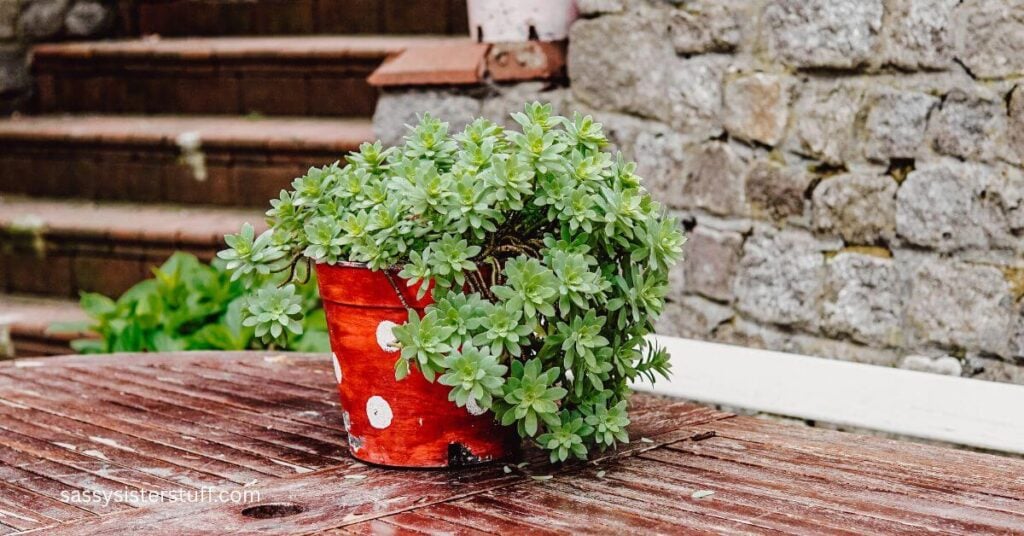
Move a chair to a better spot. Clear a walkway. Add one pot of flowers. Remove something you no longer like. Put a small table where you can set a book or a drink. Trim back an overgrown area. Make a note to ask for help with something that feels too big to handle alone.
The decision does not have to impress anyone. It only has to feel right for you.
In fact, the best changes are often quiet ones. They make your daily life a little easier or more enjoyable without turning into a major project.
A space that supports you does not have to be perfect. It only has to feel a little more like it belongs to the life you are living now.
Let the Map Change with You
Your outdoor map does not have to be finished in one afternoon. Keep it somewhere you can revisit it. Make it a working document that changes as you change.
You might update it in the spring when plants begin to return, in the summer when you spend more time outside, in the fall when you notice what needs clearing, or in the winter when the bare layout is easier to see.
You may also update it as your life changes. A space that feels useful this year may need to be simplified next year. A spot you ignored for years may become your favorite space later.
That is part of the value. The map gives you a record of what you noticed, what you cared about, and what you chose to adjust. It’s a record of your reflections. It is not about perfection. It is about paying attention to your life as it is right now.
Carry the Idea Forward
Creating a meaningful outdoor space begins with noticing what is already there. You do not need a large yard, a perfect garden, or a long list of improvements.
Start with one place. Sketch what you see. Add what you remember. Notice what feels useful, tired, lovely, or ready for change.
It can feel good to make choices that are simple and personal. A small map can help you see your surroundings in a new way and decide what deserves a little more room in this chapter of your life.
When I did this little project at my house recently, I noticed almost immediately where I wanted to make changes, what I wanted to change, and why I wanted to change it.
We had used our back deck to grill and have parties, and even maintain a hot tub for 30 years. But during this years, we had children, teens, parents, friends, and family coming and going in our very hectic lives.
Now it’s just my husband, me, and my mother-in-law. It’s quiet. We don’t use the deck as often. But there remains a nice fairly new table and chairs—that are covered in two years of snow and pollen dirt. Plus, it holds a pot of dead flowers.
Why, I asked? It seemed like the three of us could enjoy dinner outside on the deck if the table and chairs were cleaned and the pot of flowers were alive. My mother-in-law and I could spend time after lunch reading on the deck. The deck could become a retreat for quiet family-time instead of party time. Right? So I got to work:)
Final Thoughts
I’ll leave you with just a few reminders about why it’s important to spend time in nature.
- It reduces your stress and anxiety.
- Nature helps improve your mood.
- It enhances creativity and focus.
- Spending time in nature can enhance connection.
- It increases resilience and confidence.
So take some time in the next few days to map out your new design and create a fresh outdoor space that you can enjoy now and in the future. Keep it simple and easy so it can easily transform with you. Have loads of fun!
With light and love,
Susan 💜