

7 Things People Do When They’re Secretly Intimidated by You
Have you ever noticed someone acting a bit strange around you and wondered what’s up? Maybe they seem nervous, avoid looking at you, or just feel a little off.
Sometimes, it’s not about anything you’ve done. It could be that your presence makes them feel a bit intimidated, even if you don’t mean to.
Knowing the subtle ways people show this can help you handle these moments with more confidence and empathy.
Avoiding eye contact or looking away quickly

If someone finds you intimidating, they might have trouble meeting your eyes. You might catch them glancing away quickly or focusing on their phone instead of looking at you.
Eye contact can feel intense for some people. Avoiding it is often a way to dodge feelings of vulnerability.
You may notice them scanning the room or pretending to be busy. This helps them manage their nerves without drawing attention.
Fidgeting or playing with objects nervously
Nervous energy has a way of showing up through restless hands or feet. Someone who feels uneasy might start tapping a pen, clicking a button, or shifting in their seat.
These little movements are often unconscious. It’s the body’s way of letting out stress when a person feels overwhelmed.
Pay attention to repeated gestures like playing with jewelry or bouncing a foot. These can be subtle signs of discomfort.
Giving overly critical or backhanded compliments
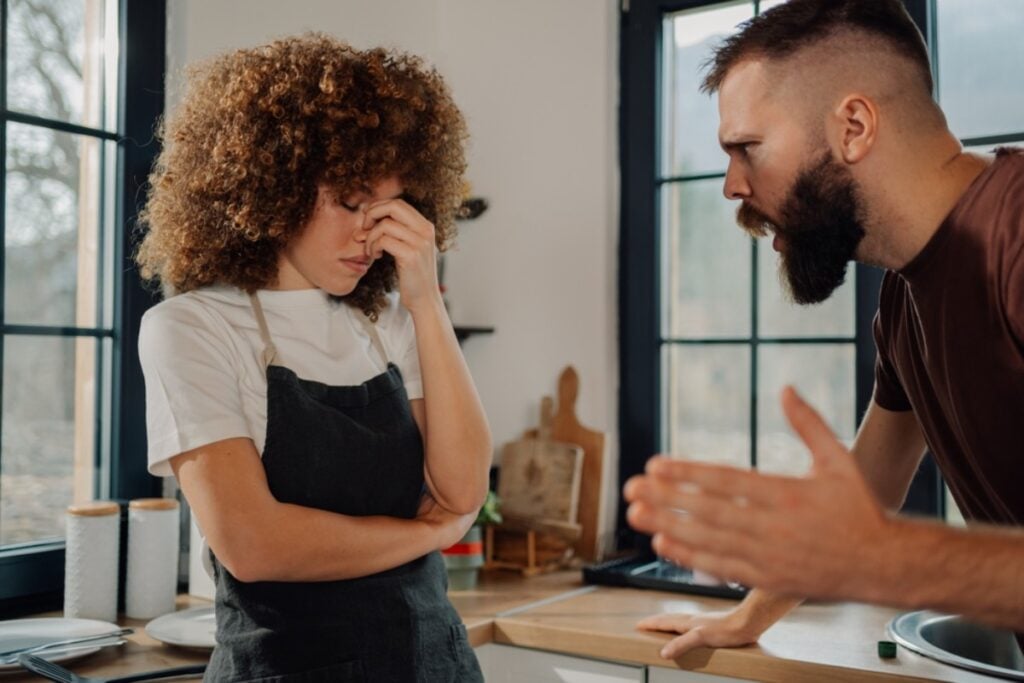
Ever received a compliment that left you feeling unsure? Backhanded compliments like, “You’re pretty smart for someone who didn’t study this,” often come from a place of insecurity.
People who feel threatened might try to bring you down with these mixed messages. It’s their way of dealing with their own feelings without being openly negative.
If you notice this, remember it’s not really about you. Their words reflect their own struggles more than your abilities.
Acting distant or avoiding deep conversations
Some people keep things strictly surface-level when they’re around you. They’ll chat about the weather or TV but avoid anything too personal.
If you try to dig deeper, they might change the subject or give short answers. This helps them keep control and avoid feeling exposed.
You might catch them looking distracted or checking their phone often. It’s usually a sign they’re feeling unsure, not that they’re trying to be rude.
Laughing excessively or nervously at your jokes

It’s easy to spot when someone laughs a bit too hard at jokes that aren’t really that funny. Nervous laughter is a classic sign of discomfort.
They might chuckle quickly after everything you say. This is often their way of easing tension or showing they don’t want to upset you.
If someone laughs a lot in tense moments, they could be trying to connect while masking their nerves.
Mirroring your body language subtly
Have you ever noticed someone copying your posture or gestures? Mirroring happens when someone subconsciously matches your movements.
This is a way for people to build rapport, especially if they feel unsure around you. It’s like their body is saying, “I want to get along.”
The mirroring can be as small as crossing arms when you do or using similar hand gestures. It’s usually subtle but can be a sign they both respect and feel nervous around you.
Being unusually competitive or defensive

Some people react to feeling intimidated by trying to compete more than usual. They might try to one-up your stories or highlight their achievements.
Defensiveness is another common reaction. If you bring up certain topics, they might get protective or argue their point strongly.
You might see them interrupt or dismiss your ideas quickly. These behaviors often come from a need to protect their confidence.
Psychological Reasons Behind Intimidation
Intimidation usually comes from within the person who feels it. Sometimes, it’s about how they see themselves compared to you.
Insecurity and Self-Perception
Someone with low self-esteem might feel especially nervous around confident people. Your achievements or attitude might highlight their doubts.
This can lead to defensive reactions or even criticism as they try to feel better about themselves. Their sensitivity is more about their inner struggles than anything you’ve done.
Power Dynamics in Social Settings

Groups often have unspoken rules about status and influence. If you seem to have more of either, others may respond by acting extra polite or avoiding disagreement.
They might agree quickly or hold back opinions to keep things smooth. Sometimes, they just want to avoid losing face in front of others.
These social dynamics can make people act differently without even realizing it.
How to Foster Approachability
If you want people to feel more at ease around you, there are easy ways to show you’re open and friendly. Little changes in how you act can make a big difference.
Body Language Adjustments
A relaxed posture goes a long way. Try facing people directly and keeping your hands visible.
A gentle smile and soft eye contact can signal warmth without being overwhelming. Nodding when someone speaks shows you’re listening.
Respecting personal space helps too. Leaning in slightly and avoiding closed-off gestures can make you seem more inviting.
Small shifts in body language can help others feel safe and ready to connect.
Encouraging Open Communication
Starting a conversation can feel awkward, especially when you want everyone to feel comfortable. One way to invite others in is by asking open-ended questions, like “What do you think about this?” or “How do you feel about that?”
This makes it easier for people to share their thoughts without feeling judged. Using your words to show you value their input goes a long way.
Phrases such as “I appreciate your opinion” or “That’s an interesting point” help others feel heard. Try to be patient and avoid interrupting, even if there are a few moments of silence.
Giving people a little space shows respect and helps lower the pressure. If you notice someone seems nervous, gently acknowledge it with phrases like, “Take your time” or “Feel free to speak up when you’re ready.”
When you create a space where people feel safe to talk, it becomes much easier for everyone to open up.