
Things That Don’t Really Exist Inside High Schools Anymore
Ever walked through your old high school and felt like something was missing? Schools today look and feel different than they did just a few years ago.
Let’s take a look at what’s quietly vanished from classrooms, hallways, and lessons, and what’s taken their place.
Student lockers
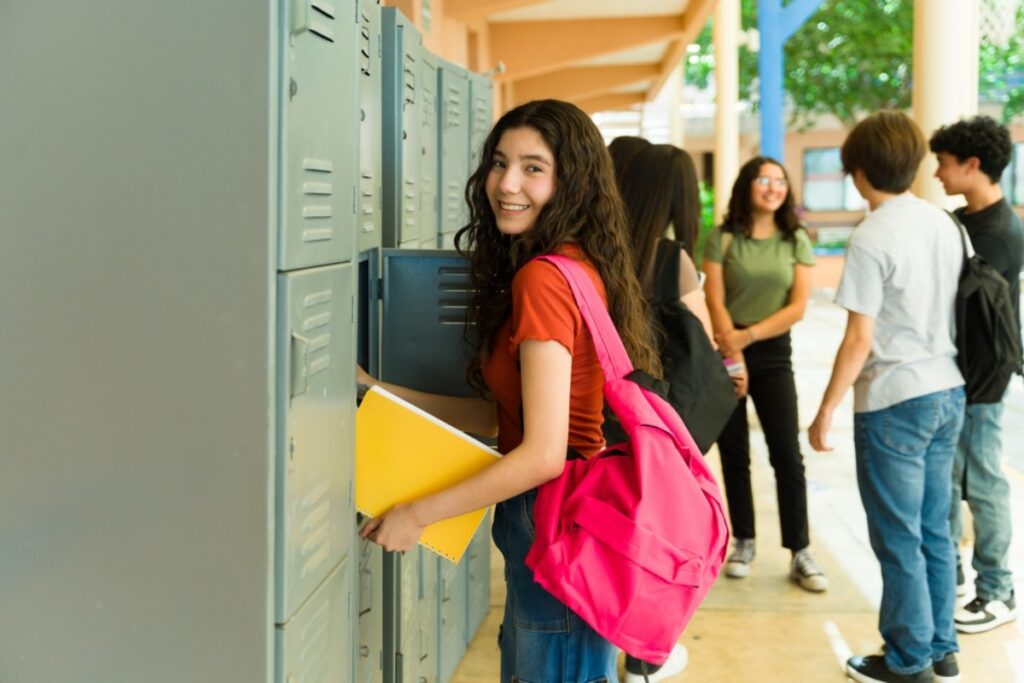
Opening a locker between classes used to be part of the daily routine. You’d swap books, snacks, or catch up with friends for a minute.
Now, many schools have removed or limited lockers to help with crowding and keep hallways moving. Backpacks are the new normal, holding Chromebooks, notebooks, and lunch all day.
Some schools keep a few lockers for athletes or students who need extra storage. If your school removed them, you might spot a couple left in key spots.
Without lockers, those quick hallway meetups are less common. You’ll probably notice fewer small groups hanging out between classes.
Cursive handwriting classes
Maybe you learned cursive in elementary school, but most high schools have dropped it from the curriculum. More time goes to typing skills and test prep now.
If your school stopped teaching cursive, it likely happened after Common Core standards left it out. The focus shifted to subjects that show up on tests or build computer skills.
Some districts offer cursive as an elective or after-school activity. A few teachers bring it back for students who benefit from the handwriting practice.
If you want to work on cursive, quick practice sheets or handwriting apps can help you build skill on your own.
Home economics courses
Home Ec used to teach sewing, cooking, and basic life skills that came in handy at home and work. Those classes were hands-on and practical.
As schools put more emphasis on college prep and tested subjects, Home Ec faded out or changed into Family and Consumer Sciences with a broader, career-focused approach.
If you miss these lessons, you’re not alone, some districts are trying to bring back real-life skills like budgeting and meal planning. You might find these classes in community centers or as electives with topics like nutrition and personal finance.
Driver’s education
Signing up for driver’s ed at school was once a rite of passage. You’d get classroom lessons and practice behind the wheel with a teacher.
These days, budget cuts and higher insurance costs mean most schools don’t offer it anymore. Learning to drive usually means paying for private lessons or taking online courses, often with help from a parent.
Some districts partner with local driving schools to offer discounted or classroom-only options. Check your district’s website or community programs if you’re looking for help getting your license.
Formal debate classes
Formal debate classes taught students to research, build arguments, and speak confidently under pressure. They used to be a staple in many high schools.
Now, debate classes are rare. Communication skills show up in broader classes or clubs, but formal debate doesn’t get the same spotlight.
Clubs can help fill the gap, but they don’t always reach as many students or meet as often as a regular class.
Shop class (woodworking/metals)
Shop class gave students a chance to work with saws, drills, and welding equipment. Learning to measure, cut, and build things was part of the experience.
Budget cuts and a stronger focus on testing have made these classes hard to find. That means fewer opportunities for hands-on learners to pick up trade skills in school.
If your school still has shop, you get access to real tools and projects. Otherwise, you might find similar experiences at community centers, tech schools, or after-school programs.
Film projectors in classrooms
Film projectors on carts used to roll into classrooms for special lessons or documentaries. Watching a film felt like an event, with teachers pausing to discuss or ask questions.
Digital streaming and online clips have replaced those old machines. It’s easier to show videos now, but the ritual of movie days has faded from most classrooms.
Overhead projectors
The hum and warmth of an overhead projector used to signal a lesson with transparencies and handwritten notes. Teachers relied on these for diagrams and worksheets.
By the 2010s, most classrooms switched to digital projectors, smart boards, or laptops. These tools let you zoom in, play videos, and share files instantly.
You might still spot an overhead projector in storage, but most lessons use flat screens or tablets now.
Chalkboards
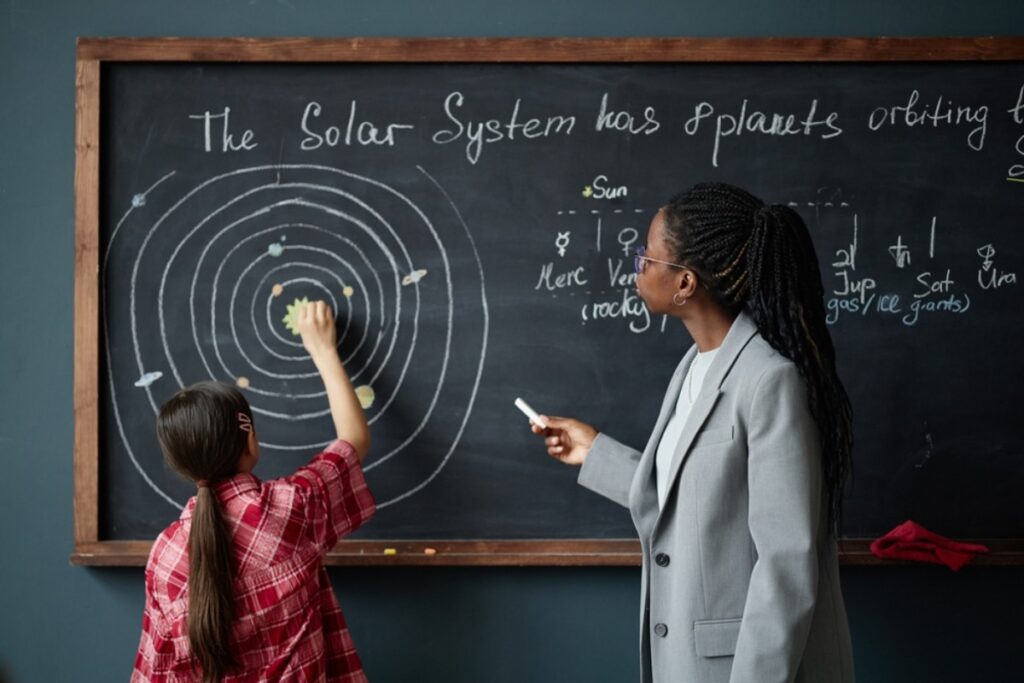
Writing with chalk on a big green or black board was once a classroom standard. The squeak and dust were part of daily life.
Now, whiteboards and smart boards have taken over. They create less mess and make it easier to save notes or show videos.
Chalkboards still pop up in art rooms or older buildings, but they’re no longer the go-to in most classrooms.
Some teachers keep small chalkboards for demonstrations, but for most students, chalk is just a memory.
Pluto as a planet in science lessons
Remember when Pluto was the ninth planet? For years, textbooks and teachers included it in the solar system lineup.
In 2006, scientists redefined what makes a planet, and Pluto lost its status. Schools updated lessons, and now Pluto is usually taught as a dwarf planet.
You might still hear Pluto called a planet in casual conversation, but most science classes have moved on.
How High School Culture Has Transformed
School feels different these days, shaped by phones, the internet, and new ways to hang out. The way you learn and connect has changed a lot.
Digital Influences on Daily Life
Phones and Chromebooks are part of almost every school day now. Assignments, grades, and feedback all show up online instead of on paper.
Social life happens through group chats and apps, making it easy to organize study sessions or events. Notifications and messages follow you after school, so privacy and boundaries matter more than ever.
Changing Social Spaces
Hallways and cafeterias don’t look the same as they used to. Many schools took out lockers and added flexible seating for group work or solo study.
Libraries now have maker spaces, laptops, and quiet pods, not just rows of books. Clubs and interest-based spaces like coding labs or esports rooms give students new places to connect.
Traditional spots like pep rallies still exist, but you’re just as likely to find students hanging out around charging stations or on outdoor benches with WiFi.
Impacts on Student Experiences
Traditions and daily routines have shifted, changing how students connect and feel part of school. These changes shape friendships and access to information.
Evolving Traditions and Events
Pep rallies, yearbooks, and club fairs happen differently now. Some events moved online or have smaller crowds, so milestones might feel less dramatic.
Clubs and activities often use virtual sign-ups and meetings, making it easier to join but sometimes harder to just drop in. Fundraisers and spirit weeks run through social media and email, which is fast but can leave some students out if they prefer in-person updates.
Reimagining Communication and Connection
Remember when catching up with friends meant chatting by your locker or bumping into each other in the hallway? Now, most updates come through apps, emails, or class pages.
Homework reminders buzz on your phone, making it easier to stay organized. But those random face-to-face moments are harder to come by, and that can make it tougher to form new friendships.
Teachers rely on digital tools to give quick feedback and set up group projects. This can help you review lessons at your own pace.
If you or your classmates have trouble with screens or a shaky internet connection, joining in becomes more challenging. Checking in on each other can make a big difference.