
15 Things Today’s Grandkids Will Never Experience That Will Blow Your Mind!
Ever catch yourself reminiscing about the way things used to be? Childhood has changed so much in just a few generations, and some everyday moments from your past are now almost impossible to find. It’s wild to realize your grandkids might never know the little things you once did without thinking.
Waiting for film to develop
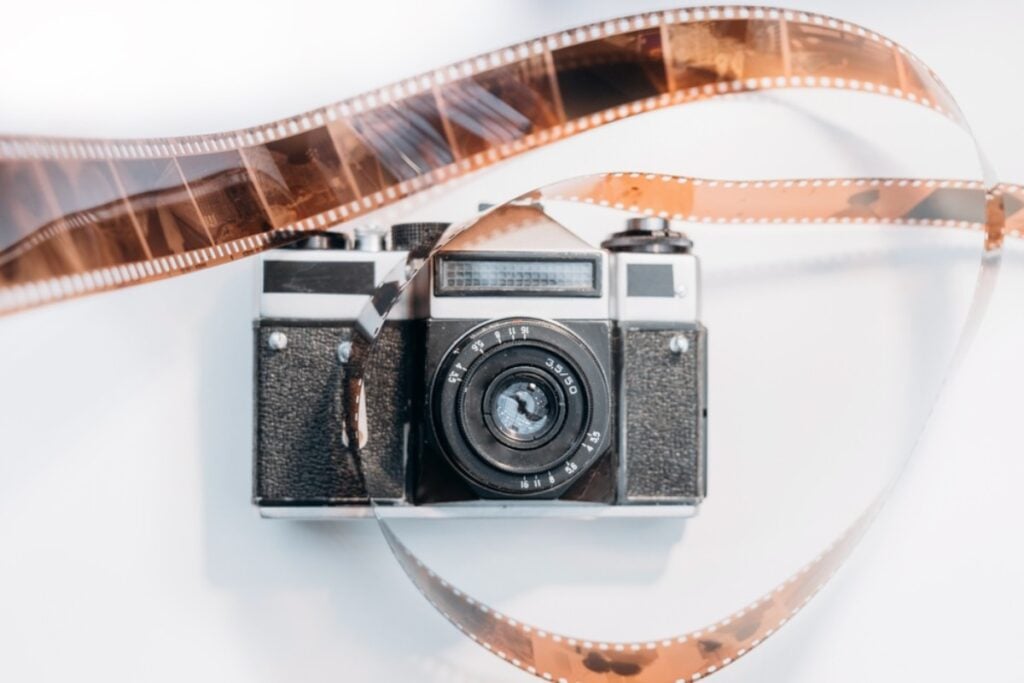
Taking a photo used to mean waiting days to see how it turned out. That wait was both exciting and a bit nerve-wracking.
You couldn’t instantly check your pictures like you do now. You had to wind the film, finish the roll, and drop it off at a store.
Waiting for your photos to be developed was the hardest part. Opening that envelope with your prints felt like a little celebration.
Sometimes, the photos were a surprise—maybe someone blinked, or a finger covered the lens. Today’s kids might find it hard to believe that capturing a moment wasn’t instant.
You had to think before snapping a photo since film was limited. There was something special about holding those pictures you waited for.
Dial-up internet sounds
The screech and buzz of dial-up internet were unforgettable. Every time you wanted to get online, those strange noises filled the room.
Connecting meant waiting patiently as your computer tried to find the web through the phone line. Sometimes, you even heard a busy signal if someone else was on the phone.
You couldn’t use the phone and the internet at the same time. People had to choose between talking or surfing online.
Those sounds, though odd now, were part of the excitement of getting online for the first time.
Rewinding cassette tapes
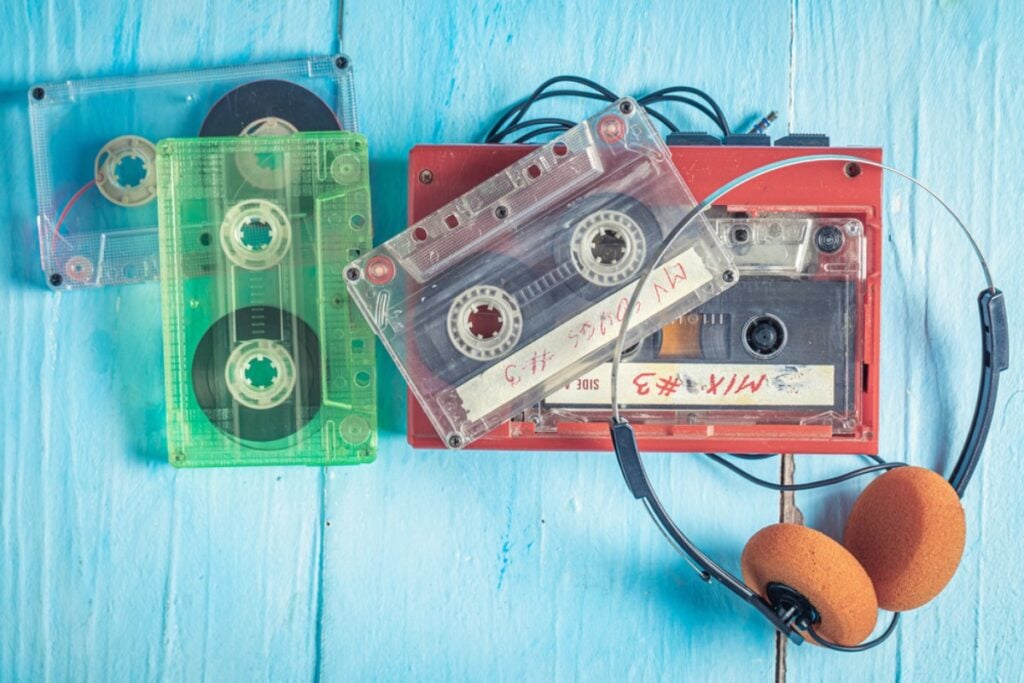
Remember when a favorite song ended and you wanted to hear it again? Rewinding a cassette tape wasn’t as simple as clicking a button.
Sometimes, you’d use a pencil or pen to spin the reels and save battery life. Twisting it back and forth was oddly satisfying.
Making mixtapes meant recording songs from the radio or other tapes. That pencil became your trusty tool for quick rewinds.
Kids today don’t know the thrill of pressing play on a freshly rewound mixtape. Listening to music felt hands-on and personal.
Writing with typewriters
Imagine sitting down at a clunky typewriter instead of a sleek laptop. Every letter you typed made a satisfying click.
Mistakes couldn’t be erased easily, so you had to think before you typed. This made each word matter more.
The sound of the keys and the feel of paper moving through the machine made writing feel real. It was a slower, more thoughtful process.
Some people are rediscovering typewriters for the fun and focus they bring. Maybe you’ll want to give it a try, too.
Using payphones
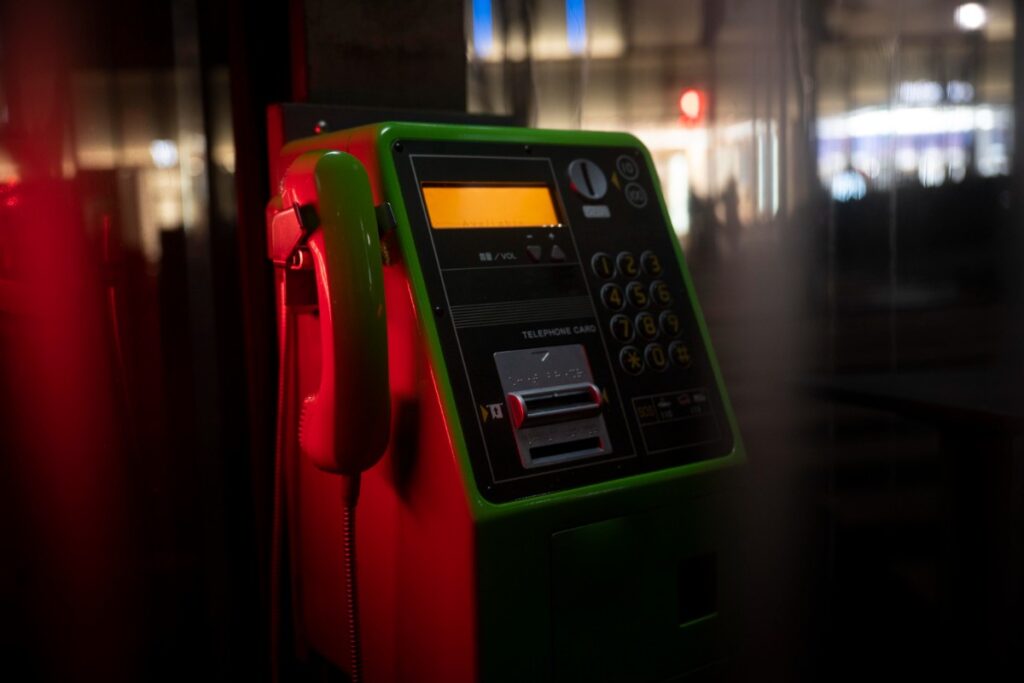
Needing to make a call without a phone in your pocket meant searching for a payphone. You had to carry coins just in case.
If you ran out of change, your call ended fast. Making a call was a bit of an adventure.
Sometimes, finding a payphone meant asking for directions or wandering around. It made staying in touch feel more special.
You couldn’t always be reached, and that was a kind of freedom. Payphones were everywhere, and using one felt like a mini mission.
Collecting physical postcards
Collecting postcards was once a popular hobby. Each card was a small piece of someone’s travels and memories.
You could find postcards everywhere—flea markets, thrift shops, or even in the mail from friends. They were cheap and easy to collect.
Reading handwritten messages on the back gave you a peek into someone else’s life. It felt personal and special.
Phones and computers make sending messages easy, but postcards offer a unique touch. Starting a collection today gives you something to hold onto.
Playing outside until dusk unsupervised
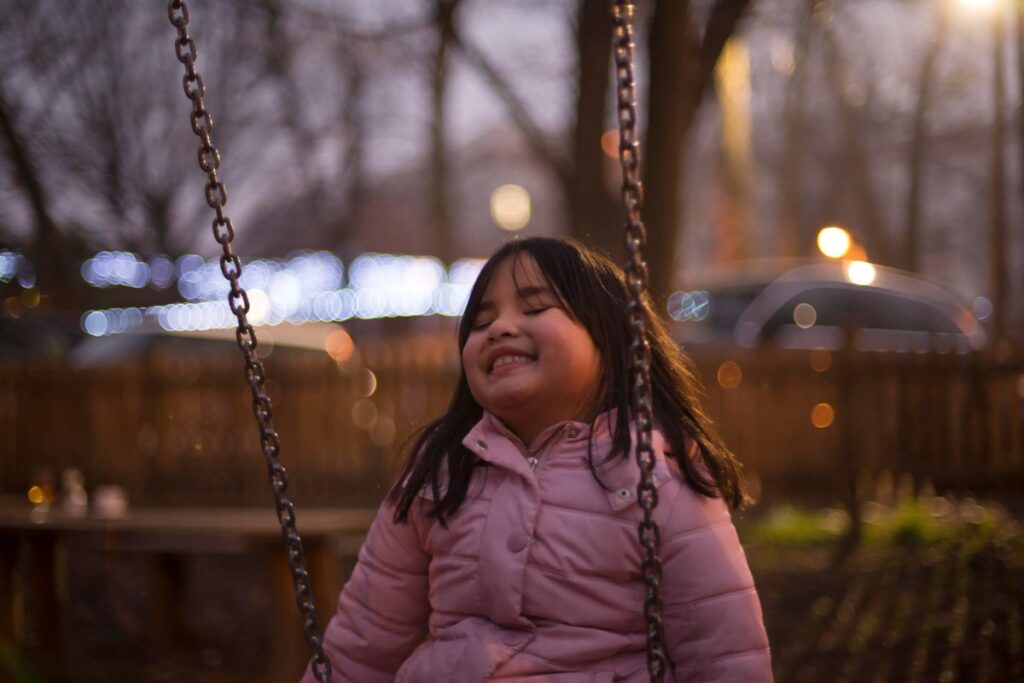
Long summer evenings spent outside until the streetlights came on were the best. No parents hovering, just you and your friends making up games.
You explored the neighborhood, climbed trees, and raced bikes. Those hours gave you freedom and independence.
Kids today don’t get to roam like that as often. Safety worries mean more supervision and less spontaneous play.
Letting kids play outside a bit longer, even in safe places, can help them taste that freedom. Those adventures stick with you forever.
Recording songs from the radio
You’d sit by the radio, finger poised on the record button, ready to catch your favorite song. Timing had to be perfect.
If you hit record too early, you got the DJ’s voice. Too late, and you missed the intro. It took patience and skill.
Waiting for your song to play could take hours. Each recorded track felt like a tiny victory.
Making mixtapes from the radio was a way to share your taste and mood. It took effort, but that made it special.
Trading Pokémon cards in person
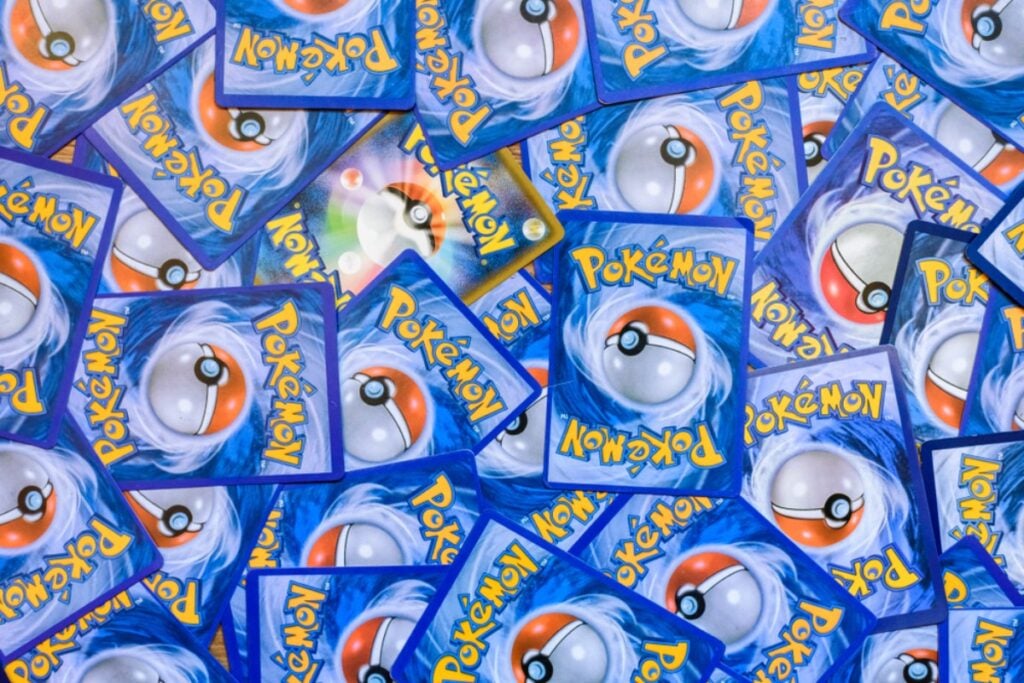
Meeting up with friends to trade Pokémon cards was a real event. You could see and feel the cards, and make deals on the spot.
Spotting rare cards and checking their condition was all part of the fun. Trading was about more than the cards—it was about connecting with others.
Special events or card shows brought collectors together, making trades even more exciting. You never knew what you might find.
Learning to spot fakes and making fair trades was part of the experience. Trading in person made being a fan even better.
Traveling meant keeping a big map book in the car. You had to unfold it and find your route before setting off.
Reading maps taught you to understand symbols and distances. It made you feel confident exploring new places.
Sometimes, someone else would help navigate, turning it into a team effort. You discovered hidden towns just by following the lines.
Kids today might not get this kind of hands-on navigation. Solving the puzzle of a map was an adventure on its own.
Watching Saturday morning cartoons
Saturday mornings meant waking up early, grabbing cereal, and watching cartoons in your pajamas. It felt like a weekly holiday.
Cartoons only aired at that time, so missing an episode meant waiting a whole week. There was no way to watch on demand.
You lived for those hours, laughing along with superheroes and silly animals. The excitement was real and set the tone for your weekend.
That simple joy shaped your childhood in a way that’s hard to explain to kids with streaming at their fingertips.
Playing with rotary phones
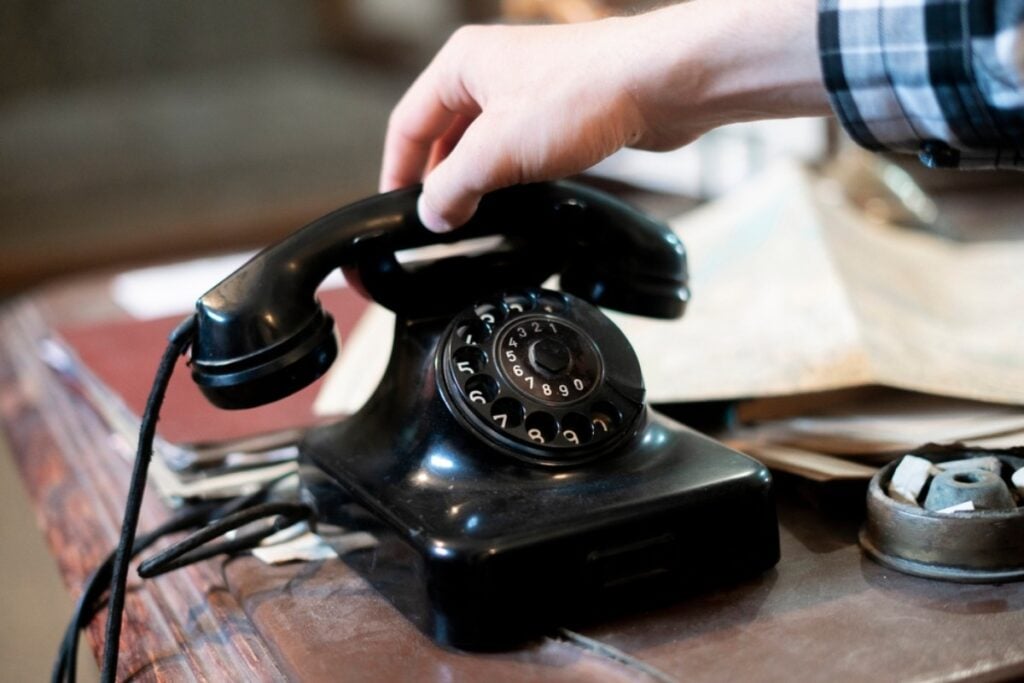
Rotary phones were a fixture in every home. To call someone, you’d spin the dial for each number, listening to the clicks as it returned.
The process was slow but oddly satisfying. Kids loved playing with the heavy receiver and spinning the dial just for fun.
Phones weren’t portable or touchscreens. Dialing took practice, and you felt in control each time you made a call.
Having one phone for the whole house made it a shared experience. Using it was both fun and a little bit magical.
Sending handwritten letters
Writing a letter by hand is a lost art for many kids today. Each letter felt unique, from your handwriting to your choice of paper.
Getting a letter in the mail was a real treat. It showed someone took time just for you.
Handwritten letters could be saved and reread for years. They connected people across distance and time.
You didn’t need perfect penmanship—just a little effort and heart. Adding doodles or stickers made it even more special.
Listening to vinyl records
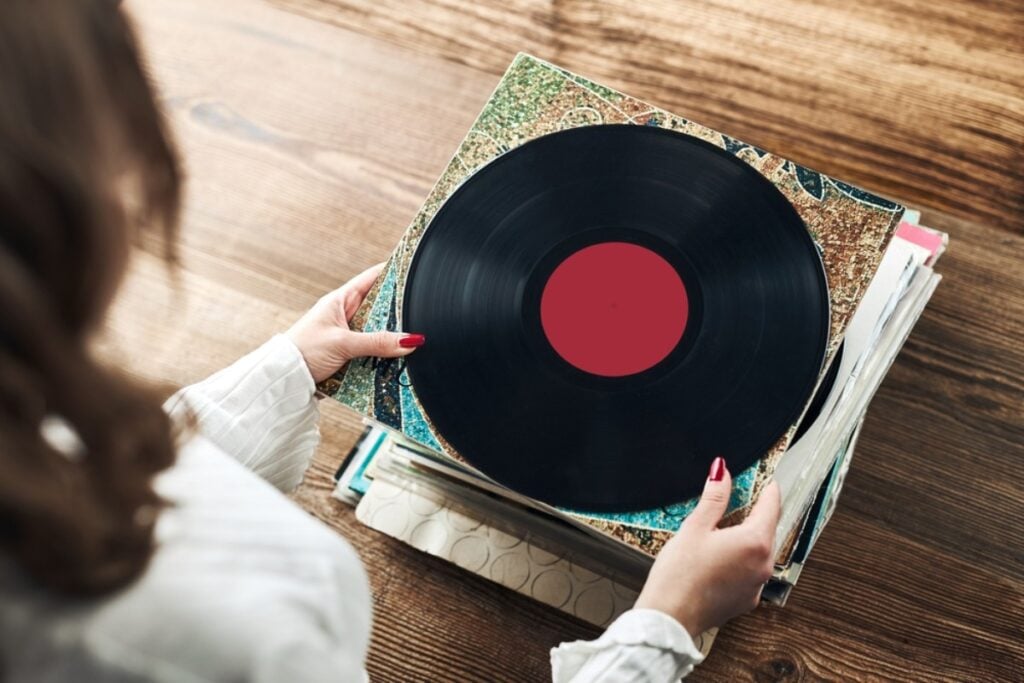
Playing a vinyl record was an experience in itself. You’d carefully place the needle and listen as music filled the room.
The crackles and pops between songs were part of the charm. It made the music feel alive and real.
You had to flip the record to hear the other side, breaking up the music into little stories. Album covers and liner notes added to the fun.
Listening to vinyl was a ritual that slowed things down. Most kids today miss out on that kind of magic.
Dialing rotary phones
Imagine picking up a phone and having to spin a heavy dial just to call your friend. Each number meant carefully turning the dial until it hit a metal stop.
The dial would make a clicking sound as it spun back, and you had to wait for it to finish before moving on. If you messed up a number, starting over was the only option.
Rotary phones usually sat on a table or hung on the wall, always with a long, curly cord. Walking around during a call just wasn’t possible.
Making a call took patience and felt like a little accomplishment each time. For many, dialing was almost a skill you picked up over time.
How Technology Is Shaping Childhood Memories
Think about how different childhood feels now compared to your parents’ or grandparents’ days. The way you connect, play, and make memories has changed a lot, all thanks to technology.
The Shift to Digital Interactions
You might spend hours chatting, gaming, or sharing moments online. Instead of meeting up in person or calling on the phone, your friendships often live on screens.
Screenshots, memes, and playlists become part of your memories. Staying in touch with friends far away is easier, but sometimes it can feel less personal.
Changing Ways of Play
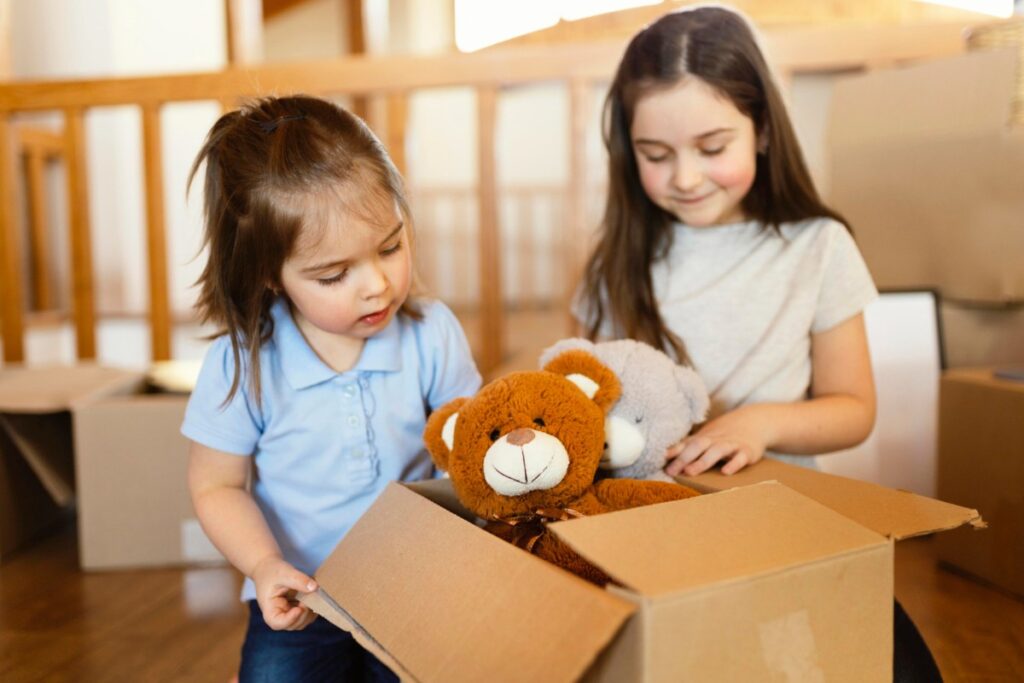
Playtime isn’t just about running outside or riding a bike anymore. Many favorite games happen through apps or consoles.
Classic toys and board games are often swapped for digital adventures. Real and virtual worlds blend together, making memories that might surprise older generations.
Why Nostalgia Matters Across Generations
Nostalgia connects you with family by bringing back moments that feel warm and familiar. It helps you understand stories from the past and see life through your grandparents’ eyes.
Listening to old stories or sharing a laugh with grandparents builds a strong emotional bond. These memories create a sense of belonging and make family traditions feel special.
Some feelings, like love and joy, stay the same even as times change. Holding onto these emotions helps bridge the gap between generations and keeps connections strong.
Bridging the Generation Gap
Remembering old stories can feel like traveling back in time with your grandparents. These memories give you a glimpse into their lives and help you see the world through their eyes.
It becomes easier to listen and learn when you know where someone is coming from. Sharing memories can build trust and open up conversations you might not have had otherwise.
Blending old stories with your own experiences can make your relationship with family feel more meaningful. You might even find yourself seeing your family in a whole new light.