
15 Cleaning Mistakes That Actually Make Your Home Dirtier and How to Avoid Them Easily
Cleaning routines can sometimes backfire, making your home less fresh than you’d expect. Some habits that seem helpful might actually leave behind more mess or germs.
Using a dirty sponge to wipe surfaces
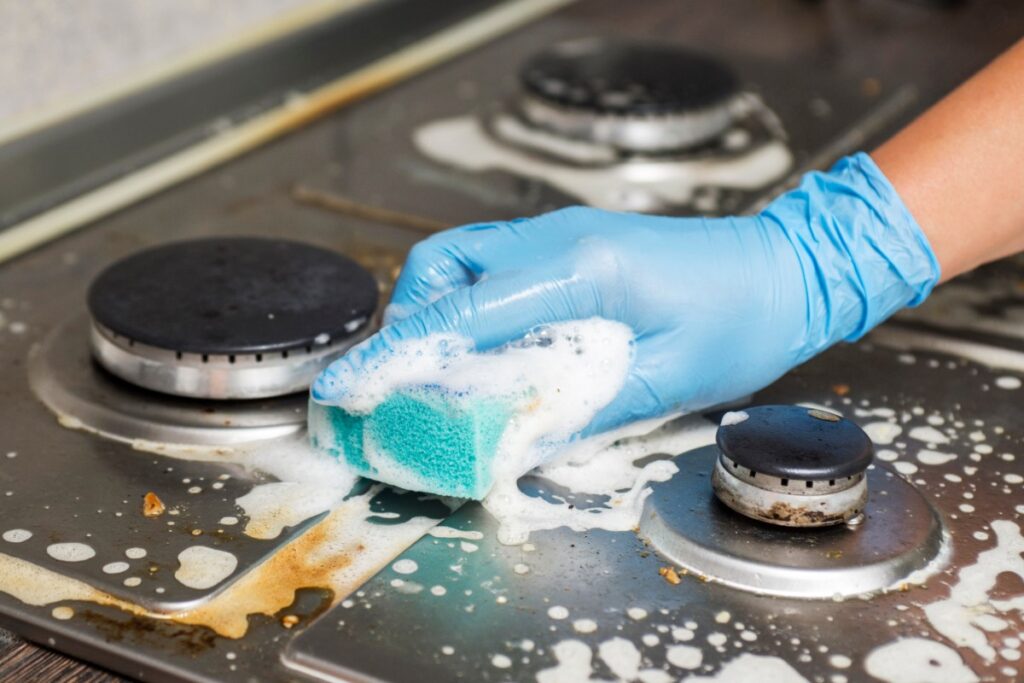
A dirty sponge spreads germs instead of cleaning. Sponges can trap bacteria, grease, and food particles, turning them into a breeding ground for microbes.
If your sponge smells or looks grimy, it’s time to toss it. Regularly replacing or sanitizing your sponges keeps your surfaces clean.
Avoid rinsing sponges only with water; use hot water and disinfectant. This small step prevents your cleaning tools from sabotaging your efforts.
Not changing the dishwashing water frequently
Hand washing dishes without changing the water often spreads grease and germs. Dirty water quickly loses its ability to clean effectively.
To keep your kitchenware fresh, change the dishwasher regularly. This helps break down oils and remove food particles better.
For healthier dishes and a cleaner sink area, fresh water is key every few washes.
Cleaning windows on hot sunny days
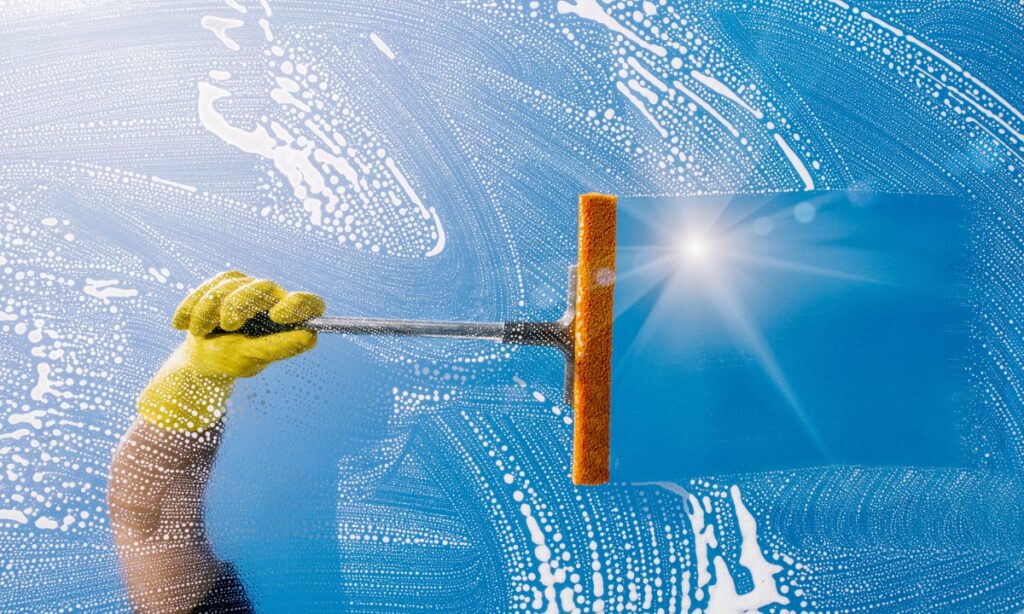
Cleaning windows on a bright sunny day can cause more streaks. When the sun heats the glass, your cleaning solution dries too fast, leaving spots behind.
This quick drying makes it hard to wipe evenly. Try cleaning your windows during cooler parts of the day or on cloudy days instead.
For more details, see why experts advise against window cleaning in hot weather.
Using vinegar on natural stone countertops
Vinegar might seem like a great cleaner for natural stone countertops, but it can cause damage. The acid in vinegar wears away the protective sealant on stones like granite and marble.
This leads to dull spots and etching, which makes your countertops look worn over time. Avoid acidic cleaners like vinegar and use products designed for natural stone or a mild soap with water.
For more details, check out this guide on cleaning natural stone countertops.
Neglecting to disinfect high-touch areas
High-touch spots like doorknobs, light switches, and remote controls are often overlooked. These areas are touched frequently and can harbor a lot of germs.
Disinfecting these spots regularly helps reduce the spread of bacteria and viruses in your home. Make disinfecting high-touch surfaces part of your routine.
Using fabric softener on microfiber cloths
Fabric softener clogs the tiny fibers in microfiber cloths, reducing their ability to trap dust and dirt. This makes your cloth less effective when cleaning.
Wash microfiber cloths with a mild detergent and avoid dryer sheets. If they start feeling stiff, add a cup of vinegar to the wash to soften the fibers.
For more on why fabric softener is a no-go, check out this detailed guide.
Washing clothes with too much detergent
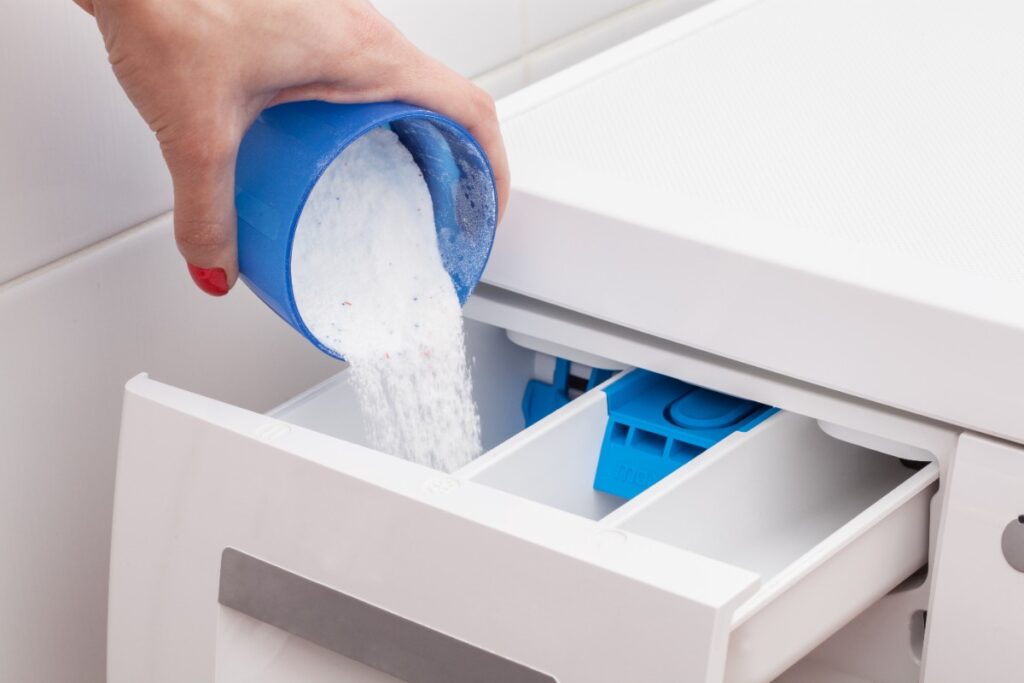
Using too much detergent doesn’t get your clothes extra clean. Excess soap leaves a sticky residue that attracts dirt and makes clothes look dull.
Too many suds make it harder for your washing machine to rinse properly. Some detergent stays trapped in your clothes, causing stiffness and unpleasant odors.
Using the same cleaning cloth for multiple rooms
Using one cleaning cloth for different rooms spreads germs and dirt from one area to another. If you clean the bathroom with the same cloth you use in the kitchen, you risk moving bacteria around your home.
Use separate cloths for each room. Color-coded microfiber cloths help keep things organized and hygienic.
This small change can make a big difference.
Not cleaning or replacing vacuum filters
Skipping filter maintenance can clog your vacuum with dust and allergens. This reduces suction power and makes your vacuum less effective.
A dirty filter can even push dust back into the air. Regularly check your filter and follow the instructions for cleaning or replacing it.
Most filters need attention every 1-3 months, but this varies. For more on this, see tips on vacuum maintenance and filter care.
Spraying cleaner directly on electronics
Never spray cleaning solutions straight onto your electronics. Liquids can seep into tiny openings, causing damage inside your device.
Put the cleaner on a soft microfiber cloth first. Gently wipe your screen, keyboard, or other surfaces.
This method keeps moisture from getting inside and helps avoid streaks or residue.
Overloading the dishwasher
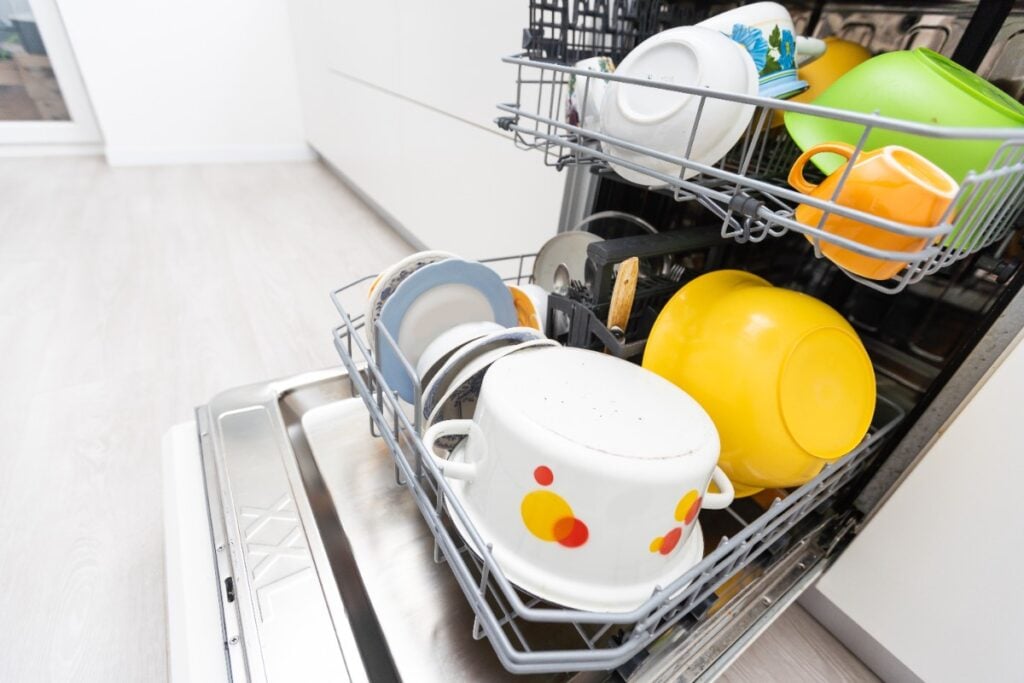
Packing your dishwasher too full blocks water and detergent from reaching all the dishes. Plates, glasses, and utensils might come out still dirty.
Leaving space between items helps the dishwasher clean better and avoids putting strain on the motor. A little extra patience keeps your dishwasher working well longer.
Ignoring the buildup on kitchen sponges
If you don’t clean sponges regularly, they can become a hotspot for bacteria. Food particles and moisture get trapped, making your sponge dirtier than expected.
Rinse your sponge thoroughly after each use and let it dry completely. You can also sanitize your sponge by microwaving it wet for a minute or soaking it in a bleach solution.
Using bleach on wood surfaces
Bleach can damage the wood’s finish and cause discoloration. It often weakens the surface and can lead to long-term damage.
If you want to clean wood, avoid bleach altogether. Try gentler cleaners made specifically for wood.
Some wood types don’t react well to bleach and may become brittle or rough.
Rinsing dishes but leaving grease behind
Rinsing dishes quickly might seem like enough, but leftover grease can stick around and make them look dull or feel sticky. Grease traps dirt and food particles, which attract more grime over time.
Make sure to use hot water and enough soap to break down the oils. Take a moment to scrub stubborn spots instead of just giving dishes a quick rinse.
Using a clean sponge or dishcloth helps prevent spreading grease. Pay extra attention to greasy pans and utensils, as they need more care to get truly clean.
Try rinsing twice or using a dishwasher with a good cycle to remove all grease effectively.
Mopping floors without sweeping first
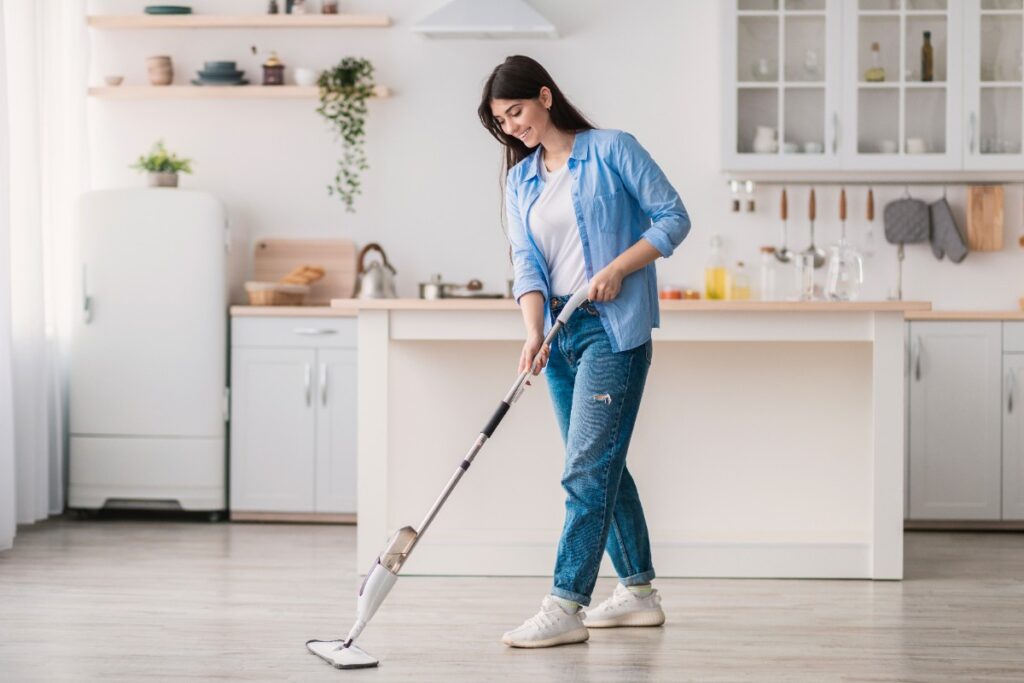
Skipping sweeping before mopping just moves dirt and dust around. Sweeping clears loose debris that can dirty your mop faster.
Using a dirty mop spreads grime instead of removing it. Taking a few minutes to sweep first makes mopping more effective.
Sweeping also protects your floors from scratches caused by grit. Don’t rush past this important step.