

15 Fitness Myths That Could Be Holding You Back at the Gym
Walking into the gym, you’ll hear plenty of advice from all directions. Some of these tips sound convincing but might actually be keeping you from reaching your fitness goals.
By clearing up these misconceptions, you’ll feel more confident and motivated to reach your goals.
Myth: You must stretch before every workout
You might think stretching before exercise is a must to prevent injury. However, research shows that static stretching right before your workout can actually reduce muscle strength and performance, especially in high-intensity activities.
Instead, focus on a dynamic warm-up to prepare your muscles. Moving through controlled motions warms you up better and gets your body ready for action.
Saving static stretches for after your workout helps improve flexibility and aids recovery.
Myth: Lifting heavy weights will make you bulky
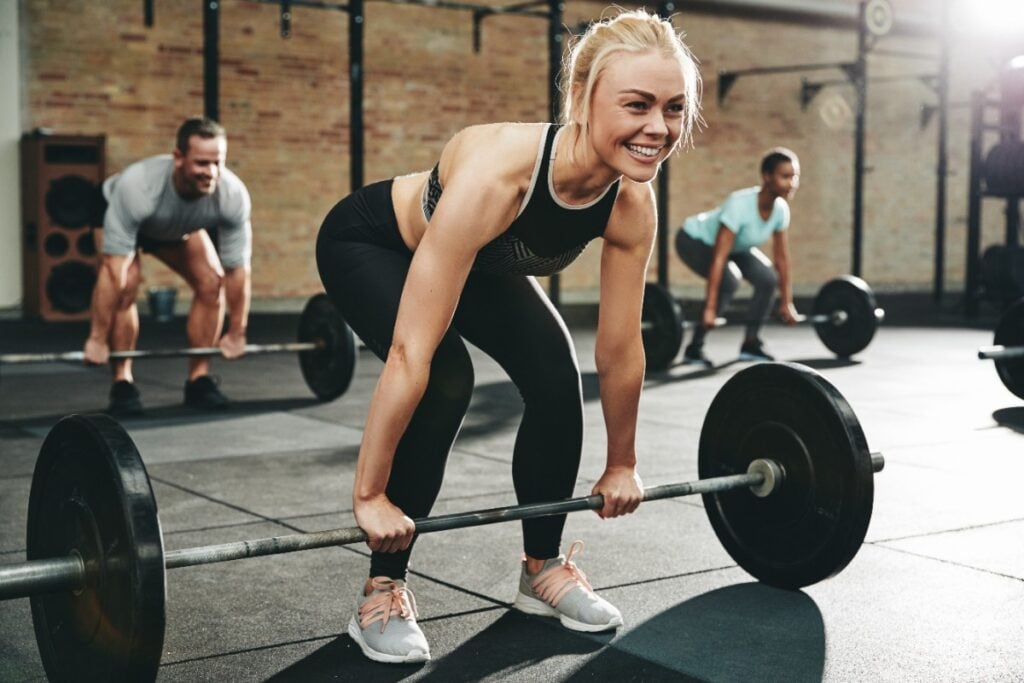
You might worry that picking up heavy weights will instantly make you look bulky, but that’s not how it works. Building noticeable muscle takes consistent training, specific nutrition, and quite a bit of time.
Lifting heavy weights helps you get stronger and boosts your metabolism without automatically turning you into a bodybuilder. Most people won’t bulk up unless they purposefully train for it.
Don’t let the fear of getting too muscular stop you from including heavy lifting in your routine. It’s a powerful way to improve your overall fitness and health.
Myth: More sweat means a better workout

You might think that sweating a lot means you’re burning more calories or having a more effective workout. In reality, sweat is your body’s way of cooling down, not a direct indicator of fat loss or workout quality.
How much you sweat depends on factors like temperature, humidity, and your genetics. You can have a great workout without dripping sweat.
Focus on how your body feels and your progress instead of the amount you sweat.
Myth: Spot reduction burns fat in targeted areas
You might have heard that doing crunches or leg lifts will burn fat in your belly or thighs. Unfortunately, this idea, called spot reduction, isn’t supported by science.
When you exercise a muscle, you strengthen it, but the fat loss happens all over your body, not just in the area you’re working. Your body decides where to lose fat based on genetics and overall fat loss, not the exercises you do.
Focusing on full-body workouts and a balanced diet is much more effective.
Myth: You need to train every day without rest
You might think working out every day speeds up your progress. In fact, rest days are just as important as your workouts.
Your muscles repair and grow when you take time off. Skipping rest can cause fatigue, increase injury risk, and lead to burnout.
Aim for 3-5 training days per week to balance effort and recovery. Always listen to your body and give it the breaks it needs.
Myth: Cardio is the only way to lose weight
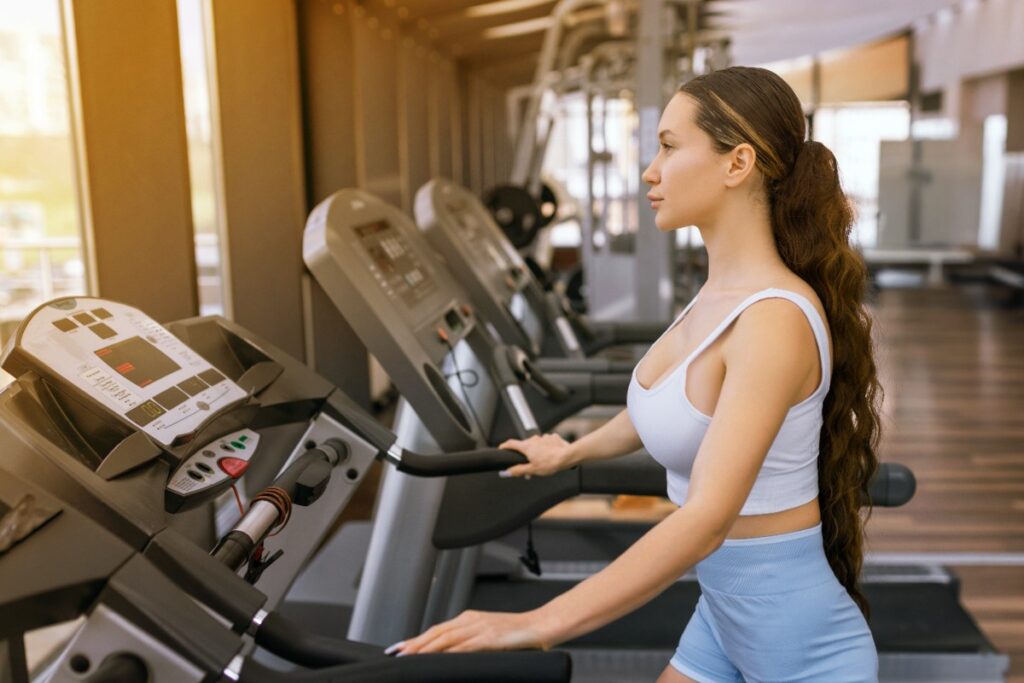
You might think that endless cardio is the best way to shed pounds. While cardio does burn calories and improve heart health, it’s not the only tool for weight loss.
Strength training plays a big role by building muscle, which boosts your resting metabolism. Combining cardio with resistance exercises and a balanced diet gives you better and more lasting results.
For a smarter approach to weight loss, make sure you include both cardio and strength training in your routine. This balanced method helps change your body composition more effectively.
Myth: Muscle turns to fat if you stop working out
You might have heard people say that muscle turns to fat when you stop exercising. This is not true because muscle and fat are two completely different types of tissue with different functions in your body.
When you stop working out, your muscles can shrink or atrophy due to lack of use. At the same time, if you keep eating the same amount without exercising, fat may accumulate.
Myth: Older adults shouldn’t lift weights
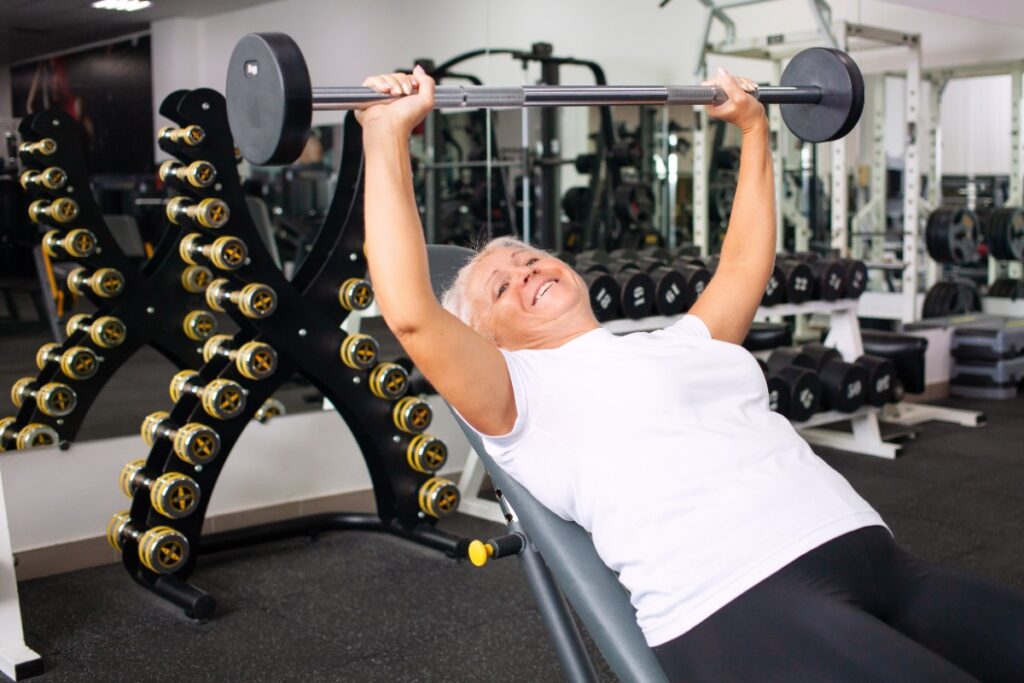
You might have heard that lifting weights isn’t safe as you get older. This is actually a myth.
When done with proper technique, strength training can be safe and very beneficial for you. Lifting weights helps maintain your muscle mass and bone density, which naturally decline with age.
It can also improve your balance and daily function. Many older adults successfully include strength training as part of their fitness routine.
Myth: You have to feel sore to know you had a good workout
Feeling sore after a workout doesn’t always mean you crushed it. Soreness, or DOMS, happens because of tiny muscle tears, not necessarily good progress.
You can have a great workout without soreness. Focus instead on your strength, endurance, or how well you performed.
If soreness is constant, it might slow your progress by limiting your ability to train regularly. Listen to your body and prioritize consistency over chasing soreness.
Myth: Eating fat makes you fat
You might have heard that eating fat will automatically make you gain weight. This isn’t true.
What really matters is the total number of calories you consume versus the calories you burn. Healthy fats like avocados and nuts can actually support your fitness goals.
They provide essential nutrients and help keep you full longer. Consuming excess calories from any source—fat, carbs, or protein—can lead to weight gain.
So, focus on balance and moderation rather than avoiding fat altogether.
Myth: Supplements are necessary for muscle gain
You don’t need supplements to build muscle. The key to muscle growth is eating enough calories and getting the right balance of protein, carbs, and fats in your diet.
Supplements like protein powders can help fill nutrition gaps when it’s hard to get enough from food. But they aren’t magic or required.
Myth: Women should avoid heavy weights to stay feminine
You might have heard that lifting heavy weights will make you bulky or less feminine. This is not true.
Women generally have lower testosterone levels than men, so building large muscles is much harder. Lifting heavy weights helps you build lean muscle, burn fat, and increase strength.
It supports overall health and improves your body’s shape, not just size. Avoiding heavy weights out of fear means missing out on crucial benefits.
Embrace strength training to feel stronger and more confident without worrying about losing your femininity.
Myth: You can out-exercise a bad diet
You might think that hitting the gym hard can fix poor eating habits. But no matter how much you exercise, a bad diet will limit your progress.
Nutrition plays a huge role in your fitness and body composition. You can’t simply “burn off” unhealthy food choices with workouts.
Focusing on balanced meals with the right nutrients supports your energy and recovery. Pairing good nutrition with exercise helps you see real results and feel better overall.
Myth: Machines are safer and better than free weights

You might think machines protect you from injury because they guide your movements. However, they can’t prevent poor form or improper positioning, which can still lead to injuries.
Free weights challenge your balance and engage more muscles, including stabilizers. This can help you build functional strength that translates better to everyday activities.
Machines are useful if you’re new or recovering from injury, but relying on them alone limits your progress. Knowing how to safely use free weights can improve your coordination and overall strength.
Myth: You must do long workouts to see results
You don’t need to spend hours at the gym to improve your fitness. What matters more is the quality of your workout, not the length.
Short, focused sessions can be just as effective as longer ones. Efficient workouts that include a mix of strength and cardio can help you build muscle and burn fat faster.
Consistency and smart training beats long, unfocused exercise every time.