
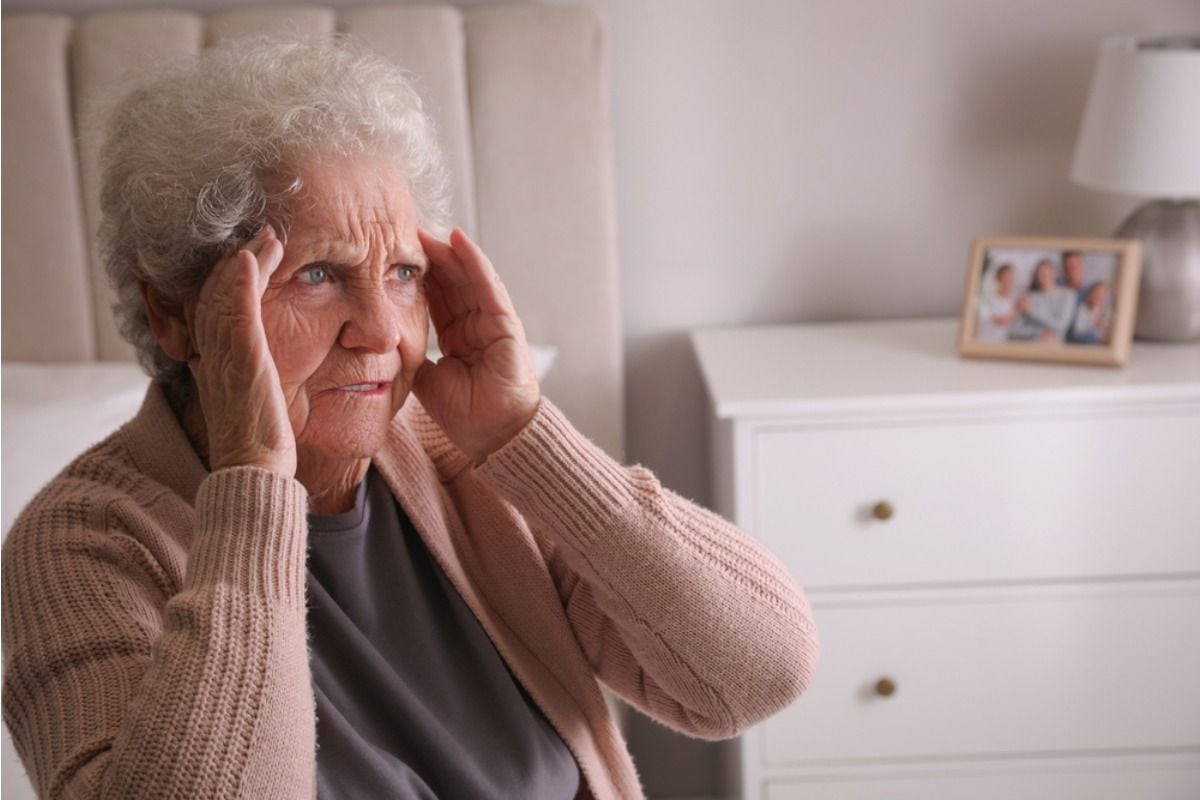
Woman Says Her Mom Still Lives Alone and Drives Despite Memory Issues, Now She’s Desperate to Get Her Help, “I Feel Like I’m Waiting for Something Bad”
She doesn’t remember her own mistakes. She refuses a doctor’s appointment. She still drives. She drinks. Those facts, all shared by a woman on Reddit who goes by u/Purple-lionesss, come through like a slow, rising panic: “I feel like I’m waiting for something bad.” That line, the mixture of helplessness and dread, is what made the original post land with so much urgency. It’s raw and familiar for anyone who’s watched a parent wobble between independent stubbornness and serious risk.
Exactly what the poster said happened
In the Reddit thread, the poster lays out a few specific incidents that illustrate the problem. Her mother, whom she believes has dementia, refuses to see a doctor and won’t follow through even when she agrees. The mother lives alone and still drives; she drinks heavily, which the poster suspects is making memory problems worse. The post includes two telling moments: first, an invitation to dinner. The mother agreed and said what she’d bring, and was “so excited.” The daughter reminded her the day before but intentionally didn’t remind her the day of. The mother didn’t show up, and the daughter didn’t call to follow up. When the daughter mentioned the missed dinner the next day, the mother suddenly remembered and became “sad and weepy.” The second example is a neurologist appointment the daughter made: the mother agreed to go, but when the daughter came to take her, the mother insisted she didn’t need it and refused to go.
Why this is gutting, and why the poster felt mean
The poster explains the reminder tactic as an attempt to demonstrate forgetfulness: she wanted her mother to experience the consequences of forgetting so the reality might sink in. But she also describes feeling awful about the result. Watching a parent get confused and then heartbroken is cruel by design, even when the goal is safety. That internal conflict, wanting to protect your parent and also fearing you crossed a moral line, is at the heart of her question: “Am I the asshole?”
How strangers on Reddit responded
The comment thread is small but pointed, with 15 replies offering a mix of practical tactics and emotional validation. Several commenters told her she wasn’t the asshole and emphasized that people with dementia often don’t respond to rational arguments. u/LeaJadis bluntly framed the problem: “The problem is that people with dementia don’t think rationally. You are not going to convince her that she needs help. You need subterfuge.” That commenter even suggested a deception tactic: invite the mother in the name of another need so she will come and then use the occasion to get her assessed.
Others echoed that approach with a slightly different spin. u/TararaBoomDA advised making the appointment but not telling the mother the real reason, treating it like an outing and taking her in the car, then slipping in a doctor’s visit before rewarding her with lunch or a movie. Practical and fraught, these suggestions underline how difficult it is to obtain voluntary care when a loved one denies a problem.
More institutionally minded options also appeared. u/CannedAm2 recommended contacting adult protective services, while u/Individual-Paint7897 urged calling the mother’s primary care physician, looking into geriatric specialists, social workers, and the Alzheimer’s Association for guidance. u/47sHellfireBound raised a blunt safety concern: “There are ways to get her out of the car before she kills someone because her reaction times and confusion are lethal.” Several commenters suggested recording conversations to document memory lapses and show them to the mother later as evidence, an emotionally fraught but concrete idea offered by u/concernedreader1982.
The emotional and legal tightrope: autonomy versus safety
This story sits in a painful gray area. On one side is respect for an adult’s autonomy: the poster’s mother lives independently and insists she doesn’t need help. On the other is a fear that her impaired memory and drinking create real danger, to herself and to others on the road. The Reddit thread reflects that tension. People sympathized with the daughter’s desperation while acknowledging how invasive and ethically complicated measures like deception or calling protective services can feel.
Those options also come with practical consequences: forcing an unwanted medical visit or getting the state involved can damage the parent-child relationship, but so can waiting until a crisis. The commenters who suggested contacting professionals did so because they wanted the poster to gain options that aren’t about lying, legal advice, social work support, driving evaluations, formal medical assessments, that can be used to protect both safety and dignity when possible.
Steps the poster can actually try next
Commenters clustered around several actionable next steps that don’t require inventing realities or swinging immediately to guardianship. First, document, gently, the incidents where memory failures cause harm or risk, including missed commitments, unsafe driving episodes, or confusion after drinking. Second, reach out to the mother’s primary care doctor or a geriatric specialist to explain the situation and ask for an assessment; physicians can sometimes initiate evaluations or suggest next moves. Third, contact local aging services, the Alzheimer’s Association, or a geriatric social worker for resources on how to move forward and how to have tough conversations.
Where immediate danger is present, for example, if the mother is driving inappropriately, commenters recommended contacting local departments for a driving assessment or adult protective services who have experience intervening to ensure safety. And if persuasion fails, some advocates suggested the painful but practical step of pursuing formal power-of-attorney or conservatorship so a trusted person can make decisions about driving and medical care, though commenters warned this is a legal and emotional escalation that should be handled with counsel.
What To Take From This
This Reddit post is a tiny example of a huge, common problem: families trying to hold together love and safety when a parent’s memory and judgment fray. The daughter’s actions, withholding a reminder, making an appointment, feeling guilty, are familiar to anyone who’s tried to force a hard truth on someone unwilling to accept it. The takeaway isn’t a simple moral judgment. It’s that you don’t have to choose between cruelty and inaction. There are real, sometimes ugly choices to make, and the best ones come with support.
If you’re in a similar situation, you don’t have to navigate it alone. Gather evidence, call medical professionals and aging services for concrete guidance, and consider short-term tactics that prioritize safety without burning bridges, like medically recommended driving evaluations or supervised outings that include an assessment. And remember the emotional labor: guilt, grief, and anger are normal. The Reddit commenters were clear about the stakes, and their practical advice shows a path forward that balances respect for a parent’s wishes with an urgent need to prevent harm.