
He Says He Opened Up to His Mom Instead of His Wife, Now She’s Spiraling: “I Must Be the Worst Wife”
There’s a tiny, poisonous moment many couples know: you reach for comfort and the person you love most collapses in on themselves instead of meeting you. That’s the moment this newlywed husband says he hit, and now it’s snowballing into full-blown family drama. He confided in his mother about a period of very bad mental health, something he’d avoided telling his wife because of how she reacts.
The wife found out, felt betrayed and shamed herself, and the couple is left wrestling with blame, hurt, and other family members stepping in. The Reddit poster wondered: was he wrong to open up to his mom instead of his wife? What followed online was a messy, very human debate about boundaries, safety, and where spouses should turn when things are hard.
What the Reddit post actually said
The original poster, u/Irish_go0dbye, explained that he and his wife are “fairly newlyweds” and both knew about each other’s mental health struggles before marrying. Since then, life’s pressures have ramped things up. He described their coping styles in clear contrast: when he’s struggling he “almost always go[s] inward, shut down, overthink, be in my own head,” while his wife “explodes outwardly, cries hysterically, feels unwell and has complete loss of appetite.”
He told readers he doesn’t keep secrets, but he has repeatedly warned his wife that opening up with her often backfires because her immediate reaction is to get very upset and for him to end up comforting her. So when his mother called and picked up on his tone, he “let everything off my chest” to her, honestly and without sugarcoating. His mom advised him to talk to his wife, but his reluctance won out.
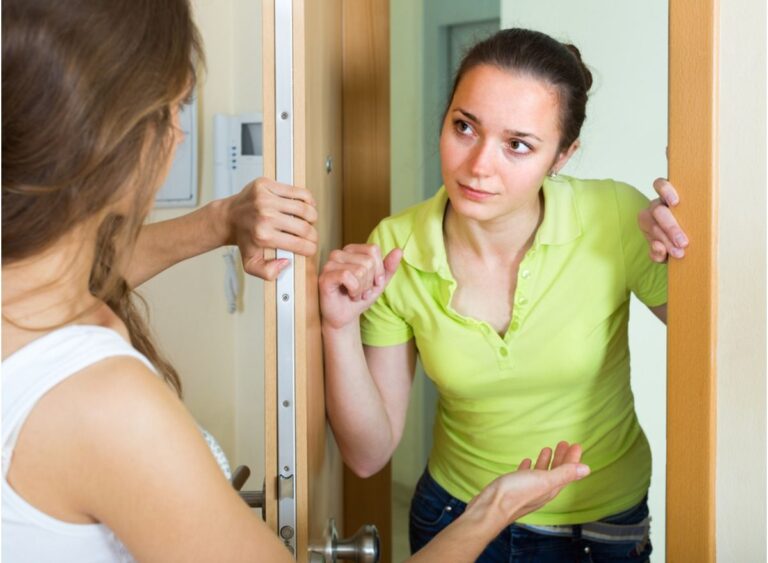
When his wife later learned about that phone call she interpreted it as betrayal. She reportedly spiraled into self-blame, saying things like “I must be the worst wife ever,” “you can’t even talk openly to your own wife,” and “Now I feel like the bad guy.” The mother-in-law then got involved and, according to the husband, said, “You can’t go running to your mom with all your problems, you’re married now, it should be between you and your wife.” The OP was left asking whether he’d been overly reliant on his mom and whether he was in the wrong.
Why the wife’s hurt makes sense, and why his reaction is understandable too
Put yourself in each role for a minute. From the wife’s perspective, hearing your partner confide in his mother about his low point can feel like being cut out of the most intimate circle. It can trigger shame and the thought that you’re failing as a partner: “You can’t even talk openly to your own wife.” That’s exactly what she said in the post, raw and painful.
From the husband’s side, he’d previously warned her that his disclosures usually derail into her distress, leaving him as the comforter instead of being supported. He’d tried to share with her before, and “within an hour I’ll regret opening my mouth.” So when his mom offered a safe, familiar place to unload without collapsing the conversation, he took it. That’s a very human impulse, to turn to someone who can hear you without crumbling.
What Reddit commenters said, a mix of boundary concerns, sympathy, and calls for therapy
Commenters didn’t all agree, but several common threads emerged. u/Normal-Wish-4984 urged therapy and warned about “asymmetrical dynamics” when a parent hears only one side of a marital problem, noting “your mom is only hearing your side of the story” and that she “is going to side with you no matter what.” That perspective raises a real risk: when parents become primary confidants, they can unintentionally stack the deck against a spouse and cause long-term friction.
On the other hand, multiple voices defended the OP. u/parkinglot-talks wrote “NTA” and argued a spouse isn’t the only person you’re obliged to speak with about serious matters, and that sometimes you need to process emotions with someone who knows you well before bringing them into the marriage. u/Due_Complex_1575 and u/peej74 suggested the wife’s pattern of turning everything inward as personal guilt or “always being the victim” may be a red flag that prevents safe vulnerability, and that the relationship could spiral into resentment without change.
Others landed in the middle. u/GigiGemini86 called it ESH: both the wife for making opening up about struggles about herself, and the husband for not addressing that pattern directly with his wife. Several commenters recommended both individual and couples therapy so the couple can learn to share safely and build skills for those high-emotion conversations.
Family dynamics and the escalation, why the MIL getting involved matters
The fact that the mother-in-law was brought into the loop escalates this from a private marital disagreement to a multilayered family argument. According to the OP, MIL’s response, “You’re married now, it should be between you and your wife”, is a familiar yardstick many in-law relationships wield to police boundaries and loyalty. But it overlooks nuance: spouses can and often should lean on trusted family, friends, or professionals, especially when one partner doesn’t feel safe being vulnerable.
Still, the MIL’s reaction captures a real sensitivity in many marriages: the desire for exclusivity in emotional labor. If a couple can’t navigate where and how to confide in others, those external voices can blow up small wounds into major conflicts.
What To Take From This
There’s no tidy winner here, but there are clear next steps that could soften the damage. First: name the pattern. The husband should tell his wife, calmly and compassionately, that his tendency is to withdraw and that her immediate collapsing response makes it hard for him to be vulnerable. She should own how that reaction makes her feel and why she spirals to self-blame. Second: set a safety plan for hard talks, a way to pause, de-escalate, and return to the conversation so both partners can stay present and supportive. Third: bring in a neutral third party. Multiple commenters suggested therapy for exactly this kind of stuck pattern; a therapist can help them practice being both vulnerable and emotionally regulated.
Finally, understand that leaning on family isn’t inherently wrong, but it becomes toxic if it sidelines your partner or creates one-sided narratives. If you’re the one who keeps confiding in a parent, or the partner who becomes the victim every time something is shared, that’s a pattern worth addressing on its own. This isn’t about policing love languages or handing out blame, it’s about building a marriage where both people can be fragile, be heard, and then be held.