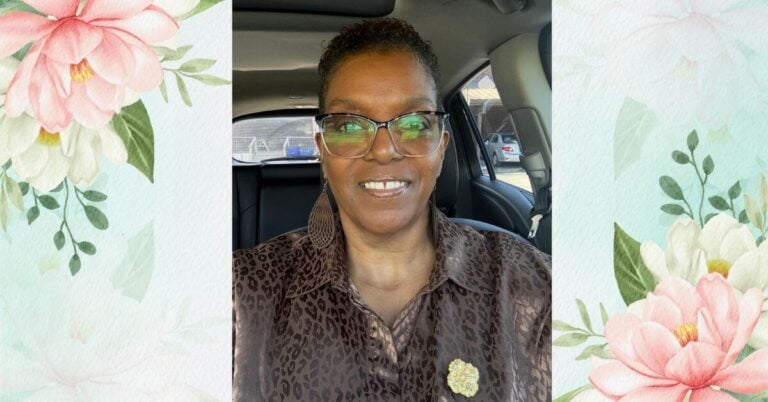

What I Wish I Knew About Money Before Turning 40
Money can be a bit like that distant aunt you only see at family gatherings: you know she’s there, but you don’t really understand her, and heaven forbid you get into a serious conversation. Many of us, especially women over 40, have had our share of financial missteps, misunderstandings, and missed opportunities. Whether it’s navigating career shifts, raising kids, or juggling the realities of life, our financial literacy often takes a backseat. So, let’s dive into what we wish we had known about money earlier and how we can turn those lessons into wisdom for a confident financial future.
THE POWER OF BUDGETING

Let’s start with the basics: budgeting. If you’re anything like me, you may have thought budgeting was just a fancy term for limiting your fun. But here’s the truth: budgeting is about empowerment. It’s about knowing where your money goes and making it work for you, rather than the other way around.
Start by tracking your expenses for a month. Seriously, don’t skip this step! You might be shocked to see where your money is leaking. Whether it’s that daily latte or subscription services you forgot you signed up for, gaining insight into your spending habits is the first step toward taking control. Create a budget that aligns with your values and goals. Remember, it’s not about deprivation; it’s about making choices that reflect who you are and what you want.
SAVINGS: MORE THAN A RAINY DAY FUND
Ah, the age-old advice to save for a rainy day. But let’s be real; life can sometimes feel like a monsoon. It’s essential to build not just an emergency fund but also a savings plan that allows for your dreams and aspirations.
Financial experts suggest aiming for three to six months’ worth of expenses in your emergency fund. But don’t stop there! Think about your future goals—travel, retirement, or maybe starting a side hustle. Set up different savings accounts for each goal, so you can visually track your progress. You’ll be amazed at how motivating it is to see your vacation fund grow!
DEBT: A LOVE-HATE RELATIONSHIP
Ah, debt—the frenemy we all know too well. If I could give my younger self one piece of advice, it would be to tackle debt head-on rather than letting it linger like an unwelcome guest. While some debt, like a mortgage, can be considered “good debt,” high-interest debt, like credit cards, can quickly spiral out of control.
Make a plan to pay off high-interest debt first, either through the avalanche method (paying the highest interest first) or the snowball method (paying off the smallest debts first for quick wins). The sooner you tackle it, the more financial freedom you’ll have later. Plus, less debt means less stress—a win-win!
INVESTING: IT’S NOT JUST FOR THE WALL STREET TYPES

Investing can sound intimidating, but let me let you in on a little secret: it’s not just for the financial elite. In fact, women have a unique advantage when it comes to investing—we tend to be more risk-averse and make more thoughtful decisions. But that doesn’t mean we should sit on the sidelines.
Start small. Consider opening a retirement account if you haven’t already. If your employer offers a 401(k) with matching contributions, that’s free money! If you’re self-employed, look into options like an IRA. Don’t forget to educate yourself on basic investment principles. There are plenty of online resources and books that can help demystify the world of stocks, bonds, and mutual funds.
THE IMPORTANCE OF FINANCIAL LITERACY
Here’s a reality check: financial literacy is crucial, and it’s never too late to learn. According to a survey by the National Endowment for Financial Education, many women feel unprepared to make financial decisions. The good news is that knowledge is power, and there are countless resources available to help you boost your financial IQ.
Look for workshops, webinars, or even local community classes that focus on personal finance. There are also numerous podcasts and books out there that tackle everything from budgeting to investing. Surround yourself with financially savvy friends—they can be a great source of support and motivation.
THE VALUE OF PLANNING FOR RETIREMENT
Retirement may seem far off, but trust me—it sneaks up quicker than you think. The earlier you start saving and planning, the better off you’ll be. It’s not just about saving; it’s about having a vision for your retirement lifestyle. Do you want to travel? Start a new hobby? Live by the beach? Knowing your “why” can help guide your financial decisions now.
Consider working with a financial advisor who understands your unique circumstances and goals. They can help you create a personalized retirement plan that considers your current financial situation and future aspirations.
FINDING YOUR FINANCIAL VOICE
Lastly, let’s talk about confidence. For many of us, discussing money can feel awkward. But the more we talk about finances, whether with friends, family, or financial professionals, the more empowered we become. Don’t shy away from asking questions or seeking advice. Remember, you have every right to take charge of your financial future.
So, what do you wish you’d known about money before hitting 40? Whether it’s budgeting, saving, investing, or simply being more vocal about your financial needs, take these lessons to heart. Your 40s and beyond can be a time of financial confidence and clarity, embrace it!