Beyond the Boxes: Navigating the Emotional Weight of Family Heirlooms
At a Glance
- Who It’s For: Women over 50 facing the emotional toll of cleaning out years of family heirlooms either from her parents’ home or her own home.
- What It’s About: Navigating the emotional weight of family heirlooms; Sorting family heirlooms with love, not guilt, to honor memory and improve everyday life.
- Core Ideas You’ll Explore: The Heirloom Trap; The Weight of Memory; Inherited Clutter; Lightening the Load.
- A Quick Test You Can Use: Would I choose this item if no one was watching?
- Immediate Actions: Keep items that serve your life today; take photos and write the stories behind them; pass on one meaningful piece to other family members; donate or repurpose the rest.
- Series Context: This is Part 2 of a three‑part series on family heirlooms (see related posts for full guidance).
- Key Takeaway: Memory matters more than the object; small, intentional choices bring peace and space.
If you’re standing in the middle of boxes after a divorce, a family death, moving elderly parents to a senior center, retirement, or maybe even an empty nest, you already know this truth: family heirlooms are rarely only objects.
Navigating the emotional weight of family heirlooms can bring up love, duty, guilt, memory, and pressure all at once, which is why deciding what to keep can feel so much heavier than it looks.
And for many women over 50, that weight lands right on top of other midlife shifts that are already asking a lot of your heart.
By the way, this article sits in the middle of a helpful series of articles I’ve written about digging through family heirlooms, regardless of the reason. Be sure to check out each article. These are the topics:
- choosing which family heirlooms truly matter;
- navigating the emotional weight of family heirlooms;
- doing a thoughtful midlife heirloom audit with more calm and less self-judgment.
Recent research shows many women over 50 feel more anxious and overwhelmed during seasons of change, so if sorting family pieces passed down through generations feels harder than expected, you’re not imagining it.
There’s compassion in this experience, but also practical clarity, because your next step doesn’t have to come from guilt. As you move through this season, it may also help to think about reflecting on your family legacy before you open the next box.
My Heirloom Findings, Plus Some Junk
These are just some of the items we discovered in my parents’ home before it was sold:
- coins or coin collections
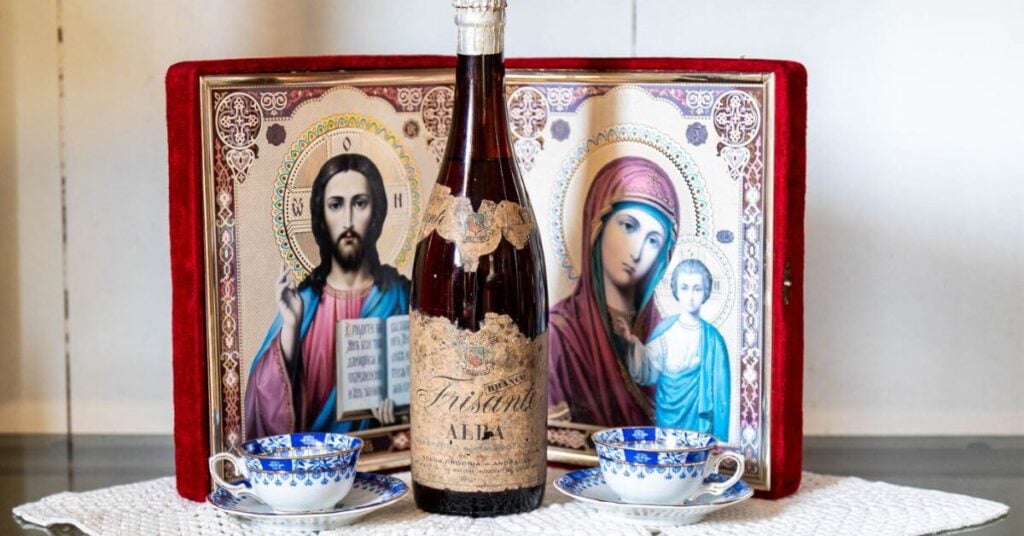
- religious or cultural items
- quilts and afghans
- tools and equipment (think about garages and sheds)
- military and service items (from my uncle)
- kitchenware (think old Corningware and foreign china)
- musical instruments
- original family documents dating back to the 1800’s
- an old stove
- boxes of china
- boxes of handmade ceramic pieces
- old dance costumes
- 70 years of Christmas decorations
- old toys
- clocks (we still have to do some research to learn about the origin of a few)
- weapons (we passed these on to cousins)
Obviously, not every item was a family heirloom. We sent more to the dump than we kept. But as you can see, this kind of task can become a full-time job if you have a large family.
So be prepared to take it slow. Ask a loved one to help you curate what moves forward with you. And just be thoughtful and intentional about what you want to keep for yourself and future generations.
The Heirloom Trap: What to Keep and What to Release
The heirloom trap happens when you navigate the emotional weight of family heirlooms based on guilt, fear, or duty — an emotional burden — not from real love or meaning.
Sentimental items like a box of dishes, a worn quilt, or a side table can start to feel like a test of loyalty. But keeping everything is not the same as honoring family history.
In many seasons of change, especially when emotions around these pieces are already running high, simplification and intentionality matter. You’ll want to carefully choose family heirlooms that truly matter. This is where clarity is important.
Why Guilt Makes Ordinary Objects Feel Untouchable
Guilt often shows up when a parent dies, when a house must be cleared out, or when no one else wants the items. Suddenly, the guilt of letting go makes a chipped serving bowl of little material worth feel sacred.
An old blanket feels too loaded to question. The object may be ordinary, but the loss around it is not. This stems from psychological ownership, which makes everyday items feel untouchable.
Sometimes guilt says: If I let this go, I am letting them go too. Other times it sounds more like pressure: I should keep this because Mom loved it, or someone in the family probably wants this.
According to advice on managing heirlooms when downsizing, this tension is common, especially when families are making quick decisions during stressful transitions.
Guilt can make an object feel bigger than it is, because grief is sitting right behind it. That doesn’t mean you’re weak or overly sentimental. It means you’re human.
How to Tell the Difference Between Love and Obligation
A meaningful heirloom usually brings comfort, connection, or a clear story with real sentimental value.
An obligation piece usually brings pressure, heaviness, or a low-grade sense of dread. That difference matters.
Try this quick test: Would I choose this if no one were watching?
If the answer is yes, the item may truly fit your life. If the answer is no, you may be carrying someone else’s expectation and you should get rid of that item.
You can also ask:
- Does this bring warmth? Or does it bring stress?
- Would I make space for it today? Or am I afraid to disappoint someone?
- Do I love the item itself? Or only the memory attached to it?
If grief is making every choice feel tangled, it may help to read about models of grief for heartache. Love can live in your heart, your stories, and your values. It doesn’t have to live in every single object.
The Weight of Memory: Which Family Heirlooms Are Still Serving You?
When you think about emotional attachment to heirlooms, it helps to ask a very present-day question: does this item still support my life now?
Memory matters, of course. But a meaningful object should add comfort, beauty, or steadiness to your home as a tangible connection, not more pressure.
In this season, the goal isn’t to keep the most things. It’s to keep what still feels like love in living form.
Keep the Items That Support Your Life Today
The best heirlooms are often the ones that still have a place in your everyday world, demonstrating emotional durability that withstands the test of time. They don’t sit in a box making you feel responsible. They quietly serve you.
Maybe it’s a recipe box you still reach for on holidays. Maybe it’s a quilt folded at the end of your bed, or framed photos that make you smile when you walk by.
Those pieces do more than remind you of someone, acting as a vessel for memory. They help you feel rooted in cherished memories.
That’s a good sign.
If an heirloom brings peace, warmth, or a sense of belonging, it has earned its place in your life today. In many families, the most lasting legacy isn’t the expensive item. It’s the object tied to ordinary love, much like the things grandkids will always remember about you, the little rituals, stories, and comforts that stay with people.
Notice When an Heirloom Brings More Sadness Than Comfort
Some objects keep grief fresh. Others stir up old family pain, regret, tension, or complicated family stories.
And sometimes an item is simply emotional clutter, heavy to store, heavy to see, heavy to decide about.
If that’s true for you, pause and tell yourself the truth — letting go of an heirloom that hurts does not mean letting go of the person. Love does not live only in objects. It also lives in memory, stories, and the life you carry forward.
If you need a reminder of that, this piece on grief is love with no place to go can be a gentle comfort.
An heirloom should help you remember with tenderness, not keep you stuck in pain.
A Simple Question That Brings Clarity Fast
Ask yourself: Do I have an emotional attachment to this item?
Then go one step further:
- Is this attachment loving and grounding, or mostly guilt?
- Does this item feel useful, meaningful, or just hard to release?
That quick check can cut through a lot of fog. If the attachment feels warm, true, and life-giving, keep it. If it feels like obligation in disguise, you have permission to let it go. Save the story, not every single thing.
Inherited Clutter: Rethinking Your Family’s Must-Keeps
Family rules about what must be saved can quietly turn into clutter, stress, and conflict.
A lamp gets boxed up, a china set gets moved three times, and a drawer of letters stays shut for 20 years, not because anyone truly chose it, but because no one wanted to be the one to decide. That happens all the time when decluttering sentimental items like family heirlooms.
Many so-called must-keeps, such as family artifacts, were simply passed along on autopilot. You are allowed to pause, look again, and ask whether they still belong in your life now.
Who Decided This Had to Be Saved Forever?
Some items carry real family meaning. Others just carry age.
That’s an important difference. A piece can be old without being precious. It can be inherited without being deeply personal. Sometimes we keep things because they mattered to someone else, and sometimes we keep them because the family story says, We don’t get rid of that.
But old rules deserve a fresh look. If an item has been in storage for decades, ask yourself what is really being protected, the memory, or the discomfort of making a choice as the keeper of the stuff? If the answer feels muddy, that alone tells you something.
Not every object that survived the years has earned a permanent place in your home.
When Siblings and Family Expectations Make It Harder
This gets even more loaded when siblings are involved. One person sees legacy in inherited items, another sees clutter. One remembers Sunday dinners, another remembers hauling the same cabinet from house to house.
Old family roles can creep in fast. Maybe you were always the peacemaker. Maybe your opinion was brushed aside. Try to stay grounded and stick to simple truths: different meaning does not equal disrespect.
A calm script can help. Say, “If this matters to you, I want you to have the chance to keep it.” That keeps the focus on care, not combat. If you need a softer approach for shared family pieces, these gentle ways to sort family heirlooms can help.
Ways to Honor the Story Without Keeping the Stuff
You do not have to keep every object to keep the love, despite spiritual contagion — the belief that essence lives in the objects themselves.
Often, a few simple steps are enough:
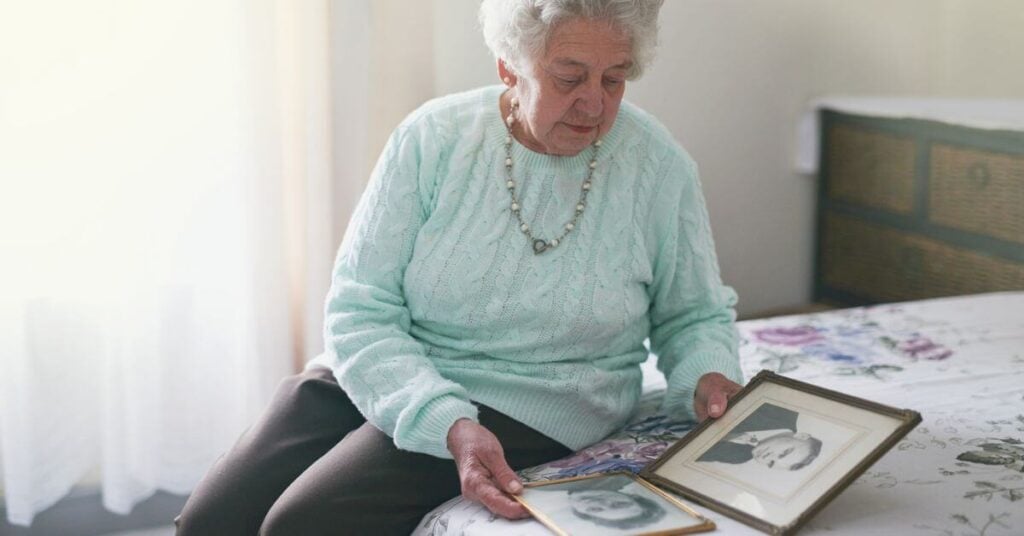
- Take photos of the item from a few angles.
- Writing family stories behind it, even if it’s only a few lines.
- Digitize letters and cards so the words stay with you.
- Pass one meaningful piece and its family stories to a relative who truly wants it.
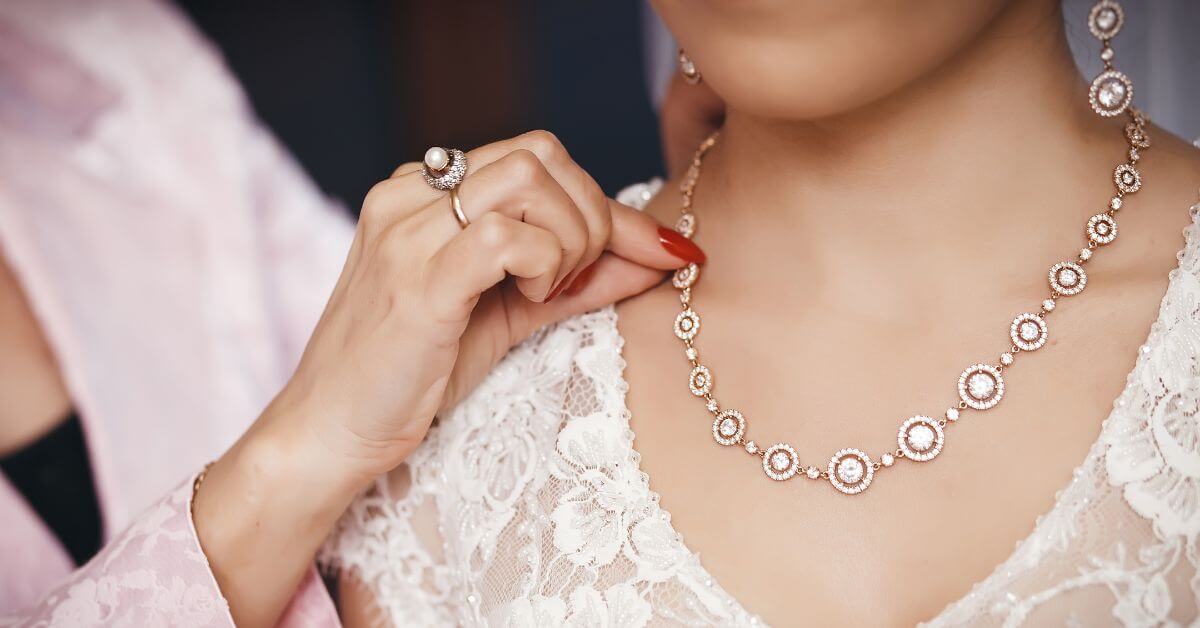
- Repurpose fabric or jewelry into something useful now.
- Donate with intention so the item can be used and appreciated.
This is the freeing part. The story can stay, even when the stuff goes. That practical shift is showing up more often in current advice on guilt-free heirloom decisions, and for good reason. Memory lives much bigger than a box in the attic.
Lightening the Load: Why Some Treasures Aren’t Worth the Space Anymore
Passing down family heirlooms is a beautiful way to honor your family’s history, traditions, and the memories you hold dear. But you also have to consider space; you can’t keep it all. You need space to breathe and the freedom to keep growing in your current life.
I totally forgot about my grandmother’s scary ugly rocking chair! (It used to scare the bazooky out of me! 😂) It found its way to me recently so I’ve spoken to a cabinet maker about refinishing it. I also have a family piano from the late 1800s that was nicely refinished and found its way to me a couple of years ago.
These pieces are not valuable pieces and they don’t even match my home decor, but they are meaningful to me:) I also have a female bust that belonged to my grandmother that came to me recently — she was the only girl my grandmother ever had since she had four boys. So I kept all these items… (my sister wanted nothing to do with any of these things:) I thought they were worth the space. Maybe someday I will change my mind, but for now, I have made space for them:)
Letting go of heirlooms can be an act of peace, not betrayal. In midlife, many of us want a home that feels lighter, calmer, and easier to care for.
When inherited items fill closets, spare rooms, and mental space, they can quietly keep us tied to roles, grief, and pressure we are ready to loosen.
Releasing what no longer fits creates breathing room, not just on a shelf, but in your heart too. That is permission, not pressure.
Your Home Does Not Have to Be a Storage Unit for the Past
Your home is meant to support the life you’re living now. It isn’t meant to hold every chair, dish, or framed memory from every chapter that came before — unless you want certain items like the scary ugly rocking chair🙂
This matters even more when you’re downsizing, living in a smaller space, or simply craving a softer kind of energy at home. If you’re in an empty nest season, these downsizing tips after kids move out can help you make choices that fit the woman you are today.
A peaceful room can steady you. A packed room can drain you. A calmer home often starts with one brave decision: not everything meaningful has to stay.
Pin to your favorite Pinterest Board for Later
What to Do with Heirlooms No One Wants
One of the hardest questions is simple and painful: What do you do with family heirlooms no one wants? Start by offering them to family members or future generations, clearly and without guilt. If no one says yes, that is still your answer.
Then choose the next best path with care:
- Check value first: Seek professional care to appraise pieces that may be antique, rare, or collectible.
- Preserve the memory: Take photos and write down the story before letting go.
- Pass it on well: Donate, consign, or repurpose the item as vintage decor so it can be used again, aligning with sustainable living.
We have had people who remove junk pick up the leftover items that no one wanted. Their prices were well worth us not having to deal with the leftover items anymore. But I did not stay around to witness the stuff being put on the truck. I knew I would want to change my mind about too many things:)
How Releasing the Right Items Can Feel Like Self-Trust
Sometimes letting go is how you prove to yourself that you can choose wisely. You are not losing your family by releasing a table or a box of linens. You are choosing what supports your life, your energy, and your next season.
That is self-trust and stewardship.
For many women, this connects to a deeper shift in identity. Midlife asks you to notice what still fits and what doesn’t. If that feels familiar, this piece on navigating identity shifts in midlife may feel like a mirror. Keep what feels true. Release what feels heavy. That is how healing begins.
FAQ: Common Questions About Letting Go of Family Heirlooms
These are some of the most common questions people ask when they’re sorting sentimental items, grief, and inherited items. If you’re trying to decide what to keep, what to release, and how to do it without regret, simple answers can bring a lot of calm.
Recent advice on getting rid of sentimental items without guilt points to the same truth: you can honor the memory without keeping every object.
When it comes to family heirlooms, the goal is not to keep the most. The goal is to keep what still feels honest, loving, and right for your life now. Some pieces deserve a place in your home. Others deserve a photo, a story, and a graceful goodbye.
Honor the People, Not Just the Possessions
You can respect your family’s collective identity while preserving family history without turning your home into a storage space for every past chapter.
In fact, the most loving choice is often the clearest one. Keep the items that serve as time capsules, bringing comfort, beauty, or true connection, and let the rest bless someone else.
Your memories are not less real because an object is gone.
Choose Peace as You Move Forward
If this process has stirred up a lot of emotions, that makes sense. Navigating the emotional weight of family heirlooms runs deep because their sentimental value reflects how love runs deep. Still, you are allowed to choose space, calm, and self-trust.
In addition to our three part series on family heirlooms, these related articles may help you choose what to keep and what to release:
- 8 Practical Tips for Downsizing and Reorganizing after the Kids Move Out
- Essential Tips: Decluttering and Downsizing for Seniors and Aging Adults
- Overwhelmed by Clutter? How to Reclaim Control Without Losing Your Mind
And this is the other article about family heirlooms:
Remember, take it one box, one memory, and one brave decision at a time. You’ve got this, sister.
With light and love,
Susan