You’re Not as Cultured as You Think If You Haven’t Experienced These 11 Things
Think you know what it means to be cultured? It might not be what you expect.
Real cultural awareness often comes from small, everyday choices and experiences that change how you see the world.
Mastering chopsticks in Vietnam
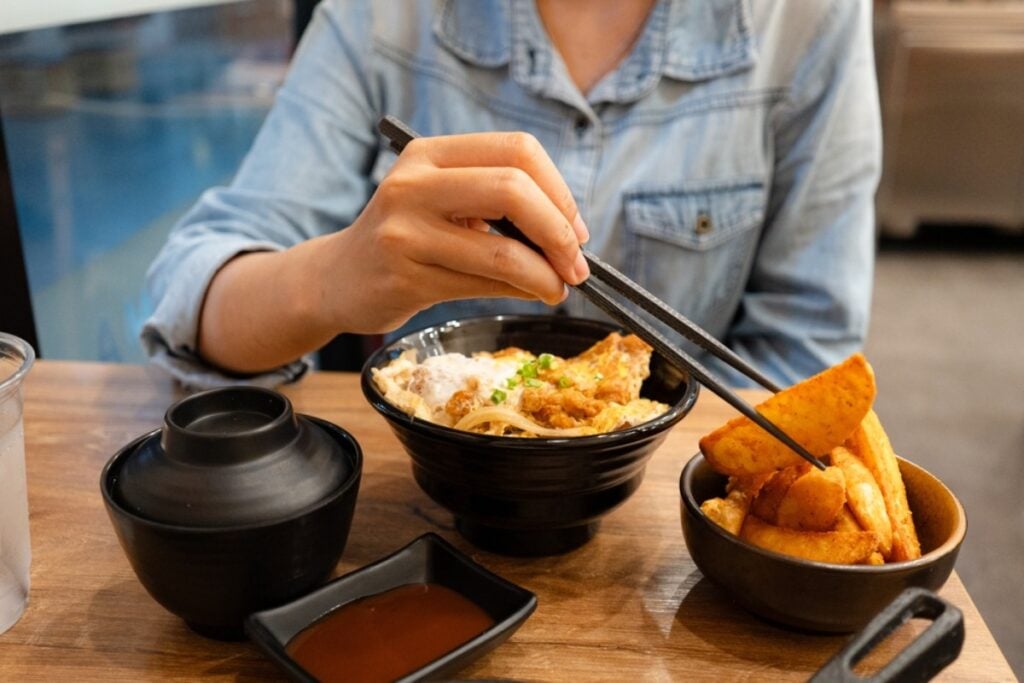
Traveling in Vietnam means chopsticks are part of almost every meal. Learning to use them helps you join in and shows respect.
Start with the basic grip and practice picking up small pieces of food. Watch locals for tips, like not sticking chopsticks upright in a bowl.
You might feel awkward at first, but a little patience pays off. Soon, you’ll find yourself eating with confidence and connecting more with people around you.
Confronting mortality through Buddhist philosophy
Buddhist philosophy encourages you to see death as a natural part of life. Noticing impermanence helps you let go of small worries.
Practicing daily reminders of mortality can feel strange, but it makes priorities clearer. Meditation and acceptance can bring more compassion for yourself and others.
Engaging in thoughtful, open-minded discussions
Listening is key. Ask open-ended questions and stay curious about other perspectives.
Avoid jumping to conclusions or getting into heated debates. Admitting when you don’t know something opens space for real learning.
Focus on connecting instead of winning. Honest conversations help you grow and understand others better.
Respecting diverse cultural traditions sincerely
Respect starts with listening and asking simple questions. Let people explain what matters to them.
Join traditions with humility and follow the host’s lead. Learn a few phrases or customs before attending events.
If you make a mistake, apologize and try again. Supporting others’ rights to keep their traditions matters more than fitting in perfectly.
Traveling solo to unfamiliar countries
Traveling alone pushes you out of your comfort zone. You’ll rely on your own judgment to navigate new places and situations.
Being solo makes you more open to spontaneous moments and new connections. Planning ahead helps you stay safe and enjoy the experience.
Learning basic phrases in multiple languages
Knowing a few words in another language goes a long way. Simple greetings and polite phrases can warm up any interaction.
Practice out loud and use apps or flashcards to remember key phrases. Locals usually appreciate the effort, even if you stumble.
Keep it practical with words for directions, food, and basic courtesies. Small attempts make travel more memorable and meaningful.
Experiencing traditional ceremonies authentically
When you attend a local ceremony, start by observing. Notice the order and gestures to avoid interrupting.
Dress appropriately and ask before taking photos. Bringing a humble attitude helps you connect without causing offense.
If unsure, ask a local guide or elder how to participate. Respectful curiosity makes the experience richer for everyone.
Trying street foods where they originated
Street food is a window into local life. Sampling small bites lets you taste a variety of flavors and traditions.
Talk to vendors when you can. They often share stories behind the dishes.
Choose busy stalls for fresher food and a safer experience if you have dietary concerns. Every bite can become a lasting memory.
Listening to music from different cultures deeply
Listening to unfamiliar music opens up new worlds. Pay attention to unique instruments and rhythms.
Try following translated lyrics or reading about the music’s background. Sharing new finds with friends makes the experience even better.
Reading literature outside your usual genres
Pick up a book outside your comfort zone. You might find new ideas or writing styles that surprise you.
Look for authors with different backgrounds or stories unlike your own. Reading widely expands your view of the world.
Visiting lesser-known cultural sites
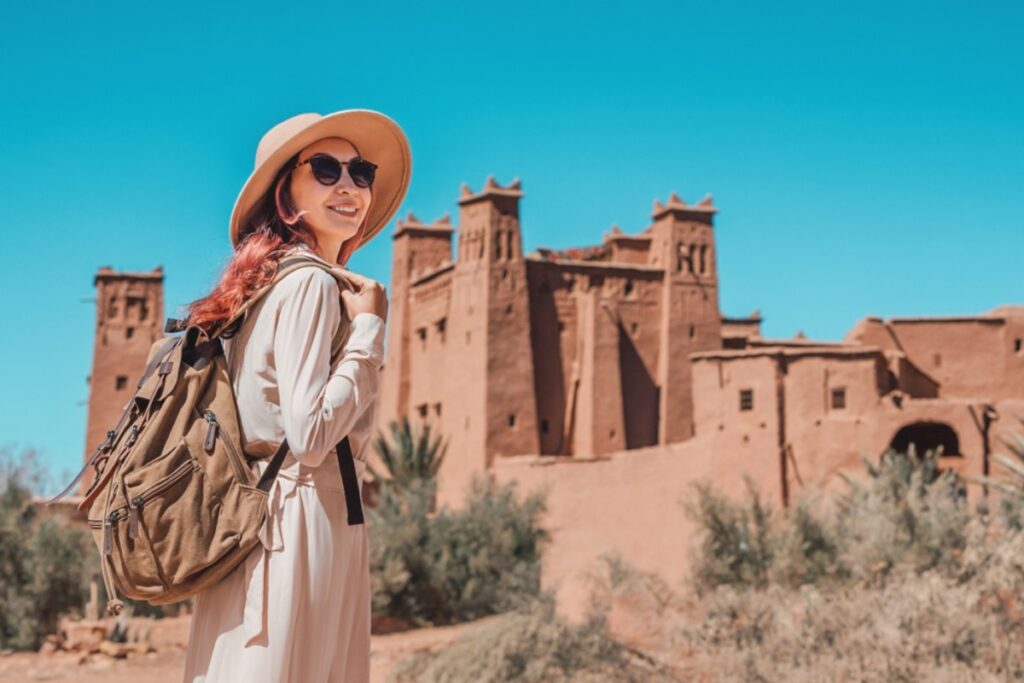
Going beyond the main tourist spots often leads to deeper discoveries. Smaller museums and local landmarks reveal how people live and remember their history.
These places are usually less crowded, giving you more chances to talk to locals and see authentic traditions. Supporting local businesses helps keep these sites alive.
What It Really Means To Be Cultured
Being cultured is about noticing how people live, think, and create. It shows in your curiosity, the foods you try, and how you treat those who are different from you.
Defining Cultural Awareness
Cultural awareness means recognizing how history, language, and daily habits shape a group of people. Noticing details like greetings and customs helps you avoid mistakes and connect more easily.
You build awareness by listening, asking questions, and observing without judgment. Small steps, like learning a phrase or trying a new dish, show respect and open doors to understanding.
Common Misconceptions About Culture
Culture is more than art and music. It’s found in daily habits and how people interact.
Being cultured isn’t about showing off what you know. It’s about having curiosity and humility, and being open to learning from others.
Comparing cultures isn’t about better or worse. Focus on understanding differences and the reasons behind them.
Benefits Of Broadening Your Cultural Horizons
Opening yourself to different cultures can shape how you think and connect with others. You gain new skills and learn to see problems from fresh perspectives.
Personal Growth Through New Experiences
Trying foods, festivals, or routines from other cultures helps you adapt and grow. It builds confidence and flexibility.
Cultural experiences sharpen your listening and problem-solving skills. Small choices, like exploring new music or books, add variety to your life and change how you see the world.
Building Better Connections With Others
Ever felt unsure how to connect with someone from a different background? It can feel awkward, but small efforts go a long way.
Showing respect for someone’s customs or language makes a difference. Even learning a few greetings or asking about a family tradition shows you care.
People notice when you make that effort. Often, they respond with more trust and openness.
Cross-cultural knowledge also helps you avoid misunderstandings. Sometimes a gesture or word means something different, and noticing that can make conversations smoother.
This is important in friendships, at work, and even when meeting someone’s family.
Try learning basic phrases in another language. Ask about traditions before making comments.
Share something from your own culture in a simple, respectful way. These little habits can turn short exchanges into real relationships.