
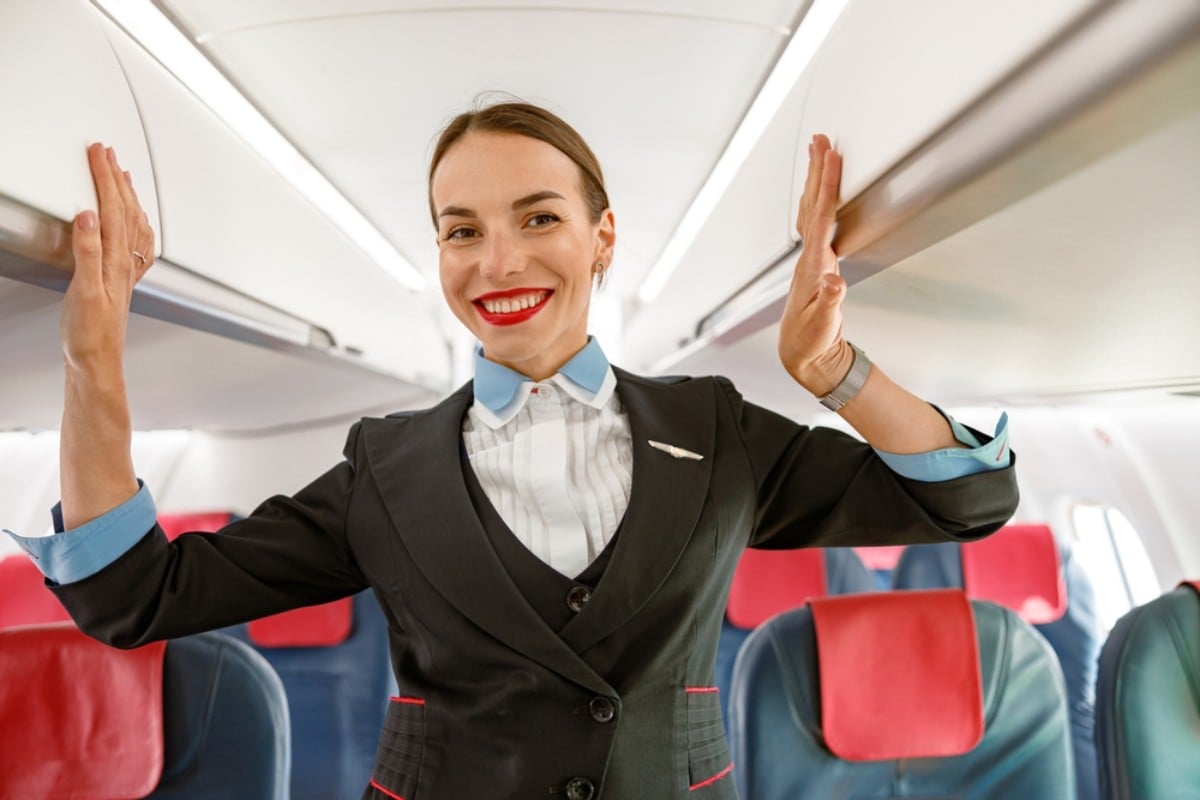
The Real Reason Flight Attendants Hate When Passengers Wear Shorts on Planes
Ever notice how seasoned travelers rarely board a plane in shorts? Flight attendants have seen it all and many urge passengers to keep their skin covered, not just for style but for some very real hygiene reasons.
Long pants or skirts can help you dodge direct contact with seat surfaces and cabin areas that see hundreds of travelers each day. That simple change can make a big difference in comfort and cleanliness.
Let’s get into why covering up is a smart move, what lurks on those seats and floors, and the easy habits flight crews wish more people followed.
Plane seats aren’t deep cleaned between flights, making exposed skin contact risky.
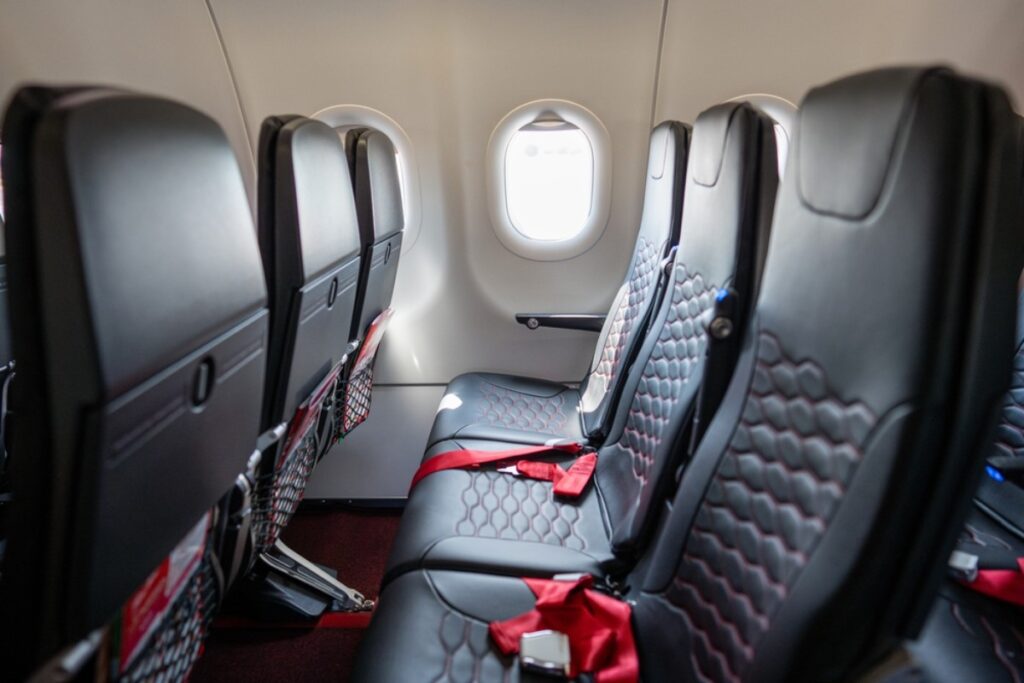
After each flight, cleaning crews usually focus on collecting trash and wiping down obvious messes. Deep cleaning of fabric seats and hidden crevices happens much less often.
Crumbs, sweat, and skin oils left behind can collect where you sit. Wearing shorts means your skin touches these surfaces directly.
Airline cleaning often targets tray tables and armrests, but upholstery is easy to overlook. Using long pants or even a travel blanket puts a layer between you and whatever’s on the seat.
If you’re worried about germs, bring disinfecting wipes for tray tables and armrests. For the seat itself, the easiest defense is to keep your skin covered.
Shorts increase your chances of contact with germs on seat surfaces.
Wearing shorts means more of your legs touch the seat, armrests, and tray tables. These spots see a lot of use and can hold onto dirt and bacteria from many passengers.
Quick turnaround times mean not every surface gets a thorough cleaning. That increases the odds you’ll come in contact with residues left behind.
Resting your legs on armrests or shifting in your seat puts bare skin right where germs might be. Long pants add a simple barrier that keeps your skin safer.
Shorts also leave your knees and lower legs exposed when you move around the cabin. Lightweight pants can keep you protected without making you overheat.
Wearing pants protects your legs from coming into contact with potentially dirty areas.
Keeping your skin covered from the seat to the floor lowers the chance of touching spills, crumbs, or germs. Pants act as a shield, especially during long flights when you move around more.
Your legs can easily brush against tray tables, armrests, or the seatback pocket. Pants help avoid direct skin contact with those spots.
If cleaning misses a spot between flights, residue from drinks or body fluids might still be present. Covering up gives bacteria or viruses one less way to reach you.
Pick pants that are comfortable and easy to wash. It’s a low-effort way to stay cleaner in a shared space.
Cabin floors can be grimy, and shorts leave your legs exposed to bacteria.
Feet often rest on the floor or near the aisle where countless people walk. Those areas see spilled drinks, crumbs, and dirt that cleaning crews may not catch.
Bacteria like E. coli and staph can survive on fabrics and floors for hours or even days. Long pants give your skin a simple barrier against those microbes.
Bare legs are more likely to touch seats and tray tables when you move around. Keeping your skin covered lowers the chance of picking up germs.
If you love the comfort of shorts, try bringing a light wrap or long socks. Small changes like that can help you stay cleaner.
Air circulation can spread germs, so covering up helps reduce exposure.
Cabin air is always moving and can carry droplets and particles through the plane. Exposed skin is more likely to come into contact with those particles.
Longer clothing acts as a barrier between your skin and the air. Fabric can catch some particles that might otherwise land on your legs or arms.
Seats, tray tables, and armrests also collect germs from many travelers. Covering up reduces how much bare skin touches these surfaces.
Breathable, washable fabrics keep you comfortable and are easy to clean after the flight. That way you bring home fewer unwanted souvenirs.
Flight attendants recommend long pants to maintain in-flight hygiene.
You’re sitting on a seat that’s seen many passengers before you. The fabric and armrests are not scrubbed down between every flight, so keeping your skin covered makes sense.
Long pants also protect you from spills and crumbs that can land on the floor or your seat. They help keep your legs safe from cold air and from rubbing against surfaces that might carry bacteria.
If you have sensitive skin or small cuts, pants reduce the chance of irritation or infection. Soft, breathable fabrics like cotton or lightweight joggers can keep you comfortable.
Shorts can lead to skin irritation due to allergens on seats and armrests.
Airplane seats might look clean, but dust, pollen, and pet dander can stick to upholstery. Wearing shorts means your skin comes into direct contact with these allergens.
These particles can cause itching or a rash, especially if you’re prone to allergies. Even a short flight can leave you uncomfortable.
Armrests and tray tables also collect debris, and your bare legs or knees can brush them during the flight. Cleaning residues and fabric fibers can make irritation worse.
Long pants create a barrier between you and these irritants. Soft, breathable fabrics can keep you cool while protecting your skin.
Temperature changes during flights make pants more comfortable than shorts.
Cabin temperatures can swing from warm to chilly during a flight. Planes often start out warm, then cool off once you’re in the air.
Pants let you layer easily. Roll them up or choose breathable fabrics for warmer moments, and pull them down if the cabin gets cold.
If you nap or sleep, pants help keep your legs warm without needing a blanket. That’s handy on long flights where blankets might run out.
Your circulation can also feel better in trousers on long trips. Pants protect your skin from cold air and help you stay cozy.
Avoiding shorts reduces risk of cuts or scrapes from tight cabin spaces
Moving down a crowded aisle, knees and shins often bump against seats, tray tables, or luggage. Long pants give your skin a layer of protection from small bumps and scrapes.
Cabin storage and narrow aisles force you to twist or squeeze into tight spots. Fabric helps prevent minor abrasions when you reach for bags or step past seats.
Spills or sharp edges on seat frames can catch bare skin. Keeping your legs covered reduces the chance of getting a cut.
On longer flights, swelling can make seats press harder against your legs. Pants help keep skin from rubbing raw when you’re sitting for hours.
Covering up respects other passengers’ comfort and perceived cleanliness
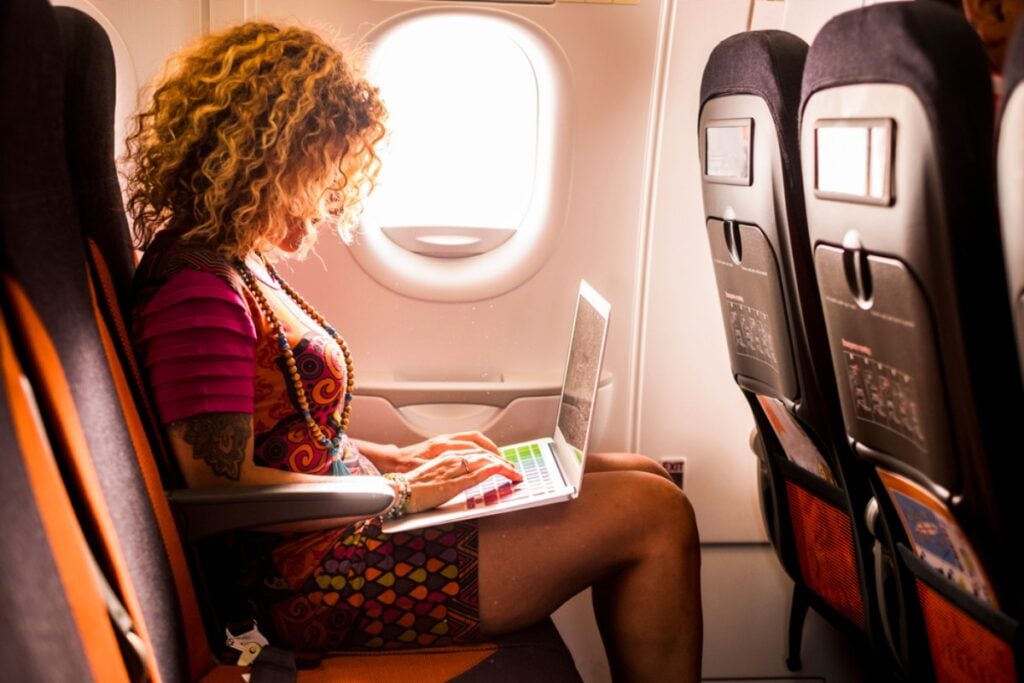
Wearing pants or a longer skirt keeps your skin off shared surfaces. That small step can make nearby passengers feel better about hygiene.
Airplane seats and armrests see lots of contact, so keeping your legs covered lowers the chance of picking up dirt or germs.
Choosing modest clothing shows you considered others in a crowded space. People have different comfort levels on planes, and simple coverage helps everyone relax.
If you still prefer shorts, bring a light wrap or travel blanket to drape over your legs. It keeps you cozy and shows consideration for those around you.
Why Hygiene Matters on Flights
You’re in a shared space for hours with recycled air and lots of touchpoints. Keeping skin covered and hands clean lowers your risk of picking up germs and helps others nearby.
How Germs Spread in Airplane Cabins
Planes use HEPA filters, but air still moves along the cabin and can carry droplets from coughs or sneezes to other rows. Close seating means you might inhale droplets from someone a few rows away, especially during boarding or meals.
Germs spread when people touch surfaces, then touch their face. If your bare skin hits an armrest or seat, microbes from previous passengers can transfer to you.
Simple steps cut risk: wear long pants, sanitize hands after touching high-contact areas, and avoid touching your face until your hands are clean.
Hidden Risks of In-Flight Surfaces
Seats, tray tables, seatbelt buckles, and window shades get touched all the time but rarely get a deep cleaning between flights. Spill residue and skin oils can harbor bacteria and viruses for hours or days.
Upholstery and fabric trap sweat, skin cells, and microbes more than plastic or metal. Bare skin touching the seat cushion or armrest increases direct transfer.
Protect yourself by covering exposed skin, using a disinfectant wipe on your tray table and armrest, and keeping socks on instead of bare feet.
What Flight Attendants Want You to Know
Flight attendants notice which surfaces get the most use and how little time there is for cleaning between flights. They want passengers to choose clothes that protect skin and make the flight more comfortable.
Industry Insights on Cabin Cleanliness
Flight crews see tray tables, seat belts, armrests, and seat fabric touched by hundreds of people daily. Cleaning between flights usually means trash removal and wiping obvious messes. Deep cleaning of fabric seats happens much less often.
Hard surfaces like tray tables and lavatory handles get wiped down more regularly. Fabric seats can hang onto skin oils, sweat, and crumbs.
Carry disinfectant wipes if you want to clean armrests and tray tables yourself. A thin travel blanket or seat cover can also create a barrier between your skin and the seat.
Recommended Attire for Air Travel
Plane seats are not always the cleanest, so it helps to think ahead about what you wear. Pants or long skirts made of breathable fabric keep your skin off the seat and help you stay comfortable.
Lightweight joggers, linen trousers, or cotton leggings work well for both short and long flights. These options let you move easily while also providing a bit of protection.
Socks with closed-toe shoes are a must if you want to avoid stepping on the plane’s floor with bare skin. Bring a light jacket or shawl that you can drape over your lap for extra warmth or coverage.
Skip flip-flops, especially if you plan to rest your legs on the seat or armrests. Tuck a small pack of wipes and a thin lap blanket in your carry-on so you can quickly clean your space or add a layer between you and the seat.