
I Refused to Let Sick Kids Into My House Right Before Traveling Internationally and Now Everyone Is Upset
You can almost hear the exhale of five bags hitting the front porch: clothes that weren’t theirs, a laptop, a curling iron, and a three-year-old niece who had been living under the same roof as a very sick five-year-old nephew. That’s the scene one Reddit user, u/IsabellaGalavant, painted in a post that quickly turned into an online argument about boundaries, common sense, and what counts as being “rude” when you’re trying to protect your health before an international trip.
What actually happened, step by step
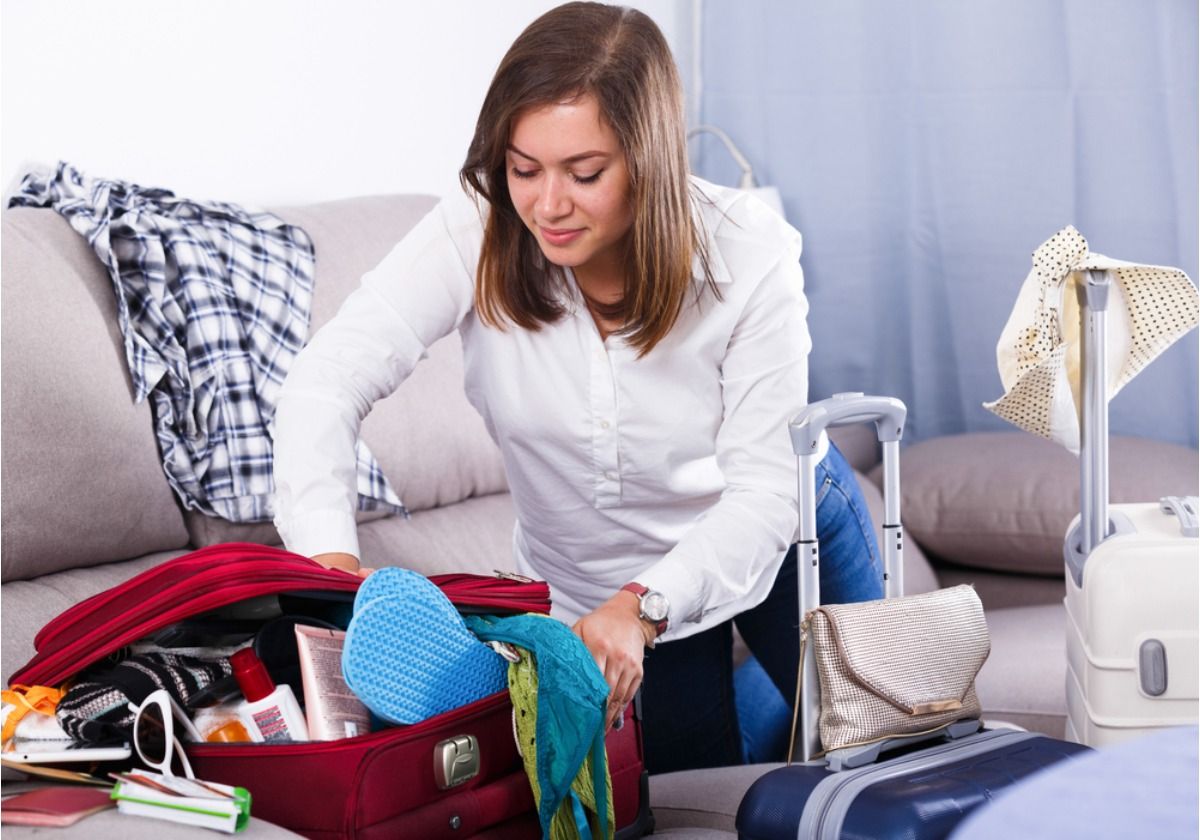
The original poster says she and her husband are flying to Vietnam for five days and leaving on Saturday. For weeks they’ve been telling the husband’s mother that they don’t need anything for the trip. Despite that, the MIL showed up the night before with five bags of stuff she insisted they take, mostly random clothing (the MIL is a different size), a laptop, a curling iron and “random junk.” The MIL had also brought the OP’s three-year-old niece because she’s been watching the niece and a five-year-old nephew who has been running a fever over 100°F for several days.
According to the poster, the MIL kept insisting “It’s okay, she’s not sick!” when trying to usher the niece into the house. The OP pushed back: the niece may not be symptomatic now, but she has been around her sick brother and could easily be incubating or carrying the illness. The OP refused entry for the child, the MIL agreed and did not let the niece inside, and afterward the husband told the poster she was “really bitchy” and “a real asshole” for saying no.
Why the OP felt justified
The emotional core of the OP’s reaction is practical fear. International travel multiplies the stakes: a 15-hour flight, long security lines, unfamiliar medical care and a short trip where even a single day lost to illness ruins most of the plan. The poster points out she’s not being paranoid, she’s being cautious. If a family member has had a fever for days, the odds that a toddler living in the same house has been exposed are high. Saying no to potential exposure before a big trip is not only reasonable; it’s responsible.
There’s also the weariness at the larger behavior pattern. The OP had repeatedly declined any more “help” for the trip, yet her MIL arrived with five bags of things they explicitly said they didn’t want. That kind of boundary-pushing, plus the health risk, compounded the OP’s frustration.
Why the husband’s reaction matters
What turned a one-night squabble into relationship drama was the husband’s response. He framed his wife’s refusal as “bitchy” and an overreaction afterward, rather than backing a boundary that protected both partners. That response made the situation feel less like a temporary squabble and more like a pattern: whose priorities come first, the OP’s health and travel plans or the MIL’s desire to provide and to bring the kids inside?
Readers who’ve navigated in-law friction will recognize how the moment became a test of partnership. The OP’s question, am I the asshole?, was as much about whether her husband would have her back as it was about whether she’d been rude to his mom.
How Reddit reacted
The post drew hundreds of comments and a lot of sympathy. The top-voted responses largely supported the OP. One commenter wrote plainly, “NTA. Your MIL needs to learn boundaries and that will only happen if you draw a line in the sand.” Others echoed that sentiment: “NTA,” “I wouldn’t want it even if I wasn’t traveling,” and “NTA but your husband is for calling you one.”
Commenters emphasized a few consistent themes: exposure risks are real (a child in the same household as a febrile sibling is almost certainly been exposed), bringing bags of unwanted items is intrusive, and that a spouse should generally support a partner trying to avoid illness before travel. Some readers also flagged the MIL’s behavior as controlling or oblivious to boundaries, one person even suggested the pattern could point toward hoarding tendencies because of the repeated pushing of unwanted items.
The emotional fallout and why this cuts deep
At issue here isn’t just a cold or five bags on the porch, it’s trust and respect. When a partner dismisses your health concerns, it can feel like a betrayal. When an in-law insists on bringing things you explicitly don’t want, it can feel like your home and autonomy are being ignored. Those small slights accumulate into hurt that shows up exactly in moments like this: high-stakes travel plans, limited time, and no room for avoidable problems.
There’s also the embarrassment factor. The OP didn’t want to be the “mean” daughter-in-law who denied a toddler entry. She didn’t want to start family drama hours before a trip. But choosing self-care and travel sanity over someone else’s comfort can feel awkward, even when it’s the right move.
What People Are Divided Over
Readers are split on a few things: whether the OP could have handled it more gently, whether the MIL is benignly overbearing or genuinely inconsiderate, and how the husband should have reacted. The practical takeaway is simple: boundaries matter and they need to be enforced before stress peaks. Communicate clearly before guests arrive, “We can’t have anyone who’s been living with a feverish child in our home the night before we fly”, and agree as partners who will say it and how.
If you’re in the OP’s shoes, set your boundary early, enlist your spouse to back it up, and offer alternatives (leave stuff on the porch; pick up later; meet in a public place). If you’re the visiting parent, ask whether a visit is welcome and consider the optics of bringing a child exposed to a parasite of germs. And for couples, protect each other: travel is supposed to be a shared joy, not a test of whose family get-first rules apply.