

9 Money Habits That Can Keep the Middle Class Poor Forever
Ever feel like you’re working hard but your bank account just won’t budge? You’re not alone. Plenty of people in the middle class find themselves stuck, even when they try to be responsible with their cash.
Some habits can quietly chip away at your finances without you noticing. Spotting these patterns is the first step toward making a real change.
Succumbing to lifestyle creep by upgrading possessions frequently

When your paycheck grows, it’s tempting to treat yourself to nicer things. That could mean a new phone, fancier car, or a bigger place to live.
This habit is known as lifestyle creep. It can sneak up on you, turning small upgrades into big monthly bills.
If you’re not careful, spending more just because you earn more can erase your progress. Instead of getting ahead, you end up stuck paying for things you barely noticed upgrading.
Before you buy something new, ask yourself if it really adds value to your life or just brings another bill. Slowing down on upgrades helps keep your money working for you.
Relying heavily on credit cards for non-essential purchases

Grabbing your credit card for every little treat or impulse buy is easy to do. Swiping for dinners out, new clothes, or gadgets might not feel like much at first.
But if you aren’t paying off your card in full, those small purchases grow with interest. Over time, you’re spending more than you realize.
It’s easy to lose track of your spending when you rely on credit cards. This can lead to bigger bills and debt that’s tough to shake.
Try to save your card for true needs and pay the balance off each month. This way, you avoid extra fees and keep your budget under control.
Making only minimum payments on existing debt

Paying just the minimum on your credit cards or loans might seem manageable. But it keeps your debt hanging around for much longer.
Most of your payment goes to interest, so your balance barely moves. You end up paying more in the long run.
To break the cycle, put a little extra toward your debt whenever you can. Even small steps can help you pay it off faster.
Getting ahead of your debt frees up money for other goals and reduces stress about your finances.
Failing to create or stick to a realistic budget

It’s tough to manage your money if you don’t know where it’s going. Without a budget, overspending can sneak up on you.
A budget only works if it matches your real life. Trying to stick to an unrealistic plan will just make you want to quit.
Track your spending honestly and make adjustments as needed. Find a system that feels doable, not restrictive.
Reward yourself for sticking to your plan, even in small ways. Over time, budgeting becomes a habit that helps you reach your goals.
Spending money to impress others or keep up with peers

It’s easy to feel pressure to buy things just to fit in or look successful. Social media and friends’ new purchases can make you want to do the same.
But buying things you don’t need just to impress others drains your savings. It can keep you from building real financial security.
Focus on what matters to you, not what others have. When you spend based on your own goals, you avoid the stress of trying to keep up.
Your value isn’t tied to your stuff. True confidence comes from making choices that support your future.
Ignoring High-Interest Debts and Letting Them Grow
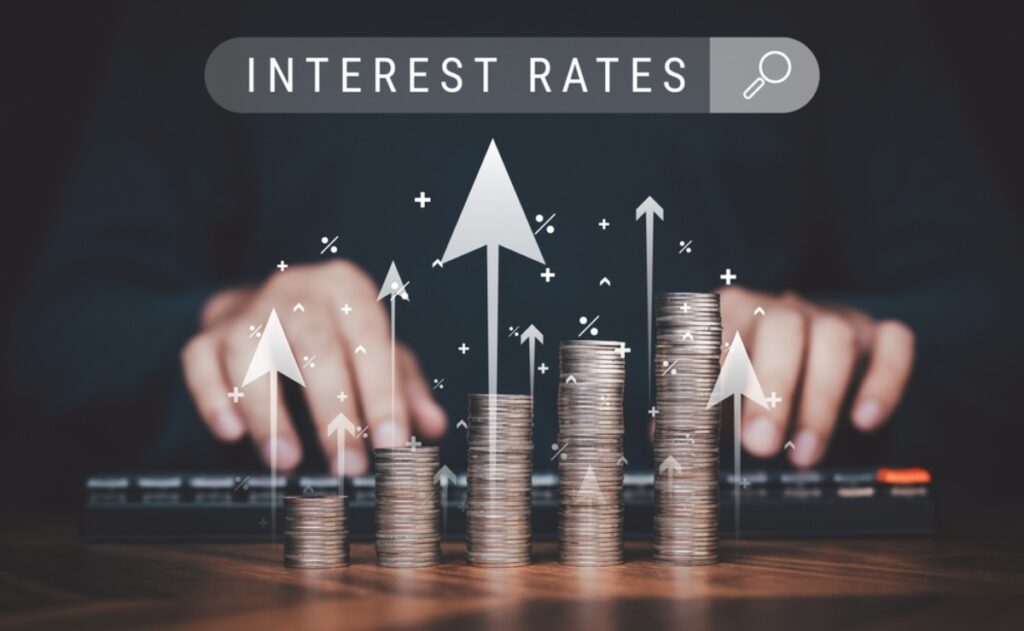
Letting high-interest debts sit can quickly make a small problem much bigger. Interest piles up fast, making your balance even harder to pay off.
If you only pay the minimum, most of your money goes to interest instead of the actual debt. This keeps you stuck in a cycle.
Paying off high-interest debts as soon as possible frees up your cash for better things. It also gives you peace of mind.
Taking control of your debt is a big step toward feeling confident about your money.
Not saving or having an emergency fund in place
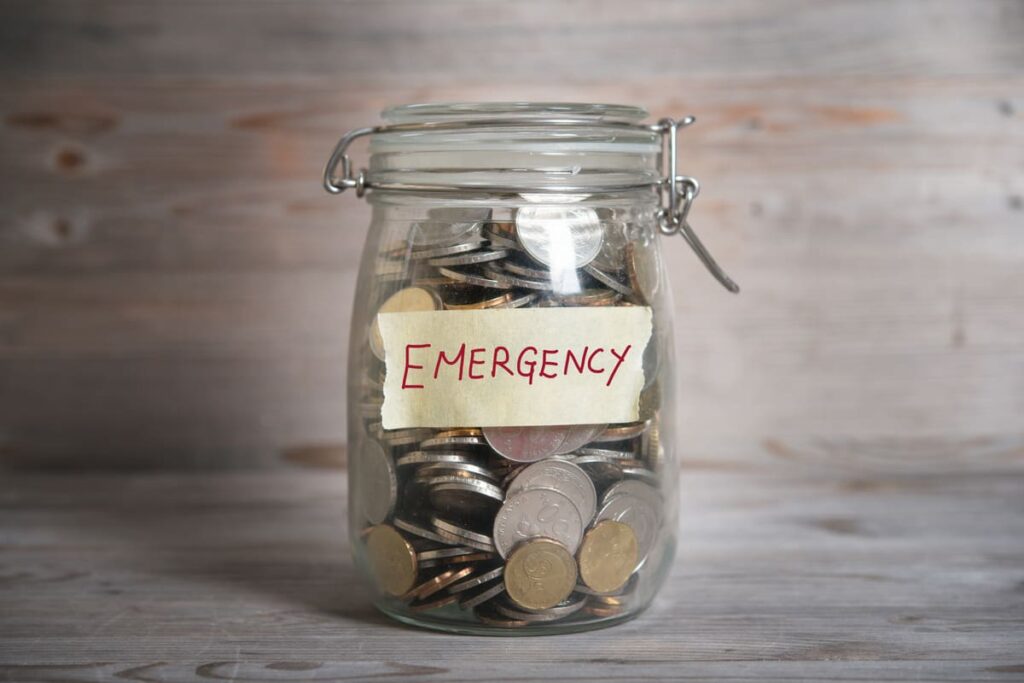
Life throws curveballs, and unexpected expenses can happen to anyone. Without savings, these surprises can turn into big financial setbacks.
An emergency fund gives you a cushion when you need it most. It keeps you from reaching for a credit card or loan.
Aim to save enough for three to six months of living expenses. Even starting small is better than nothing.
Building your emergency fund makes you feel safer and less stressed when life gets unpredictable.
Avoiding investing early and consistently

It’s easy to put off investing, especially if you feel unsure where to start. But waiting means you miss out on valuable time for your money to grow.
Investing a little bit regularly can make a big difference over the years. You don’t need a lot to get started.
Simple options like index funds or retirement accounts are great places to begin. The important thing is to start and keep going.
If you avoid investing, your money loses value over time. Starting early helps your savings grow and keeps you ahead of inflation.
Living paycheck to paycheck without planning ahead

It can feel overwhelming when your money disappears as soon as you get paid. Many people find themselves in this situation, unsure of where it all goes.
Not having a plan for spending makes it easy to lose track of bills and expenses. Before you know it, saving becomes impossible and emergencies catch you off guard.
Unexpected costs can add a lot of stress to daily life. You might end up borrowing money or relying on credit cards just to get by.
Taking time to put together a simple budget can make a big difference. A budget helps you see exactly where your money is going.
Even tracking your expenses for a week or two can help you feel more in control. Small changes can break the cycle and make your paycheck last longer.