
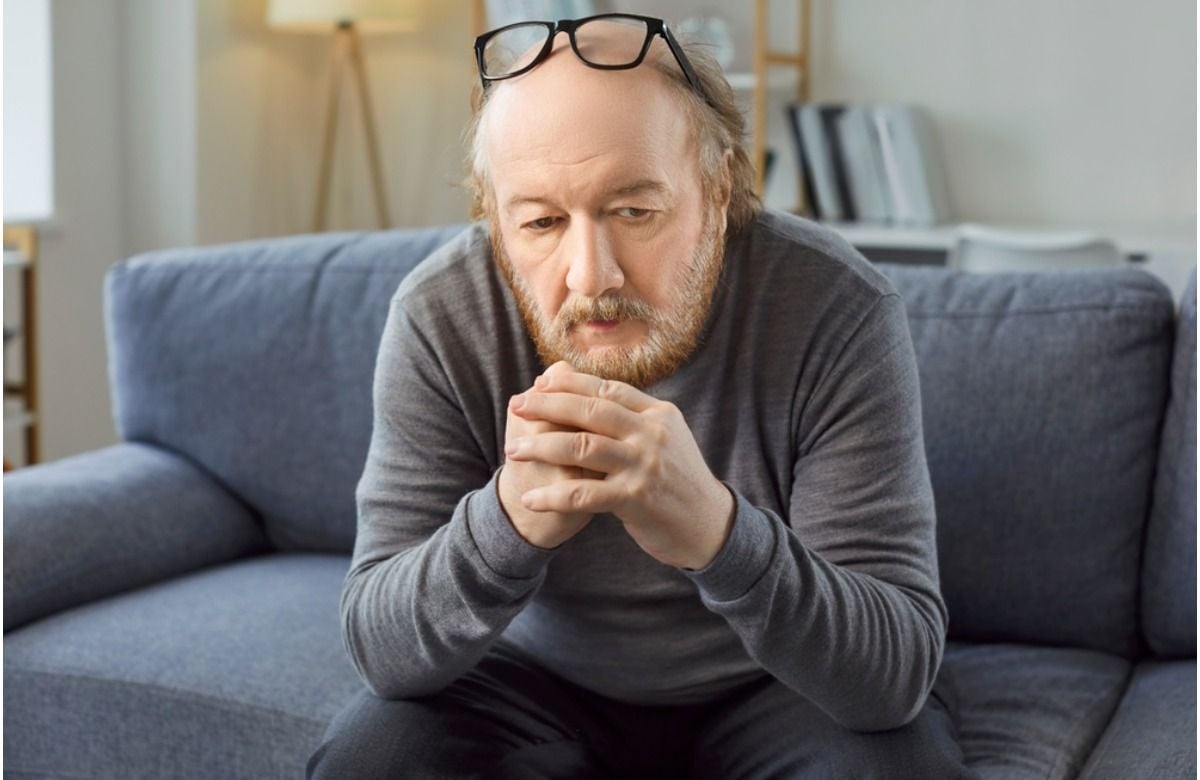
Widowed Men Face Shocking Health Decline While Women Somehow End Up Happier Than Ever
There’s a hard-to-swallow headline doing the rounds: losing a spouse may be linked to a higher risk of dementia and death for men, but not women. The finding, flagged in a recent Reddit science thread about a study, has women everywhere doing a double-take. We’ve long known grief is a life-shaker, but the idea that men and women might diverge so sharply in how bereavement affects their brains, bodies, and social lives? That’s worth paying attention to.
The study, the Reddit thread, and what was reported
Readers shared a paper in a Reddit r/science discussion describing an association between spousal loss and worse outcomes for widowed men: declines in physical and cognitive health, reduced social support, and increased mortality and dementia risk. By contrast, the study reported that widowed women often showed stable or even improved measures of happiness and life satisfaction after losing a spouse, a finding that startled many commenters. Because the discussion came through Reddit, and the original post prompted mixed reactions, the safest way to read this is as research findings that need context and cautious interpretation rather than absolute truths.
Why might men and women respond so differently?
There are a few believable explanations, and none of them are flattering to how our culture trains us to live. Men are often more dependent on their spouses for everyday social connection and practical care. If a wife has been the social organizer, the emotional processor, or the person who schedules doctor’s visits, a husband can be left isolated and adrift. Women, on the other hand, commonly maintain wider social networks and are more practiced at using friendships for emotional labor.
Psychological coping styles matter too. Women tend to seek support, talking through grief, joining groups, relying on family, while men often bottle pain or try to “hold it together.” That stoicism can mean less help-seeking when health problems arise, delayed doctor visits, and fewer social stimuli that keep the brain active, all plausible contributors to cognitive decline.
It’s not just emotions: behavior and biology play a role
Grief is a stressor that shakes the whole body. Sleep gets worse, eating habits change, exercise drops off, and medication routines fall apart. Any of those shifts can accelerate physical decline. There’s also evidence that long-term stress affects inflammation and vascular health, pathways linked to dementia risk. If widowed men are experiencing larger drops in social support and self-care, the cumulative burden can cascade into both mental and physical decline.
But remember: association isn’t the same as causation. A study can show that widowers had worse outcomes on average, but that doesn’t mean every man will follow that path, nor does it imply women are immune to the harms of grief. The research highlighted differences in trends, and social scientists will want to dig deeper into pre-loss health, caregiving roles, socioeconomic status, and cultural expectations before drawing firmer conclusions.
What this means for families, friends, and communities
If these findings hold, they’re a wake-up call about who we check on after a loss. It’s easy to assume widows need the most consolation, because the image of a woman alone tugs at our heartstrings. But the data discussed in that Reddit thread suggests we might be underwatching men. Practical support is especially critical: helping with appointments, ensuring meals and medication routines, and nudging men toward community and activity can make a real difference.
Communities and health systems could also play a role. Bereavement screenings, outreach from primary care after a reported loss, and grief support groups welcoming men as well as women could reduce isolation and spot early cognitive or physical decline. Families who expect a spouse to handle certain tasks should plan ahead, both to preserve the surviving partner’s health and to reduce the risk of preventable decline.
How to spot warning signs in a newly widowed partner or friend
Grief looks different for everyone, but some changes deserve attention. Sudden withdrawal from friends, persistent confusion or memory problems, missed medications or medical appointments, rapid weight loss or gain, and a dramatic decline in personal hygiene can all be red flags that practical help is needed. Keep an eye on mood changes that don’t improve over weeks, and don’t wait to encourage a medical check-up if cognition or daily functioning seems off.
Gentle persistence matters. Men who were social butterflies before their loss may be easier to reconnect; the more vulnerable ones might need someone to show up repeatedly. If you’re the friend or family member, offering to sit in on a doctor’s appointment, help with paperwork, or bring a home-cooked meal can break the logjam of inertia that grief creates.
What Women Are Taking From This
First, don’t read this as a competition in who suffers more. Grief is valid in every form. What’s useful is that this research, and the conversation around it, exposes blind spots. Women who are partnered may want to quietly check whether they’re carrying the invisible social scaffolding for their spouse: scheduling, social coordination, or emotional labor. If you are, consider preparing a plan if the worst happens: streamlined access to medical info, a list of trusted local helpers, and a clear map of who will step in for what.
For women who have lost partners or are supporting a widower, remember you can be practical and tender at the same time. Encourage medical follow-up and cognitive screening if you notice worrying signs. Push gently for community connections and activities that create new social anchors. And don’t ignore your own needs; caregiving and grieving burn calories of their own.
Finally, this is a conversation worth having out loud. Communities and health systems need to recognize that bereavement affects people differently and to plan services accordingly. If you’re reading this and thinking of a man who recently lost his partner, pick up the phone. Show up. The smallest, persistent kindnesses are often the ones that keep someone living, and thinking, well.