

If You’re Over 40 and Still Do These 10 Things You’re Aging Exceptionally Well
Turning 40 can sneak up on you, and suddenly you start noticing all the advice out there about what you should be doing for your health. It can feel overwhelming to sort through it all.
Aging well is not about perfection. It’s about finding little routines and habits that make you feel good, keep you moving, and help you stay connected to the people and things you care about.
Regular strength training

Keeping up with strength training after 40 can change how you feel every day. It helps fight muscle loss that comes naturally with age.
You stay stronger and more active, which makes everyday tasks easier. Strength training also boosts your metabolism and supports bone health.
You don’t need to spend hours lifting weights. A few sessions a week with moves like squats or push-ups can work wonders.
Consistency is more important than intensity. Listen to your body and rest when you need it.
Maintaining a balanced diet rich in nutrients
Your body’s needs shift as you get older, so what you eat matters more than ever. Filling your plate with vegetables, whole grains, and lean proteins gives you the energy and nutrition you need.
You might notice your appetite changing. Smaller, nutrient-rich meals can help you feel your best.
Drinking enough water is key. Staying hydrated supports your digestion and energy levels.
Cooking at home more often lets you control what goes into your meals. It also helps you cut back on processed foods and sugary snacks.

Life gets busy, but staying in touch with friends and family makes a big difference. Even a quick call or a text can help you feel connected.
If schedules are packed, try setting up regular video chats or meetups. These little moments help reduce stress and keep your mind sharp.
It’s normal for social circles to change. Trying new hobbies or joining local groups can help you meet new people and stay engaged.
Small gestures, like checking in with a neighbor or sharing a meal, add up over time. These connections support your mental and emotional health.
Engaging in daily mindfulness or meditation
Taking a few minutes each day for mindfulness or meditation can clear your mind. These habits teach you to focus on the present and manage stress.
You don’t need to meditate for hours. Even a few mindful breaths can make a difference.
Mindfulness helps you notice your thoughts and feelings without judgment. This can make it easier to handle emotions and stay balanced.
Quick exercises or simple routines fit into busy days. Apps or guides can help you get started.
Reading books or puzzles regularly

Making time to read or do puzzles keeps your brain engaged. Reading sharpens your focus and memory.
Puzzles like crosswords or Sudoku challenge your thinking and problem-solving skills. They keep your mind alert and can even be relaxing.
If small print is tough, try large print books or audiobooks. The goal is to find activities that keep your brain active and that you enjoy.
Performing everyday tasks independently
Being able to handle daily tasks on your own is a real sign of healthy aging. Getting dressed, cooking, or bending down without help shows your body and mind are in good shape.
Simple things like tying your shoes or getting in and out of a car matter more than you might think. They help you stay confident and independent.
Keeping up with chores and routines supports your mental health too. The more you practice these tasks, the easier they stay.
Limiting alcohol consumption

Your body processes alcohol differently as you age. You might notice you feel its effects more quickly.
Cutting back on alcohol lowers your risk of high blood pressure, liver problems, and memory issues. It also helps prevent falls and accidents.
Simple steps like tracking your drinks or finding new ways to unwind can make it easier to drink less. Small changes add up over time.
Prioritizing quality sleep every night
Sleep isn’t just downtime—it’s when your body repairs itself and your mind resets. As you get older, sleep patterns can shift, so making it a priority is important.
Aim for seven to eight hours a night. Going to bed and waking up at the same time every day helps your body’s natural rhythm.
Create a calm space for sleep. A cool, dark, and quiet room can make a big difference.
Try relaxing before bed with a book or gentle stretching. Good sleep habits boost your mood and keep your energy up.
Exploring new hobbies or skills
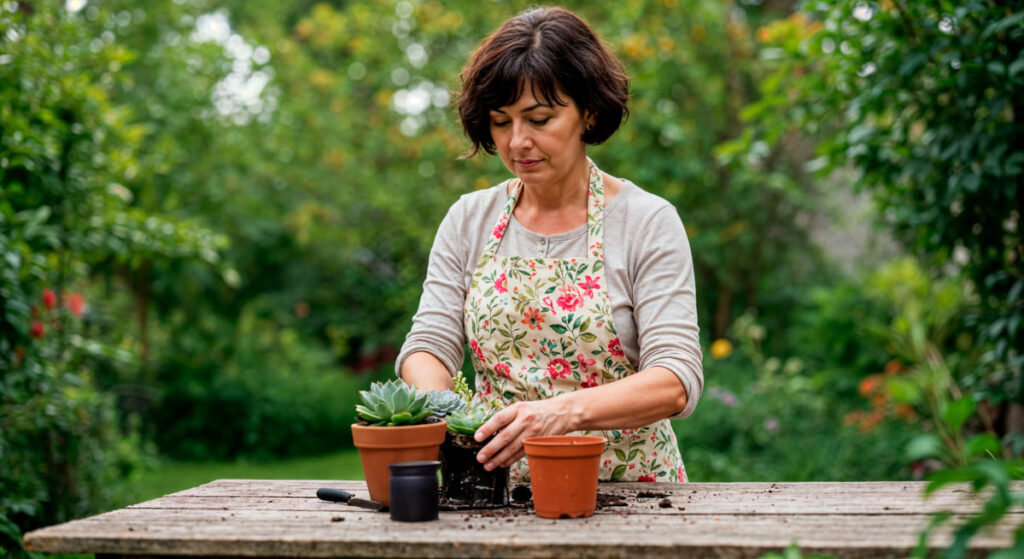
Trying something new after 40 can bring excitement and joy to your routine. Hobbies keep your mind active and your days interesting.
You don’t need to be an expert to start. The fun is in learning and challenging yourself a bit.
New hobbies can also introduce you to people with similar interests. Taking time for yourself in this way supports your mental health.
Walking or moving at least 30 minutes daily
Getting up and moving for 30 minutes a day can do wonders for your health. Walking keeps your heart strong and lowers stress.
You can split your walks into shorter sessions if that’s easier. Every bit counts.
Regular movement keeps your muscles and bones strong. It also helps you stay steady on your feet, reducing the risk of falls.
Find a place you enjoy walking, whether it’s your neighborhood, a park, or even indoors. The important thing is to keep moving in a way that works for you.
The Science Behind Aging Exceptionally Well
Aging well is a mix of your genes and your daily choices. Your habits play a big role in how you feel as you get older.
Genetics Versus Lifestyle Factors
Genes set the foundation for how your body ages, but they aren’t the whole story. Lifestyle choices like exercise and nutrition can slow down many signs of aging.
Staying active and eating well help your body repair itself and fight disease. You have more control over your health than you might realize.
Role of Mental Health in Healthy Aging

Emotional well-being matters just as much as physical health. Stress, loneliness, and depression can make it harder to stay healthy.
Social connections and activities that keep your mind busy support your mental health. Managing stress with meditation or hobbies helps protect your memory and mood.
Taking care of your mental health keeps you motivated and helps you enjoy life as you age.
Community and Social Connections
Strong relationships help you stay active and feel supported. Being part of a community gives you chances to learn and grow.
Benefits of Staying Socially Engaged
Connecting with friends, family, or groups keeps your mind sharp. Activities like volunteering or joining clubs keep you engaged and reduce stress.
Sharing experiences and learning from others helps you feel valued and gives you a sense of purpose. Even small actions, like chatting with neighbors, can lift your mood and strengthen your bonds.
Impact of Support Networks on Longevity
Think about the people you turn to when life gets tough or when you want to share good news. Having a solid support network can actually lower your risk of health problems.
People who regularly connect with others often recover faster from illness. Support networks can encourage healthy habits, like exercising or eating well.
You aren’t just sharing laughs or milestones with these people. These relationships matter even more during tough moments.
Knowing someone is there for you can reduce feelings of isolation and depression. That kind of emotional support can make a real difference in living a longer, healthier life.