

What Grocery Prices Looked Like in the 1990s Compared to Today
Remember walking through the grocery store in the 1990s? Shopping felt a bit different back then, and so did the prices on everyday items like milk, bread, and eggs.
It’s interesting to think about how much those basics used to cost compared to now. Sometimes it feels like everything was cheaper, but inflation and the cost of living played a big role in how families managed their grocery budgets.
Exploring those price differences gives you a glimpse into how grocery shopping has changed over time.
Grocery prices hit a record high for families in 2025
If you’ve been to the store lately, you know groceries are not getting any cheaper. In 2025, families saw their monthly grocery bills reach about $1,030 for a family of four.
That’s the highest it’s been in recent years. Prices crept up steadily, making it tougher to stick to a budget.
Eggs, for example, got much more expensive due to things like bird flu outbreaks. These kinds of price jumps can really throw off your meal planning.
You probably noticed that prices went up for reasons beyond your local store. Tariffs, weather, and supply chain issues all played a part.
Even though some prices aren’t rising as quickly as before, it still feels like your money disappears faster at the checkout. Careful shopping has become more important than ever.
Average shopping cart cost reached $150.84 in October 2025
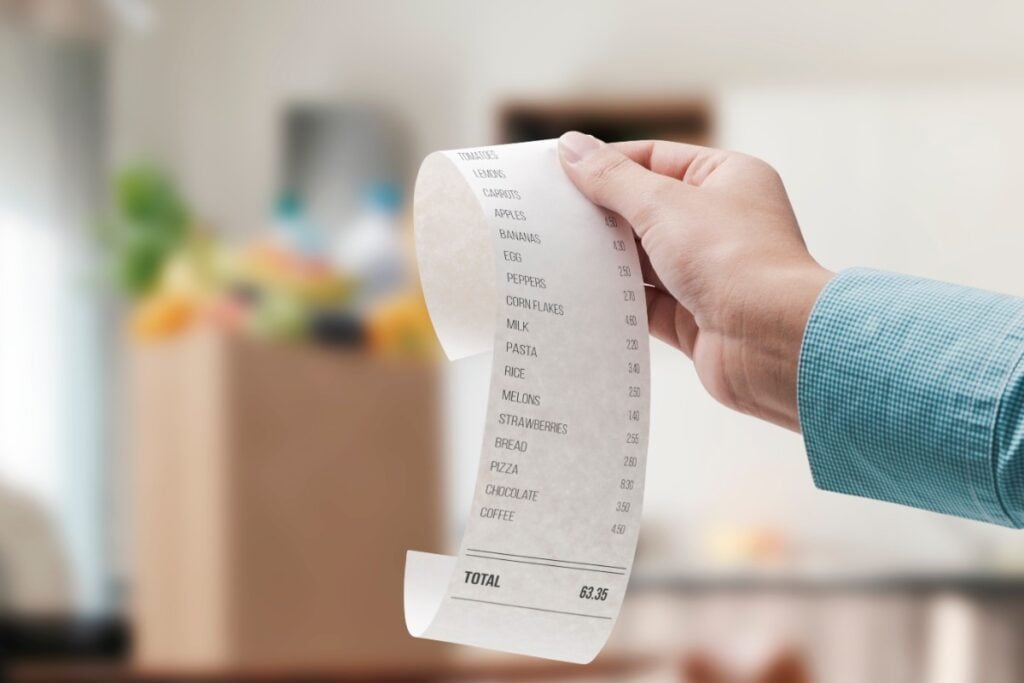
Heading to the store in October 2025, you might have seen your average grocery bill hit $150.84. That was a slight drop from the previous month, but still 3.6% higher than a year earlier.
Ever wonder why groceries feel so pricey? Supply chain problems and unpredictable weather can make it tough for stores to keep prices down.
If you compare today’s prices to the 1990s, the difference is obvious. Eggs, for example, cost more than twice what they did back then.
Watching for sales and buying in bulk can help stretch your dollars. Even small changes in your shopping habits can make a real difference.
Grocery bills have a strong influence on how Americans view the economy
Looking at your grocery bill can really shape how you feel about the economy. Food costs are hard to ignore because they hit your daily budget right away.
Many people feel stressed when they see prices go up. It’s easy to worry about what the future holds when basics like groceries keep getting more expensive.
Even your opinions about the economy or politics can be influenced by what you pay at the store. When food costs rise, you start thinking about your financial security and what might come next.
Food prices are a top concern for parents planning weekly meals
Trying to feed a family on a budget is never easy. Parents especially feel the pinch when food prices rise, since they want to serve healthy meals without overspending.
Back in the 1990s, groceries were cheaper, but families still had to watch their spending. You might remember making a list and sticking to it, hoping to catch a few good deals.
Today, higher prices mean you might have to swap out some favorites or search for cheaper options. Sometimes it takes extra trips to different stores to find the best deals.
Careful planning goes a long way in making sure you can feed your family well without breaking the bank.
Prices dipped slightly in late 2025 but remain 3.6% higher than last year
If you noticed a small drop in grocery prices last October, you weren’t alone. The average shopping cart cost fell by 0.9% from September to October 2025.
Still, groceries are about 3.6% more expensive than they were a year ago. Your money just doesn’t stretch as far as it used to.
Some foods, like eggs and beef, have seen bigger swings in price. Even when prices dip for a month or two, it’s hard not to notice that your overall bill is still higher.
Food costs can be unpredictable, so every little bit of savings counts.
Tariffs increased costs on imported staples like bananas

Back in the 1990s, tariffs made some groceries more expensive. Common items like bananas cost more because of taxes added to imports.
These tariffs were supposed to help local farmers, but they also made some foods less affordable. Since so much of our food comes from overseas, those extra costs showed up on your receipt.
People found ways to save, though. Choosing store brands or buying local produce helped keep costs down.
Inflation caused the biggest grocery price jump in nearly three years
Grocery prices have been climbing, and inflation is a big reason. Last month saw the largest jump in almost three years.
Tariffs on imports like bananas have also pushed prices higher. Since 2020, food prices have risen about 25%.
Many people are buying less because their budgets just can’t keep up. It’s tough when wages don’t rise as quickly as grocery bills.
Egg prices dropped 63% since January 2025

Egg prices have been a wild ride lately. Since January 2025, the price of eggs dropped by about 63%.
Earlier in the year, eggs hit a record high of over $8 per dozen. Within a week, prices fell to under $5.
The drop happened as the bird flu faded and more eggs were imported from other countries. Even so, you might still see price differences depending on where you shop.
Keep an eye out for sales and you could save even more as prices keep changing.
Prices vary significantly by state across the US in 2025
Depending on where you live, your grocery bill can look very different. Some states, like Hawaii, have much higher prices due to shipping and other local factors.
In 2025, the average American spends over $900 a month on groceries. Where you live can make a big difference in how far your money goes.
Even though food moves easily between states, those price gaps are still there. Understanding these differences can help you plan your shopping and maybe save a little more.
Consumers track grocery prices along with gas and utility costs
Most people don’t just watch grocery prices. Gas and utility bills are on their radar, too.
All these costs add up and can make it feel like your budget is under pressure from every direction. Grocery prices often change because of shipping or farming costs, while gas and energy bills rise and fall for their own reasons.
Tracking these expenses helps you plan ahead. Some people use charts or apps to keep an eye on how prices shift over time.
When you pay attention to these bills together, it’s easier to make smarter choices and manage your money.
Understanding 1990s Grocery Pricing
Grocery prices in the 1990s were shaped by the economy and patterns in inflation. Knowing what influenced prices back then helps explain why some items seemed so much cheaper.
Economic Factors Influencing Prices
The 1990s economy was pretty stable, with steady job growth and moderate wages. This helped keep grocery prices reasonable.
A loaf of bread cost about $1.29 and a dozen eggs were just under $1. These lower prices reflected cheaper production and transportation costs.
Supply and demand mattered, too. Food production was efficient but less global, so fewer imports affected prices.
Seasonal foods could be cheaper, like watermelon in summer. Sale prices were also more common, making it easier to save on basics.
How Inflation Impacted Grocery Costs

Inflation was lower in the 1990s, so prices didn’t rise as quickly. Adjusted for inflation, many grocery prices from back then are close to or even cheaper than today.
A gallon of milk was about $2, roughly half today’s average price. Because inflation was manageable, your money went further.
Basic staples like bread, eggs, and rice were affordable for most families. Over time, inflation and other factors like fuel costs pushed prices up, which is why shopping feels more expensive now.
Shopping Habits and Consumer Trends
In the 1990s, where you shopped and what you bought made a big difference. People often stuck with their favorite stores, but started looking for healthier and more convenient foods.
Shopping habits changed as new options appeared on the shelves.
Popular Stores of the Decade
Back in the 1990s, grocery shopping looked a bit different than it does today. Supermarkets and warehouse clubs were the go-to spots for most families.
Stores like Kroger, Safeway, and Walmart started popping up everywhere. They became popular because you could find almost anything you needed in one place.
Walmart stood out with its huge selection and low prices. It quickly became a favorite for shoppers looking to save money.
Warehouse clubs such as Costco and Sam’s Club offered a new way to shop. Buying in bulk meant you could save money and make fewer trips to the store.
Many families found it easier to stock up on essentials this way. It was a practical solution for busy households.
Local grocery stores still played a role when you just needed to grab something quickly. But for bigger shopping trips, most people headed to the larger chains.
You might remember stores introducing loyalty programs around this time. These rewards kept shoppers coming back and made grocery trips feel a little more rewarding.
Shifting Preferences in Food Choices
Back in the 1990s, grocery shopping started to look a little different. Suddenly, shelves were lined with more low-fat and low-calorie options.
Brands jumped on the trend, introducing products labeled as “light” or “diet.” You might remember seeing these new choices pop up everywhere.
Convenience was also becoming a big deal. Ready-to-eat meals and packaged snacks started filling up kitchen cabinets.
With busy schedules, quick meals became a lifesaver for many families. It was all about finding something fast that everyone would actually eat.
There was also a shift toward more ethnic foods in everyday cooking. Supermarkets made it easier to try new flavors and spices from around the world.
Organic foods started to catch people’s attention, even though they weren’t as common yet. By the end of the decade, your cart probably had a mix of old favorites and some of these fresh, health-focused picks.