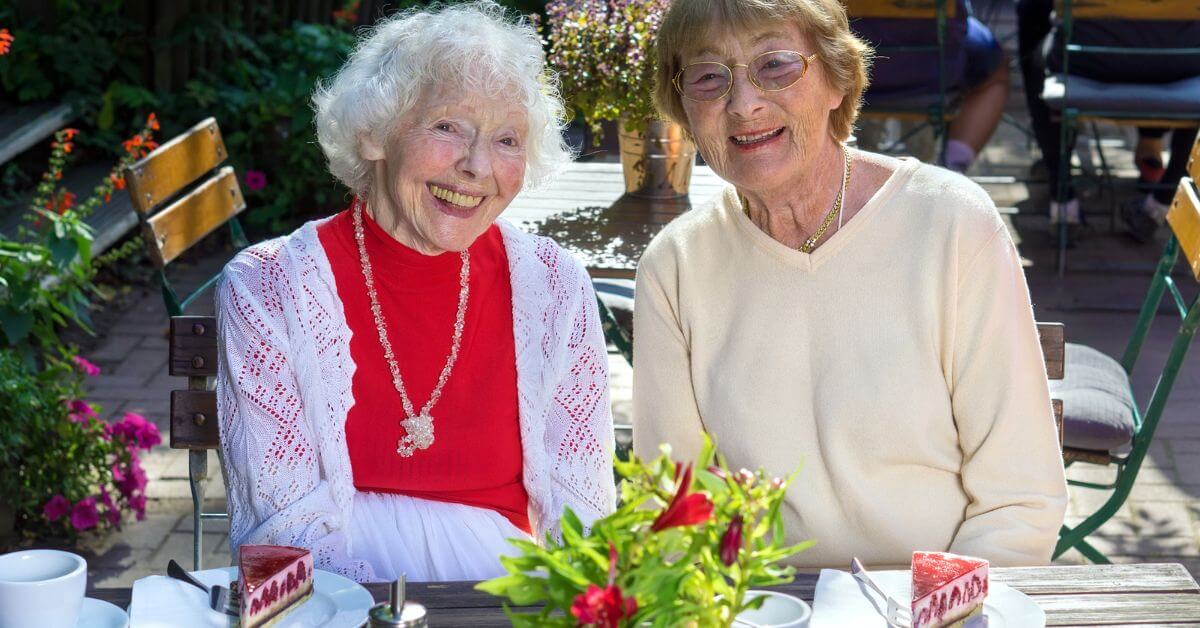
How and Why Older Adults Thrive with Wellness-Centered Support
For women in midlife, caregiving often starts slowly with a sick parent. Then in the blink of an eye, you’re managing doctor visits, safety worries, and loneliness that you cannot fix with one phone call. When you’re caring for a parent, the goal is not just “more help.” It’s figuring out the right kind of help that supports the whole-person.
Wellness-centered support for older adults, also known as whole-person wellness, addresses physical health, emotional well-being, social connection, mental sharpness, and a sense of purpose. It can be provided at home, through local community programs, or inside a senior living community.
In this guide, you’ll learn what whole-person wellness looks like for older adults, and what to look for when you’re choosing support for an older adult you love.
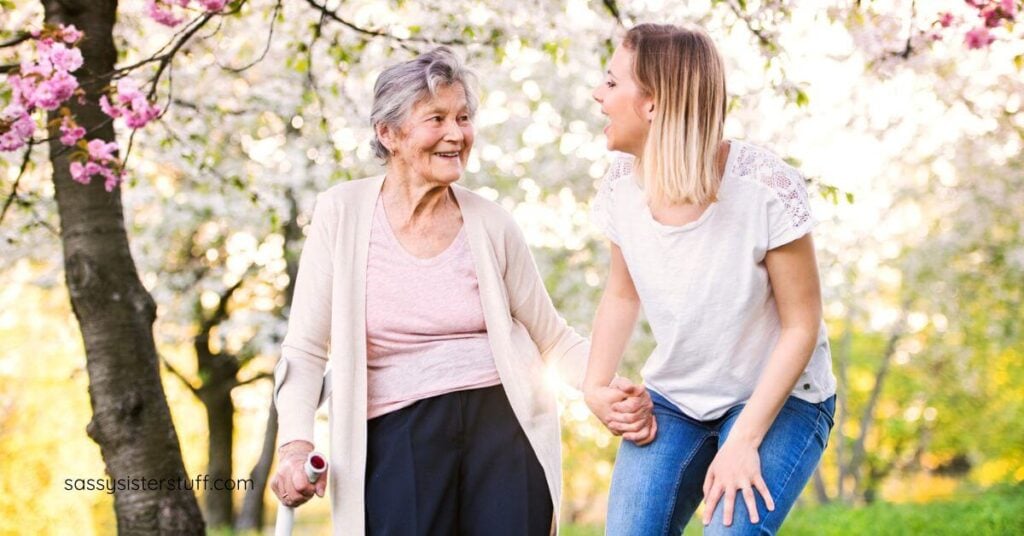
✨Key Takeaways
Older adults thrive with wellness-centered support by engaging in holistic programs that support physical, mental, emotional, social, and spiritual well-being. Access to tailored services such as fitness, mental health support, and social activities can reduce isolation, help manage chronic conditions, and improve quality of life. This holistic approach meets the needs of the whole-person.
Disclaimer:
This content is for informational and inspirational purposes only. It is not medical, legal, or financial advice. Always consult a qualified professional for personalized guidance. Read our Disclaimer for more information.
What “Wellness-Centered Support” Means (Whole-Person Wellness)
A whole-person approach to wellness recognizes the connection between body, mind, and spirit. When older adults have access to programming that supports all three, they often feel more balanced and steady.
At its best, wellness-centered support for older adults includes opportunities to move, connect, create, and keep learning. That can look like fitness classes, safe walking paths, creative activities, and simple ways to stay socially and mentally engaged.
These supports build a strong foundation for well-being and can help older adults stay more confident and independent over time.
What is whole-person wellness and why is it important?
According to the National Center for Complementary and Integrative Health (part of the U.S. Department of Health & Human Services), whole-person wellness is a comprehensive, patient-centered approach that integrates medical, social, behavioral, and emotional support to enhance quality of life. Together, these elements can create an environment where older adults feel motivated to keep pursuing activities that bring them joy and fulfillment.
In places such as Cameron Hall of Canton, wellness can be infused into everyday routines, helping residents build confidence through consistent, encouraging support. All domains of well-being are addressed through regular activities provided to residents. More and more assisted living communities around the United States are moving toward this approach.
Social and Emotional Wellness: Connection Reduces Isolation
Remaining socially active is vital to healthy aging. Older adults who regularly interact with peers often experience greater emotional resilience and a more positive outlook.
Wellness-centered communities understand the benefits of social connection and create opportunities for residents to meet, talk, and form friendships. Shared meals, group activities, and comfortable common spaces play an important role in fostering these interactions.
Emotional well-being grows stronger when seniors feel heard, valued, and part of a supportive community. If you are choosing a senior community for your loved one, look for activities and spaces that support emotional wellness every day, not only during special events.
Activities that Support Social and Emotional Well-Being
Supporting seniors’ social and emotional well-being involves activities that foster connection, purpose, and relaxation. Popular options include gardening, walking groups, playing games like bingo or cards, crafting, volunteering, and attending local community events.
Here are additional ideas that reduce isolation and boost mood through stimulation and social interaction:
- Creative arts: Painting, pottery, knitting, and scrapbooking can boost mood and provide a sense of accomplishment.
- Music therapy: Singing in a choir, listening to music, or attending live performances can foster emotional connection and support memory.
- Mindfulness and relaxation: Yoga, tai chi, and meditation can help manage stress and anxiety.
- Journaling and reminiscence: Writing life stories or sharing memories can support emotional processing and mental sharpness.
- Group games: Bingo, trivia nights, card clubs, and board games can bring laughter, connection, and mental stimulation.
- Volunteering and service: Opportunities to give back (reading to children, planting flowers) can increase purpose and social interaction.
- Clubs: Book clubs, gardening groups, and cooking classes help seniors meet peers and build shared interests.
- Social meals: Coffee hours and shared dining can build relationships and reduce loneliness.

Physical Wellness: Strength, Balance, Mobility
Physical wellness is a key pillar of healthy aging, and access to thoughtful support can make a meaningful difference. Safe, guided exercise options allow older adults to stay active while accommodating a range of abilities.
Strength training, stretching routines, balance exercises, and mobility programs help older adults maintain the physical capacity needed for daily life. Personalized wellness plans also help residents work at their own pace, which can build confidence.
This intentional approach to physical support can help reduce the risk of injury, improve mobility, and support long term independence. Whether an older adult is living at home or in an assisted-living community, it helps to focus on strength, balance, and safe movement.
Supporting Our Seniors with Physical Well-Being
Here are activities that support physical well-being (and often support mood and social connection, too):
- Gardening: Indoors or outdoors, gardening can reduce stress and offer a calming, productive hobby.
- Group fitness: Exercise classes, dancing, walking groups, water aerobics, and yoga support physical health and social interaction.
- Pet therapy: Caring for a pet or interacting with animals can increase motivation, provide companionship, and reduce depression.
- Regular exercise: Aim for 150 minutes per week of moderate-intensity movement (like brisk walking, cycling, or water aerobics), plus muscle-strengthening exercises at least two days a week.
- Balance and mobility: Yoga, tai chi, and stretching can improve flexibility and reduce fall risk.
Cognitive Wellness: Lifelong Learning and Mental Stimulation
.Cognitive health is just as important as physical strength. Communities that offer mentally stimulating activities create opportunities for older adults to continue learning and exploring new interests.
Brain games, reading groups, educational workshops, and creative projects help keep the mind active. Continued learning supports curiosity, memory, and concentration.
For many older adults, these experiences help maintain a sense of purpose and encourage personal growth throughout the aging journey.
Key Strategies for Supporting Cognitive Health
- Cognitive stimulation and brain games: Puzzles, trivia, chess, and Sudoku can challenge the mind and support sharpness.
- Social engagement: Book clubs, group outings, and communal dining can reduce isolation, which is linked to cognitive decline.
- Physical activity: Regular movement (walking, dancing, yoga) supports brain health and memory.
- Therapeutic programs: Memory care often includes music therapy, art therapy, and reminiscence therapy to support recall and connection.
- Nutritious diet: Brain-healthy, nutrient-rich dining options can support cognitive wellness.
- Safe environment: Calm, simple, secure spaces can reduce stress and confusion for older adults with cognitive impairment.
- Lifelong learning: Classes, guest lectures, and skill-building workshops (like learning a new language) can support ongoing brain engagement.
You may notice overlap across these wellness areas. For example, yoga and gardening can support mind, body, and spirit. Spiritual well-being also connects to every domain of well-being. A strong senior living community (or a strong support plan at home) will offer a variety of activities that support the whole person.
Spiritual Wellness: Meaning, Peace, and Belonging
Spiritual well-being goes far beyond religious practice. For many older adults, it is about feeling connected to themselves, to others, to nature, or to something larger than daily routines.
As people age, questions of meaning, legacy, and inner peace often rise to the surface. Supporting spiritual wellness can help older adults navigate transitions with comfort, confidence, and a renewed sense of purpose.
Why Spiritual Wellness Matters in Later Life
Spiritual well‑being can strengthen resilience by offering:
- A sense of meaning and purpose during life changes
- Comfort and grounding in times of uncertainty
- Improved emotional regulation, especially during stress or grief
- Greater life satisfaction and feelings of fulfillment
- A deeper connection to community, nature, or personal values
This kind of inner nourishment often supports physical and emotional health, too.
How Adult Centers Can Support Spiritual Wellness
Adult centers can create inclusive, non-denominational opportunities that honor each person’s beliefs and preferences. Supportive offerings may include:
- Mindfulness and meditation sessions to promote calm and focus
- Gentle yoga or tai chi that blends movement with breath and presence
- Nature-based activities, such as garden walks, bird-watching, or outdoor reflection spaces
- Creative expression workshops (journaling, poetry, music, or art) to explore meaning and identity
- Legacy-building activities like storytelling circles, memory books, or guided life-review conversations
- Discussion groups on gratitude, purpose, values, and personal growth
- Quiet rooms or reflection spaces for breathing, praying, or sitting in silence
- Interfaith or non-religious spiritual programs that welcome diverse beliefs
These offerings help older adults feel seen, grounded, and connected.
Save to Your Favorite Pinterest Board for Later
Personalized Support: The Right Help to Build Confidence and Joy
Wellness-centered support also includes personalized care that respects each resident’s individuality. Older adults thrive when they receive the right level of assistance without losing independence.
Senior centers and communities can offer activities that can be adjusted for individual needs, preferences, and interests. For example:
- Technology and gaming: Computers or tablets for games and virtual connection can help seniors with limited mobility stay engaged.
- Gentle movement: Chair yoga or tai chi can be accessible for those with physical limitations.
- Nature exposure: Short guided walks or simple outdoor time can often be adapted for different ability levels.
By working closely with each person to understand preferences and goals, family caregivers and communities can build plans that support both daily needs and long-term hopes.
This individualized support builds confidence and helps seniors stay active participants in their own well-being. When older adults feel supported yet self-directed, they are more likely to engage in wellness programs and maintain meaningful routines.
My First-Hand Experience with Personalized Support
I’ve been a caregiver to several people in my family who have been aging and/or sick. To the extent possible with each family member, I provided unique wellness-centered support by planning experiences that engaged their body, mind, and soul based on their interests and health.
For example, when I was caring for my dad, I took him on a “field trip” to find the exact location where he proposed to my mom seventy years earlier since he was missing my mom; we also binge-watched a TV show one night because he was curious what “binge-watching” meant! 🤣
When I was caring for my mom, we would regularly attend special events in the community because she loved seeing her friends; we also looked through family photos frequently because family was very important to her. 💜
For my sister, we went to get our hair cut, colored, and styled every five weeks, followed by lunch at her favorite restaurant, and then shopping at Hobby Lobby. I also took her to all the local garden shops every spring and fall to stock up on her favorite flowers to plant in her beautiful garden. She was quite the gardener, and insisted on having no gray hair. 😉🌺
These experiences kept my family members actively engaged in the things that made them feel like themselves. And now, looking back, I know those moments of joy and connection mattered just as much to them as they do to me. They didn’t just get care — they got to keep living. And I have the most beautiful memories because of it.
Wellness-Centered Support: A Caregiver Checklist
Use this quick checklist as you compare options (at home, in the community, or in senior living):
Click the button below to download a printable copy of the checklist:)
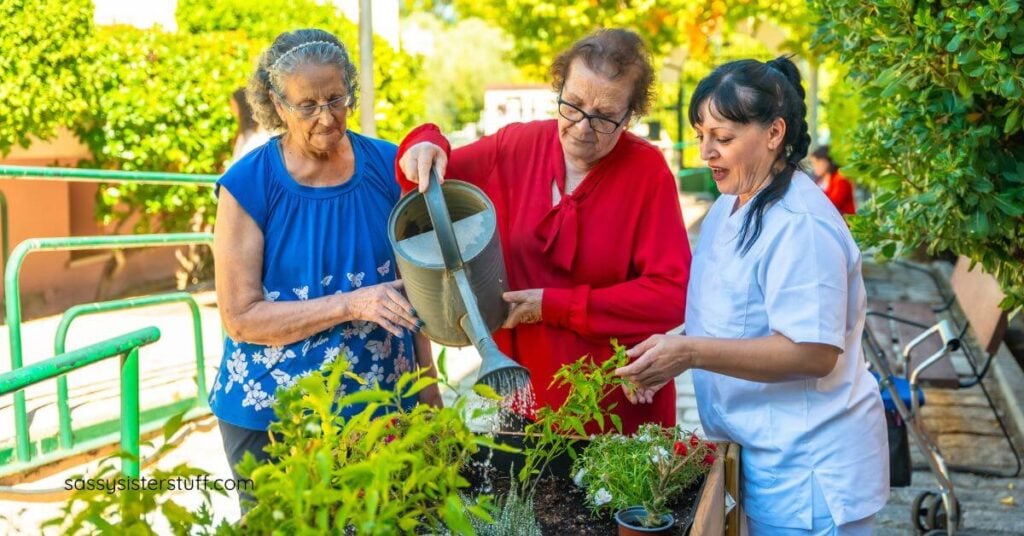
Final Thoughts about Wellness‑Centered Support for Older Adults
Access to wellness-centered support for older adults has been proven to help them thrive. When physical, emotional, cognitive, social, and spiritual well-being are supported together, older adults are more likely to stay engaged, confident, and connected.
Whether you are caring for an aging parent or seeking information for yourself, here are a few trusted resources:
- National Institute of Aging: A strong source of information for older adults and families exploring high-quality support and senior living options.
- National Council on Aging: Helpful guidance for caregivers and older adults focused on healthy aging.
- USAging: Easy-to-navigate information about services that can help older adults remain at home.
When families and communities prioritize the whole person, seniors benefit from a lifestyle that supports independence, confidence, and long-term vitality.
For more information about caregiving and wellness for seniors, check out these Related Articles:
- 42+ Best Indoor Activities for Senior Citizens: Enjoy, Move, and Connect
- Health Benefits of Walking for Seniors and Aging Adults
- 10 Best Health Benefits of Swimming for Seniors
- Top 5 Mental Health Benefits of Spending Time in Nature
With light and love,
Susan