

13 Things People Who Don’t Have Close Friends Do Differently and How It Shapes Their Social Life
Some people move through life without a tight-knit group of friends, and that can change the way they experience the world. If you’ve ever felt like you don’t have close friends, you might notice your habits and routines look a little different than those around you.
Knowing these differences can help you spot your own patterns. It might even give you ideas for feeling more connected or making the most of your independence.
Rely heavily on themselves for support

Without close friends to lean on, you often become your own best support system. Facing problems solo teaches you to trust your own judgment and get creative about finding solutions.
You might tackle things on your own, like fixing something at home instead of calling for help. This builds confidence because you know you can handle things by yourself.
Spending more time alone gives you space to think and recharge. You get comfortable being independent and start to value the few connections you do have even more.
Every relationship in your life feels meaningful because your support circle is smaller. Being your own biggest help doesn’t mean you don’t care about others; it just means you’ve learned to take care of yourself first.
Some people are happiest when they have time to themselves. If you don’t have close friends, you may find that solitude feels more comfortable than being in a crowd.
Quiet moments give you the chance to reflect and recharge. You start to notice the little things around you and appreciate them more.
Small talk might not interest you much, so you focus on your own thoughts or favorite activities instead. This isn’t about being lonely; it’s about finding peace in your own company.
You might even feel stronger after spending time alone. Solitude can help you build resilience and self-reliance.
Choosing time alone doesn’t mean you dislike people. It just means you enjoy your own company and the calm that comes with it.
Develop strong problem-solving skills
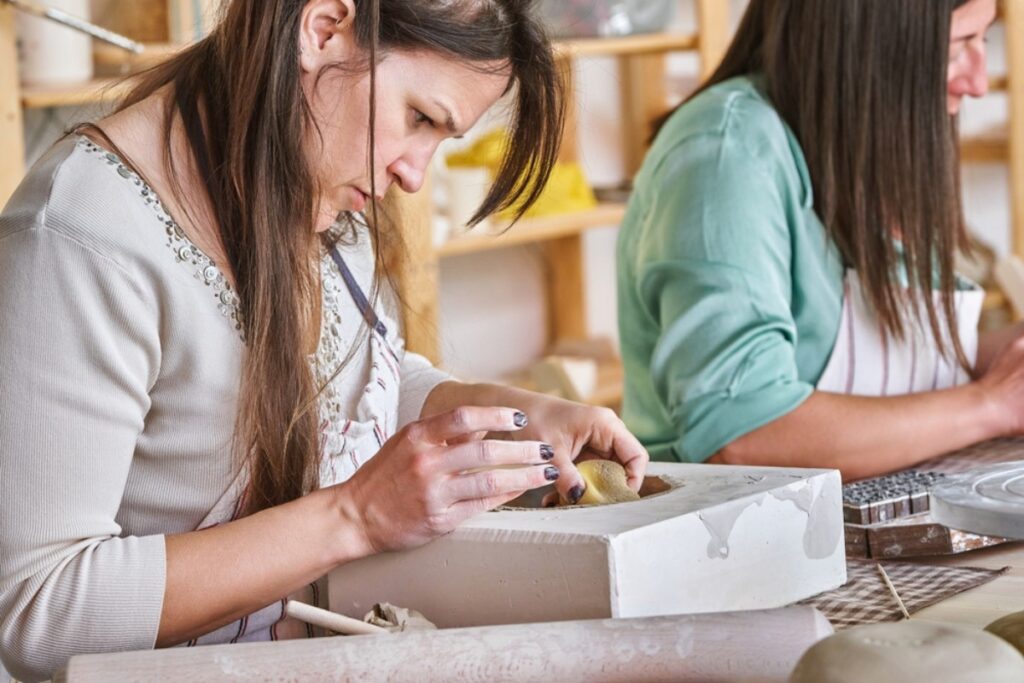
Handling challenges by yourself becomes second nature when you don’t have close friends to turn to. You start to see every problem as a puzzle you can figure out.
Thinking things through step by step helps you get better at solving problems. You learn to look at situations from different angles and find creative solutions.
This self-reliance can boost your confidence. You know you can manage tough situations, both at work and in daily life.
Breaking big problems into smaller pieces makes them easier to handle. Over time, your problem-solving skills get stronger just by practicing them on your own.
Find comfort in observing nature’s small details
There’s something soothing about paying attention to the little things in nature. If you’re often on your own, you might notice birds singing or the way the light changes during the day.
Even a few minutes spent observing the world outside can lift your mood. Mindful observation can make you feel more grounded and less stressed.
You might find yourself slowing down to enjoy simple discoveries. These quiet moments help you stay curious and bring a sense of calm on tough days.
Focusing on nature’s small wonders creates a peaceful escape. It’s a way to feel connected to something bigger, even when you’re by yourself.
Are more comfortable with texting than talking

Typing out a message can feel a lot easier than picking up the phone. Texting gives you time to think about what you want to say and reply when you’re ready.
There’s less pressure to respond instantly, so conversations feel less stressful. You don’t have to worry about awkward pauses or saying the wrong thing.
Many people who don’t have close friends prefer texting because it feels safer and more manageable. You can keep the conversation going at your own pace.
Communicating this way helps you stay connected without feeling overwhelmed. It’s a common choice, especially when social situations feel intimidating.
Doing things on your own can feel empowering. If you don’t have a big group of friends, you might find that independence is something you truly value.
You make decisions based on what’s best for you, without needing approval from others. This self-reliance helps you grow and trust your instincts.
Spending time alone often feels peaceful and recharging. Instead of feeling lonely, you might see your independence as a strength.
Focusing on your own goals and happiness becomes a priority. You learn to enjoy your own company and find fulfillment in your own achievements.
Often avoid sharing personal problems
Keeping your struggles private can feel safer when you don’t have close friends. You might choose to handle things on your own rather than open up to others.
Sometimes, sharing your feelings seems risky or uncomfortable. You may worry about being judged or don’t want to burden anyone else with your problems.
Processing emotions internally becomes a habit. You might believe that handling things alone makes you stronger.
Protecting your feelings and personal space is important to you. This approach can help you feel secure, even if it means sometimes feeling a little isolated.
Exercise high self-awareness
Spending more time alone can lead to greater self-awareness. You get to know your thoughts, feelings, and values better.
This awareness helps you manage your emotions and make choices that align with what matters most to you. It also makes it easier to avoid situations that don’t feel right.
You’re more likely to set healthy boundaries and focus on what supports your personal growth. Self-awareness becomes a guiding force in your life.
Simple habits like journaling or reflecting on your day can help you become even more in tune with yourself. This skill is valuable for navigating life’s ups and downs.
If you don’t have close friends, you might notice that your conversations with others are usually short and to the point. Long chats or big social events can feel overwhelming.
Keeping interactions brief helps you stay comfortable and avoid feeling drained. You prefer to save your energy for things that matter most to you.
After socializing, you might need quiet time to recharge. This helps you stay balanced and focused.
Short social moments don’t mean you don’t care about others. It just shows you’re thoughtful about how you spend your time and energy.
May struggle with face-to-face communication
Without regular practice, talking in person can feel challenging. You might feel awkward or unsure about what to say during face-to-face conversations.
Texting or chatting online may feel more natural to you. Real-life interactions can seem more intimidating or harder to navigate.
You could find it tough to stay focused during in-person talks. Sometimes, these conversations feel shorter or less meaningful.
If you relate to this, you’re definitely not alone. Many people who don’t have close friends experience the same thing and are learning to be patient with themselves as they work on these skills.
Appreciate meaningful conversations over quantity
Some people just do better with a couple of close connections rather than a packed social calendar. If you find yourself skipping the small talk and instead craving those deep, real conversations, you’re definitely not alone.
Meaningful conversations make you feel understood and appreciated. You’re not interested in just polite exchanges but want to share your true thoughts and really listen to others.
You might feel most at ease with people who open up slowly. It feels good when talks go beyond surface-level and dive into feelings or personal stories.
It’s perfectly fine if these deeper conversations don’t happen every day. What matters most is that they feel genuine and honest.
Choosing quality over quantity in friendships helps you build trust at your own pace. You avoid relationships that feel forced or shallow, and that makes your interactions more satisfying.
Focus on personal growth and hobbies
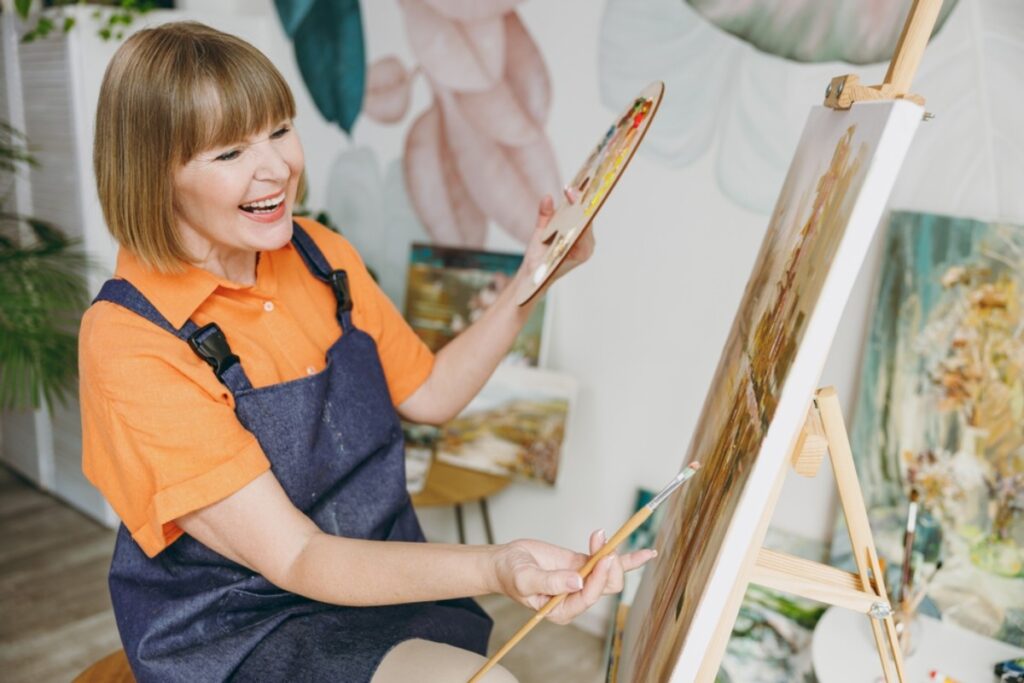
Spending time alone can actually be a gift. When you’re not always surrounded by friends, you might find yourself exploring new hobbies or learning skills that make you feel proud.
Maybe you’ve picked up painting, started writing, or found joy in hiking. These activities can boost your creativity and lift your mood, all while giving you a sense of purpose.
Hobbies also offer a way to manage stress. Doing something you love helps you take a break from worries and recharge.
You might even discover more about yourself along the way. Finding what truly makes you happy builds confidence and creates a strong foundation for your well-being.
Avoid forcing friendships
Not everyone feels the need to rush into new friendships. If you’re the type who lets connections happen naturally, you probably avoid a lot of awkward moments.
You know that real friendships take time to grow. Giving yourself and others space helps build trust without any pressure.
By focusing on quality over quantity, you end up with relationships that feel more meaningful. It might take longer, but the connections you make are often deeper.
Sometimes this approach can feel a bit lonely, but you learn to be okay on your own. It teaches you patience and helps you handle challenges without always needing someone to lean on.
People who don’t force friendships often become more self-reliant. They develop strong problem-solving skills and learn to face ups and downs with confidence.
For more on this, you can read about how people without close friends act differently on Bolde.
Understanding Social Circles
Everyone’s social circle looks a little different. Some people are happiest with a few close friends, while others thrive in bigger groups.
Your support system shapes how you handle emotions and deal with challenges. The size and closeness of your circle can affect your sense of belonging.
The Role of Close Friends in Emotional Well-Being

Close friends can make tough times easier to handle. They offer comfort, advice, and support that help you feel less alone.
Having someone to talk to makes it easier to process feelings. It can boost your mood and remind you that someone understands what you’re going through
Why Some People Maintain Fewer Intimate Connections
Some people just feel more comfortable with a small group of friends. If you find big social situations draining or have a hard time trusting others, you might stick to a tighter circle.
You might also prefer solitude or value your independence. Growing up with fewer close friends can shape how you connect with others as an adult.
Here are a few reasons you might have fewer close friends:
- Desire for solitude or independence
- Difficulty with social skills or trust
- Preference for quality, not quantity
- Past experiences shaping your social habits
Recognizing your own reasons can help you understand your social patterns.
Coping Strategies and Personal Growth
If you’re someone with a smaller social circle, you probably have your own ways of handling challenges. This often means learning to rely on yourself and finding new ways to feel connected.
Developing Independence and Self-Reliance
You might find that you trust your own judgment more than most. Solving problems on your own can help you build confidence and resilience.
Good coping skills are especially important. Mindfulness, planning ahead, and managing your emotions can help you stay balanced when life gets tough.
Building these habits makes you stronger and less dependent on outside help. It’s not about always being alone, but about knowing you have what it takes to handle what comes your way.
Alternative Ways to Foster Belonging
Not everyone has a tight-knit group of friends, and that is more common than you might think. Even so, there are plenty of ways to feel connected to others.
Support can come from casual acquaintances, online groups, or shared activities. These options do not require deep personal ties.
If face-to-face socializing feels tough, texting or chatting online can be a comfortable alternative. You can still feel included in a community this way.
Joining clubs or volunteering can help you meet people at your own pace. Taking a class is another way to share experiences and gradually build connections.
You do not have to rush into close friendships. Expanding your circle in ways that feel right for you can make a big difference.