
11 Household Chores Our Grandparents Used To Do That Hardly Anyone Does Anymore
Ever look around your home and wonder how things used to get done before gadgets and quick fixes? Our grandparents had a whole list of chores that kept their homes running, and most of them required a lot more elbow grease than we’re used to.
Daily life was a workout, and every task had its own rhythm. Some of these old-school chores might even make you rethink how easy things are today.
Churning butter by hand
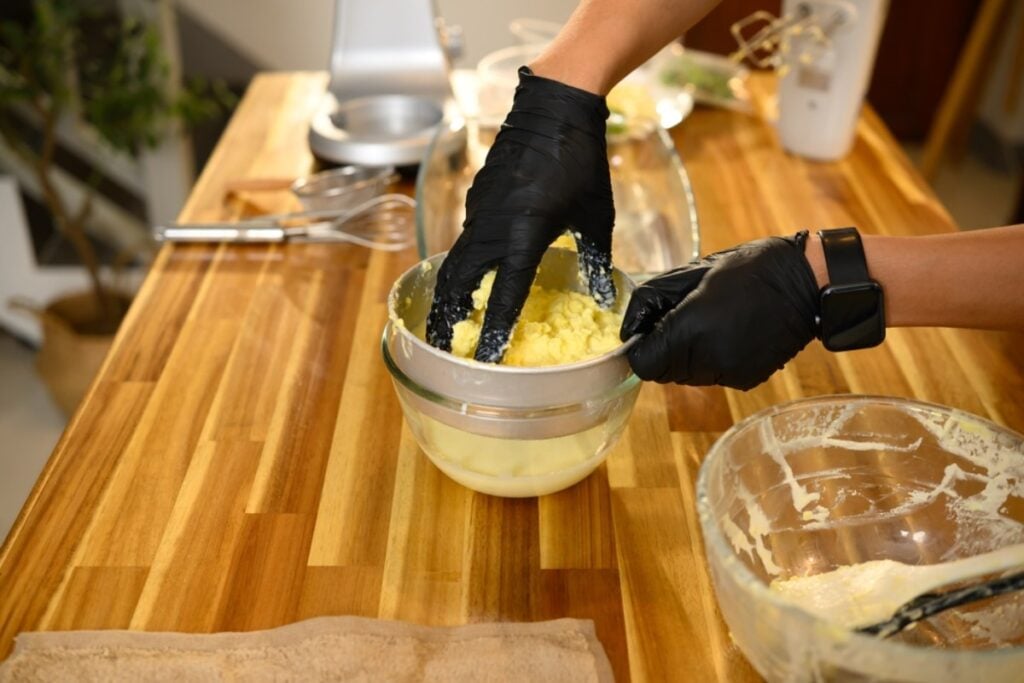
Churning butter by hand used to be a regular part of life. Fresh cream went into a wooden churn, and you had to pump or stir for what felt like forever.
It took real patience to keep going until the cream thickened into butter. The steady motion was tiring, but the end result was always worth it.
No machines were involved, just hard work and simple tools. Making butter from scratch made people appreciate every bite.
Most people now grab butter at the store without a second thought. Knowing about this old chore gives you a glimpse into the daily routines of the past.
Washing clothes on a washboard

Washing clothes on a washboard wasn’t just a quick task. Grandparents filled tubs with hot water and soap, then scrubbed each item against the board.
This was tough on hands and arms, and it took a while to get everything clean. After scrubbing, you needed to rinse the clothes several times in clean water.
Once the clothes were clean, they were hung up to dry. Laundry day could be long and exhausting, but it was just part of life.
Boiling water for sterilizing
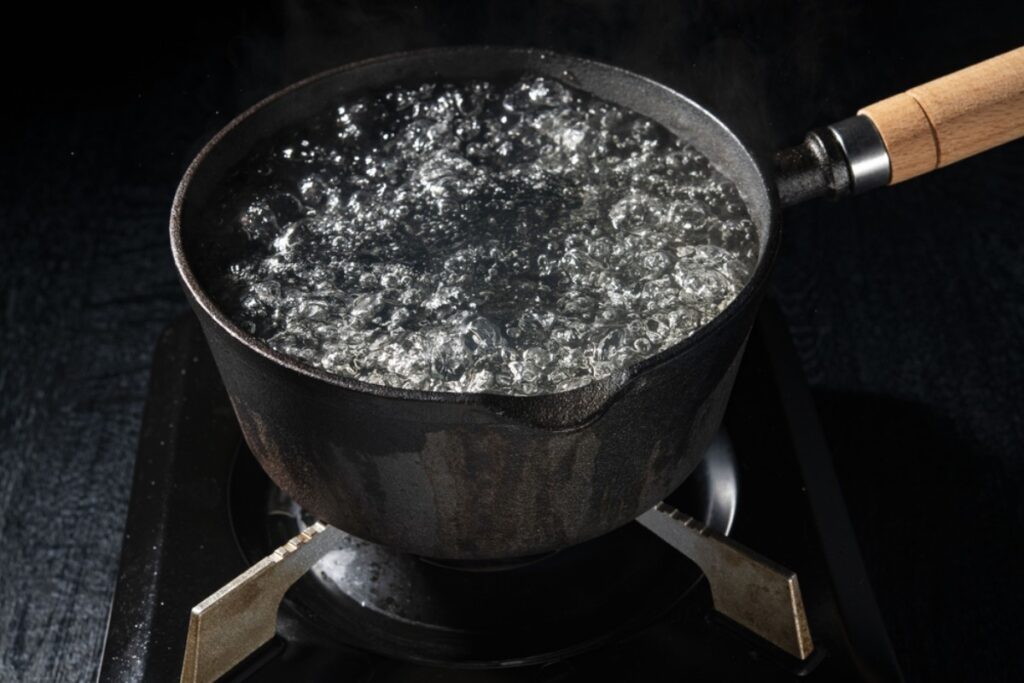
Boiling water to keep things clean was a go-to method. Dishes, baby bottles, and jars all got a soak in bubbling water to kill germs.
You just boiled the water and let the items sit for several minutes. It was a simple way to make sure everything was safe without fancy products.
Pouring boiling water on surfaces also worked for disinfecting. You just had to watch your hands and avoid burns.
Scrubbing floors with a mop and bucket
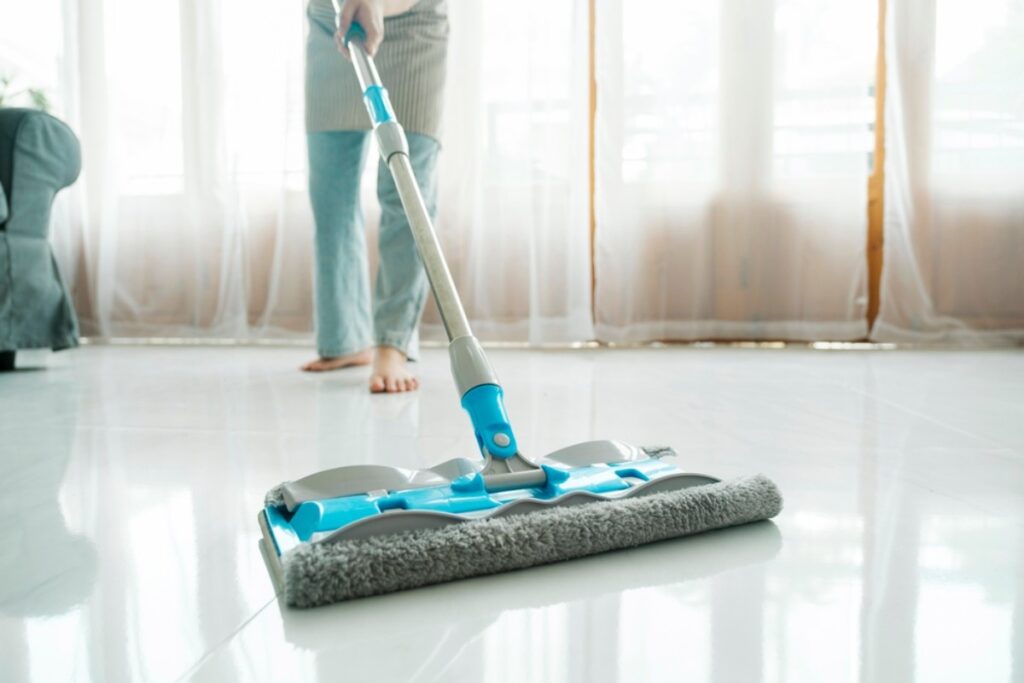
Scrubbing floors with a mop and bucket was a weekly ritual for many families. Buckets were filled with water and cleaner, and every inch of the floor got attention.
You’d sweep up any big mess before mopping. Then, the real work started as you moved the mop side to side across the room.
Waiting for the floor to dry was part of the job. Afterwards, the mop and bucket needed to be cleaned and stored away.
Even now, nothing quite beats the feeling of a freshly scrubbed floor. It’s one chore that still holds up today.
Polishing furniture with homemade wax
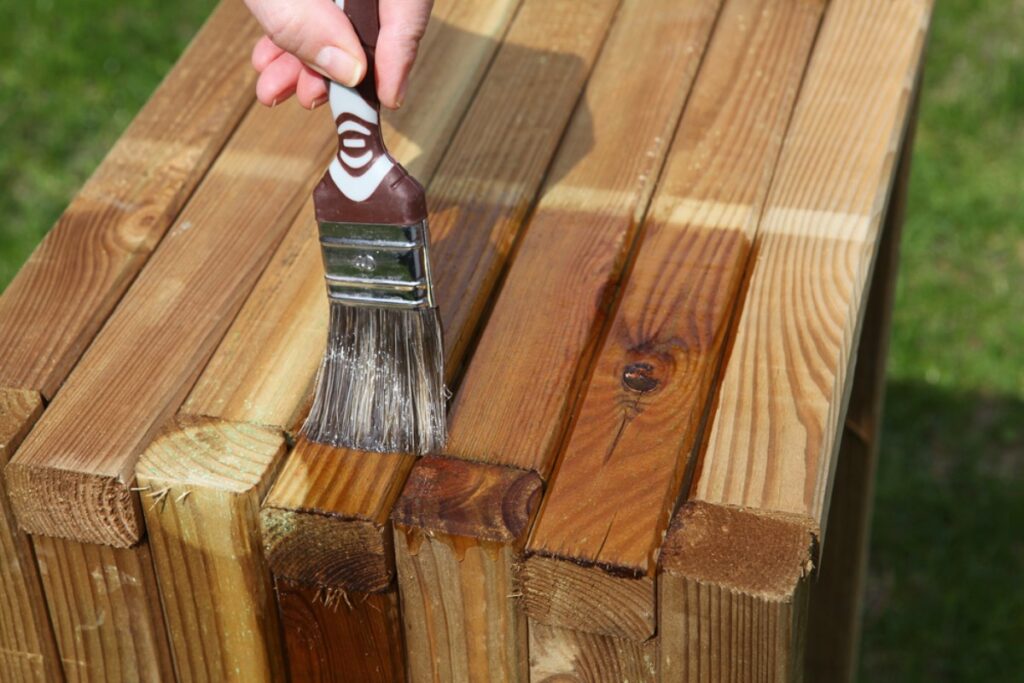
Polishing furniture with homemade wax was a regular way to keep wood looking its best. Simple ingredients like beeswax and natural oils made up the polish.
You’d melt the wax, mix it with oil, and rub it into the wood with a soft cloth. This helped protect the furniture and gave it a gentle shine.
Homemade polish kept the wood from drying out or cracking. It was a chemical-free way to care for the things you owned.
Taking time to polish furniture could even be a little relaxing. Plus, it saved money and avoided harsh store-bought products.
Hand-washing dishes with a scrub brush
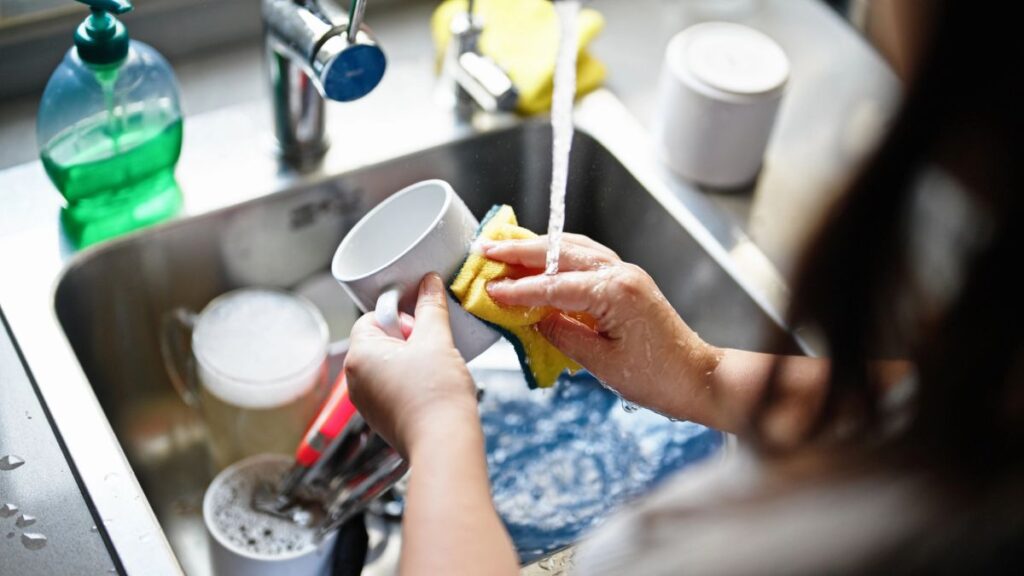
Before dishwashers, every meal ended with a sink full of dishes. Grandparents filled basins with hot soapy water and washed each item by hand.
A sturdy scrub brush was key for getting off stuck food and grease. It wasn’t a quick job, especially after big family meals.
Hand-washing dishes needed patience and some muscle. You had to be sure everything was truly clean before drying and putting it away.
Hanging clothes outdoors to dry
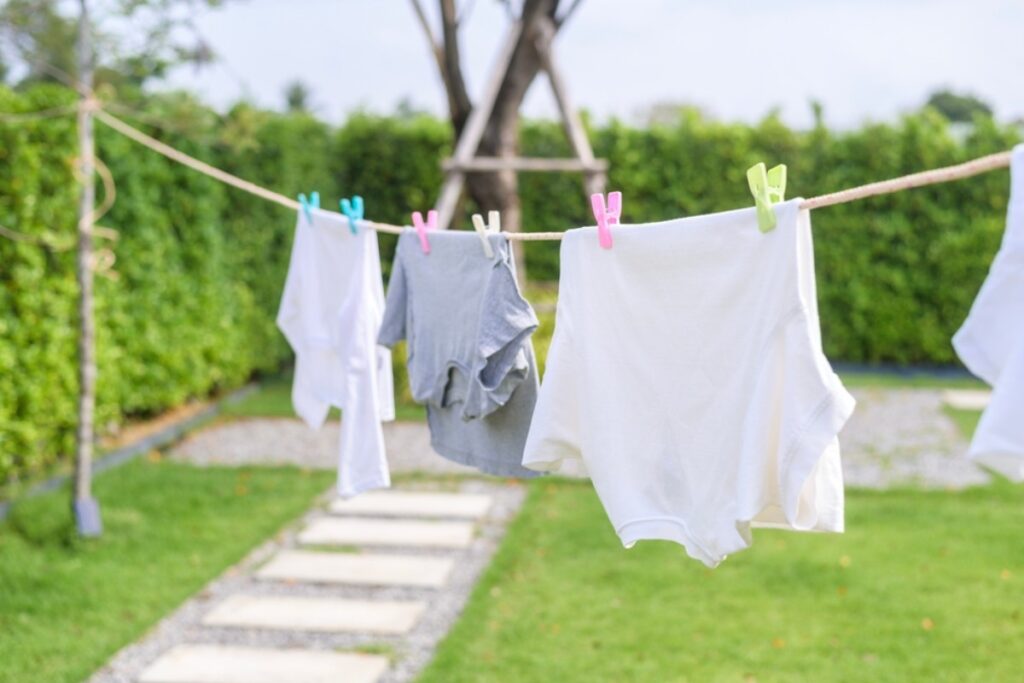
Drying clothes outside was a must before electric dryers. Wet laundry went on clotheslines in the yard or basement.
Checking the weather was part of the routine. If rain showed up, you had to dash outside and grab everything fast.
Sunlight and fresh air did the drying, and clothes came back inside smelling great. This simple method saved energy and was gentle on fabrics.
Mending clothes with needle and thread
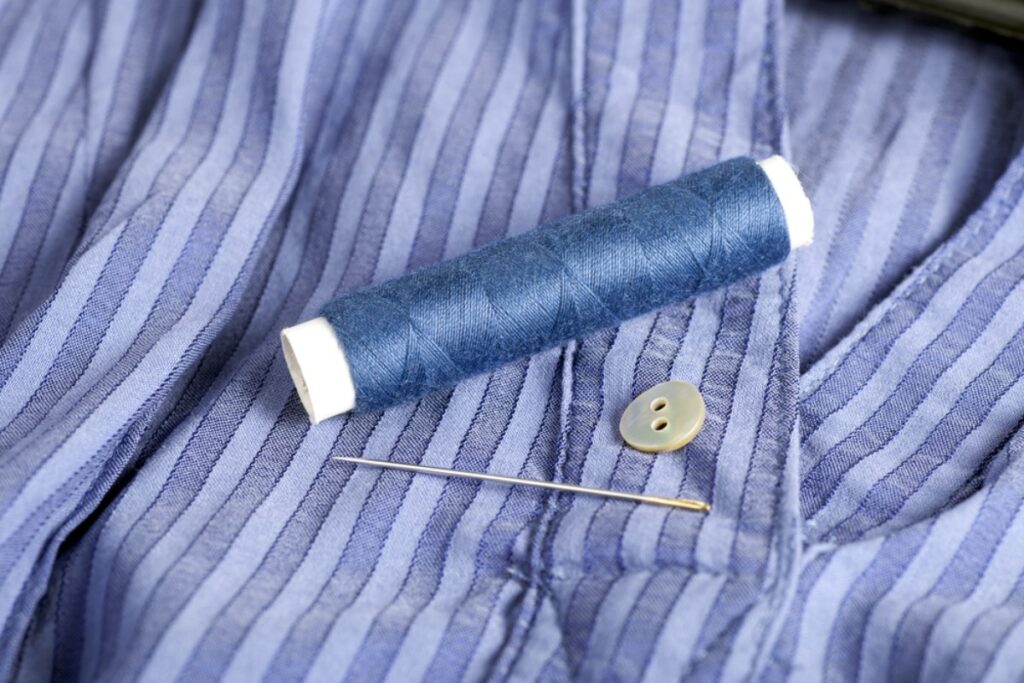
When clothes got worn or torn, grandparents reached for a needle and thread. Buttons were sewn back on, holes were patched, and socks were darned.
These little repairs helped clothes last much longer. It took some skill, but it meant fewer trips to the store.
Learning to mend can feel rewarding and practical. It’s a small way to save money and cut down on waste.
Preserving food by canning and jarring
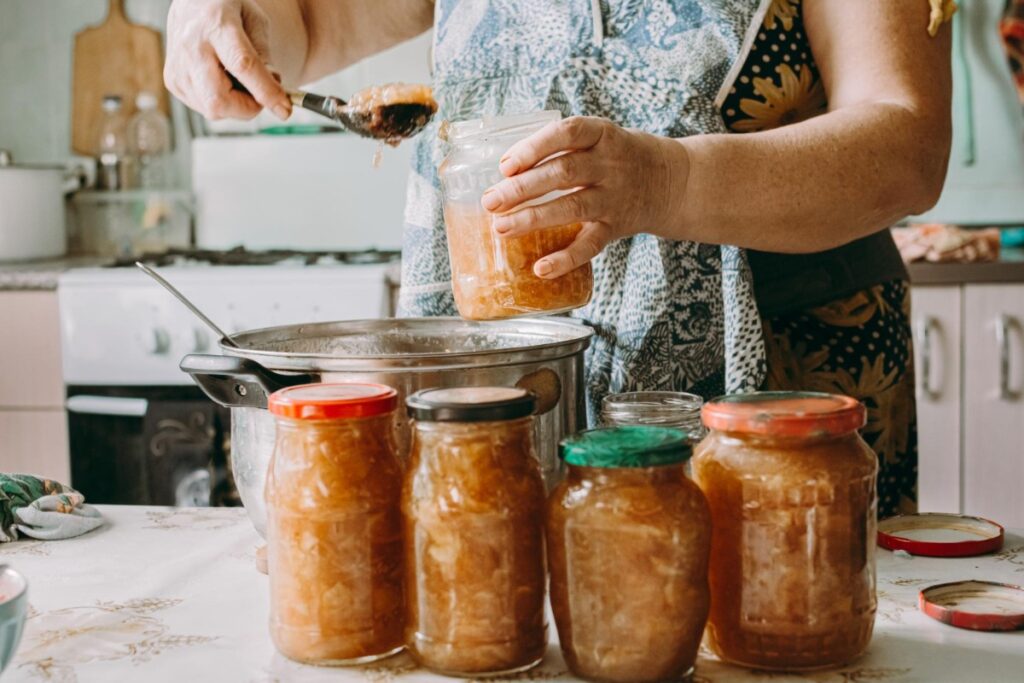
Preserving food at home was a big deal. Fruits, vegetables, and sometimes meats were canned or jarred to last through the seasons.
First, jars were sterilized in boiling water. Then, food was carefully prepared and sealed up tight.
This process kept pantries stocked with homegrown food all year. It was a smart way to avoid waste and make the most of every harvest.
Sweeping ashes from wood stoves
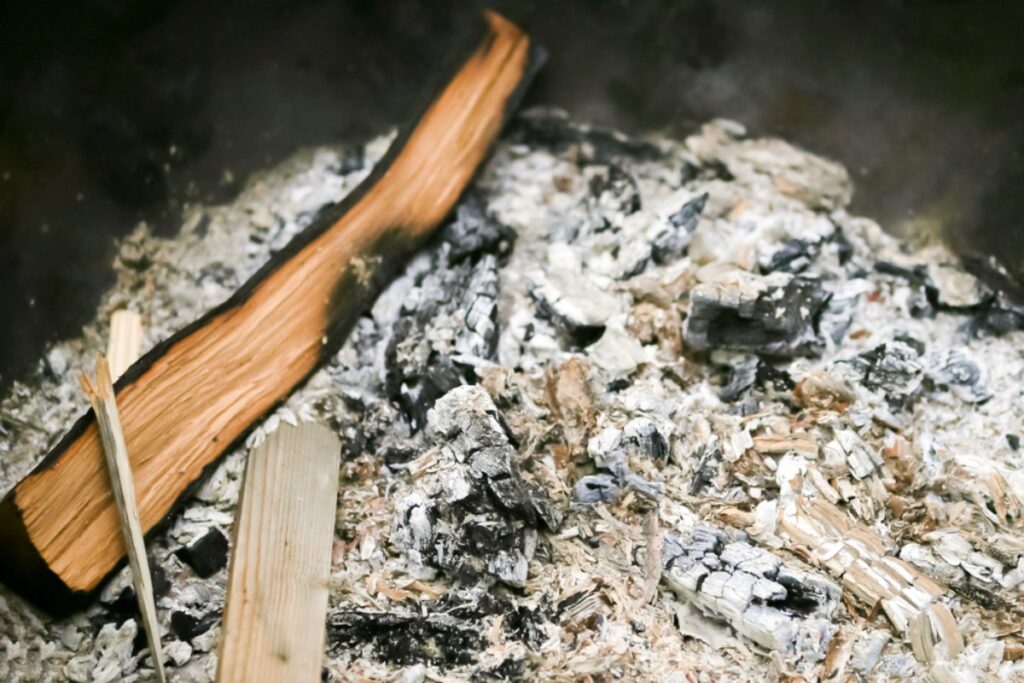
Having a wood stove meant dealing with ashes regularly. A small shovel and bucket were used to scoop out the ashes and keep the stove working well.
The job could get messy, with dust clouds rising if you weren’t careful. Keeping the firebox clean made sure the stove heated efficiently.
This chore was just part of staying warm before modern heaters. It’s a reminder of how much effort went into comfort and daily life.
Beating rugs to remove dust
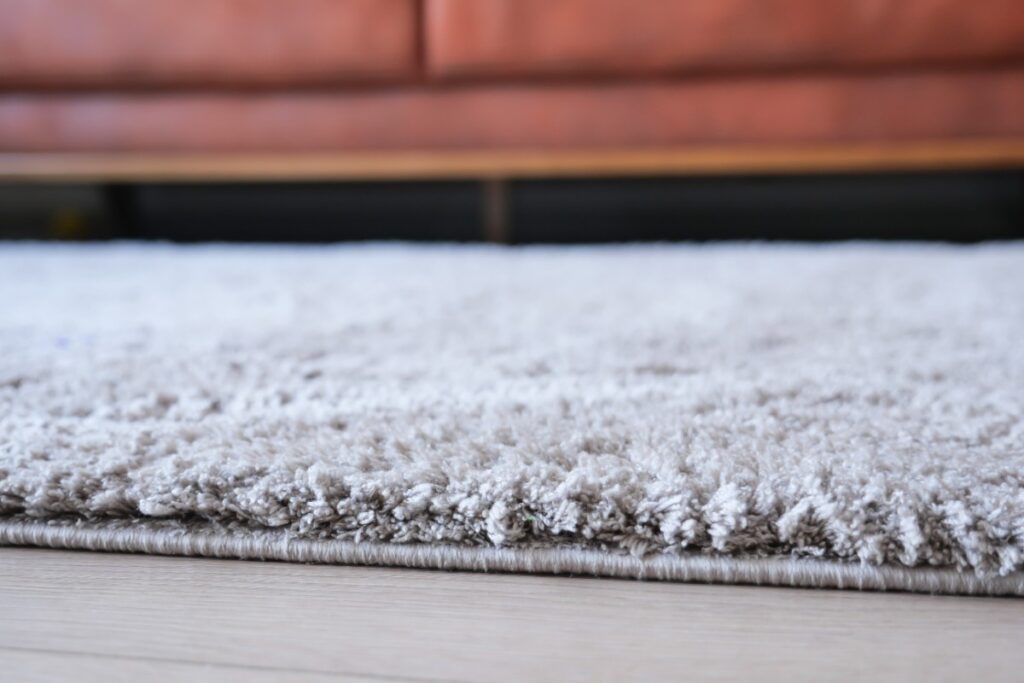
Imagine the days before vacuum cleaners were around. Cleaning rugs meant heading outside and hanging them over a clothesline or a sturdy railing.
Armed with a carpet beater or a big stick, you would smack the rug to force the dust out. Clouds of dust would fill the air and often end up all over you.
Heavy or oversized rugs made the job feel even harder. Still, this was how people kept their rugs free from dust and dirt.
Now, most of us just plug in a vacuum and get the job done in minutes. No dust storms, no sore arms—just a cleaner rug with less hassle.