
10 Workplace Habits That Make You Look Less Professional Than You Are And How To Fix Them Fast!
Delivering great results at work is important, but certain habits can unintentionally hurt how professional you appear. Spotting these behaviors can help you strengthen your career growth.
This article highlights common habits that may hold you back so you can boost your presence at work.
Arriving late to important meetings

Showing up late to meetings can quickly damage how professional you appear. It sends a message that your time, and others’, isn’t a priority.
When you arrive late, you miss vital information and disrupt the flow of the discussion. It makes you seem unprepared or disorganized, even if you’re highly skilled.
Being punctual shows respect and reliability.
Checking phone constantly during conversations
Constantly checking your phone while talking to someone sends a strong message. It can make others feel like you’re not fully present or interested in what they’re saying.
Even a quick glance at your screen breaks the flow of conversation and distracts both you and the person you’re with. Your focus should be on the discussion, showing respect and engagement.
Try turning your phone on silent or putting it away during meetings and chats. This instantly boosts how professional and attentive you come across.
Interrupting colleagues mid-sentence
Jumping in quickly may show enthusiasm, but interrupting can hurt your image. It comes across as rude and shows a lack of respect for others’ ideas.
When you interrupt, you cut off important thoughts and may miss key information. This can lead to misunderstandings and make you seem impatient or inconsiderate.
Instead, wait for the speaker to finish or use non-verbal cues to show you’re engaged.
Dressing too casually for the office

Dressing too casually can send the wrong message. When you wear overly relaxed clothes, it may look like you’re not taking your role seriously.
Choosing neat, appropriate attire shows respect for your workplace and colleagues. You don’t always have to dress formally, but aim for a polished, put-together look.
Small changes, like swapping sneakers for loafers or a t-shirt for a button-down, can boost your professional image. You’ll feel more confident, and others will notice your effort.
Skipping regular updates to your manager
Skipping updates might seem like it saves time, but it can actually create more work later. Keeping your manager in the loop shows you’re organized and responsible.
Regular check-ins help avoid misunderstandings. They give your manager a clear picture of your progress and challenges.
When you share updates proactively, you build trust and show you’re on top of things.
Overusing filler words like ‘um’ and ‘like’
Overusing words like “um” or “like” can distract from your message. It gives the impression that you are unsure or unprepared.
Cutting back on these words can make your speech clearer and more confident. It shows you respect your listener’s time and attention.
Try pausing briefly instead of reaching for a filler. It’s a simple habit that boosts how professional you sound.
Not cleaning up your workspace
A cluttered workspace sends a message that you’re disorganized. Your desk reflects how you handle tasks, so clutter can make you seem less professional.
A messy desk can also slow you down. Important papers get lost, and you waste time looking for what you need.
Taking a few minutes each day to tidy up shows you value efficiency.
Making excuses instead of taking responsibility
Making excuses can undermine your professional image. It signals that you might avoid accountability, which can harm trust with your team.
Taking responsibility shows maturity and confidence. Even if things go wrong, owning your part helps you grow and earns respect.
You don’t have to have all the answers, but admitting mistakes and learning from them makes you stand out.
Ignoring email etiquette
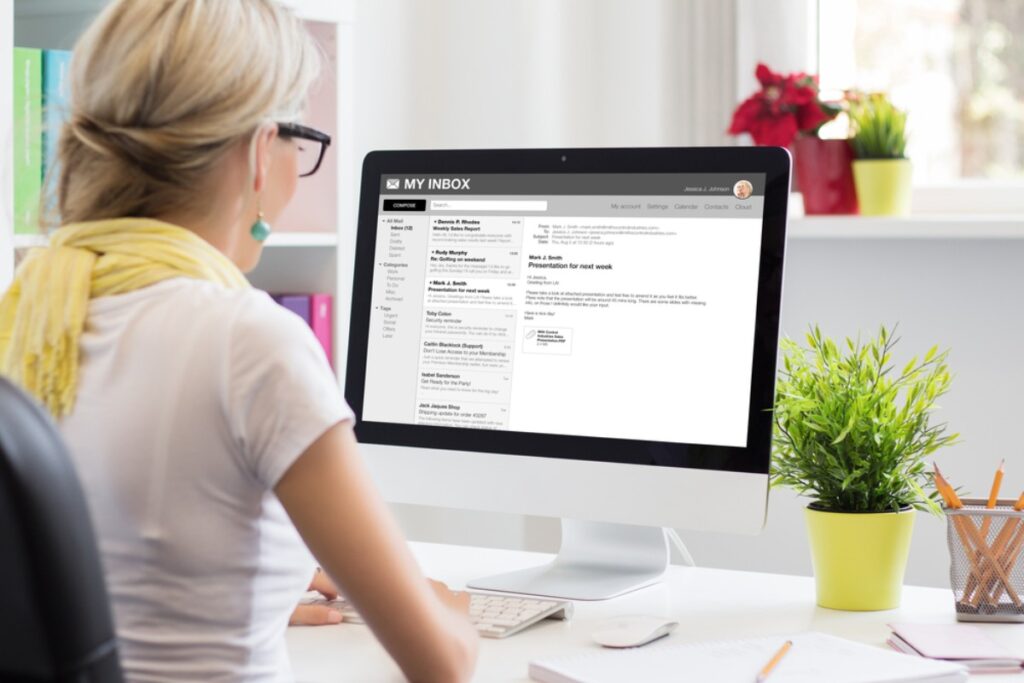
A quick, casual email might seem fine, but ignoring basic email manners can make you seem careless. Using all caps or no punctuation can come across as shouting or lazy.
Replying late or not at all signals disinterest or disrespect for others’ time. This hurts your professional image.
Always double-check your tone, spelling, and recipient list. Small details show you’re attentive and value clear communication.
Avoiding eye contact in meetings
Avoiding eye contact in meetings can make you seem less professional. When you look away often, others may doubt your confidence or engagement.
Maintaining steady eye contact shows you are interested and present. It helps build trust.
Try to meet others’ gazes for a few seconds at a time. With practice, it will start to feel more natural.