

10 Things Your Partner Wishes You Would Stop Doing Immediately to Strengthen Your Relationship
Relationships can be full of small habits that, over time, might start to annoy your partner. Sometimes, these behaviors are unintentional, but they can still create tension or misunderstandings between you two.
What your partner wishes you would stop doing can help strengthen your connection and improve communication. Knowing these things allows you to be more mindful and create a healthier, happier relationship.
Constantly checking your phone during conversations

When you check your phone while talking, it can make your partner feel ignored. It sends the message that something else is more important than what they’re saying.
This habit often breaks the flow of the conversation and can cause frustration. Your partner might stop sharing because they feel unheard.
Putting your phone away shows that you value your time together. It helps create a stronger connection and makes conversations more meaningful.
Interrupting when they’re sharing something important

When your partner is sharing something important, interrupting can make them feel unheard. It blocks their chance to express themselves fully.
You might think you’re helping, but cutting in can come across as dismissive. Waiting until they finish shows respect for their thoughts and feelings.
Give them your full attention, even if you’re eager to respond. It builds trust and improves your communication.
Comparing them to exes

When you compare your partner to an ex, it can make them feel unappreciated. Everyone has their own strengths and weaknesses, so focusing on the past hurts the present.
Try to see your partner for who they are now, not who someone else used to be. Constant comparisons can lead to resentment and distance.
If something bothers you, address it without bringing up past relationships. This shows respect and helps build trust between you.
Making decisions without asking for their opinion

When you make decisions alone, your partner might feel overlooked. It sends a message that their thoughts don’t matter in the relationship.
Even small choices, like plans for the weekend or what to eat, can feel important to include them in. Asking for their opinion shows respect and builds trust.
Remember, partnerships thrive on communication. Taking a moment to check in helps your partner feel valued and involved in your shared life.
Excessive teasing that feels hurtful

You might think teasing is playful, but if it happens too often or targets sensitive topics, it can hurt your partner. What starts as a joke can feel like criticism or disrespect.
Pay attention to their reactions. If they seem upset or withdrawn, it’s a sign to stop.
Balance teasing with kindness and compliments. Your partner will appreciate jokes that bring you closer, not push them away.
Ignoring their need for personal space

Your partner needs moments to themselves to recharge. Constantly crowding them can feel overwhelming.
Respect their boundaries by giving them time alone when they ask for it. This shows you care about their well-being.
Personal space doesn’t mean they love you any less. It’s healthy for both of you to have some time apart.
Pay attention to signs that they need a break. Asking before invading their space can prevent tension.
Bringing up past mistakes in arguments

When you bring up old mistakes during an argument, it can make your partner feel like you are not focused on solving the current issue. It often shifts the conversation away from the real problem.
Try to focus on the present issue instead. Revisiting past errors can cause unnecessary frustration and block progress.
If past concerns truly matter, find a calm time to discuss them separately. This helps keep arguments more productive and less hurtful for both of you.
Not listening and zoning out mid-conversation

When your partner is talking, it’s important to give them your full attention. Zoning out or looking distracted can make them feel ignored or unimportant.
You might think you’re still catching the main points, but missing details can lead to misunderstandings. Even brief moments of distraction can hurt the flow of your conversation.
Try to put away distractions like your phone or TV. Show that you value what they’re saying by making eye contact and responding thoughtfully.
Leaving dishes in the sink overnight
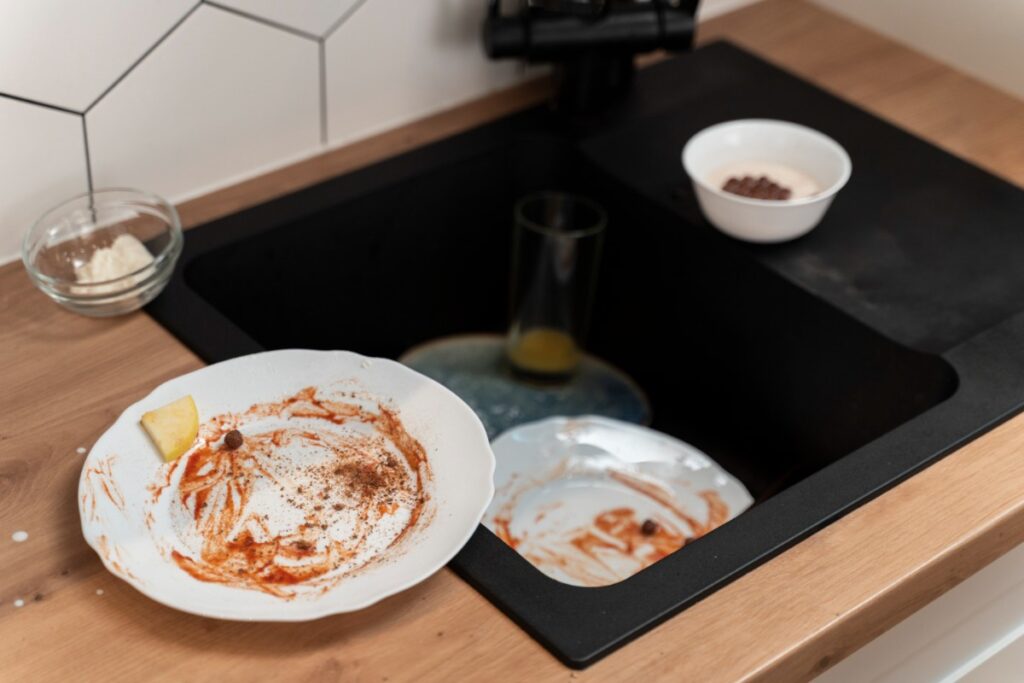
Leaving dishes in the sink overnight can make the kitchen feel cluttered first thing in the morning. It gives your partner extra work to start the day, which can be frustrating.
Dirty dishes can also attract bugs or cause unpleasant smells if left too long. Washing up right away keeps things fresh and more welcoming for both of you.
Taking a few minutes to clean after meals shows consideration. It helps maintain a tidy space and can prevent small annoyances from becoming bigger issues.
Being late without informing them

When you’re late without letting your partner know, it can make them feel unimportant. They may worry or get frustrated because waiting without any updates feels disrespectful.
Taking a moment to send a quick message or call shows you value their time. It helps keep trust strong and prevents unnecessary stress.
Being punctual or at least communicating delays shows consideration. It’s a simple way to make your partner feel cared for and respected.