Woman Adopts Child With Same Rare Condition: Managing PKU Together
Growing up with a rare genetic disorder, Pam Kowalczyk often felt like no one truly understood her daily struggles. Years later, that sense of isolation changed in a life-altering way, when she adopted a little girl who shares the very same condition.
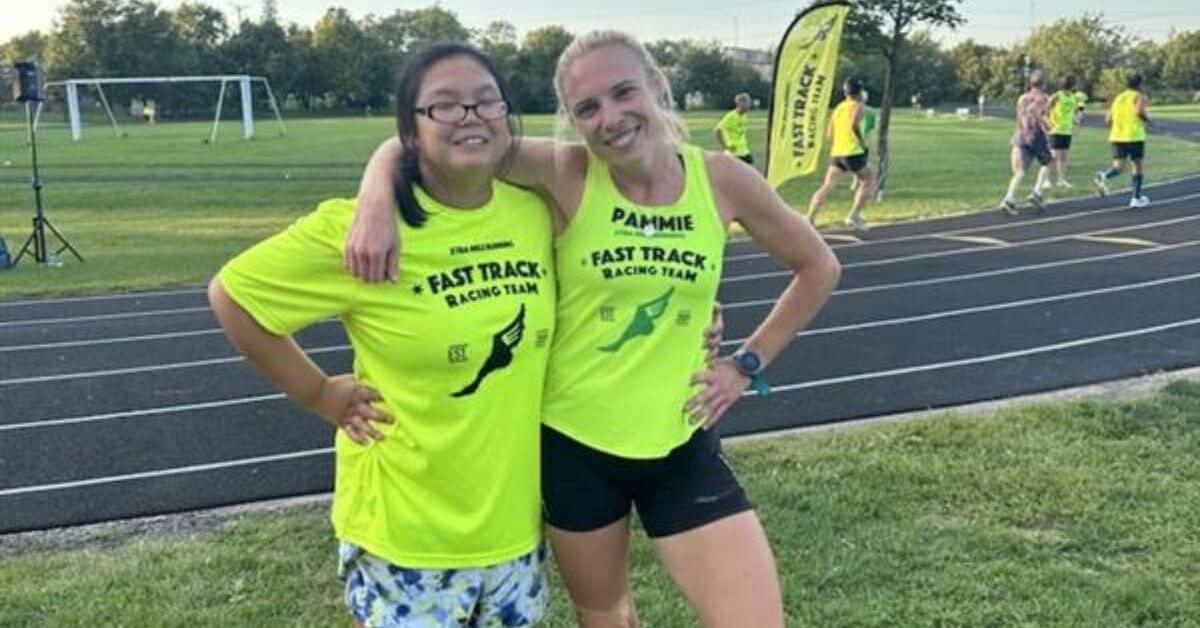
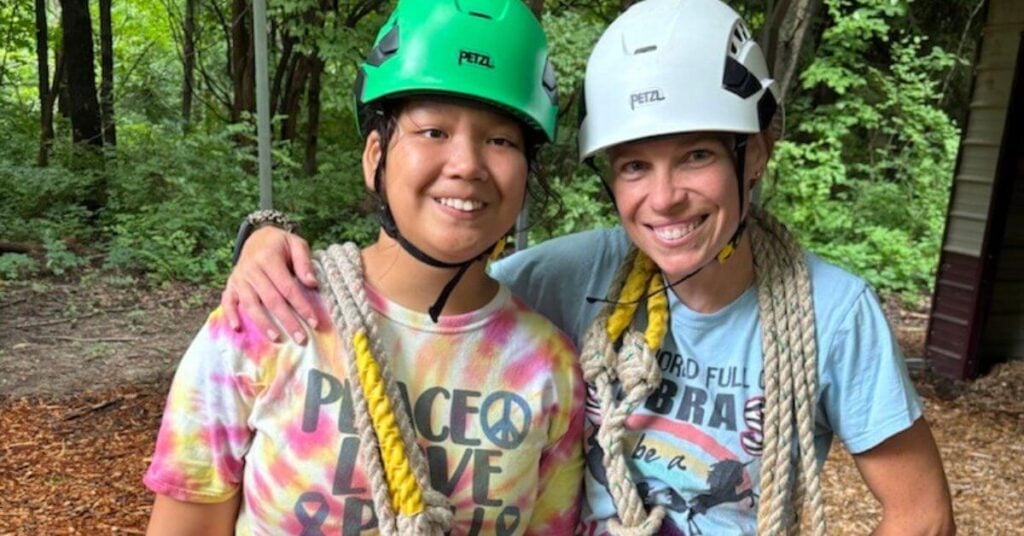
“She’s definitely my little mini-me,” says Pam, a 40-year-old special education teacher from Crystal Lake, Illinois. “It’s really special to be able to go through life together and manage PKU side by side.”
What Is PKU?
PKU, short for phenylketonuria, is a rare inherited metabolic disorder that prevents the body from properly breaking down an amino acid found in protein. Without treatment, this substance can build up to toxic levels and lead to serious neurological damage.
Pam was diagnosed with classical PKU at birth after routine newborn screening. From infancy, she followed a strict low-protein diet, avoided aspartame, and relied on medical formula. Managing PKU became part of her everyday life from a very young age.
Why Adoption Was the Only Safe Option
As Pam got older, doctors explained that pregnancy would be extremely risky due to the severity of her PKU. There were serious concerns about maternal PKU syndrome, which can cause significant harm to a developing baby.
“I knew that if I wanted to be a mom, adoption was the path for me,” Pam says.
She and her husband at the time decided they wanted to adopt a child with PKU or another disability, someone they felt prepared to care for and understand.
Finding Their Daughter
At a PKU conference in Indianapolis in 2016, Pam attended a session focused on adopting children with PKU. During the presentation, a photo of a little girl appeared on the screen.
“We both looked at her and just knew,” Pam recalls. “That’s her.”
The child, later named Kelsey, had been abandoned under a bridge in Shanxi, China as an infant. A note left with her simply said that she had PKU and expressed hope that someone would take care of her.
After confirming with the adoption agency that Kelsey had received proper treatment, and consulting her own medical team, Pam moved forward with the adoption.
A Heartbreaking Discovery
Pam met Kelsey on July 31, 2017, the day the adoption became official. Though the orphanage estimated Kelsey was 3 years old, Pam now believes she may have been older due to the absence of a birth certificate.
Kelsey wobbled toward Pam during their first meeting and climbed into her lap. But something immediately felt wrong.
“She was non-verbal and had significant developmental delays,” Pam says. “I knew right away she hadn’t been treated properly for PKU.”
Once home in Illinois, medical scans confirmed Pam’s fears. Kelsey had suffered substantial brain damage due to untreated PKU in early childhood, damage that could not be reversed.
Living With PKU Together
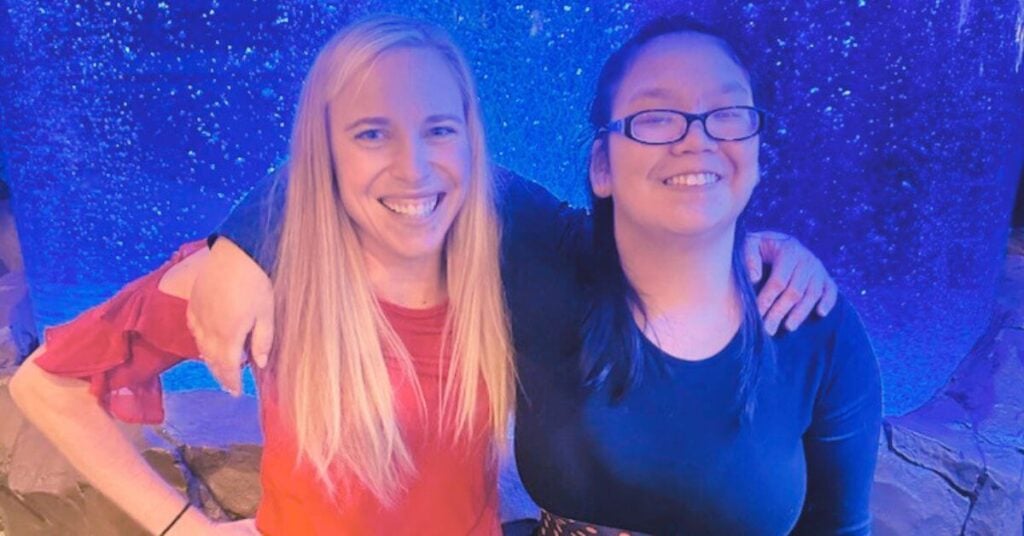
Today, Kelsey is 12 years old and attends sixth grade, though her cognitive abilities are closer to those of a 5-year-old. She uses a speech device to communicate, receives occupational and speech therapy, and also knows sign language.
“She needs a lot of support,” Pam explains. “A lot of her behavioral challenges come from not being able to fully express herself.”
Pam’s PKU remains more severe than her daughter’s, requiring her to carefully weigh and log every bite she eats. Her meals are extremely limited, relying heavily on medical formula. Kelsey, who has a milder form of PKU, is able to enjoy a wider range of foods, from gluten-free waffles to pasta and sweet potatoes.
They track their blood levels together and use apps to monitor their diets, turning daily medical care into a shared routine.
A Built-In Support System
Medical professionals say the bond Pam and Kelsey share is incredibly powerful.
When an adult with a lifelong condition chooses to adopt a child with the same diagnosis, it creates a rare and meaningful support system rooted in shared experience.
Pam doesn’t just manage Kelsey’s condition, she understands it deeply.
“We Can Do Hard Things Together”
Despite the challenges, Pam says their life together is filled with strength, love, and resilience.
“We’re just two strong girls,” she says. “I always tell her we can do hard things, and we can do hard things together.”
For Pam and Kelsey, PKU is not just a diagnosis. It’s a bond that connects them in a way few people could ever fully understand.
For more information on PKU, visit https://www.reimaginepku.com/patients.