

Why Generation X Should Not Be Forced to Retire in Poverty
If you ask people what advice they would give their younger selves, the answers usually range from financial regrets to emotional wisdom. Many people might relate to that. What almost no one would say is this: save aggressively for retirement every single month, no matter what, because if you don’t, the system may leave you with nothing when you finally need it.
That advice does not sound exciting or urgent when you are young. Retirement feels distant, abstract, and easy to postpone. For Generation X, however, that distant future has arrived far sooner than expected, and the reality is uncomfortable.
The Retirement Dream Generation X Was Promised No Longer Exists
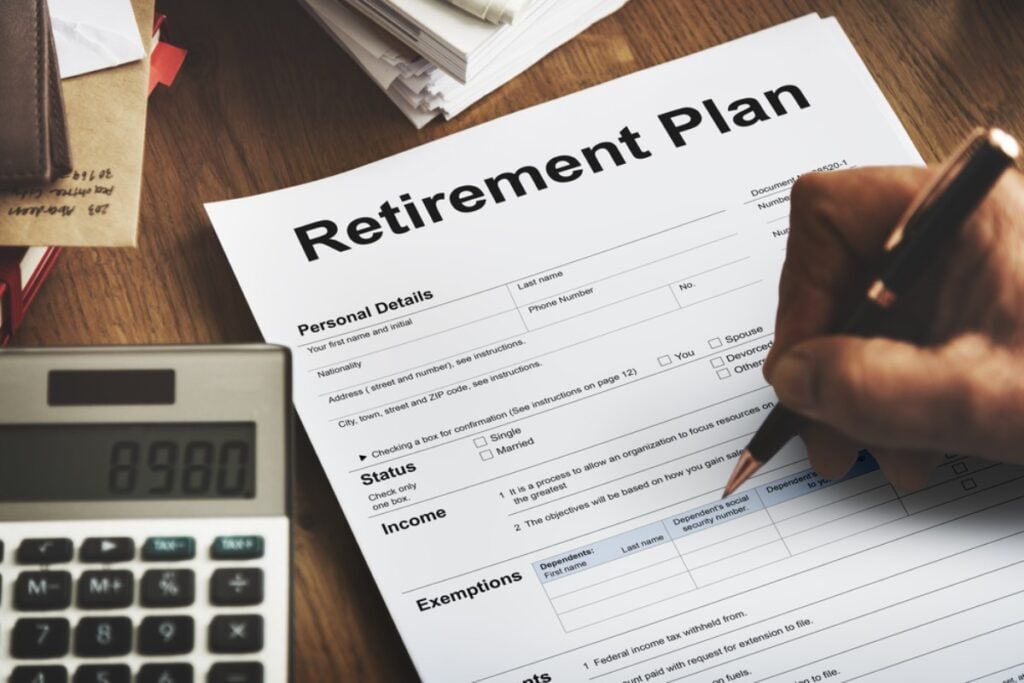
For decades, society followed a familiar script: education, a stable career, and then a comfortable retirement. For Generation X, that promise has quietly collapsed.
Instead of a golden retirement, many Gen Xers are facing the possibility of working well into their seventies with shrinking pension savings. Dignity in later life has started to look like a privilege rather than a guarantee.
By midlife, many people find their first careers slowing down or ending altogether due to burnout, redundancy, or a sense of stagnation. For Gen X, a second career is no longer a lifestyle choice. It is a necessity.
A Generation That Adapted Yet Was Still Left Behind
Generation X grew up fast. They were the latchkey kids, shaped by MTV, early personal computers, and the birth of the internet. They adapted to rapid technological change and reinvented themselves repeatedly.
Yet despite this flexibility, the systems meant to support them failed to evolve.
Many entered the workforce just as generous pension schemes were being phased out and replaced with less secure, market-dependent options. Over the years, they have endured multiple recessions, a global financial crash, a pandemic, and relentless increases in the cost of living. All the while, retirement ages have crept upward and pension savings have struggled to keep up.
Rising Retirement Ages and Shrinking Safety Nets
Recent government discussions have made one thing clear: future retirees will be worse off than today’s. That reality hits midlife women particularly hard.
Due to long-standing pay inequality, women often retire with pension savings that are roughly half the size of men’s. Career breaks for caregiving, part-time work, and unpaid labor all contribute to this gap. As retirement ages rise, the question becomes unavoidable: how are people supposed to cope?
If the retirement age stretches toward 71, what is the plan for those expected to work that long?
The Untapped Power of Midlife Workers
There is an obvious answer that continues to be overlooked: employ midlife workers, especially women.
For the first time, a significant portion of the population is over 50, while younger age groups are shrinking. This demographic shift is not a problem to fear, but an opportunity to embrace.
The outdated idea that older workers cannot adapt to new technology or modern workplaces simply does not hold up. Generation X lived through massive cultural and technological change and adapted every step of the way.
Experience Is Being Discarded Too Easily
Despite their skills and resilience, midlife workers are often the first to be made redundant. Many employers assume they can replace experience with cheaper, younger labor.
That assumption is deeply flawed.
People in their fifties often have decades of productive work ahead of them. Many are free from the intense caregiving responsibilities of earlier years and are ready to contribute at a high level. Yet they face silence from employers, automated rejections, and unspoken age limits during hiring.
For women, the barriers are even higher.
Why Career Gaps Are Not Failures

Many midlife women worry about so-called gaps in their resumes. But those years were not empty.
They were spent raising children, caring for family members, managing households, and juggling responsibilities that demand organization, leadership, and emotional intelligence. These are real skills with real value, even if they are rarely labeled as such.
Programs that help women re-enter the workforce consistently show how capable, motivated, and prepared they are for second careers.
Ageism Is Costing Businesses More Than They Realize
Age bias often begins at the hiring stage and spreads throughout organizations. Studies show that candidates are frequently considered too old by their late fifties, and women are dismissed even earlier.
This means businesses are actively rejecting experienced talent at a time when stability, judgment, and leadership are more valuable than ever.
Data supports this. Companies with diverse leadership teams, including gender diversity, consistently perform better financially. Experience, adaptability, and perspective are not liabilities. They are competitive advantages.
This Fight Is Bigger Than One Generation
The push to value midlife workers is not just about helping Generation X. It is about fixing a system that will eventually affect everyone.
Younger generations may not feel the impact yet, but they will. If nothing changes, they will face the same insecurity, the same disappearing safety nets, and the same assumptions about age.
The goal is a future where careers are flexible, multi-generational teams are normal, and experience is valued rather than sidelined.
A Future Where Retirement Means Dignity
Generation X is not asking for special treatment. They are asking for fairness, opportunity, and the ability to earn a living long enough to retire without fear.
When experience is welcomed instead of dismissed, when age is seen as an asset rather than a flaw, everyone benefits. A society that allows people to work with purpose and retire with dignity is not unrealistic. It is necessary.
And if we get it right now, future generations will not have to fight the same battle all over again.