
What a Typical American Breakfast Looked Like in the 1920s Friendly Guide to Classic Morning Eats
Ever wondered what breakfast was like for Americans a hundred years ago? The 1920s were a time of change, with new foods making their way onto breakfast tables and old favorites sticking around.
A typical breakfast back then was simple and quick, with foods like cereal, eggs, and bread becoming more common. Depending on where you lived and your family’s habits, your morning meal could look pretty different.
Fluffy Buttermilk Pancakes
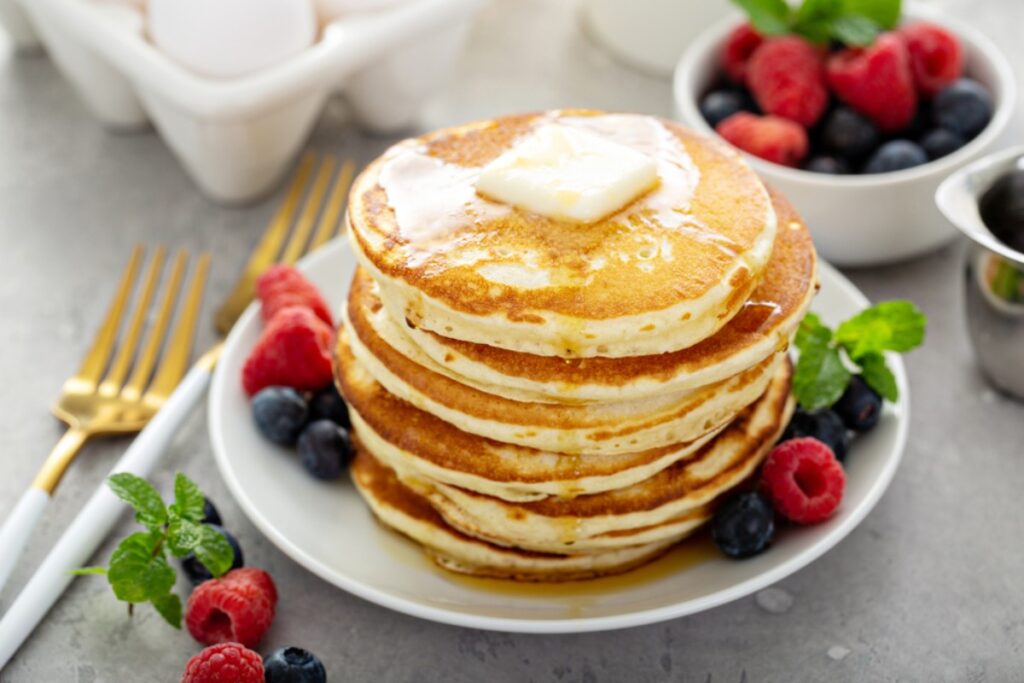
Back in the 1920s, fluffy buttermilk pancakes were a breakfast favorite for many families. These pancakes were made from basic ingredients like flour, eggs, baking powder, and buttermilk.
The buttermilk gave them a slight tang and made the pancakes extra soft. Cooks would pour the batter onto a hot griddle and watch as the pancakes puffed up and turned golden brown.
Butter was often spread over the warm pancakes, melting into every bite. Maple syrup or fresh fruit made the meal sweet and satisfying.
Pancakes were more than just a meal—they were a comforting way to start the day. They brought a touch of warmth to busy mornings.
Crispy Bacon Strips
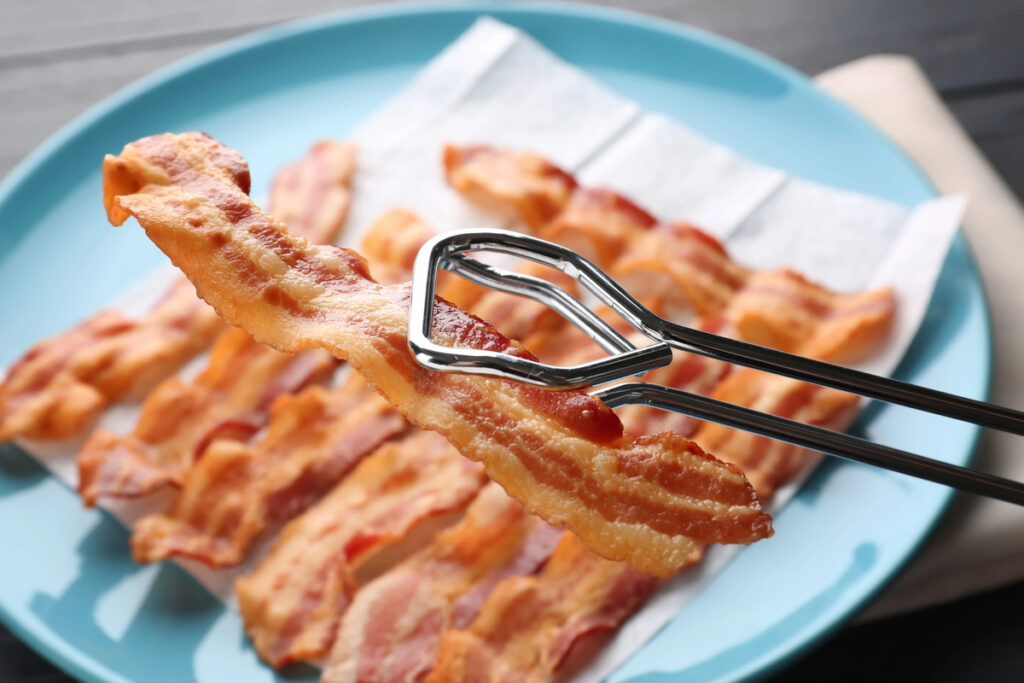
Bacon wasn’t always the breakfast staple we know today. In the early 1920s, most families ate lighter meals in the morning.
That started to change when advertising campaigns began to promote bacon as a breakfast food. Soon, crispy bacon strips became a popular choice for those who wanted a heartier meal.
Cooking bacon until it was crispy brought out its smoky flavor. People enjoyed pairing it with eggs, bread, or pancakes.
Bacon’s rise in popularity was just beginning during this era. It slowly became a favorite for many American families.
Scrambled Eggs
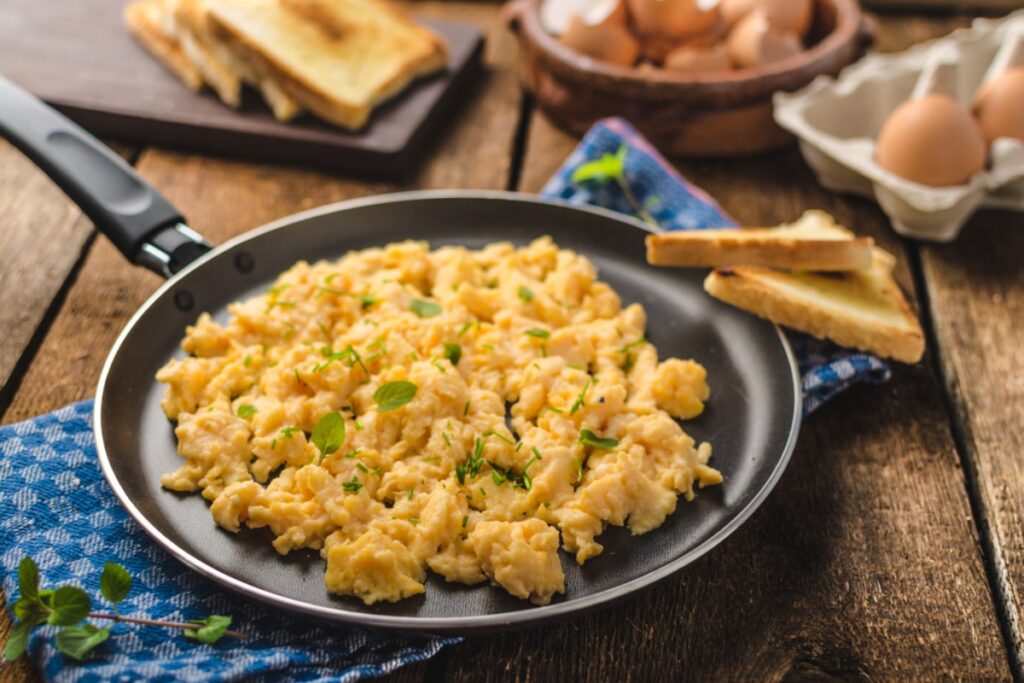
Scrambled eggs were a simple and common breakfast option in the 1920s. Most people cooked them in a pan with a bit of butter or fat.
Eggs were usually left plain, soft, and creamy. They were easy to prepare and quick to make.
Often, scrambled eggs were served with toast or fresh bread. This combination made for a warm and filling breakfast.
Eggs provided a good source of protein to help start the day. They became a staple in many households.
Golden Home Fries
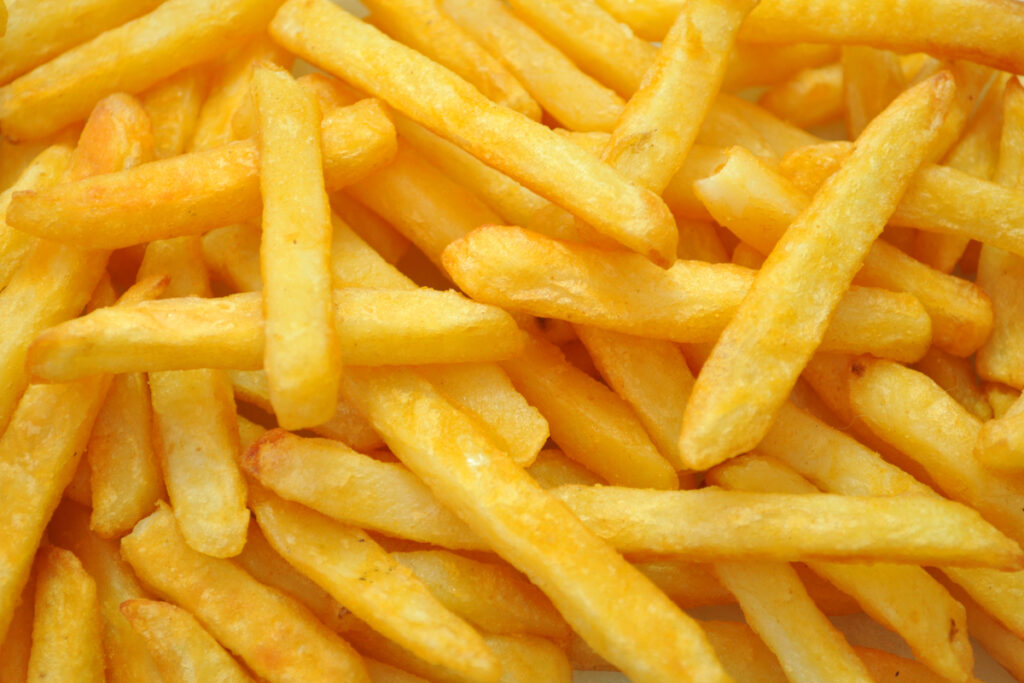
Home fries were another breakfast classic. These were potatoes cut into cubes or thin slices, then fried in hot fat or butter.
They turned crispy on the outside and stayed soft inside. Home fries were a great way to use up leftover potatoes from the day before.
Seasonings were simple, usually just salt and pepper. Sometimes onions were tossed in for extra flavor.
This side dish was easy to make and filled you up. Home fries paired well with eggs, bacon, or sausage.
Buttery Toast
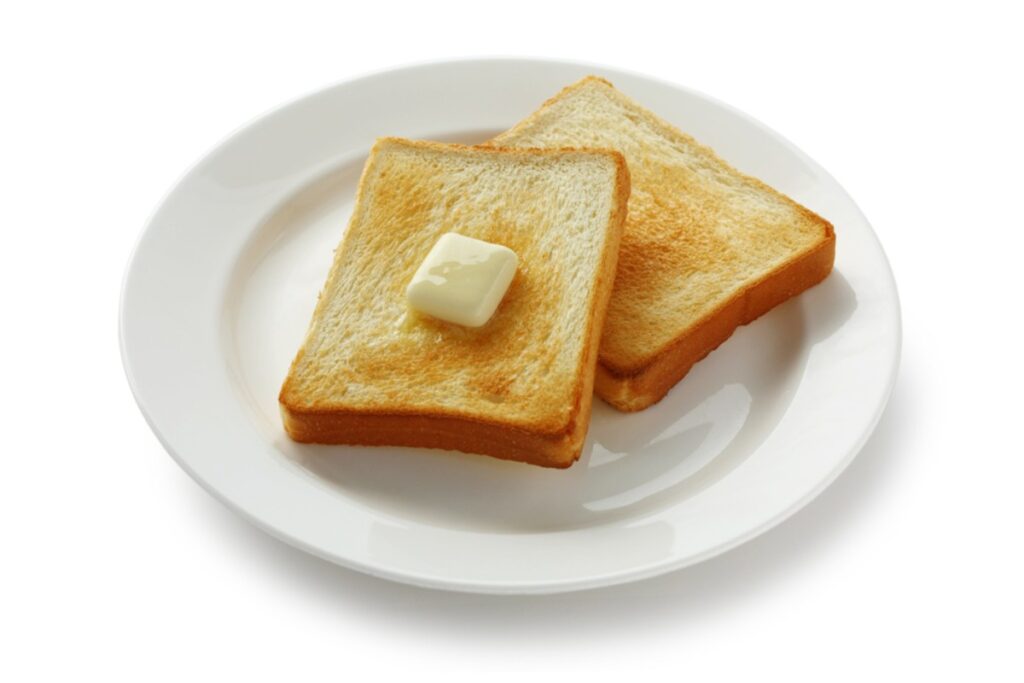
Toast was a breakfast staple in the 1920s. Most people used white bread, which was quick to slice and toast.
Warm toast was spread with butter, letting it melt right in. Sometimes, people added jam or honey for a sweet touch.
Toast fit perfectly with the trend toward lighter breakfasts. It was easy, filling, and perfect for busy mornings.
Classic Sausage Links
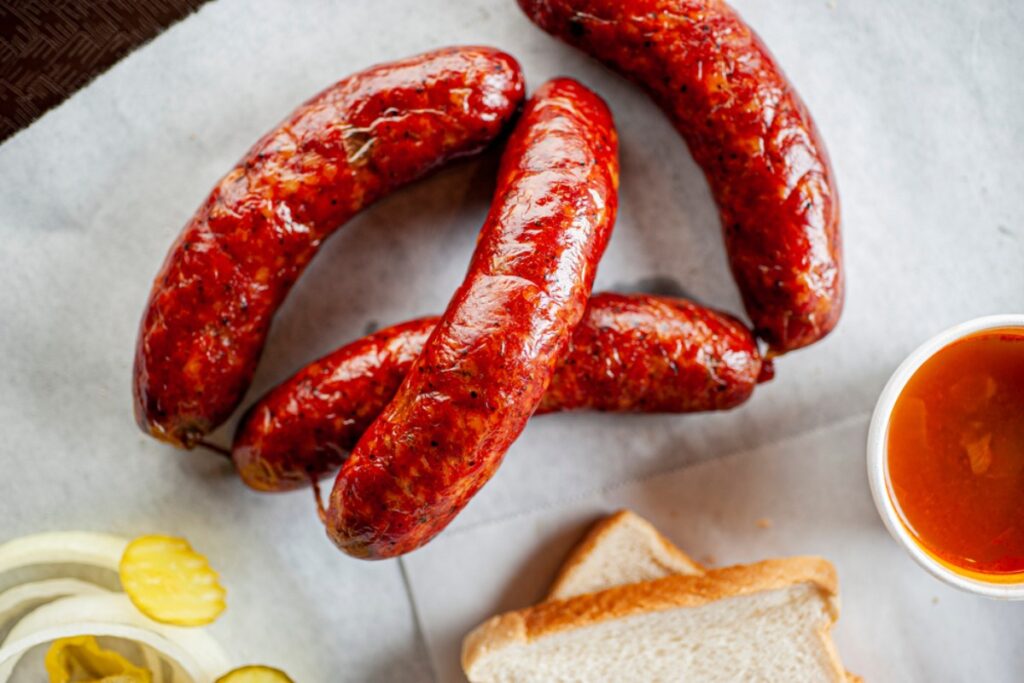
Sausage links were a savory addition to the breakfast table. They were usually made from pork and seasoned with salt, pepper, and sage.
Cooks browned the sausages in a pan until they were crispy on the outside. Sausage links added flavor and energy to the meal.
You might find them served with eggs, toast, or pancakes. They were easy to prepare and dependable for a satisfying breakfast.
On days when you wanted something more filling, sausages could be paired with baked beans or potatoes.
Sweet Cinnamon Rolls
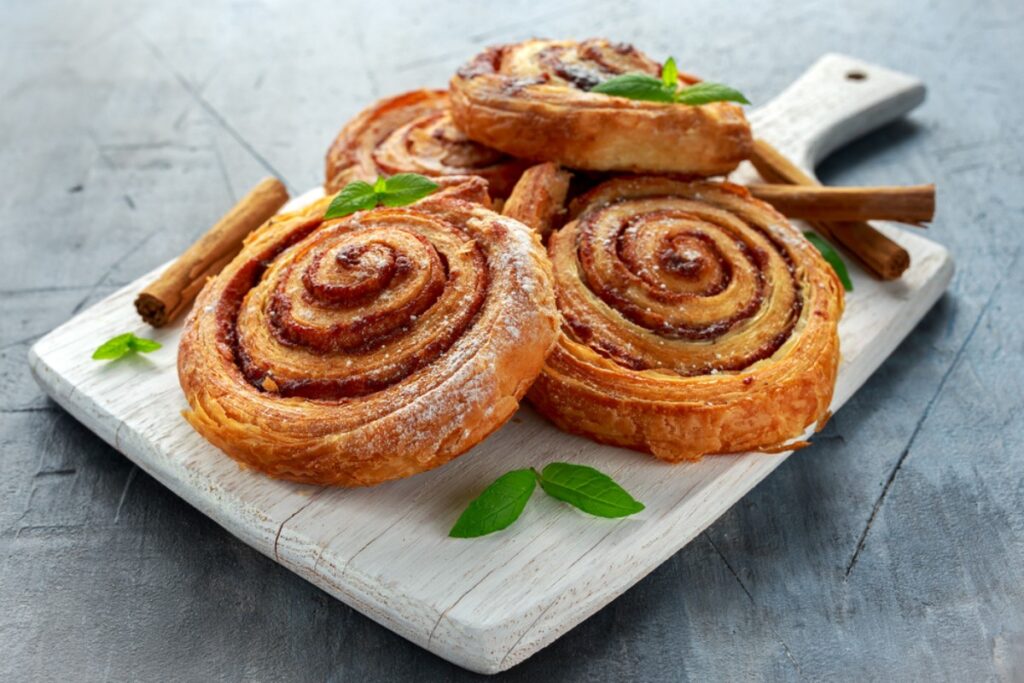
For those who liked a sweet start to the day, cinnamon rolls were a treat. These pastries became more popular in American homes during the 1920s.
Many families bought cinnamon rolls already made, while others baked them from scratch. The recipe came from Sweden, brought over by immigrants.
Cinnamon rolls were soft, filled with cinnamon and sugar, and sometimes topped with icing. They made breakfast feel a little more special.
Not every morning included sweet pastries, but cinnamon rolls were a nice way to change things up. They brought a sense of comfort and variety to the table.
Creamy Grits

In the South, grits were a regular part of breakfast. Grits are made from ground corn, creating a warm, creamy dish.
Some people ate grits plain, while others added butter and salt. Cheese or bits of bacon could make them even heartier.
Grits were easy to cook and filling. They were often served with eggs or a slice of bread.
This simple dish showed how breakfast could be comforting without being complicated.
French Toast
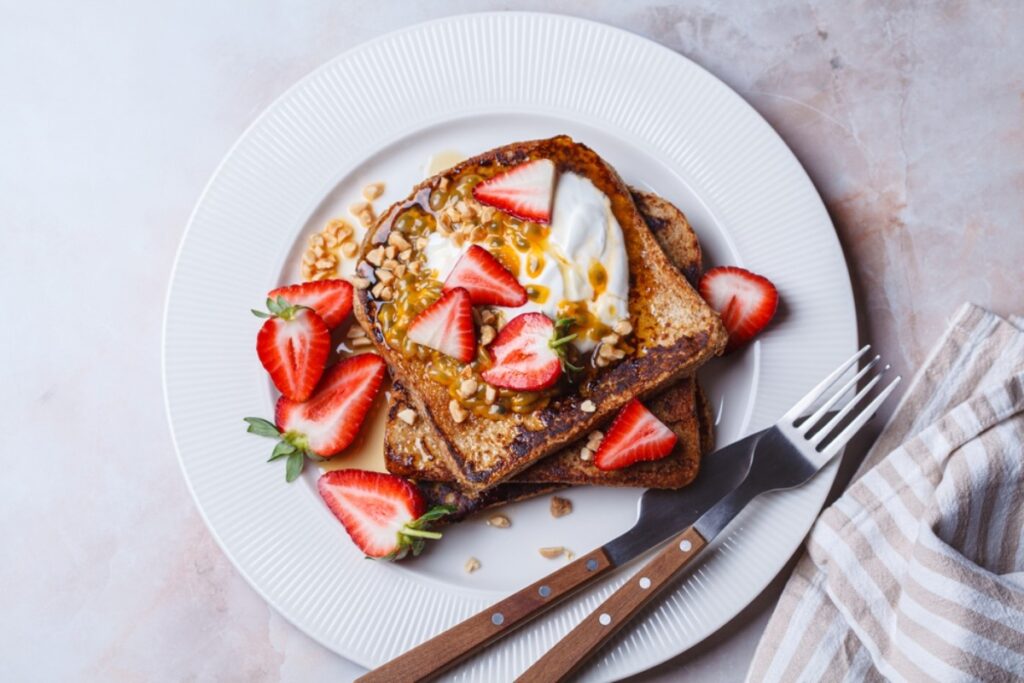
French toast was a popular way to use up leftover bread. The bread was soaked in eggs and milk, then fried until golden.
A sprinkle of powdered sugar or a drizzle of syrup made it sweet. Fresh fruit like berries or bananas could be added on top.
French toast offered a little variety and felt like a treat, even on a regular morning. It was easy to make and enjoyed by families across the country.
Trying French toast today is a way to connect with breakfast traditions from the past. Simple ingredients can still make mornings special.
Fresh Fruit Salad
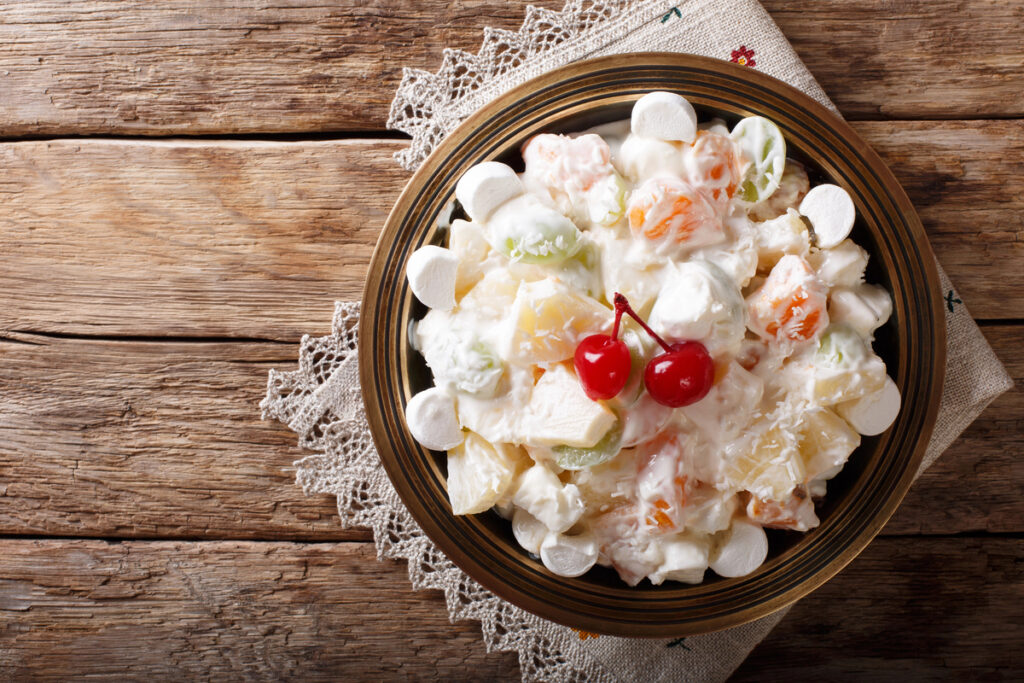
Back in the 1920s, fruit salad was a refreshing way to start the day. People loved mixing pineapple, citrus fruits, and raisins for a burst of flavor.
These ingredients were packed with vitamins and fiber. Sometimes, apples, grapes, and nuts were added for extra crunch.
A light dressing like mayonnaise was often used. This made each bite creamy and satisfying.
Refrigerators were becoming more common, so keeping fruit fresh was easier. Chilled fruit salads became a regular treat at breakfast.
If you wanted something quick but flavorful in the morning, fruit salad was an easy pick. It added color and a hint of sweetness to any breakfast table.