
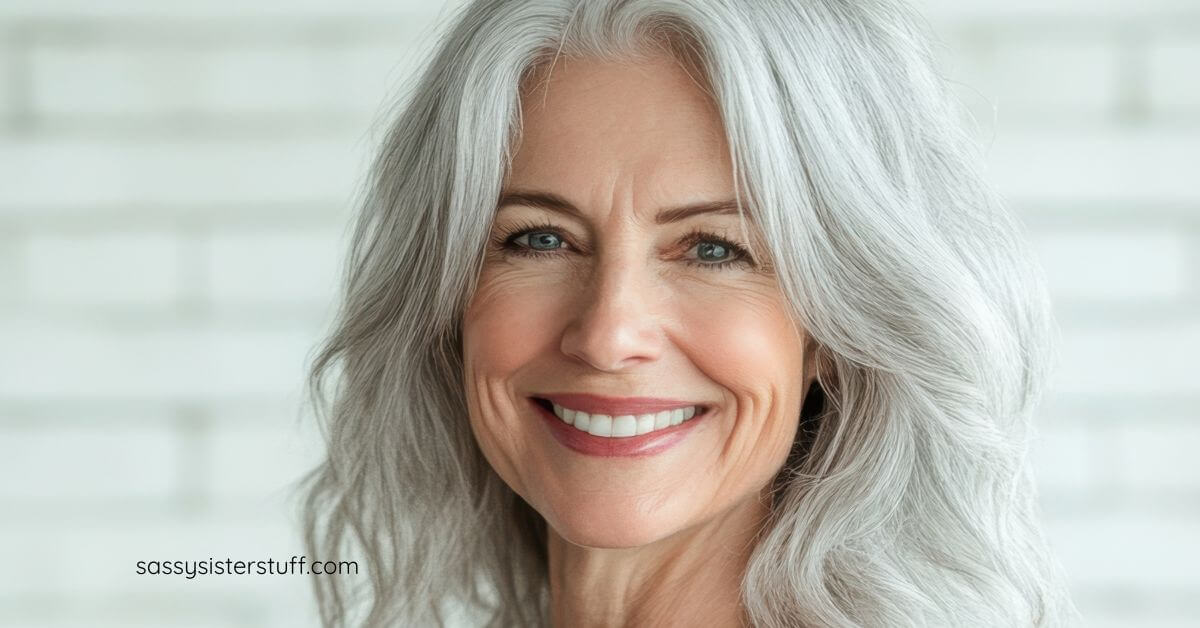
Should You Go Gray? The Pros and Cons of Coloring Your Hair in Midlife
You generally get to a point in midlife when your hair changes color naturally and you decide to start coloring the gray. It’s just one more of those changes that occur and cause you to feel in-between—should you go gray or keep coloring your hair?
It happens right alongside empty nest, caregiving, grief, divorce, and all the other challenges we face as midlife and senior women. It happened to me and I decided to start coloring those pesky little gray hairs, but somewhere along the way, I’ve found myself questioning whether I want to continue to do so.
Let’s look at the pros and cons of coloring your hair when those grays start taking over.
✨Key Takeaways
- Going gray in midlife is less about hair and more about identity, confidence, and how you want to show up in this season of life.
- There’s no “right” choice — some women feel empowered by embracing gray, while others feel more like themselves keeping their color. Both are valid.
- Letting your gray grow out can save time, money, and mental energy, but the transition phase can be emotionally challenging.
- The best choice is the one that supports the woman you are now, not who you used to be or who anyone else thinks you should be.
Should You Go Gray? The Pros and Cons of Not Coloring Your Hair
You catch your reflection in the mirror and there it is, your silver hair you can’t unsee. Part of you wants to cover your gray hair like you always have. Another part of you is tired, not just of the hair dye, but of the whole pressure to keep proving you’re “still you.”
If you’re in midlife, this question often isn’t only about hair. It’s about identity and aging gracefully. It’s about permission. It’s about what you want your face, your life, and your energy to say now.
So let’s talk it through like sisters would, with honesty and zero guilt. If you’ve been wondering, should you go gray, you’re not alone.
Why This Decision Feels So Much Bigger Than It Should
You’re not imagining it. Hair can carry history.
Maybe you’ve been the “put together” one, the dependable one, the one who held it all together through a divorce, grief, caregiving, retirement, or that disorienting empty-nest quiet. Your freshly colored hair has given you strength and stability.
Coloring your gray roots can feel like one of the last familiar rituals, a way to stay recognizable to yourself, instead of revealing your natural hair color, when everything else has shifted.
Transitioning to gray hair, on the other hand, can feel like stepping onto a new stage with the lights on. You may worry about looking older, looking tired, or becoming invisible.
What Does “Going Gray” Mean?
Going gray is the personal decision to stop dyeing your hair and allow your natural silver, white, or salt-and-pepper hair to grow in. This process, often called a “gray hair transition,” typically takes 12 to 24 months depending on your hair length and how often you cut it.Many women in their 40s, 50s, and beyond are embracing this journey as a way to celebrate their natural beauty and reduce the time and cost of salon visits.
And yet, there’s another truth. Choosing not to color can be a relief. It can be a soft rebellion. It can be a way of saying, “I’m allowed to be real.”
It’s normal to have so many thoughts and feelings about what to do. But I learned once you make the decision, you can rest better and put this out of your mind. Until a new you questions it again someday. After all, this is middle age and senior life. 🥰
If you want a thoughtful personal perspective on how to embrace the gray, read Vanessa Chamberlin’s story about deciding to embrace gray so she could age beautifully. She talks about the emotional side of going gray that many women don’t talk about out loud.

The Real Pros of Going Gray
The biggest benefit is simple: you get your time back. No more scrambling to book an appointment before roots show. No more bathroom mirror root touch-up when life is already full.
You also get your money back. Salon hair dye adds up fast, especially if you’re covering gray hair every four to six weeks. If you’re rebuilding after a life change, that budget breathing room matters.
Then there’s hair health. Less processing often means less breakage and less dryness. Gray hair or white hair can be drier by nature, but taking color out of the equation can still reduce damage over time. If dryness is already driving you nuts, these tips for dry, gray hair in midlife can help you get your shine back without fighting your texture.
And let’s not ignore the confidence piece. Not the loud kind. The quiet kind. The kind that says you don’t need to hide to be worthy.
For some women, the most surprising “pro” is clarity: once you stop chasing a younger look, you start choosing a truer one.
👍🏻Pros Quick Summary
- ✓ Financial savings of $200-$400+ annually
- ✓ No more chemical exposure from hair dye
- ✓ Less time spent at the salon
- ✓ Healthier, stronger hair over time
- ✓ A sense of authenticity and self-acceptance
- ✓ Join a growing community of silver-haired women
The Real Cons of Going Gray
Here’s the honest part. The transition can feel awkward. You might have months where you look salt and pepper, washed out, or like your hair doesn’t match your makeup anymore. That limbo phase is real.
Gray hair can also change hair texture. Many women notice it gets coarser, frizzier, or a bit wiry. It may also look dull if you don’t adjust products. Purple shampoo can help neutralize brassy tones and yellow tones, but overdoing it can leave hair looking flat or slightly lavender.
Another con is emotional whiplash. One day you feel powerful and free. The next day you feel exposed. That doesn’t mean you made the wrong choice. It means you’re human.
Social feedback can be a factor too. Some people will praise you. Others will say something weird like, “You’re so brave,” as if you’re walking into battle. If you want a culture check from the silver sisterhood, a support group of women who’ve heard it all, Gray hair, don’t care is a validating read.
One more practical con is your wardrobe and colors might need a refresh. Gray hair can shift what flatters you, especially near your face. The fix is usually simple, a brighter lip, warmer earrings, or a top that makes your eyes pop again.
More Reasons to NOT Go Gray
There are many reasons to keep coloring your hair to cover up those strands of gray. This video will show you a very personal perspective from someone who has decided to go gray.
Video Summary
- Gray hair might feel more like a burden than a relief. It can be super frustrating. Going gray is not just a physical process, it’s an emotional process.
- Gray hair changes more than just your hair color; you have to learn new ways to manage your hair.
- It might affect you professionally. Gray hair is still associated with aging and slowing down. Social biases still exist.
- You might not be emotionally ready to go gray because it’s a visual sign of aging. Plus, you might be dealing with many other changes and this would only add to your frustrations.
- Gray hair is not the only path to authenticity. Authenticity comes in many forms and maybe gray hair doesn’t align with your bold, vibrant personality.
👎🏻Cons Quick Summary
✗ The transition period can be awkward (visible roots)
✗ Some gray hair has a different texture (coarser, wiry)
✗ You may need new makeup colors to complement silver tones
✗ Social pressure or comments from others
✗ The process requires patience (12-24 months)
✗ Not everyone’s gray pattern is flattering without styling
A Reality Check: There Is No “Right” Choice
You don’t have to turn this into a moral issue. Gray hair may not be for you. The choice is yours and you can feel comfortable with whatever you decide.
It might help you make a decision if you understand what causes gray hair and whether you can stop it. This article from the American Academy of Dermatology Association breaks it down in a simple, science-backed way.
If you’re still stuck, spend some time with this simple comparison table and see what your body relaxes into when you read it.
| Choice | What Might Feel Easier | What Might Feel Hard |
| Go Gray | Less upkeep long-term, more authenticity, less chemical processing, save time and money. | Growing out gray hair, texture changes, comments from others, new upkeep routines and products, emotions. |
| Keep Coloring | Predictable look, immediate coverage, familiar routine. | Ongoing cost, root maintenance, possible damage over time |
Your best answer is the one that feels right for the life you’re living right now.
If You Want to Go Gray, Here’s How to Make the Transition Easier
You don’t have to go cold turkey unless you want to. A professional colorist can help you “walk it down” with highlights, lowlights, or gray hair blending, so the line of demarcation isn’t so harsh. Think of it like easing into a new season instead of ripping off the calendar page.
A few practical moves help a lot:
- Choose a modern cut that works with gray. According to current style notes going into 2026, short cuts like pixie cuts and bobs are popular because they’re easy and flattering, and they add movement where hair can start to thin. A wavy shoulder-length lob also works well if you want some length without heavy styling.
- Plan trims every 6 to 8 weeks. Regular trims with your hair stylist keep ends from looking dry and help the new color look intentional.
- Adjust your moisture routine. Gray hair often needs more conditioning. A weekly deep conditioner and a leave-in can change everything.
- Decide what “you” look like now. Sometimes you’ll need to tweak brows, glasses, makeup for gray hair, or wardrobe for gray hair so your face doesn’t feel faded next to silver, especially when considering your skin undertone. That’s not vanity, it’s balance.
Check out this real-life story from Jennifer, a midlife style blogger: Color or Go Natural After 60. She lays out the real-life trade-offs in a very relatable way.
You Want to Keep Coloring, Here’s How to Do It Without Burnout
If you’re like me and have colored your hair for a long time, you may have decided not to go gray—not yet, or not ever. And that’s okay. I go every five weeks for a touch up and trim. It’s just part of my life now.
If you keep coloring, you can still make it kinder on your schedule and your hair. Many women feel better switching from full coverage to softer options like highlights, root smudges, or blending techniques that grow out less harshly and ease the pressure of gray roots maintenance. These approaches blend seamlessly with your natural hair color, so you keep your look but lose some of the upkeep stress.
It also helps to get clear on your why. Are you coloring because it’s fun and you love it? Great. Are you coloring because you’re scared gray hair will make you disappear? If that’s the truth, be gentle with yourself, then ask what would help you feel seen, even if your hair changed.
Truth be told, I’m coloring because I am covered in freckles and just don’t think I would look good with gray hair. 😉
Sometimes the most midlife move isn’t going gray or staying dyed. It’s choosing from self-trust instead of fear.
Pin to Pinterest for Later
Frequently Asked Questions about Going Gray
I’ve started trying to include a FAQ section in my articles for readers who feel TL;DR and need to skim. I know it’s part of life for many of us, so here are some frequently asked questions and answers about going gray.
Conclusion: Let Your Hair Choice Be a Vote for the Woman You Are Now
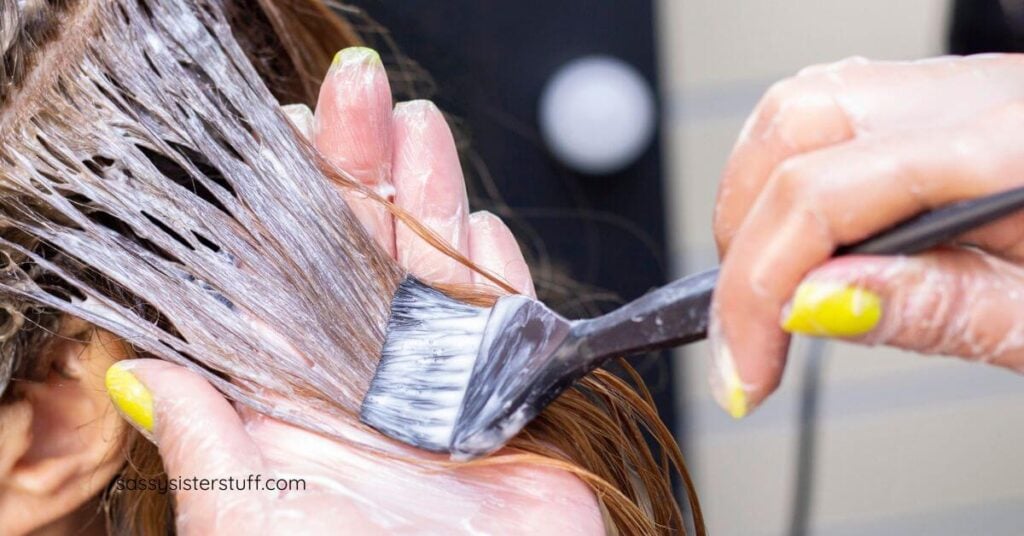
You don’t need anyone’s permission to change, and you don’t need anyone’s approval to stay the same. Let this decision be a power move to preserve your confidence. Whether you keep coloring or let your natural silver hair or white hair come through while transitioning to gray hair, the goal is the same: you want to feel like yourself when you look in the mirror and see that silver hair.
If you’re still undecided, pick a small next step. Book a consult. Try a gray-blending approach. Take a month off coloring and see how you feel. Be sure to do your research and choose a stylist who is experienced with transitioning to gray.
You’re not “giving up” either way. You’re choosing what’s right for you now. Should you go gray? The answer gets clearer with every step you take.
For more valuable content about midlife changes and power moves, check out these related articles here on Sassy Sister Stuff:
- Midlife Reflection & Purpose: Find Meaning in Your Next Chapter
- Your Ultimate Guide to a Joyful Midlife Reinvention
- How to Do a Life Audit for Personal Growth & Lasting Happiness
With love and light,
Susan