I Canceled My Friend’s Order After She Used My Email and Now Everything Is Awkward
Picture waking up to a notification that someone else has been fiddling with the key to your digital life. That’s how one Reddit user, u/Signal_Strawberry579, described the sinking feeling that led to a full-blown fight with a woman she grew up with. In the original AITAH post, the 18-year-old explained that a 24-year-old friend, who grew up with her and whose family is very close to hers, logged into her email, changed the password and profile details, and used the account to subscribe to a health shop so the friend could order vitamins for herself. The OP found out, panicked thinking her account had been hacked, and discovered the truth in a group chat with the friend and her twin sister.
Exactly what happened, step by step
The poster laid out the timeline plainly: last week the friend used the OP’s email to create an account at a health shop and placed an order for vitamins under the OP’s name. The OP claims the friend also changed the email’s password, display name and recovery settings, which triggered immediate fear because the email was tied to the OP’s iPhone and other devices. After a frantic moment assuming a hack, the OP asked in a group chat whether anyone had been in her account. The friend admitted she had used the email “for discounts.” The OP says she told the friend not to use her email again or change anything, then immediately reset all passwords and recovery details.
How it escalated, words, alarms and canceled orders
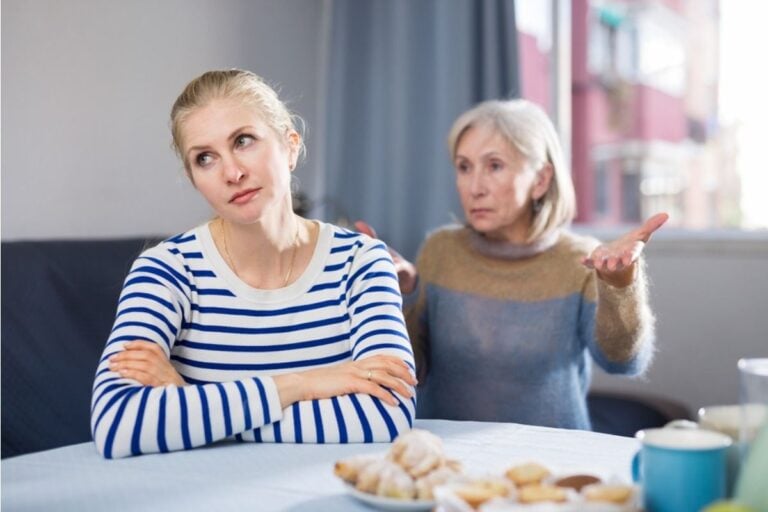
A few days later the friend texted asking for an update on her order. The OP replied with the delivery delay and confronted her about using the email without permission. The friend’s response, as quoted in the post, was “wow you over react to this, it’s really no big deal, I opened this email for you and I just this once used it for a discount, and I told you by the end of the day that I used it.” The OP says this enraged her because the email is linked to devices and could be used to wipe or lock her hardware. She says she had evidence the friend had to log in (she received email notifications of the login), so the friend’s excuse that “but it was logged in!” didn’t convince her.
Voices rose. The friend called the OP “fucking rude” and asked why she cared so much. The OP pushed back hard, calling the friend “mentally ill,” urging she needed hospital discharge (the OP noted the friend has eating disorders), and told her actions have consequences. Both traded “go fuck yourself” messages before the OP blocked her, canceled the vitamin order that had been placed under her name, and posted the story on Reddit feeling guilty but also violated. The poster added context: she believes the friend has used her repeatedly to mask drug addiction and has leveraged their families’ closeness for years.
What other people said, Reddit’s reactions
The Reddit thread was short but decisive. The top responses overwhelmingly sided with the OP: commenters labeled the behavior a breach of trust and, in stark terms, “hacking.” Several wrote simply “NTA.” One user bluntly pointed out that “If she needs an e-mail address she can create one for free. Using yours (and changing the password!) is a d… move.” Others framed it as enabling: canceling the order was “the smart thing to do,” and letting someone misuse your identity to hide addiction is not helping them. Practical advice also came up, with a commenter noting “Takes about a minute to create a new email. No need to use yours,” and another warning about reused passwords and recommending changing them everywhere. The tone in the comments was protective and pragmatic, people urged the OP to secure her accounts and set firm boundaries.
Why this feels bigger than a coupon
On the surface it’s a petty coupon-for-vitamins story. But the OP and commenters point to deeper layers: identity, control, and family dynamics. An email account isn’t just a place for newsletters; it’s the hub for password resets, device recovery, and personal records. When someone else changes your password and recovery email, they aren’t just “borrowing” a discount, they have potential access to everything tied to that account. The OP also painted a pattern: she says the friend has repeatedly used her over the years, allegedly to mask addiction and manipulate family closeness. That history turns this small incident into another example of being taken advantage of, which is why it triggered such a fierce reaction.
Boundaries, safety steps and the heartbreak of cutting ties
There are clear practical choices the OP took that others recommended: change all passwords, set up two-factor authentication, check account activity and cancel any orders made in your name. Blocking the friend and canceling a purchase made under the OP’s credentials is lawful and defensible, especially when identity access was involved. But there’s emotional fallout, too. The OP says she feels bad about canceling the order because her family ties to the friend are close and she doesn’t want to lose relationships with the friend’s parents or sister. That tug between protecting yourself and preserving family harmony is brutal, you can do everything right to protect your accounts and still feel like you’ve betrayed a shared history.
What To Take From This
This post lands hard because it hits one of the most relatable nerves: being used by someone you once trusted. Practical and emotional takeaways are both important. First, treat your email like a master key, secure it with strong, unique passwords and two-factor authentication, and monitor login alerts. Second, when someone violates that trust, it is entirely reasonable to cancel unauthorized orders and block access; you owe your digital safety to yourself. Third, recognize enabling patterns in family relationships. Saying no and setting consequences can feel cruel in the moment, but it’s often the only way to stop repeated harm. Finally, you don’t have to choose between your own safety and compassion: you can protect your accounts and still reach out to the family members you want to keep in your life separately, explain your boundaries, and offer support in ways that don’t risk your security. It’s messy, it’s painful, and it’s okay to put yourself first.