

8 Skills Boomers Learned Before 12 That Set Them Apart From Today’s Adults
Think back to a time when hands-on habits were just part of growing up. Many boomers picked up practical skills before they hit their teens, and those lessons still shape how they handle life today.
Let’s look at eight of these skills, from reading clocks to fixing things, that built confidence and know-how. You might recognize a few from your own childhood or wish you’d learned them earlier.
Reading analog clocks

Learning to tell time on an analog clock took more than just glancing at numbers. You had to watch the hands, count by fives, and picture how minutes and hours fit together.
This skill sharpened your mental math and spatial thinking. It made it easier to estimate time and understand phrases like quarter past or half past.
Kids today often see digital clocks first, so they miss out on that practice. Drawing or handling a clock face helps cement these ideas in a way screens can’t.
Basic cooking skills
Many boomers started cooking simple meals at a young age. With fewer takeout options, making food at home was just part of the routine.
You learned to use the stove, scramble eggs, and follow a recipe. These habits taught you about timing, measuring, and working with what you had.
Cooking also meant learning kitchen safety. Watching out for sharp knives and hot pans became second nature.
Stretching ingredients, using leftovers, and improvising when something was missing built resourcefulness. Those skills still help with saving money and eating better.
Handwriting cursive
Cursive writing was once a daily exercise. Practicing loops and connecting letters helped build fine motor skills and made writing faster.
Being able to read and write cursive made filling out forms and signing papers easier. For years, many important documents were handwritten.
Today, typing often takes over, but knowing cursive is still useful for reading old notes or jotting quick messages. It’s a skill you can pick back up with a little practice.
Finding your way without a phone was normal. You used landmarks, the sun, and paper maps to get around.
Walking or biking to a friend’s house meant paying attention to street names and familiar trees or buildings. This built a strong sense of direction.
You also learned to use the sun or shadows to figure out which way was north. Even basic compass sense made you feel more confident outdoors.
These habits help today when technology fails or you want to explore without worry.
Fixing household items
Boomers often learned to handle small repairs before their teens. Patching holes, tightening screws, or stopping a leaky faucet became useful life skills.
Using basic tools taught you how to solve problems on your own. Fixing things instead of replacing them saved money and built self-reliance.
When something broke, you tried to fix it first. Teaching these skills to others made everyone more capable at home.
Gardening basics
Starting seeds, thinning seedlings, and planting at the right depth were common lessons. These steps help plants grow strong and healthy.
You learned to check soil by feel and appearance. Good soil texture and adding compost made a big difference.
Watering routines mattered, too. Deep watering encouraged roots to grow down, making plants sturdier.
Watching for pests and diseases early meant you could fix problems before they spread. Saving seeds and rotating crops kept gardens productive year after year.
Money management
Saving a bit from allowance or odd jobs was a habit, not just something an app suggested. Planning for bigger purchases made waiting worthwhile.
Stretching money by fixing things, comparing prices, and waiting for sales became second nature. Counting coins and keeping a simple ledger taught basic budgeting.
Avoiding debt and paying bills on time was a lesson learned early. These habits helped keep financial stress in check.
Sewing and mending
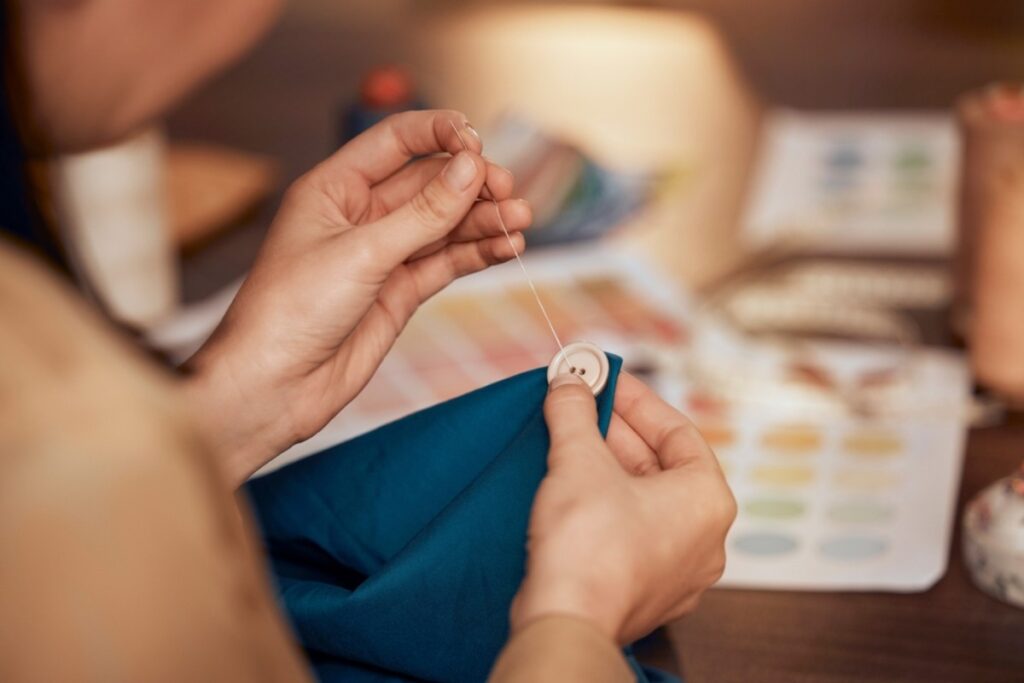
Basic sewing was a skill picked up from parents or school. Learning to sew on a button or fix a hem meant clothes lasted longer.
Quick repairs saved money and taught patience. Even simple mending built focus and steady hands.
Keeping clothes in good shape instead of tossing them reduces waste. If you still know how to sew, you can fix things or teach someone else.
Bridging Generational Gaps
Old-school skills still come in handy, even in a world full of gadgets and apps. Mixing practical know-how with modern shortcuts helps you handle whatever comes your way.
Reading an analog clock is useful when digital devices aren’t around. Fixing small things at home saves time and money when calling a pro isn’t an option.
These habits build confidence and independence. Employers notice hands-on problem-solving and resourcefulness, whether you work with your hands or behind a screen.
Focus on the skills that fit your life. Knowing how to use tools, read a map, or handle small repairs makes you more flexible when plans change or tech fails.
Encouraging Cross-Generational Learning
Finding ways for different generations to learn from each other can be both fun and practical. Set up a weekly skills swap where everyone gets a turn to teach something they know well.
For example, a boomer might show a hands-on skill one week. The next week, a younger person could demo a digital shortcut or a favorite app.
Set clear goals for each session, like learning three basic plumbing fixes or figuring out how to set up automatic bill payments. Make sure everyone agrees to be patient, ask questions, and skip the jargon.
Use real-life examples and practice together so the lessons stick. Give out quick checklists, step-by-step photos, or short videos as takeaways.
Add a social touch to make it more enjoyable. Sharing a meal or giving a small certificate after a session can make people feel appreciated.
Keep track of progress with a simple chart. This way, everyone can see how much they’ve learned and stay motivated to keep going.