

15 Restaurant Specials That Aren’t Really Special at All
Restaurant menus often feature “specials” that catch your eye and spark curiosity. It’s tempting to believe these dishes are something out of the ordinary or a chef’s latest creation.
But not all specials are as special as they seem, and sometimes they’re just a way for restaurants to manage inventory or boost sales. Knowing this can help you make smarter choices when dining out and avoid being misled by menu wording.
Menus with 10 or more specials – Gordon Ramsay warns this means nothing’s truly special
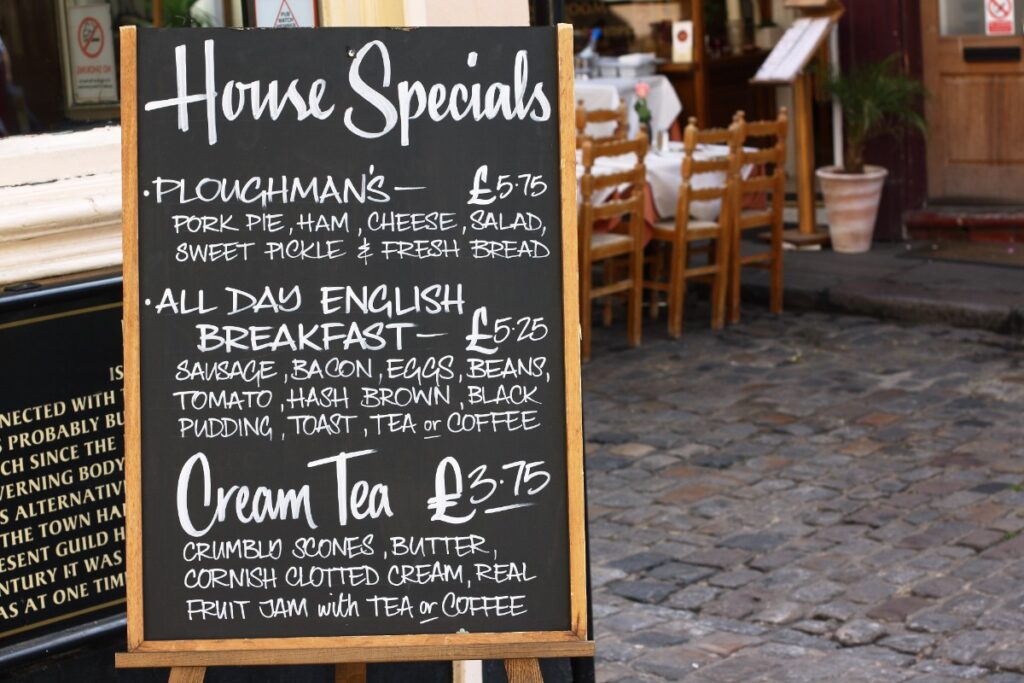
If you see a menu boasting 10 or more specials, take a moment to rethink your order. According to Gordon Ramsay, when there are too many specials, it usually means none of them stand out.
Specials should be limited and unique, not numerous. A long list often signals the restaurant is trying to use up leftover ingredients.
Daily specials with out-of-season fruits or vegetables
You might expect daily specials to feature fresh, seasonal ingredients. But sometimes, restaurants use out-of-season fruits or vegetables instead.
This can affect the flavor and quality of your meal. Produce that’s not in season often lacks the freshness you’d want.
It’s a good idea to ask about the source of ingredients in daily specials. Knowing if a dish uses out-of-season items can help you decide if it’s worth ordering.
Specials designed to use leftover ingredients
Sometimes, specials are created mainly to use up leftover ingredients from previous meals. You might see dishes labeled as “Chef’s Special” that cleverly repurpose those extras.
This helps kitchens reduce food waste while keeping costs down.
Menus pushing ‘chef’s surprise’ dishes without details
When you see a “chef’s surprise” on the menu with no description, it might make you curious or a bit cautious. These dishes can sometimes be a way for the kitchen to use leftover ingredients or test something new without committing to a full description.
If the special doesn’t come with details, you won’t know what to expect, which can feel like a gamble. While some chefs take pride in crafting unique surprises, others might use this as a way to move less popular or excess ingredients.
Before ordering, consider asking what’s in the dish. That way, you can avoid surprises that don’t match your taste or dietary needs.
Highly priced specials that lack unique ingredients
Sometimes, specials come with a high price tag but don’t actually offer anything new. You might see a dish labeled “special” that uses the same common ingredients found in regular menu items.
This can feel disappointing when you expect something unique or rare. Restaurants may do this to give the impression of exclusivity, even when the dish isn’t much different.
Before ordering, take a quick look at the ingredients. If they seem familiar, the special might not be as special as you hoped, just costlier.
Specials featuring mundane dishes like burgers or soups
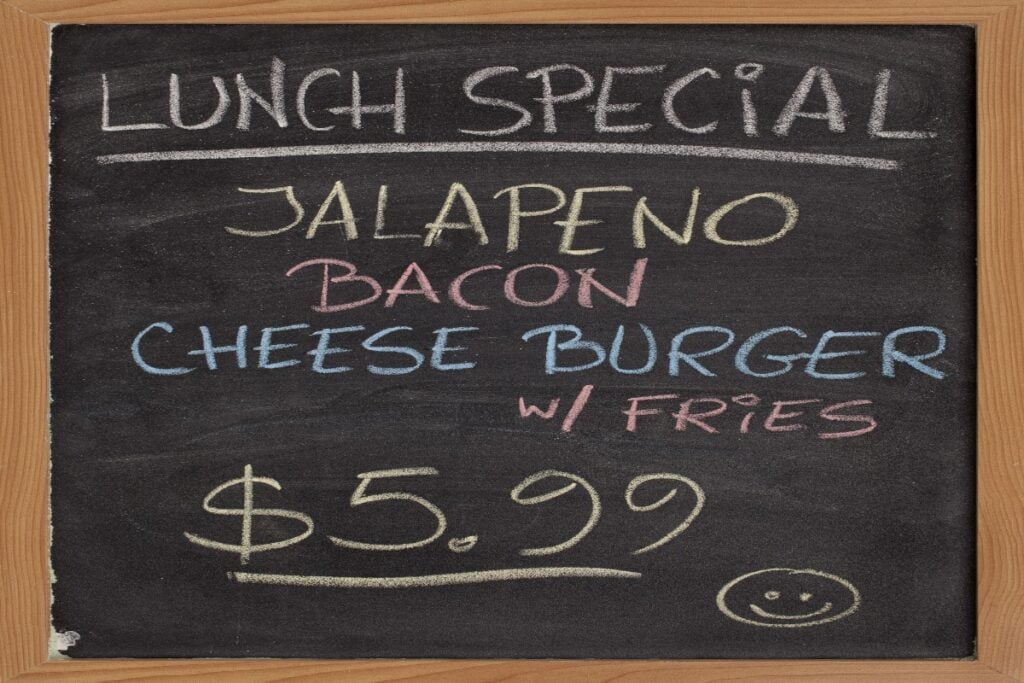
You might see burgers or soups labeled as “specials” at many restaurants. While they can be tasty, these dishes are often regular menu items dressed up as something exclusive.
These specials rarely offer new flavors or unique ingredients. It’s common for restaurants to promote standard burgers or soups to fill seats rather than provide real value.
Specials frequently repeated night after night
You might notice some specials showing up every single night. When a restaurant repeats the same offer too often, it stops feeling like a special deal and more like a regular menu item.
If you visit expecting a unique experience, these constant specials can be a bit disappointing.
Look for places that change their specials regularly or offer limited-time deals. That way, you get something fresh and genuinely worth trying when you dine out.

You may notice some “specials” on the menu that you’ve seen before in the regular offerings. These items aren’t truly unique; they’re just being highlighted as specials to draw your attention.
Restaurants sometimes promote standard dishes as specials to make them seem more appealing or to encourage you to order them. If the “special” sounds familiar or matches a usual menu item, it’s likely not a one-time creation.
Keep an eye out for this because it means the dish isn’t necessarily fresher or more exclusive.
Specials served late in the evening to clear inventory
When you see specials offered late at night, they’re often there to help the restaurant use up leftover ingredients. These dishes might not be the freshest or most carefully prepared choices on the menu.
You might get a decent meal, but the special is more about managing stock than showcasing the chef’s best work.
Keep in mind, these late specials can save you money, but they aren’t always the highlight of the kitchen.
Specials that servers nervously avoid explaining
You might notice that some specials are mentioned quickly or skipped altogether by servers. This often happens when the dish is complicated to describe or the ingredients aren’t clearly listed.
Sometimes, servers avoid talking about these specials because they involve leftover or less fresh ingredients. If they seem hesitant, it could be a hint that the dish isn’t as great as it sounds.
If you’re curious, don’t be afraid to ask for details. A good server will gladly explain the special, but nervousness might mean the special is better left untried.
Dishes labeled special to justify mediocre quality
You might notice some specials that sound fancy but don’t quite deliver. Often, these dishes are called “special” to mask average ingredients or basic preparation.
Restaurants sometimes label mediocre dishes as specials to encourage you to order them, even if they aren’t the best quality.
So, if a special sounds vague or overly complicated without clear fresh ingredients, it’s okay to be cautious. Trust your instincts and ask questions before ordering something just because it claims to be “special.”
Specials that don’t match the restaurant’s cuisine style
You might notice specials that feel out of place for the type of food a restaurant usually serves. For example, an Italian spot offering sushi or a barbecue joint promoting vegan bowls.
When specials stray from the core menu, it’s often a sign the restaurant is trying to use up odd ingredients or test something unrelated.
You might want to stick with dishes that fit the restaurant’s style for a more reliable meal.
Specials that come with a warning about limited availability
You might spot a tempting special, like Red Lobster’s $15 entree deals. But don’t be surprised if they aren’t available every day or at every location.
These offers often depend on your local restaurant and specific promotional periods. It’s a good idea to call ahead or check online before you go.
That way, you won’t get your hopes up for a special that’s only on the menu some days or limited to certain hours. Staying flexible helps, and sometimes the regular menu has hidden value too.
Specials heavy on processed or pre-prepared components

When you order a special, you might expect fresh, made-from-scratch food. However, many restaurant specials rely heavily on processed or pre-prepared ingredients.
You might find frozen items, canned sauces, or pre-cooked proteins in these dishes. While this helps restaurants serve food quickly, it may not be the “special” you hoped for.
It’s a good idea to ask about the dish’s preparation if this matters to you.
Specials that seem designed to test new or unproven recipes
Some specials can feel a bit experimental.
Chefs often use these dishes to try out new ideas before adding them permanently to the menu.
Restaurants may offer these specials to see if customers like the flavors or presentation.
It’s a way for you to sample something fresh and different.