

15 Pet Peeves Roommates Never Stop Arguing About
Sharing a home with roommates can be rewarding, but it also brings plenty of challenges. Everyday annoyances can quickly turn into bigger issues if not addressed.
Leaving dirty dishes in the sink
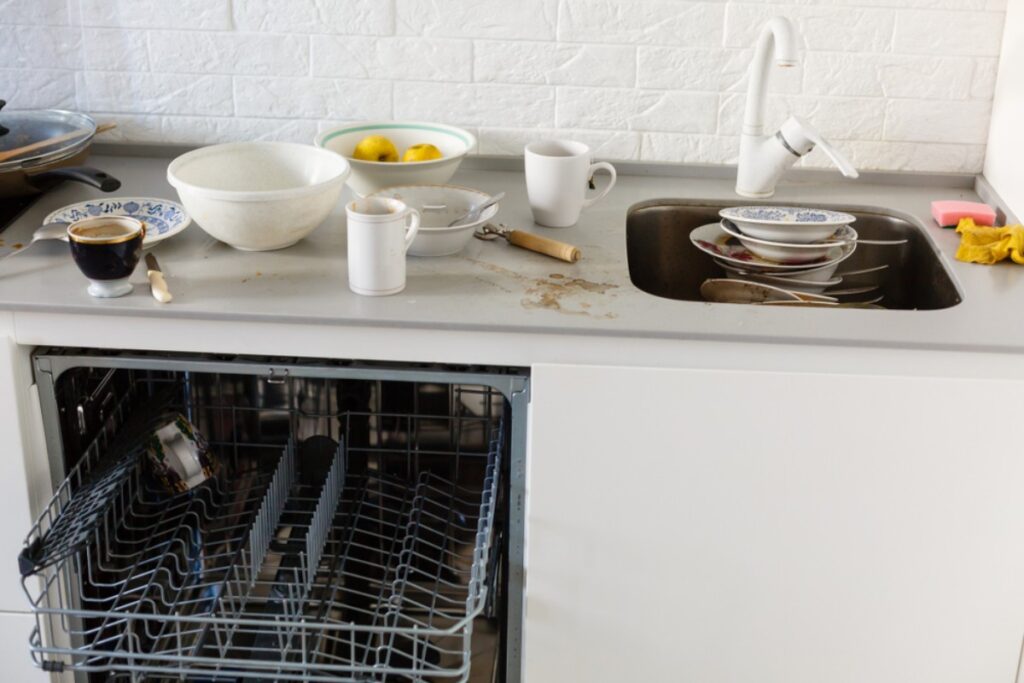
Dirty dishes piling up in the sink is a classic source of frustration. What seems harmless to one person can feel like a constant mess to another.
If you regularly leave dishes unwashed, tension can build without you realizing it. Your roommates may feel like they’re left to clean up after you.
A simple way to avoid this is to wash your dishes right after using them or at least rinse and load them into the dishwasher. Taking this small step shows respect for shared space.
Blasting music without headphones

Blasting music without headphones can quickly become a major distraction. It makes it hard to focus, relax, or have a conversation.
If your roommate doesn’t adjust the volume, it’s okay to ask for a compromise. Suggest using headphones during quiet hours or in shared spaces.
Having music blasting, especially at odd hours, can ruin your concentration or sleep. Try talking openly about how much it impacts you.
Not taking out the trash on time

Garbage piling up because no one takes it out is a common annoyance. It often feels like you’re the only one doing the job.
Sometimes, your roommate might think taking out trash just means removing the bag, not replacing it. This misunderstanding can cause extra work.
Talking openly about dividing the task can help. Setting clear expectations often prevents arguments.
If your roommate genuinely forgets, a friendly reminder can go a long way. Staying patient might keep the peace longer.
Borrowing things without asking

When your roommate takes your stuff without asking, it can quickly cause frustration. Even small things like a pen or snack can add up.
You deserve to have your belongings respected. It’s okay to set clear boundaries about what can and can’t be borrowed.
If you notice this happening, bring it up calmly. Let your roommate know how it makes you feel.
Borrowing without asking often leads to items getting lost or damaged. Asking first shows respect for your shared space.
By discussing this early, you reduce the chance of misunderstandings later. Being clear and friendly helps both of you share comfortably.

A messy living room or kitchen can quickly become a source of frustration. Dirty dishes or cluttered counters make the space feel less comfortable.
You might find yourself cleaning up more often, which can lead to feelings of unfairness. It helps to talk openly about what “clean enough” means for both of you.
Try setting simple expectations about chores and tidying up. Clear communication can prevent many misunderstandings.
If messiness continues to be an issue, offer specific examples and suggest compromises. Agreeing on a cleaning schedule can help.
Constantly being loud late at night

A roommate who is loud late at night can disrupt your sleep and cause tension. Noise like talking, music, or moving around feels more intense when you’re trying to rest.
You might want to gently remind them about quiet hours or agree on a bedtime noise level. Sometimes, people don’t realize how loud they’re being.
If talking doesn’t help, suggest using headphones or turning down the volume. Communicating openly about the issue is key.
Some people are light sleepers, and even small sounds can wake them up. Setting clear boundaries helps both of you get the rest you need.
Frequent last-minute guests

When your roommate suddenly invites people over without warning, it disrupts your plans. Shared spaces can feel crowded or uncomfortable.
Last-minute guests often mean less privacy for you. It’s hard to relax or focus when strangers are around unexpectedly.
It’s a good idea to talk with your roommate about giving advance notice before inviting anyone. Setting some ground rules can help avoid surprises.
Respecting each other’s need for quiet time or personal space makes living together easier. Open communication helps prevent constant tension.
Not replacing empty toilet paper rolls
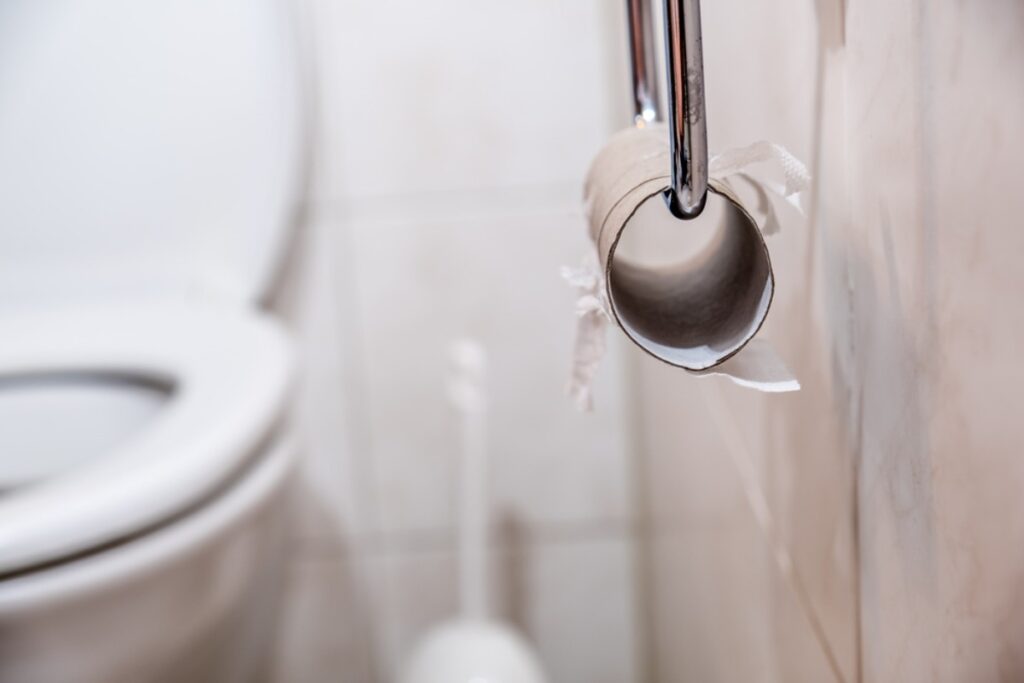
Reaching for toilet paper and finding the roll empty is a small but common annoyance. Replacing the roll is a simple task, yet it often gets overlooked.
When you don’t replace the roll, the next person has to scramble for a new one. This inconvenience can be a regular source of frustration in shared bathrooms.
Sometimes, people leave a fresh roll nearby instead of putting it on the holder. It’s easier for everyone when you just swap out the old roll right away.
Ignoring curbside recycling rules

Ignoring recycling rules can lead to serious frustration between roommates. When one person doesn’t separate recyclables properly, it can complicate trash pickup or even cause fines.
Recycling rules vary by location, and your apartment may have specific guidelines. Consistently mixing recyclables with trash affects everyone’s waste service.
It helps to talk openly about recycling expectations and find an easy system you all can follow. Setting reminders or labeling bins can make sorting simpler.
Showing respect for recycling rules shows you care about the shared space and the environment. It’s a small habit that can save a lot of hassle.
Using someone else’s food

Using your roommate’s food without asking can quickly cause tension. Sharing without permission feels like crossing a boundary.
If you ever need to borrow something, it’s best to ask first. Respecting each other’s groceries shows you care about your roommate’s space.
Sometimes people assume food is fair game in shared spaces. Setting clear rules about sharing or labeling items helps keep things friendly.
Being mindful about using someone else’s food helps keep the peace.
Hogging the bathroom during mornings

Trying to get ready on time is tough when someone takes forever in the bathroom. It’s even harder if your roommate’s partner uses the bathroom for long stretches.
Setting a bathroom schedule or agreeing on time limits can help. Talking about it calmly can prevent tension and make mornings smoother.
If your time in the bathroom is always cut short, don’t hesitate to bring it up. A little teamwork goes a long way to avoid lineup conflicts.
Leaving lights on when leaving the room

Leaving the lights on when you leave a room can really annoy your roommate. It feels wasteful, especially if it happens all the time.
Sometimes, you might leave a room for just a minute and forget to switch the light off. While it seems small to you, your roommate could see it as careless.
If you find yourself annoyed by this, it helps to gently remind each other. Setting a rule to check lights before leaving common areas can help.
Being mindful about it makes your space more comfortable for both of you.

If your roommate is always late to do their share of chores, it can quickly become frustrating. You might feel like you’re carrying most of the cleaning load.
Chores are a shared responsibility, so being chronically late shows a lack of consideration. It’s important to address this early.
Try setting a clear schedule for chores and agree on deadlines. Remind your roommate kindly if they miss their turn.
If lateness continues, calmly communicate how it affects you to encourage better habits.
Talking loudly on the phone

A roommate talking loudly on the phone can be incredibly frustrating. Every word seems to echo through your shared space.
Loud phone conversations often feel intrusive. Your roommate might not realize how much noise they’re making or how it affects your mood.
It helps to gently let them know when the volume is too high. Setting boundaries around quiet hours or phone use in common areas can make a big difference.
If your roommate always talks on speakerphone at night or in shared rooms, it can be even more disruptive. This behavior is a common complaint among roommates.
You can encourage your roommate to keep phone calls at a low volume or use headphones. Being mindful of noise helps keep your space peaceful.
Leaving clothes on common area furniture

Leaving clothes on the couch or chairs might seem harmless. However, it can quickly become frustrating for your roommates.
It takes up shared space that everyone needs to use. When clothes pile up on common area furniture, the room can look messy and unwelcoming.
You may not mean to be disrespectful. Still, your roommates might feel like their space isn’t being considered.
Try setting a rule to keep common areas clear. Designate a spot in your room or use a laundry basket instead.
This small change can help keep the living space comfortable for everyone. Avoiding clothes on furniture can prevent arguments and make daily life easier for the whole household.