15 Grocery Store Aisles That Secretly Stress People Out
Ever notice how some parts of the grocery store make you feel uneasy? Certain aisles can trigger tension or anxiety, even if you can’t pinpoint exactly why.
Understanding which aisles cause stress can help you shop smarter and feel more comfortable during your trips. This article will guide you through the grocery store areas that often cause hidden stress for many people like you.
Beverage Aisle – Heavy products and tight corners
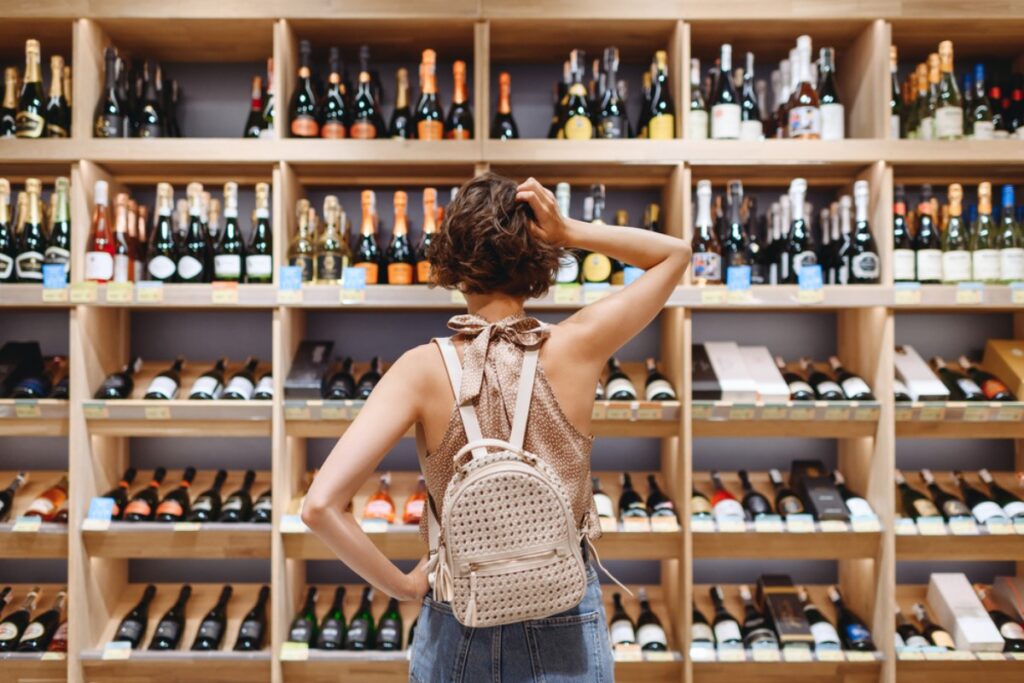
The beverage aisle is tricky to navigate with heavy items like large water bottles, juice cartons, and soft drink packs. Carrying these can make your trip more tiring.
Sometimes the aisle feels narrow, especially if it’s busy. Tight corners and crowded shelves can make it hard to move around.
Many beverages come in glass bottles or large containers, so there’s a risk of dropping something. The cooler section nearby can also cause congestion, as people stop to grab cold drinks.
Canned Goods Aisle – Overwhelming choices and crowded shelves
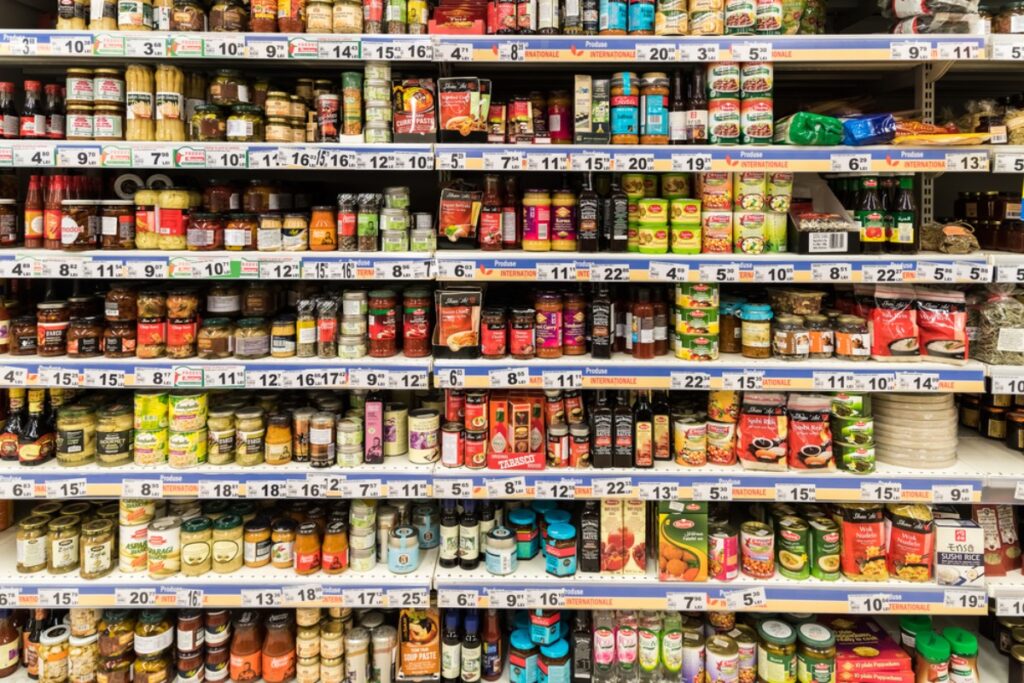
The canned goods aisle can feel overwhelming. Shelves are packed with options, from soups and beans to sauces and vegetables.
Cans are often stacked high, making it tricky to find what you want quickly. The aisle can feel crowded if other shoppers are browsing nearby.
You might also notice many brands and varieties of similar products, making choosing feel like a big task. Planning what you need before you shop can help you navigate this aisle more easily.
Dairy Section – Bright lights and loud refrigerators
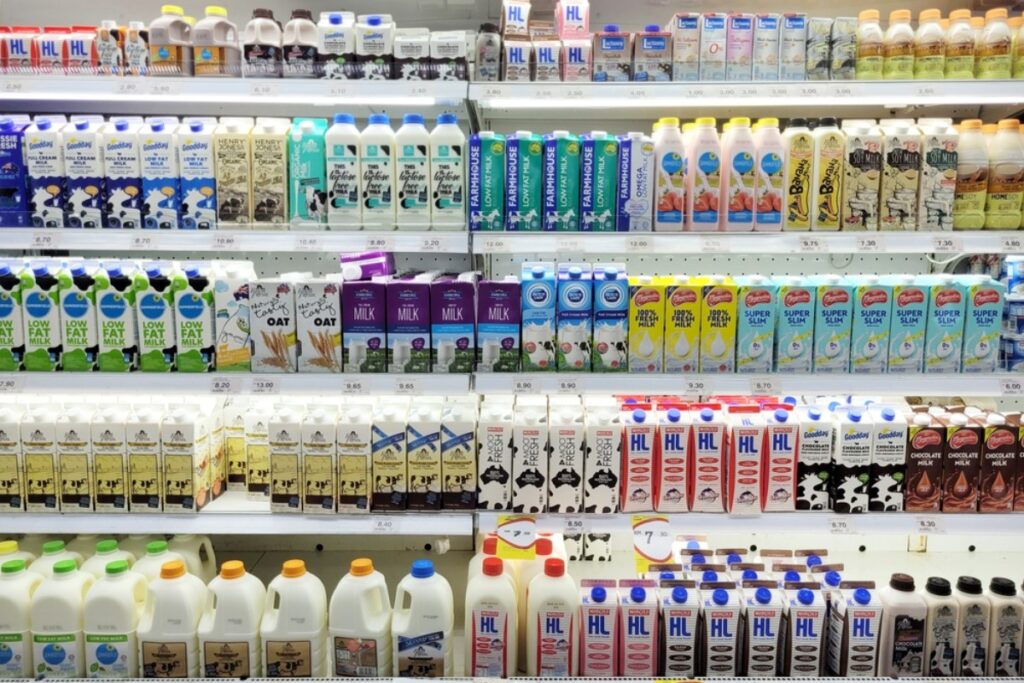
In the dairy section, bright, cold lights shine down on rows of milk, cheese, and yogurt. The constant hum of refrigerators adds to the intensity.
The cool air can catch you off guard, especially if the rest of the store is warmer. The noise and environment might make you move through this aisle quickly.
You’ll find many choices here, from milk to eggs and cheese. Focusing on your list can help you avoid feeling overwhelmed by the options.
Frozen Foods – Cold temperatures and slow-moving shoppers
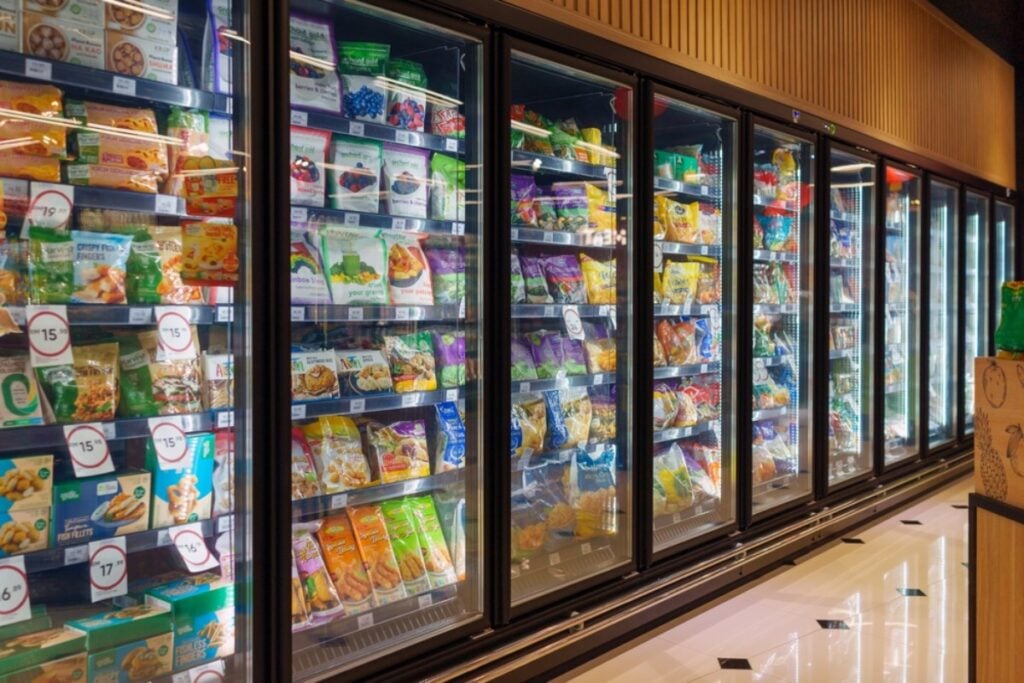
The cold air in the frozen foods aisle is noticeable right away. It can feel uncomfortable if you’re not dressed for it.
Shoppers often move slowly here, checking labels and picking items carefully. This can create a crowd, making it harder to grab what you need.
The lighting and noise from freezers might make the space less inviting. You might feel rushed or uneasy if others linger too long at the doors.
Bakery Aisle – Strong smells and narrow spaces
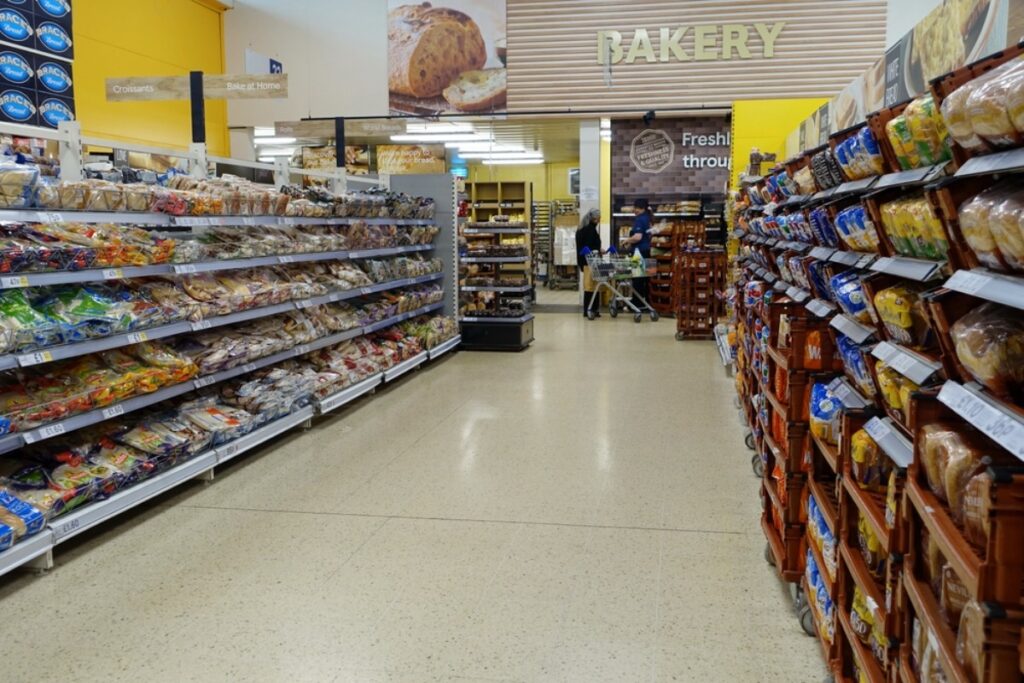
The bakery aisle greets you with a mix of strong smells. Fresh bread and sweet pastries can be tempting but also overwhelming for those sensitive to odors.
This aisle is often narrower than others, making it tricky to navigate when crowded. The crowd can make you feel rushed to decide quickly.
If you find the strong smells or narrow space stressful, try visiting at off-peak times when it’s less crowded.
Produce Section – Juggling fresh items and busy carts
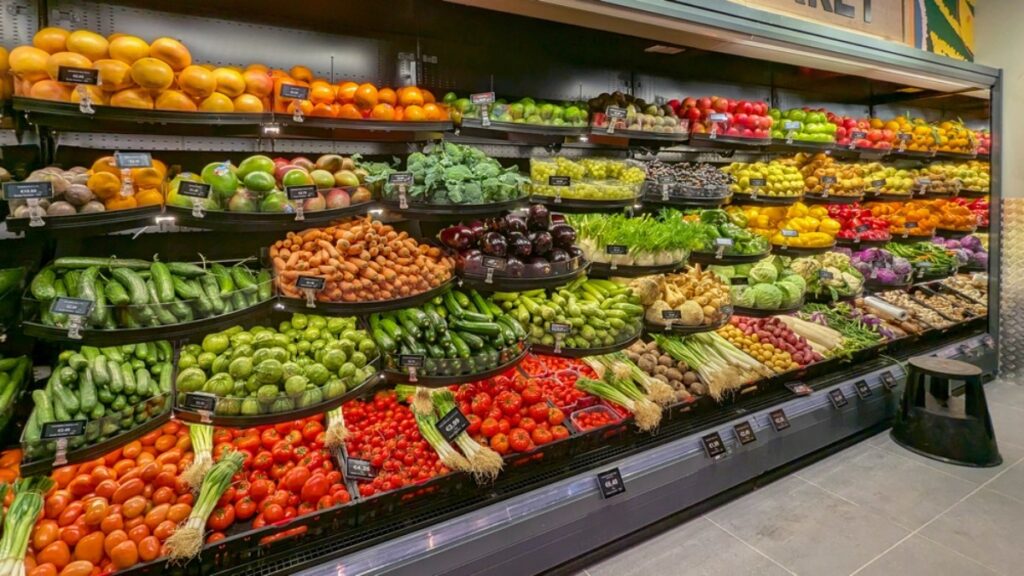
The produce section is often crowded with shoppers searching for the best pick. Weaving through busy carts can make grabbing what you need tricky.
Displays are bright and colorful, but the layout isn’t always easy to navigate. Choosing fresh items takes time because you want the ripest and best quality.
Sometimes the smell of fresh produce or spilled items can add to the stress. Shopping with a full cart makes it harder to reach items on lower or upper shelves.
Snack Aisle – Temptation overload and long shelves
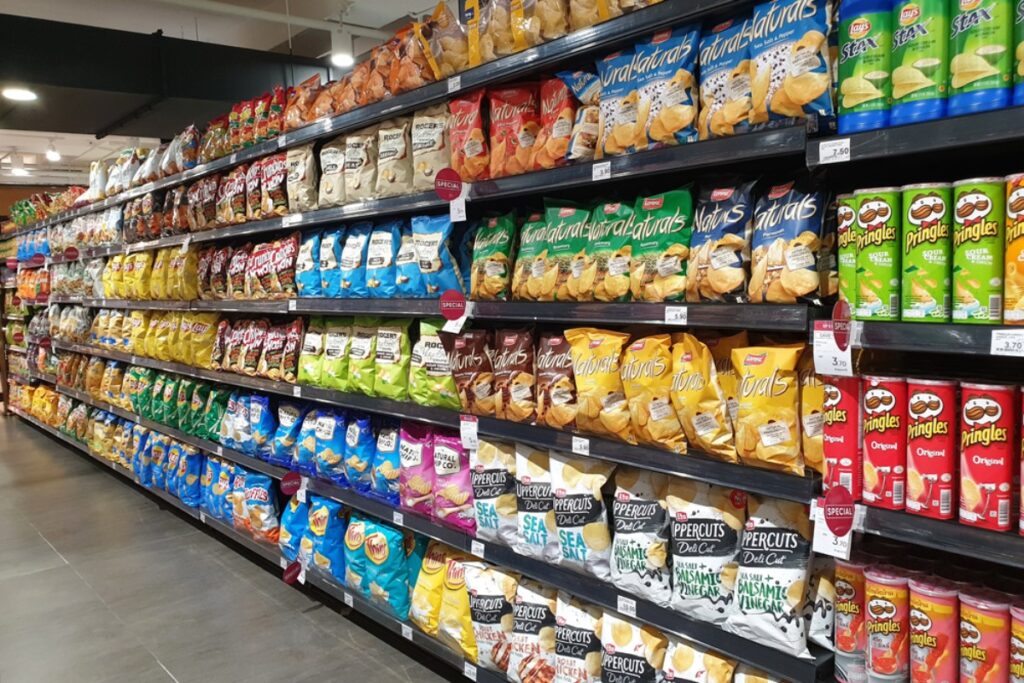
The snack aisle can be overwhelming with its long shelves filled with chips, nuts, candies, and treats. Bright packaging and “Limited Time Only” signs are designed to catch your eye.
With so many options, it’s easy to spend more time or money than planned. The aisle is set up to keep you browsing, making it tough to resist grabbing extra snacks.
If you stick to a list and move quickly, you can avoid buying more than you wanted.
Health Foods – High prices and confusing labels
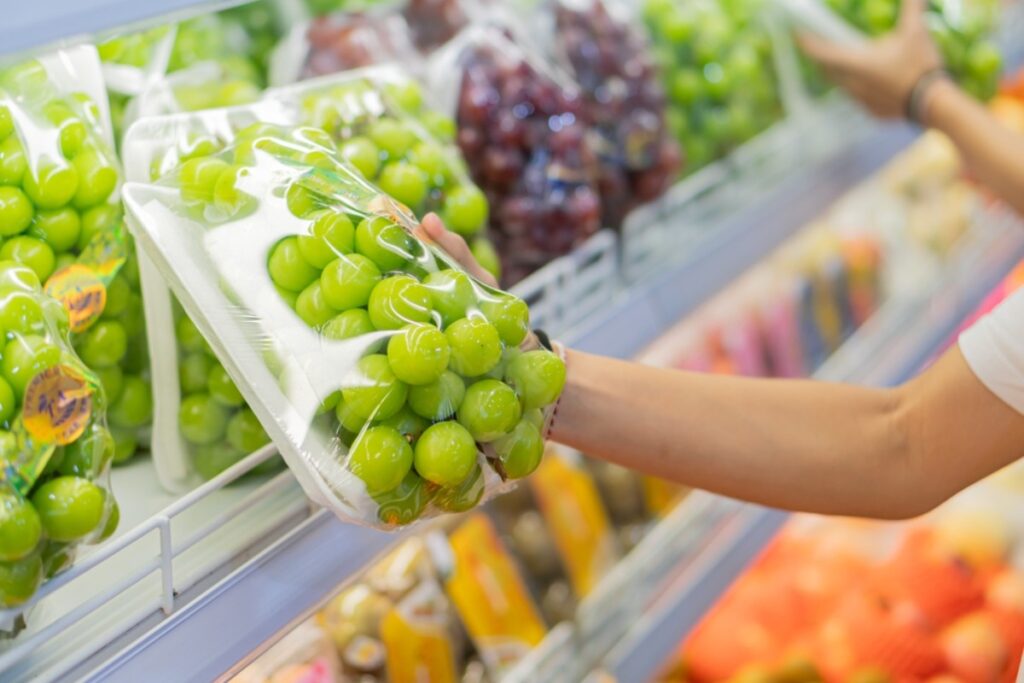
The health food aisle often features higher prices, which can be stressful if you’re on a budget. Labels like “low fat,” “natural,” or “free-range” can be confusing.
These labels don’t always mean the product is good for you. Reading the nutrition facts and ingredient list helps you see what’s really inside.
Checkout Lanes – Long waits and impatient lines
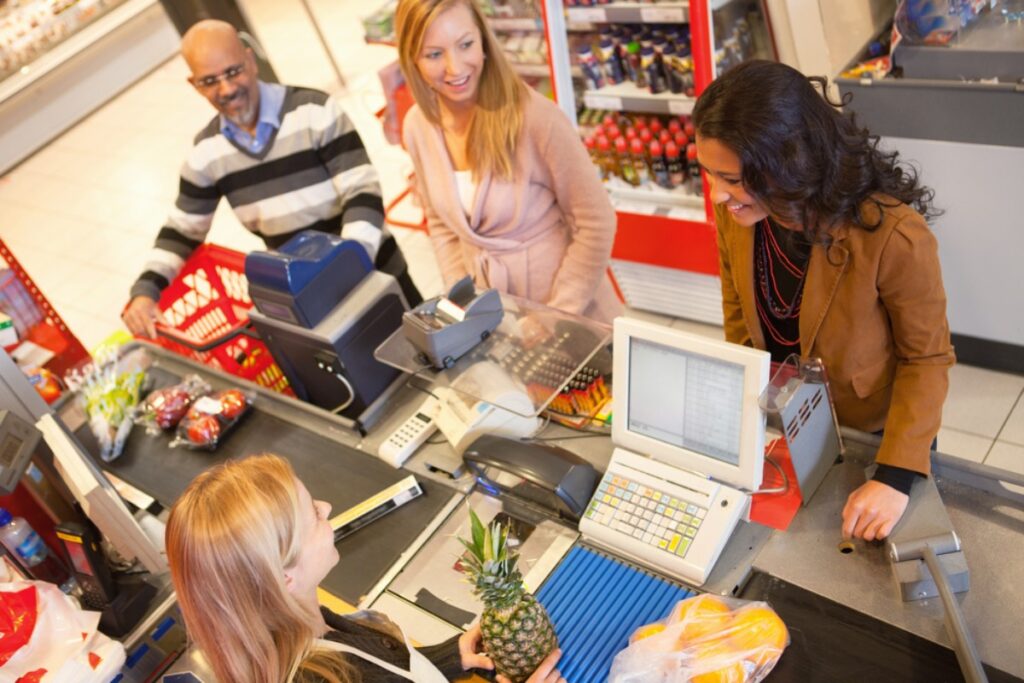
Waiting in checkout lanes can test your patience. Long lines make you feel rushed or annoyed, especially when others around you get frustrated too.
The time it takes often depends on how many items people have in their carts. Sometimes, picking a line with fewer people but more items can actually be slower.
Stores try to speed things up with self-checkout or express lanes, but not enough cashiers or crowded aisles can make the wait feel longer. Choosing when to shop, like during less busy times, can help you avoid standing in long lines.
Household Supplies – Bulky items and cluttered displays
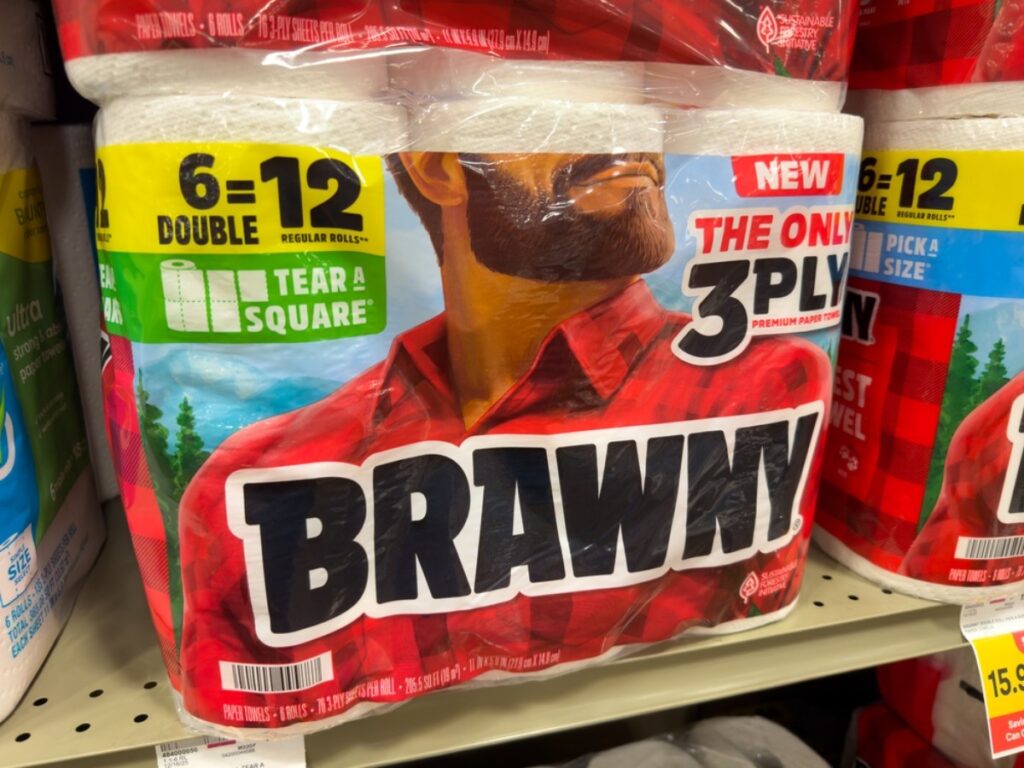
The household supplies aisle is often filled with bulky items like large boxes of paper towels or big bags of pet litter. This can make the space feel crowded.
Sometimes stores stack these big items in tight piles, making displays look messy and overwhelming. Products can be hidden behind others, making it frustrating to find what you need.
If the aisle feels too busy, take your time. Look for signs that guide you or ask store staff for help.
International Foods – Unfamiliar products causing decision stress
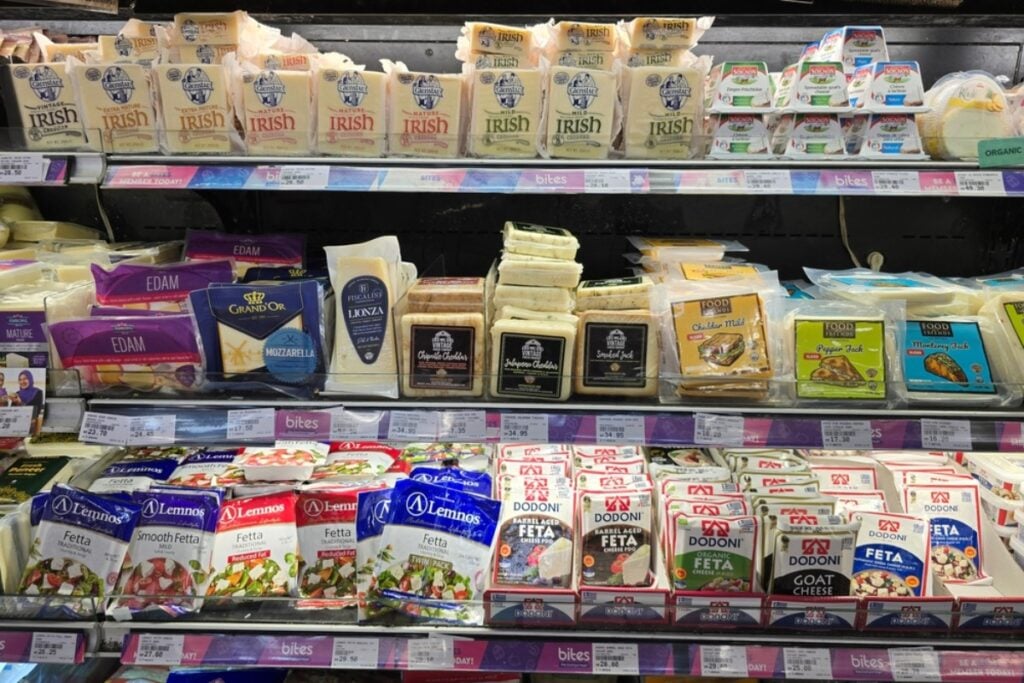
The international foods aisle can be overwhelming with hundreds of unfamiliar items. Figuring out what to pick can be confusing.
You might wonder how to use certain spices, sauces, or snacks if you’ve never tried them before. The unfamiliar names and packaging add to the stress.
Sometimes, you want to try something new, but worry about wasting money on a product you won’t like. Focusing on a few trusted products or asking for recommendations can make this section more enjoyable.
Cleaning Products – Harsh chemical smells
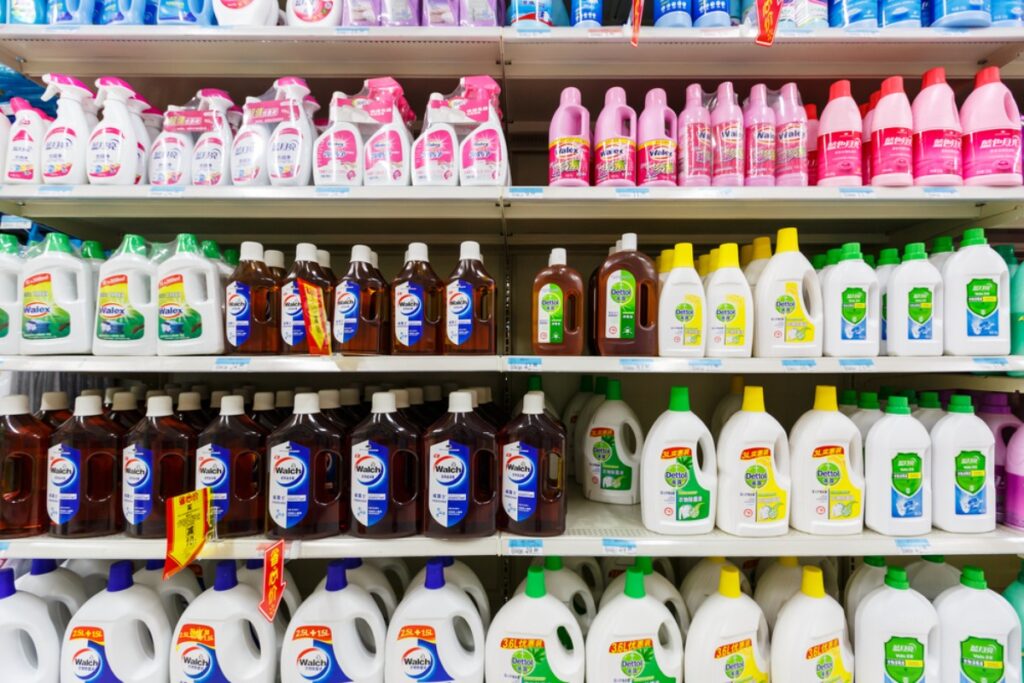
The cleaning products aisle often has strong chemical smells. These come from toxic ingredients found in many conventional cleaners.
This can make your shopping trip stressful, especially if you are sensitive to smells or have allergies. Many store-bought cleaners contain harsh chemicals that can cause headaches or irritation.
Choosing products with fewer chemicals or natural alternatives helps keep your home safer and makes shopping more pleasant. Look for labels that mention being fragrance-free or made from plant-based ingredients for a better experience.
Personal Care – Wide variety causing choice paralysis
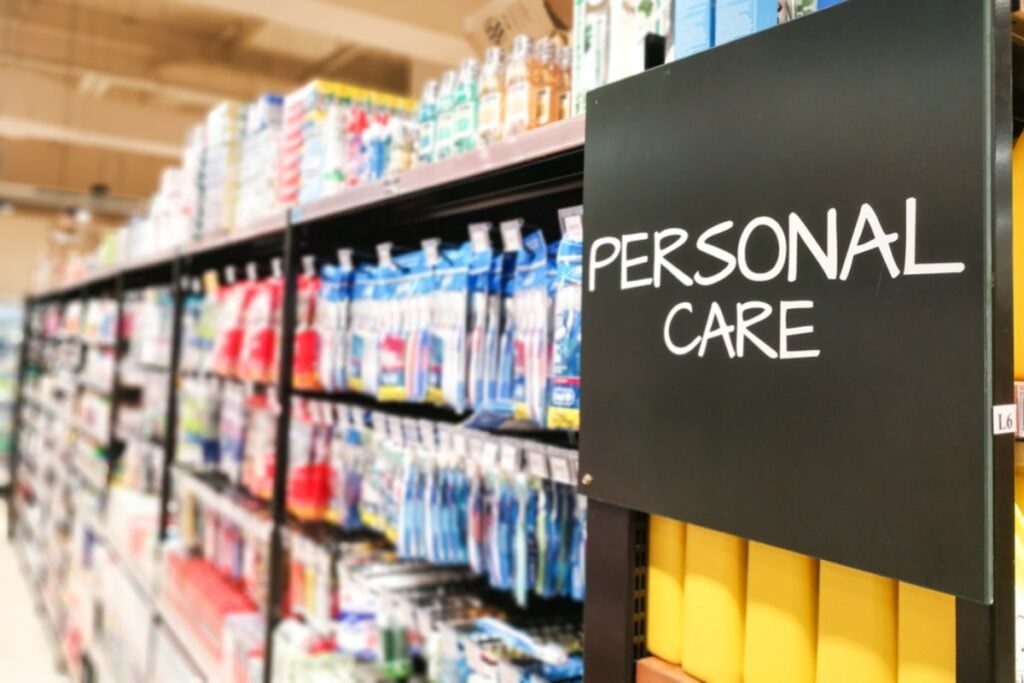
The personal care aisle is lined with toothpaste, shampoos, deodorants, and lotions. With so many brands and options, it’s easy to feel overwhelmed.
You might freeze, unsure which product to pick or if you are getting the best one for your needs. Too many products mean you spend more time comparing ingredients, prices, and reviews.
This can make a simple trip feel more stressful than it needs to be. When you narrow down your options beforehand, shopping becomes quicker and less stressful.
Sticking to a few trusted brands can help reduce the stress of navigating this crowded aisle.
Pet Supplies – Competing priorities and noisy sections
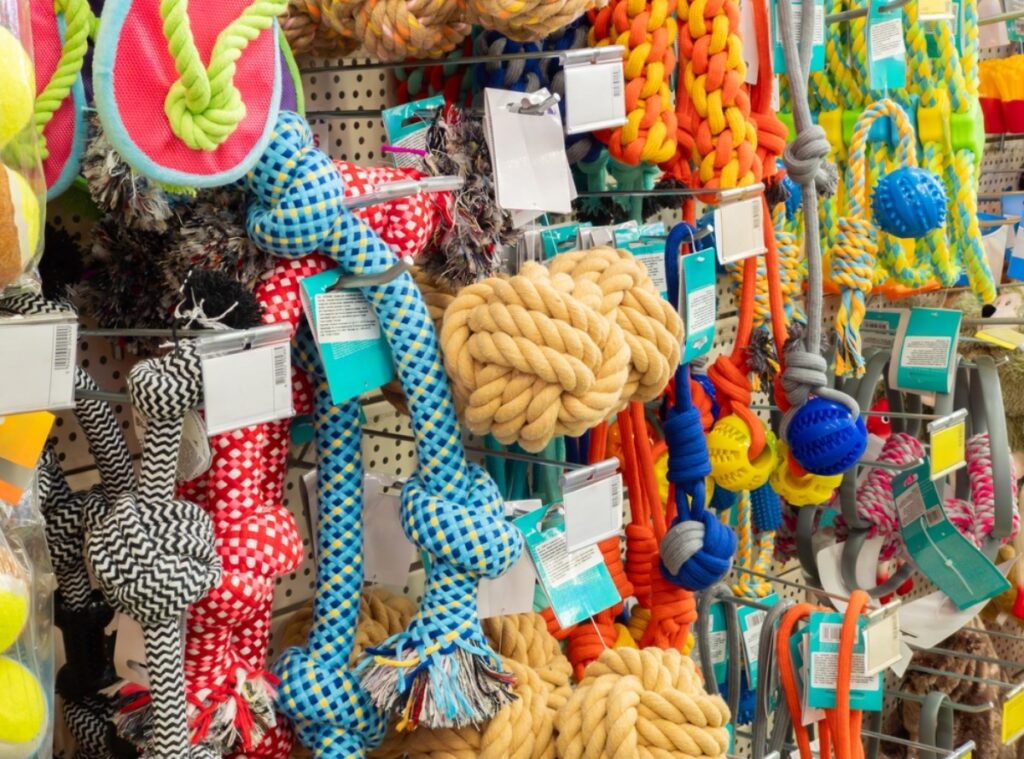
The pet supplies aisle is often a busy place. Food, toys, and accessories are packed together, making it hard to find what you need quickly.
Noisy packaging or barking dogs can interrupt your shopping flow. It might make you feel rushed or distracted.
Some stores focus mostly on dog products, leaving fewer options for cats or other pets. This can be frustrating if you’re looking for something specific.
The pet aisle is a popular spot, so it can get crowded. People stopping to check labels or chat can slow you down.
If you shop here often, you might appreciate stores that organize their pet sections well. Clear signs and neat shelves can make your trip easier.
Bulk Items – Difficulty in estimating quantities
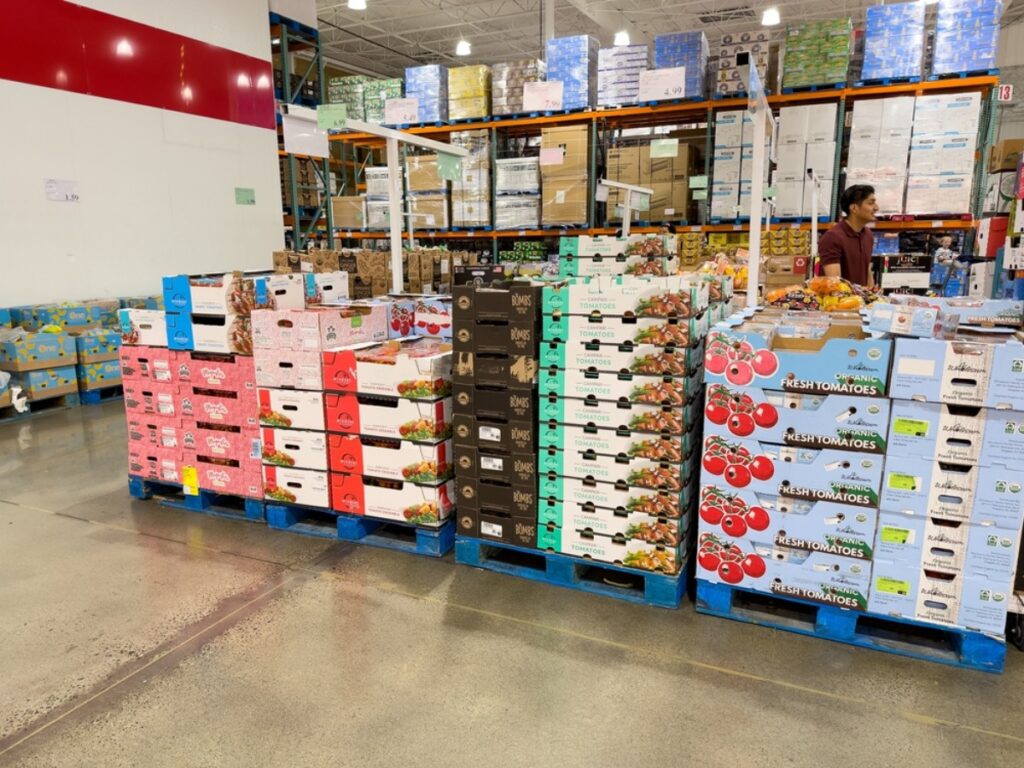
Shopping for bulk items brings its own set of challenges. It’s often difficult to figure out exactly how much you’ll need.
Large packages might seem like a bargain, but it’s easy to overestimate and end up with more than you can use. This can lead to wasted food or crowded storage areas.
Buying too little, however, means you may have to return to the store sooner than planned. The size of “bulk” portions can also feel overwhelming if you’re not used to them.
Planning meals ahead of time and checking what you already have at home can help. Consider your available storage space before making a purchase.
Bulk shopping can save money if you’re careful about quantities. Taking a moment to estimate your needs makes the experience smoother.