

12 Differences in Modern Family Dynamics Today That You Didn’t See 20 Years Ago
Families today look very different from those in the past, with many changes shaping how people live and relate. You might notice new patterns and challenges in your own family or those around you.
Increased role of grandparents in daily caregiving

You might notice that grandparents today are much more involved in daily caregiving. Many families rely on them to help with childcare while parents work or manage busy schedules.
Grandparents often provide emotional support and pass down family traditions, which strengthens your family bonds. Their presence can also ease the stress of juggling work and parenting duties.
In some households, grandparents play a key role in decision-making about the child’s upbringing. You may find that this involvement creates a closer, multi-generational family connection.
Rise of dual-income households reshaping family time
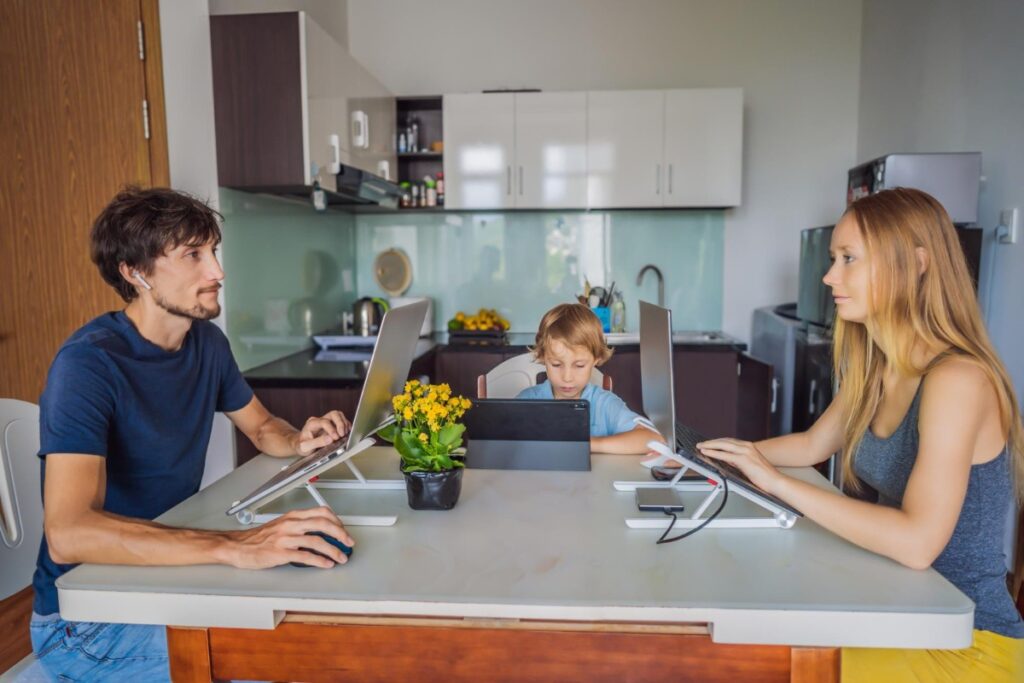
You might notice that many families today have two working parents. This shift means your family’s time together often gets squeezed.
With both adults juggling jobs, evenings and weekends can fill up quickly with chores and errands. This can make quality family moments feel rare.
However, you can also find opportunities to bond in small ways. Simple routines like shared meals or brief check-ins become important.
Balancing work and family time is a challenge you’re not alone in facing. Many families adapt by prioritizing what really matters in limited hours.
Blended families becoming more common than ever
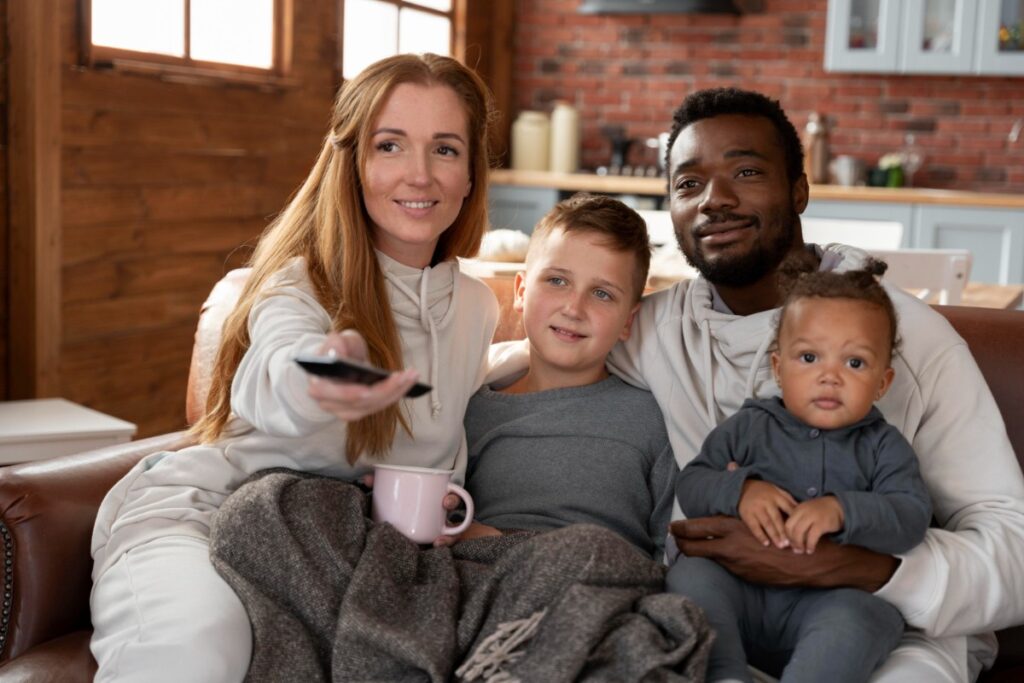
You’re likely to know someone who is part of a blended family. These families form when partners with children from previous relationships come together.
Blended families face unique challenges, like navigating relationships between stepparents and stepchildren. But you can find new ways to build trust and connection over time.
Changes in society, such as higher divorce rates and remarriage, have made blended families more common in your community. This shift means you might see more diverse family structures than ever before.
Digital devices impacting parent-child communication
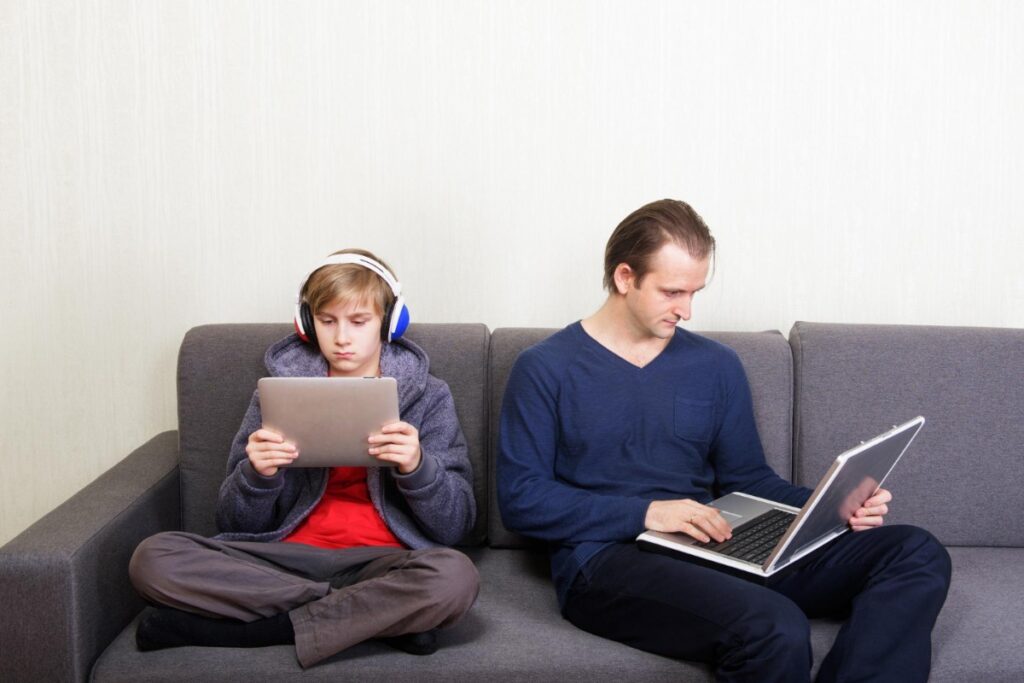
You might notice that digital devices often change how you and your child interact. When screens are involved, conversations can become shorter or less frequent.
Sometimes, both parents and children focus more on their phones or tablets than on each other. This can create a feeling of distance even when you’re physically together.
However, devices can also help you stay connected, like through video calls or sharing messages. The key is balancing screen time with quality face-to-face moments to strengthen your bond.
Stay-at-home dads challenging traditional roles
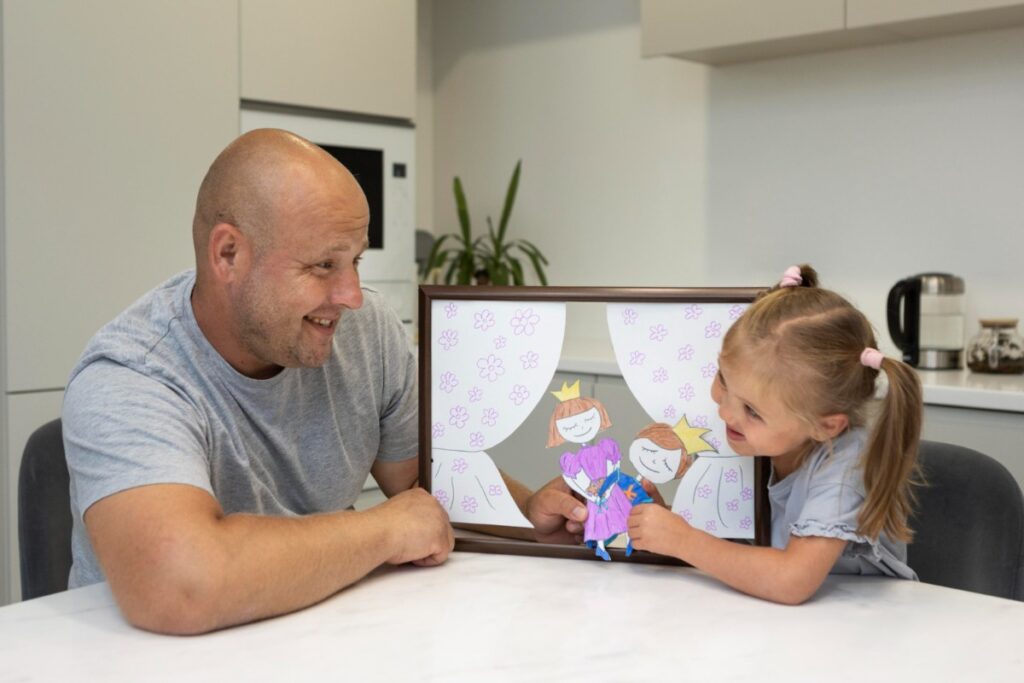
You might notice more dads choosing to stay home with the kids these days. This shift challenges the old idea that only moms are caregivers.
You may see stay-at-home dads taking charge of daily chores, school runs, and meal prep. It demonstrates a move toward shared responsibilities in families.
If you’re curious, know that many stay-at-home dads report strong bonds with their children. This change also encourages society to accept diverse family roles more openly.
Emotional labor often falling disproportionately on mothers

You might notice that emotional tasks in your family often fall on mothers more than anyone else. This includes managing schedules, remembering birthdays, and dealing with kids’ feelings.
Even when both parents work full-time, mothers frequently take on more invisible mental work. This can leave you feeling overwhelmed, even if your family’s daily logistics seem smooth.
Recognizing this can help you balance responsibilities more fairly. Sharing the emotional load benefits everyone’s well-being.
Non-traditional family structures gaining wider acceptance

You might notice more families today don’t fit the old mold of two parents and their kids. Families headed by single parents, same-sex couples, or blended families are now more common.
If your family looks different from what you expected, know this is part of a growing trend. Society is becoming more open to accepting various family shapes without judgment.
You may also see more support and legal recognition for these families. This change helps create a more inclusive environment for everyone.
Co-parenting after divorce becoming more collaborative
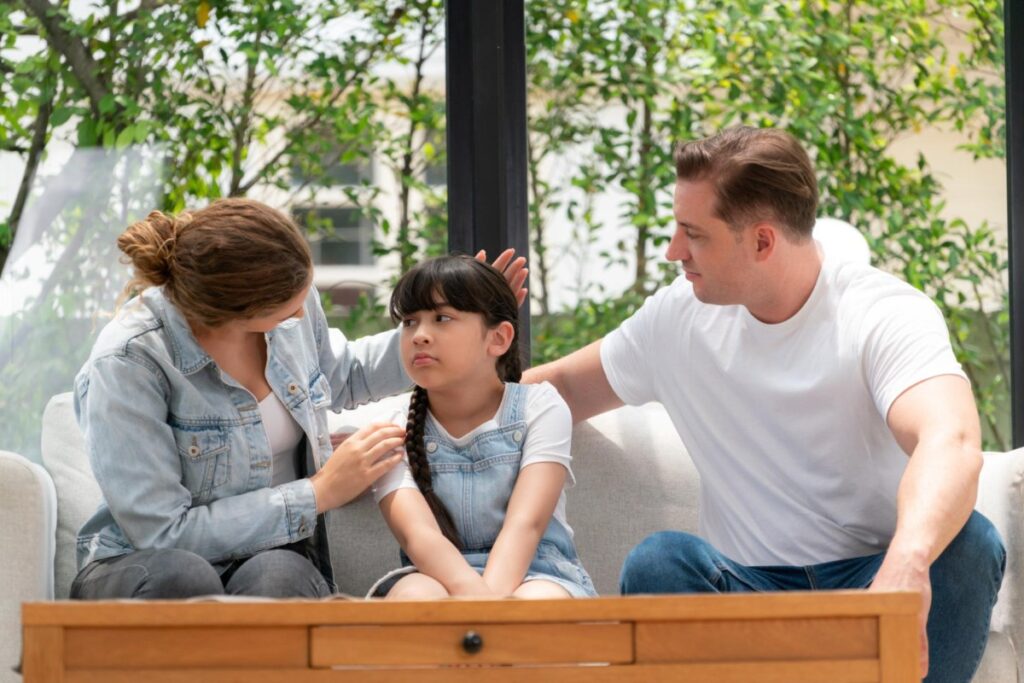
You might notice that more parents are working together even after divorce. Instead of conflict, many focus on cooperation for their children’s well-being.
Communication is key. By openly discussing schedules and concerns, you can reduce misunderstandings and create a stable environment.
Shared parenting apps and tools help you coordinate effectively. They make managing visits, expenses, and updates simpler and less stressful for everyone involved.
Economic pressures leading to multigenerational living

You might notice more families living together now, and economics play a big role in this. Many face rising housing costs, making it tough to afford a place on your own.
By sharing a home with multiple generations, you can pool resources and reduce expenses. This setup often helps with childcare and eldercare, lightening your daily responsibilities.
It’s not just about saving money. Living with family can offer emotional support during financially stressful times, which benefits everyone involved.
Shift towards chosen families in LGBTQ+ communities

You might notice that many people in LGBTQ+ communities create chosen families. These families consist of close friends and loved ones who support each other like traditional family members.
This happens because not everyone feels accepted by their biological family. So, you can build a supportive network that fits your needs and values.
Chosen families offer emotional support, care, and stability. They reshape what family means in today’s world, showing you that family isn’t just about blood relations.
Teleworking changing family interaction dynamics
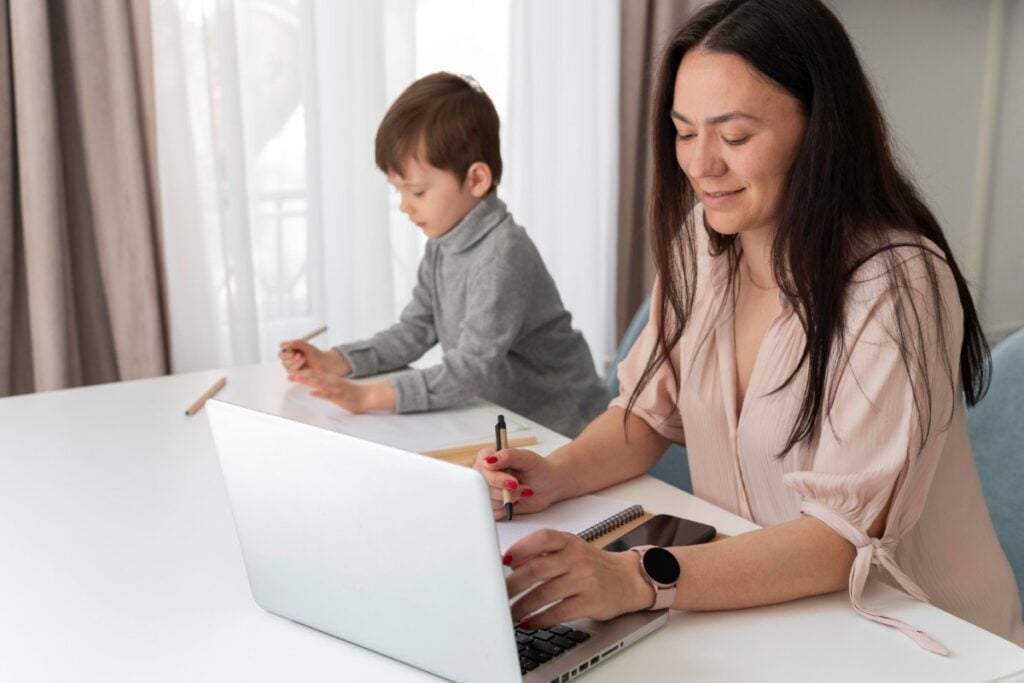
When you work from home, your daily routine blends work and family life more than before. This can give you more chances to connect during breaks or after hours.
However, it might be harder to set clear boundaries between work time and family time. You may find distractions more common, and balancing focus and family needs takes effort.
Teleworking also lets you be physically present for important moments at home. This shift can change how you and your family communicate and support each other daily.
Mental health awareness influencing parenting styles
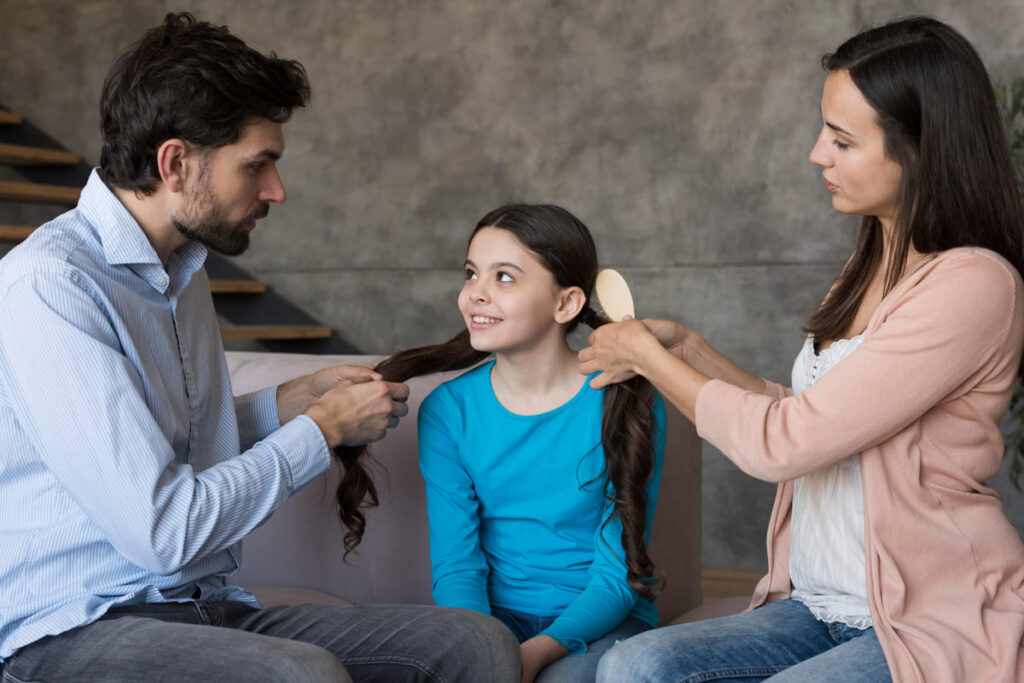
You’re more likely to see parenting styles shaped by mental health awareness today. Parents focus on emotional well-being as much as physical care.
You might notice a shift towards open communication about feelings and stress. This helps children learn coping skills early on.
Many parents now prioritize creating a supportive and understanding environment. This approach encourages honesty and reduces stigma around mental health.
You could find that discipline methods have softened. Instead of punishment, there’s more emphasis on explaining consequences and emotional growth.
Understanding your own mental health can help you guide your child more effectively. This awareness often leads to healthier family dynamics overall.