

11 Household Clues That Suggest You Might Be Avoiding Certain Tasks
Sometimes, the things you keep around your home can say more about your habits than you realize. Without meaning to, certain items might show a pattern of avoiding real responsibility in daily life.
Recognizing these signs can help you understand how your environment reflects your approach to accountability and motivate positive change. Paying attention to what you own is a simple step toward taking control of your responsibilities.
Empty laundry basket piled high
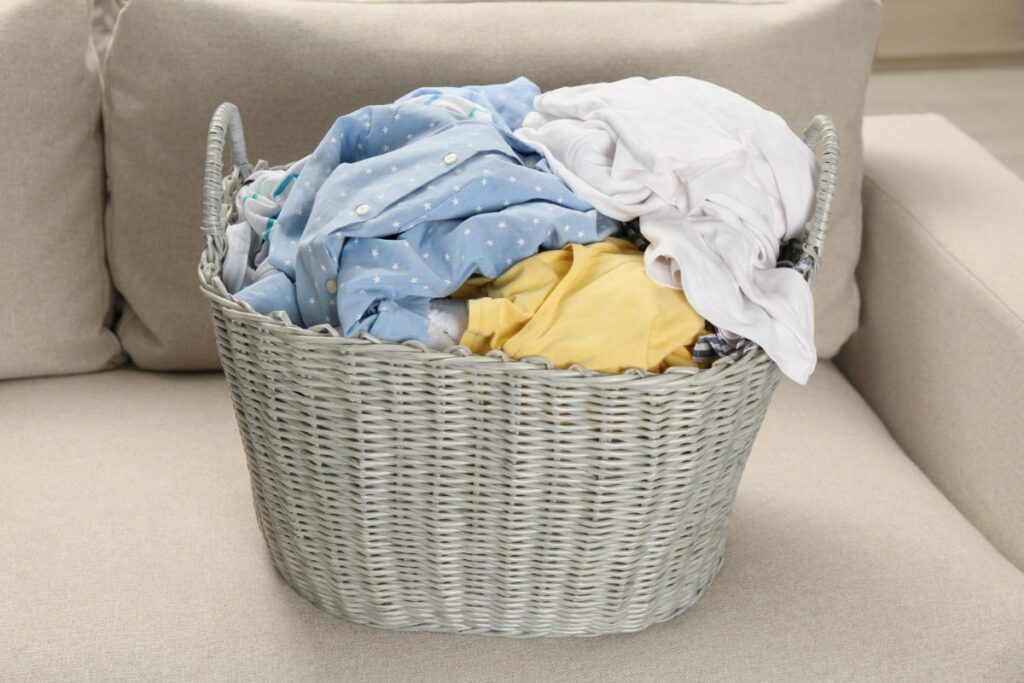
When your laundry basket is overflowing but never emptied, it shows you might be putting off small chores. Avoiding laundry can feel like ignoring an easy task, but it adds up quickly.
You may tell yourself it’s “not urgent,” but clothes piling up can lead to stress later. Regularly clearing the basket helps keep your space tidy and your mind clearer.
It’s a sign you could benefit from tackling responsibilities in smaller, manageable steps. Taking care of this simple task proves you’re willing to handle what needs to be done.
Unpaid bills scattered on the desk

If you have unpaid bills sitting out in the open, it’s a clear sign you might be avoiding responsibility. It shows a delay in facing financial tasks that need immediate attention.
Leaving these bills scattered can increase stress and make it harder to keep track of deadlines. Tackling them quickly helps prevent late fees and keeps your finances organized.
Organizing your bills signals that you’re ready to handle important obligations. It’s a simple step that reflects accountability and respect for your commitments.
Expired food in the fridge

If you often find expired food forgotten in your fridge, it could mean you’re avoiding basic upkeep. Checking expiration dates and clearing out old items shows you’re on top of your responsibilities.
Leaving expired food around can also create waste and unpleasant smells. Taking a few minutes regularly to clean your fridge helps keep your kitchen fresh and functional.
Keeping track of what you actually use and what has gone bad is a small task that signals responsibility. It also saves money and prevents health risks.
Half-finished DIY projects

When you have several half-finished DIY projects around your home, it can signal reluctance to fully commit. Starting something shows good intentions, but leaving it incomplete suggests you might be avoiding follow-through.
These unfinished tasks often pile up because they feel overwhelming or inconvenient to complete. You may put them off, hoping they’ll magically finish themselves or stop bothering you.
Finishing a project takes responsibility, planning, and effort. So, when you avoid completing these tasks, it can reveal a hesitation to tackle larger responsibilities in life.
Dusty gym equipment

Having gym equipment covered in dust is a clear sign that you’re not keeping up with your fitness goals. It shows a pattern of starting tasks but not following through regularly.
You might have bought the equipment with good intentions but avoided the consistent responsibility needed to use it. Dusty machines remind you that avoiding daily effort can become a habit.
If you want to take real responsibility, consider creating a simple, manageable workout schedule. This can help turn your intentions into consistent actions instead of unused gear gathering dust.
Overflowing trash can
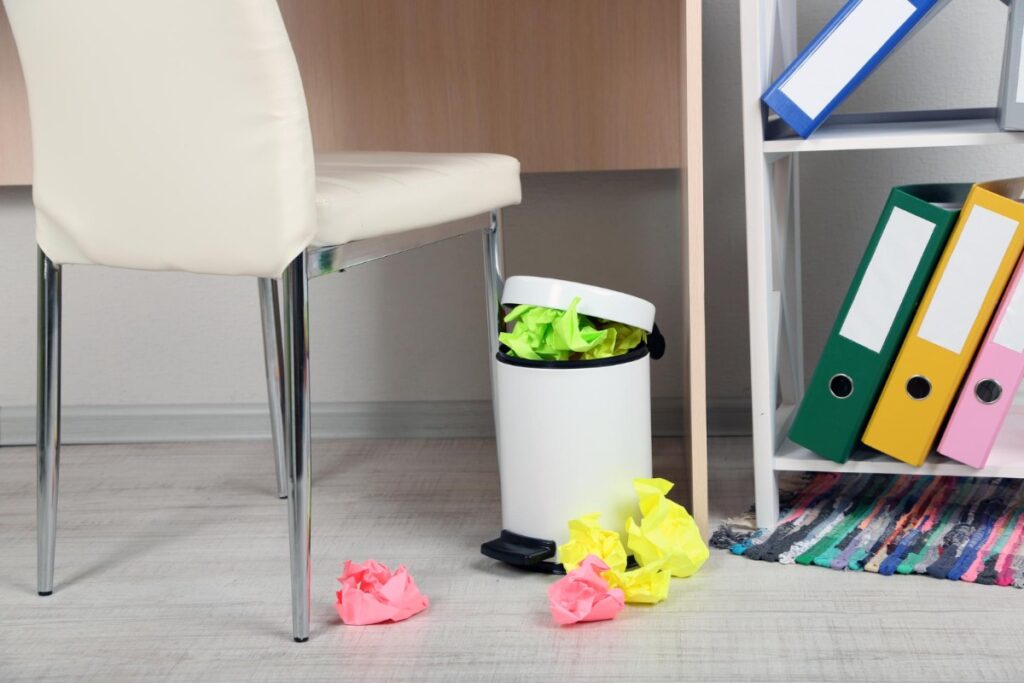
If your trash can is constantly full and ignored, it might show you’re putting off basic chores. Taking out the trash is a simple responsibility that keeps your space clean and fresh.
Letting garbage pile up can create unpleasant odors and attract pests. It signals a delay in dealing with small but necessary tasks in your daily routine.
Clearing your trash regularly helps prevent unnecessary stress. It’s a small habit that reflects how you manage other responsibilities in your life.
Unopened mail stack
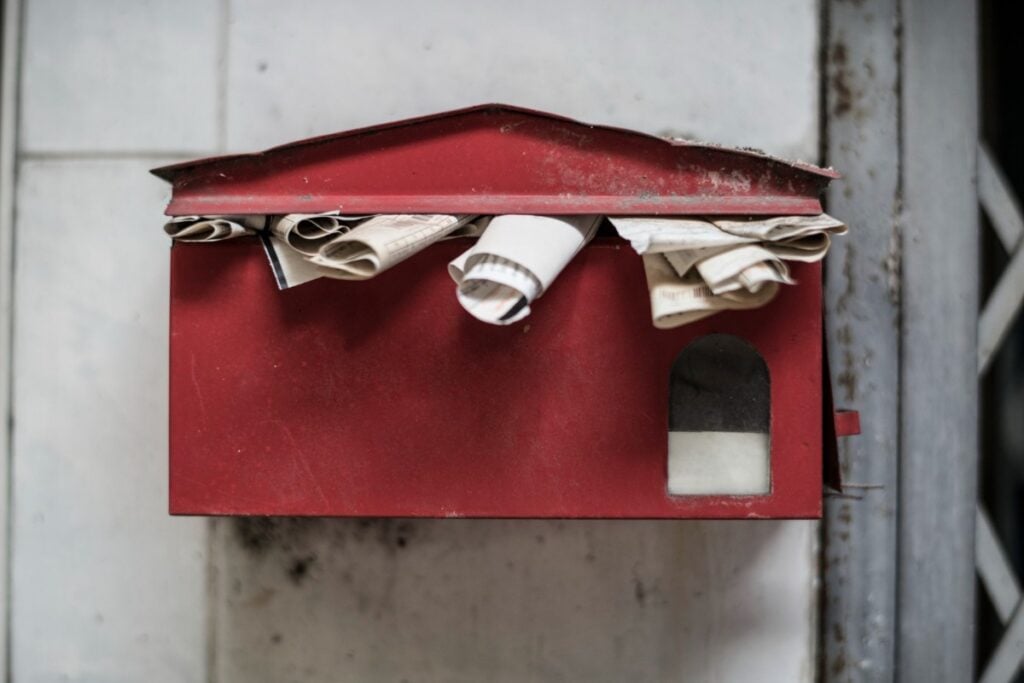
You probably have a pile of unopened mail sitting somewhere in your home. It’s easy to ignore letters and bills, but avoiding them can cause stress to build up.
When you leave mail unopened, you delay dealing with important tasks. It’s a sign that you might be putting off responsibilities that need your attention.
Taking a few minutes each day to sort through your mail helps you stay on top of things. Handling it regularly shows you’re willing to face your obligations head-on.
Dirty dishes in the sink
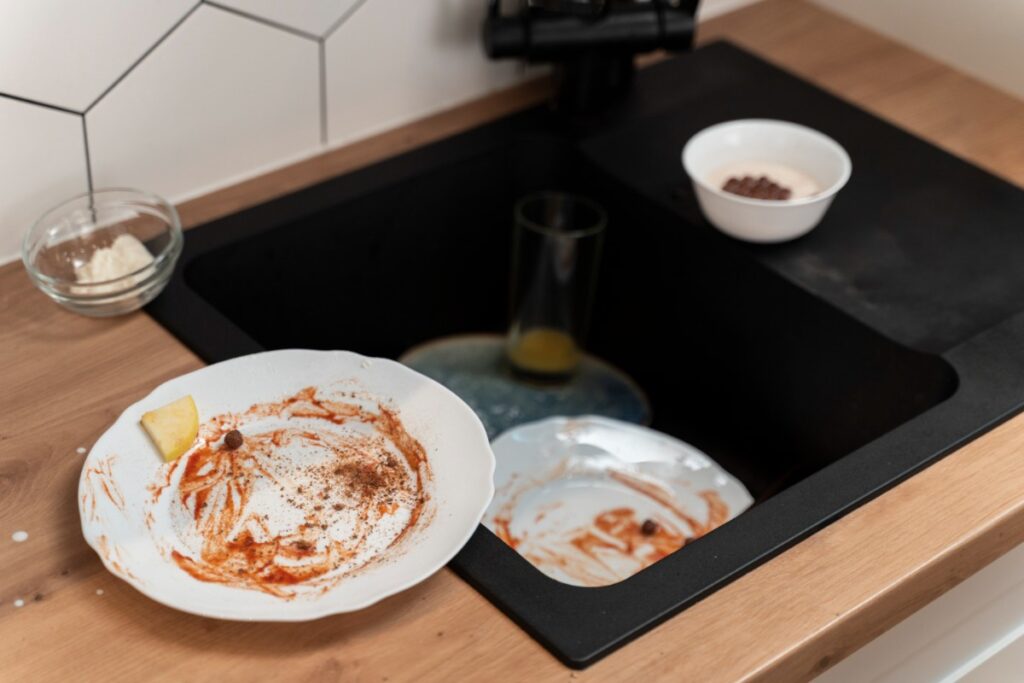
When you let dirty dishes pile up in the sink, it can show a tendency to put off simple daily tasks. It’s a small sign you might avoid facing responsibilities promptly.
Ignoring dishes can create more work later, making the chore feel overwhelming.
Taking a few minutes to clean up after meals helps keep things manageable. It also reflects a willingness to take care of your space and commitments.
Cluttered coffee table

Your coffee table is often the first place you drop things when you come home. If it’s piled high with unopened mail, empty cups, or random gadgets, it can show that you’re avoiding sorting through your tasks.
A cluttered coffee table suggests procrastination. Instead of dealing with what’s important, you let things pile up in plain sight.
Taking a few minutes to clear it regularly can be a simple way to take more control over your responsibilities. It signals you are ready to face what needs attention.
Unorganized closet with clothes everywhere

If your closet is bursting with clothes tossed in random piles, it might show a struggle with staying on top of tasks. It’s easy to put off organizing when life feels overwhelming.
Your messy closet can create small daily frustrations. Finding something to wear becomes harder, wasting your time and energy.
Taking a few minutes to tidy up regularly can help you feel more in control. A neat closet often reflects a mindset ready to handle bigger responsibilities.
Broken appliances left unrepaired
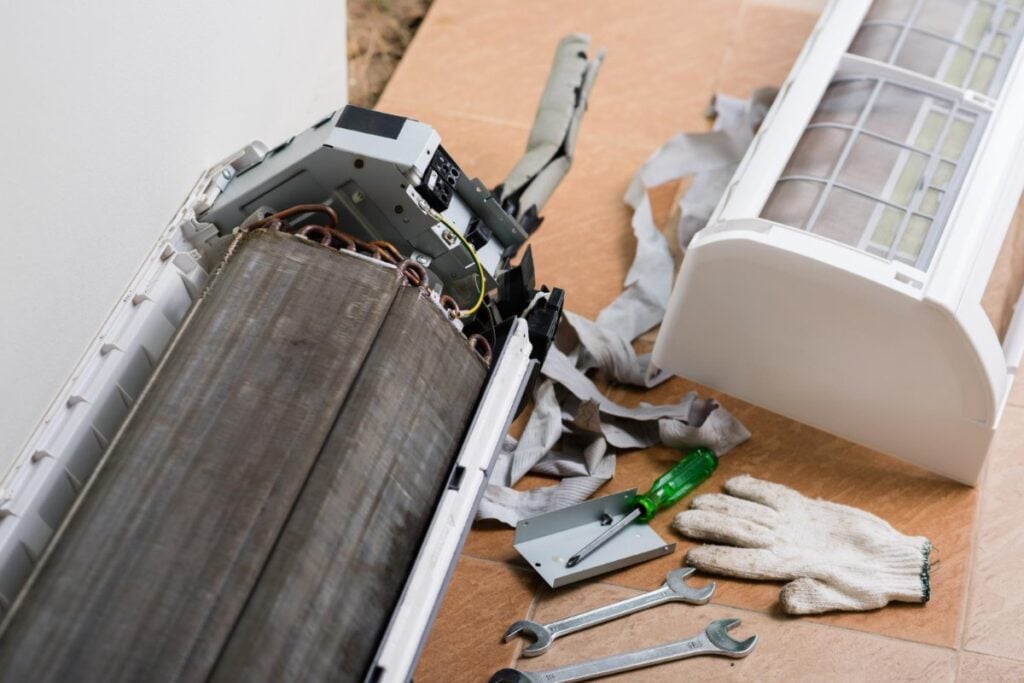
When you have appliances that aren’t working but sit unused for months, it can suggest you avoid tackling small problems. Leaving a broken toaster or microwave unrepaired shows a reluctance to fix things rather than replace or discard them.
It’s easy to put off repairs, but not dealing with these issues can pile up. Your space feels less organized, and chores might take longer without functioning tools. Fixing or removing broken appliances means taking responsibility for your environment.