11 Inclusive Phrases That Still Exclude People and How to Truly Welcome Everyone
Have you ever tried to use inclusive language, only to realize later that your words might still leave someone out? It happens more often than we think, even with the best intentions.
Some phrases that sound friendly or open can actually make people feel excluded. Once you spot them, it’s easier to make changes that help everyone feel welcome.
Hey guys

“Hey guys” pops up everywhere—at work, in group chats, or when greeting friends. It’s meant to sound casual and inviting.
But for some, “guys” still feels gendered and can leave out women or non-binary folks. You might not notice, but these words can make people feel invisible.
Switch it up with “hey everyone” or “hello all.” These greetings work in any setting and include everyone.
If you want to keep things relaxed, “hey y’all” or “hey folks” does the trick. Small changes like this help everyone feel seen.
That’s crazy!
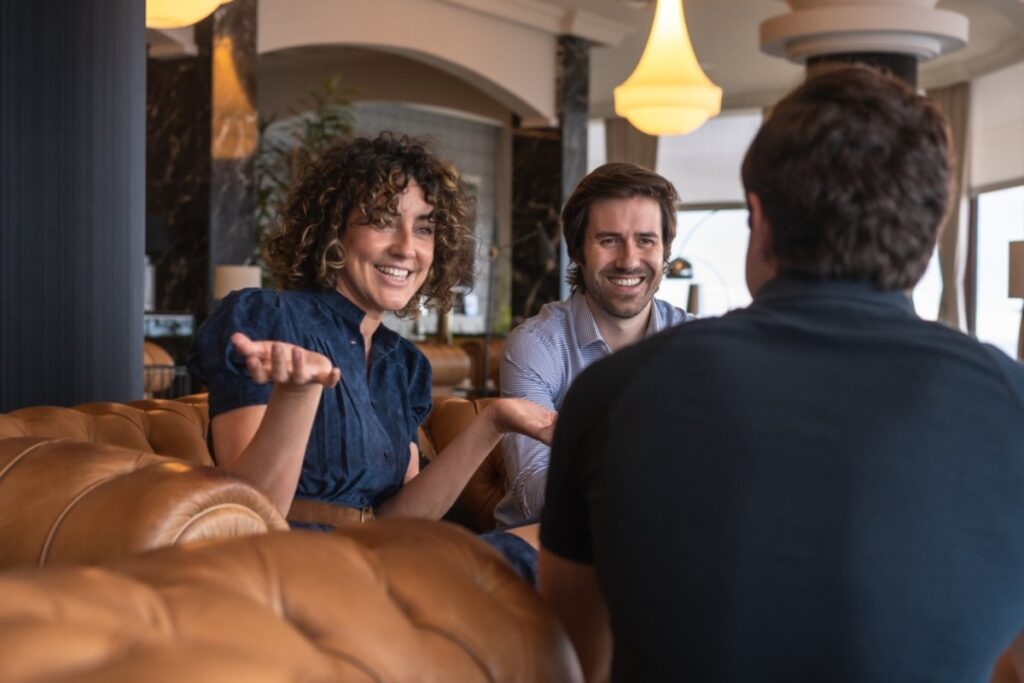
Maybe you’ve caught yourself saying “That’s crazy!” when something surprises you. It feels like a harmless way to react.
But the word “crazy” has a history tied to mental illness, often used in a negative way. This can make people with mental health challenges feel disrespected.
Try swapping in “That’s surprising!” or “That’s unbelievable!” These phrases keep the excitement but drop the hurtful baggage.
Being thoughtful with your words is one way to show you care.
Ladies and gentlemen

You might use “ladies and gentlemen” when addressing a crowd, thinking it sounds polite. But it can exclude people who don’t identify as women or men.
Instead, greet groups with “everyone,” “folks,” or “friends.” These words help everyone feel included.
Choosing more inclusive greetings shows respect for all genders.
Man up

“Man up” is often tossed around when encouraging someone to be tough. But it sends the message that strength is only for men, which isn’t true.
This phrase can make people feel boxed in by gender roles. It also leaves out anyone who doesn’t identify as a man.
Try encouraging people to “be brave” or “give it your best.” These words support everyone, no matter their gender.
Changing up this phrase helps everyone feel accepted for who they are. For more ideas, see this guide on inclusive language.
You guys

“You guys” might feel like a friendly way to address a group. But it often assumes everyone is male, which isn’t always the case.
Some people feel excluded by this phrase, especially non-male or non-binary folks. It’s easy to overlook, but it matters.
Try “folks,” “everyone,” or “team” instead. These words include all genders and help everyone feel like they belong.
Switching to gender-neutral terms is a small change that makes a big difference.
Girls and boys

It’s common to say “girls and boys” when talking to kids or groups. But not everyone fits into these categories.
Some people identify as non-binary or genderqueer, and this phrase can make them feel left out. Using “kids,” “children,” or “students” is more welcoming.
You can also say “friends,” “everyone,” or “folks.” These words don’t assume gender and help everyone feel included.
That’s so lame

It’s easy to say “That’s so lame” when something is boring or disappointing. But this phrase has roots in ableist language and can hurt people with disabilities.
Using “lame” connects a disability to something negative. That’s not a message you want to send.
Instead, try words like “boring,” “uninteresting,” or “not fun.” These get your point across without putting anyone down.
No offense but

When someone starts with “no offense but,” it usually means something critical is coming. Even with the warning, it rarely softens the blow.
This phrase can make people feel like their feelings don’t matter. It doesn’t set the stage for a kind or honest conversation.
Try sharing your thoughts directly but gently. Focus on being clear and respectful instead of using “no offense but.”
He’s so articulate

Saying “He’s so articulate” might sound like a compliment at first. But sometimes it carries an assumption that clear speech is unexpected from certain people.
This can make someone feel like they have to prove themselves just because of their background or identity. It’s a subtle way of setting people apart.
Instead, comment on what was said or how ideas were shared. Try “That was a clear explanation” or “I liked how you shared your thoughts.”
What’s wrong with you?

Hearing “What’s wrong with you?” can sting, even if it’s meant as a joke. It can make someone feel judged or like they don’t fit in.
This phrase assumes there’s something bad about your feelings or actions. It usually shuts down the conversation.
Instead, try asking, “Can you tell me more about what you’re feeling?” This opens the door to understanding and support.
Blind spot

Have you ever heard someone mention a “blind spot” when talking about something they missed? It might sound harmless, but this phrase can unintentionally exclude people with vision differences.
The term has roots in ableist language and could be hurtful, even if that is not the intention. Choosing different words can make conversations feel more welcoming.
Try saying “area of oversight” or “something you might have missed” instead. These alternatives are clear and do not reference disabilities.
Small changes in the way we speak can make a big difference. Everyone deserves to feel comfortable and included in everyday conversations.