
11 Behaviors That Indicate A Person Will Prefer to be Alone in Life
Some folks just seem to gravitate toward time alone, finding comfort in their own company. Maybe you recognize this in yourself or someone you know.
Everyone has different reasons for enjoying solitude. Picking up on these behaviors can make it easier to understand how someone relates to the world around them.
Knowing the behaviors that suggest someone will be a loner can help you better understand their way of living and how they connect with the world. These signs can be subtle or obvious, but they give clues about a person’s personality and how they choose to navigate social situations.
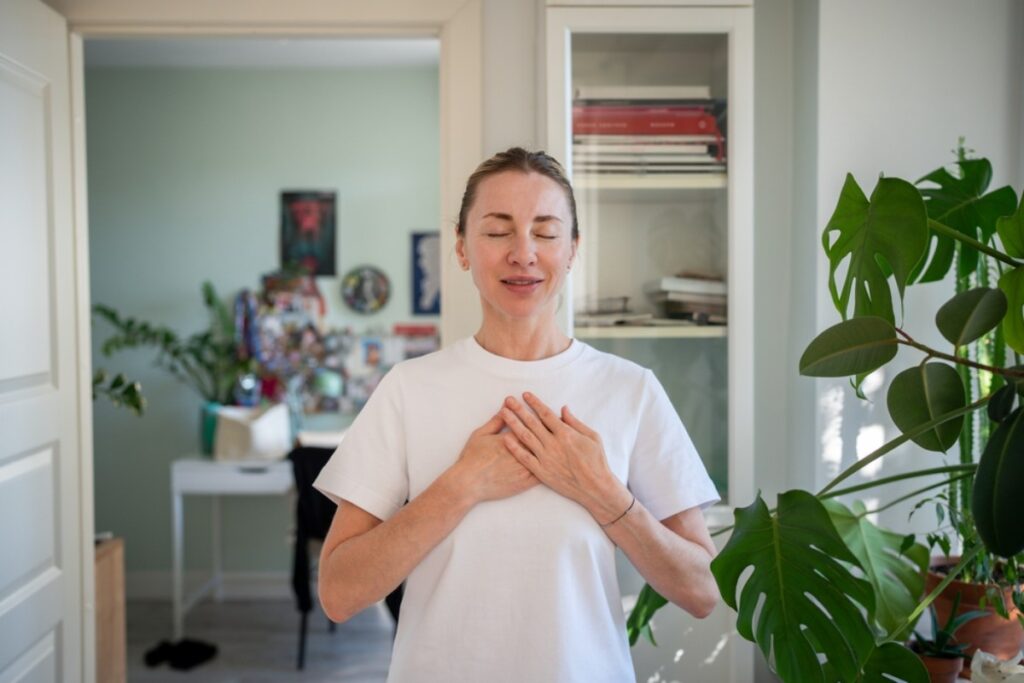
If you often choose being alone instead of going to social events, this can be a sign that you’re more comfortable in solitude. You might find that spending quiet time by yourself helps you recharge and feel more at peace.
You may also prefer the calmness of solitude because social gatherings can sometimes feel overwhelming or exhausting. It’s okay if you don’t enjoy large groups or busy parties as much as others do.
When you pick solitude, it doesn’t mean you dislike people. Instead, you might value meaningful connections over many casual ones.
Choosing time alone can help you focus on your interests or reflect on your thoughts without distractions. Many people who prefer being alone develop strong personal boundaries.
Feels comfortable spending time alone

You might notice that you enjoy your own company more than being in big groups. Spending time alone feels natural and even peaceful to you.
It’s not about being lonely but about feeling good inside when you’re by yourself. When you’re alone, you can think, relax, and recharge.
You don’t need others around to feel happy or complete. This comfort with solitude shows a strong sense of self and confidence in your own thoughts.
Sometimes, you might prefer quiet time over noisy social events. You could find these moments more meaningful and less stressful.
Being comfortable alone doesn’t mean you dislike people. It means you value your personal space and enjoy time free from distractions.
Avoids small talk and superficial conversations
You might notice that you don’t enjoy small talk or light, surface-level chats. These brief conversations often feel like a waste of time, and you prefer to skip straight to deeper topics.
When others start with small talk, you may find yourself steering the conversation toward more meaningful subjects. You want to connect on a level that feels real and important.
Avoiding superficial conversations can make it harder to build casual connections. This behavior could limit the number of people you feel close to because small talk helps start relationships.
If you relate, it might be because you value deep conversations and meaningful exchanges more than casual chit-chat. You want to understand others better and be truly understood in return.
Some people see this as a sign you might prefer being alone. You’re not afraid of silence or sitting with your thoughts, and you may not feel a strong need to fill every moment with small talk.
Highly independent and self-reliant

You might notice that people who become loners often show a strong sense of independence. They handle problems on their own and rarely ask for help.
Being self-reliant means you can take care of yourself without needing others all the time. You trust your own judgment and believe you can face challenges alone.
Sometimes, being too independent can lead to avoiding close relationships. You might hesitate to share your feelings or rely on friends.
This behavior is called hyper-independence, which means you try to do everything without support, even when you need it. If you recognize this in yourself, it’s helpful to find a balance.
You want to keep your strength but also allow others to be there for you. Learning to accept help can improve your relationships and lower feelings of loneliness.
Tends to observe more than participate in group settings
You might find yourself watching what others do instead of jumping into conversations. This means you prefer to listen and take in information rather than talk a lot.
It’s natural to want to understand the group before sharing your thoughts. In group settings, you may notice small details that others miss.
Your focus might be on reading body language or listening carefully. This helps you feel more comfortable and in control.
You often ask questions instead of giving opinions right away. This shows you like to learn about others before expressing your own views.
Sometimes, you communicate better through writing or short notes rather than speaking in person. Being quieter in groups doesn’t mean you dislike people.
It just means you prefer to connect in ways that feel safer or easier for you. If you tend to observe more, it can be a sign of your reserved nature and how you manage social energy.
Has a small, close-knit circle of friends or none at all
You might notice that your social group is very small or even non-existent. This doesn’t mean you don’t like people.
Instead, you probably prefer deep and meaningful connections over many casual ones. When you spend time with others, you value quality over quantity.
You’re picky about who gets close, and you are comfortable being by yourself. This shows you can enjoy solitude and don’t feel lonely when alone.
Your small circle helps you build stronger, trusted friendships. You may avoid large groups because they can feel overwhelming or shallow.
Many people who keep a tight group do so because it suits their way of connecting with others. If you often feel more relaxed alone or with just one or two people, it’s a sign you might lean towards being a loner in life.
You might feel tired or worn out after spending time with others, even if the social event was fun. This happens because talking with people takes a lot of mental effort.
Your brain works hard to understand what others say and how they feel. Sometimes, you may need more time alone to recharge after being around people.
If you don’t get enough quiet or rest, it can make you feel stressed or irritable. This is common for people who value their own space and energy.
Feeling drained doesn’t mean you don’t like being around others. It just means your energy runs low faster during social time.
Values personal space and boundaries

You like having your own space and time to recharge. Personal space helps you feel calm and safe, especially when around others.
Sometimes, being too close or sharing too much can feel overwhelming. Setting clear boundaries is important to you.
You decide what you’re okay with and what feels like too much. This might be about your time, emotions, or how people treat you.
This can stop unwanted stress and help you stay balanced. Your respect for personal space often means you prefer small groups or alone time.
You enjoy moments where you can think clearly without distractions. Learning to say no or step back when needed makes you comfortable.
It’s your way of keeping emotional energy healthy, so you can focus on what matters most to you.
Often lost in their own thoughts
Have you ever found yourself zoning out while everyone else is chatting around you? Some people spend a lot of time inside their heads, thinking deeply about all sorts of things.
This habit can make it tricky to stay present with others in social situations. When your mind is full of ideas or worries, it feels like you’re living in your own little world.
You might catch yourself daydreaming or replaying past events instead of focusing on what’s happening right now. Sometimes, being lost in thought is a sign of creativity or reflection.
But if it gets in the way of connecting with people or sharing how you feel, it can add to a sense of isolation. If this sounds familiar, try gently bringing your attention back to the present.
Asking questions or sharing small thoughts can help you feel more connected. If you’re curious about why deep thinking sometimes leads to feeling alone, you can read more about deep thinking and how it shapes relationships.
Shows little interest in peer pressure or trends
Have you ever felt out of the loop because you just don’t care about what’s trending? Some people simply don’t feel the urge to fit in with what’s popular.
You might ignore the latest trends or what others are doing just to be accepted. This makes you stand out, but it also means you’re comfortable being yourself.
Peer pressure can push many to act a certain way, but if you don’t feel it, you’re less likely to change who you are. You stay true to your own choices instead of following the crowd.
Not being interested in peer pressure can help you avoid decisions that don’t feel right. This independence often means you prefer your own company or a smaller circle of friends.
You might enjoy deeper conversations and not worry about fitting in with every group around you. This is a common trait in people who grow up to be loners.
The Psychological Roots Of Loner Tendencies
Sometimes, being a loner goes back to how you grew up and the ways you learned to connect with people. Early life experiences and relationships shape how comfortable you feel being alone or with others.
Your style of attachment affects how you relate to others. If you have an avoidant attachment style, you may prefer to keep distance in relationships.
This means you might find it hard to trust or get close to others. People with secure attachment usually feel comfortable with both closeness and independence.
If your early bonds with caregivers made you unsure or anxious, you might lean toward being a loner to protect yourself. Sometimes, you just feel safer or more peaceful alone.
This isn’t always about fearing people. It can simply be about enjoying your own company, which often connects back to what you learned in your earliest relationships.
Impact of Early Life Experiences
Think back to your earliest memories with family or friends. Those moments can shape how you connect with people today.
If you were often ignored or overprotected, you might have started to pull away from others. Conflict at home can also lead to habits that keep you at a distance.
Trauma or rejection in childhood makes it easy to avoid social contact as a way to protect yourself. The way your family communicated or showed affection might have taught you that being on your own feels safer.
You might not even realize these early lessons are still affecting you. Over time, you may find comfort in relying on yourself and creating a world that feels right when it’s just you.