

The Science Behind Eldest Daughter Syndrome and Why So Many Women Relate to It
Maybe you’ve seen the term “eldest daughter syndrome” pop up in group chats or on social media. For a lot of people, it feels like someone finally put a name to an experience they’ve lived for years.
First-born daughters often find themselves stepping into caregiving roles, showing maturity early, and juggling extra responsibilities. These patterns aren’t just random, they show up in families around the world.
Family dynamics, cultural expectations, and even some scientific research all play a part in how these roles develop. If you’re the eldest daughter, you might recognize a lot of what comes next.
Eldest daughters often take on caregiver roles in their families.

You might remember being asked to watch your younger siblings, help with meals, or handle bedtime routines. Sometimes these responsibilities start before you even realize what’s happening.
It can feel like you’re the go-between for your parents and siblings. People turn to you for advice or help, and that can blur the line between being a kid and acting like a parent.
These early roles shape how you see yourself. You might get really good at planning and helping others, but the weight of it can be exhausting.
Research shows eldest daughters may mature earlier in cognitive and physical ways.
It’s common for eldest daughters to develop skills like problem-solving and emotional control at a younger age. Studies suggest that taking on more responsibility can speed up this process.
Physical signs of maturity sometimes show up too, which can make caregiving tasks easier. But early maturity doesn’t mean you’re ready for everything that gets thrown your way.
Feeling like you need to act grown-up before you’re ready can be tough. It teaches useful skills, but it also means missing out on parts of childhood.
Parents can help by sharing out duties and making sure eldest daughters get to just be kids sometimes. Even small changes can make a big difference.
The term ‘Eldest Daughter Syndrome’ is not a clinical diagnosis but reflects real patterns
You won’t see “Eldest Daughter Syndrome” listed in any official medical book. It isn’t a diagnosis a doctor would give.
Still, the way eldest daughters are treated often follows a pattern. Families expect them to help out, manage tasks, and set an example, which shapes their habits and stress over time.
Researchers notice these trends, even if they don’t call it a syndrome. Your experiences as an eldest daughter can impact your career, relationships, and sense of responsibility.
The label helps people talk about what they’re going through, but not every eldest daughter fits the mold. Your culture, family, and even your own personality change how these patterns play out.
Eldest daughters frequently feel responsible for siblings and family harmony
You might be the one who keeps the house running, whether it’s chores, schedules, or babysitting. It can feel normal, but the pressure adds up.
People often look to you to calm arguments or keep everyone connected. Being the emotional glue comes with its own kind of stress.
It’s easy to feel proud of being helpful, but also overwhelmed when your own needs get pushed aside. Sometimes you do it because it’s expected, sometimes because you want to help, but the impact is real.
Psychologists observe common personality traits among first-born daughters.
You might naturally take charge in group projects or family plans. Psychologists often describe first-born daughters as responsible and organized.
There’s also the drive to be perfect, which can make you work harder but also feel more stressed when things don’t go as planned.
Many eldest daughters end up supporting siblings and parents. You might find yourself putting others first and guiding the people around you.
It’s possible to be both independent and eager to please, which helps in some situations but can leave you feeling overlooked or tired.
These are trends, not hard rules, everyone’s experience is different, and family culture plays a big role.
Many eldest daughters experience increased stress from family expectations
Extra duties at home, like chores or babysitting, can pile up and feel invisible. Over time, they add to your daily stress.
Families may expect you to always be reliable and calm, even when you’re stretched thin. That can make it tough to ask for help or set boundaries.
You might find yourself putting others first to avoid conflict or guilt. Over the years, this can affect your mood, sleep, and energy.
Cultural expectations can make the load feel even heavier. Naming these pressures is the first step toward changing them.
Studies suggest eldest daughters develop strong leadership skills from a young age
Taking on family tasks teaches planning and decision-making early. Research shows eldest daughters often build leadership habits by solving problems and caring for siblings.
You get used to guiding others, even without being in charge. These skills, communication, responsibility, and keeping the peace, are valued in school and at work.
Higher expectations can push you to set an example and achieve more. This sometimes leads to leadership roles in other parts of life.
The flip side is that too much responsibility can lead to burnout. Balancing leadership with self-care matters too.
Cultural pressures can intensify the sense of duty felt by eldest daughters.
If your culture values family duty, the rules about your role can feel even clearer. You might be expected to care for siblings or act as a bridge between parents and kids.
Praise for being “so mature” or “reliable” can feel good, but it also makes it harder to say no when you need a break.
Schools, religious groups, and media sometimes reinforce the idea that eldest daughters should always lead or sacrifice. These messages can shape your choices without you realizing it.
In families with strict gender roles, the pressure can be even stronger. You might worry about letting others down, which adds to your stress.
Eldest daughters often balance caregiving with personal ambitions.
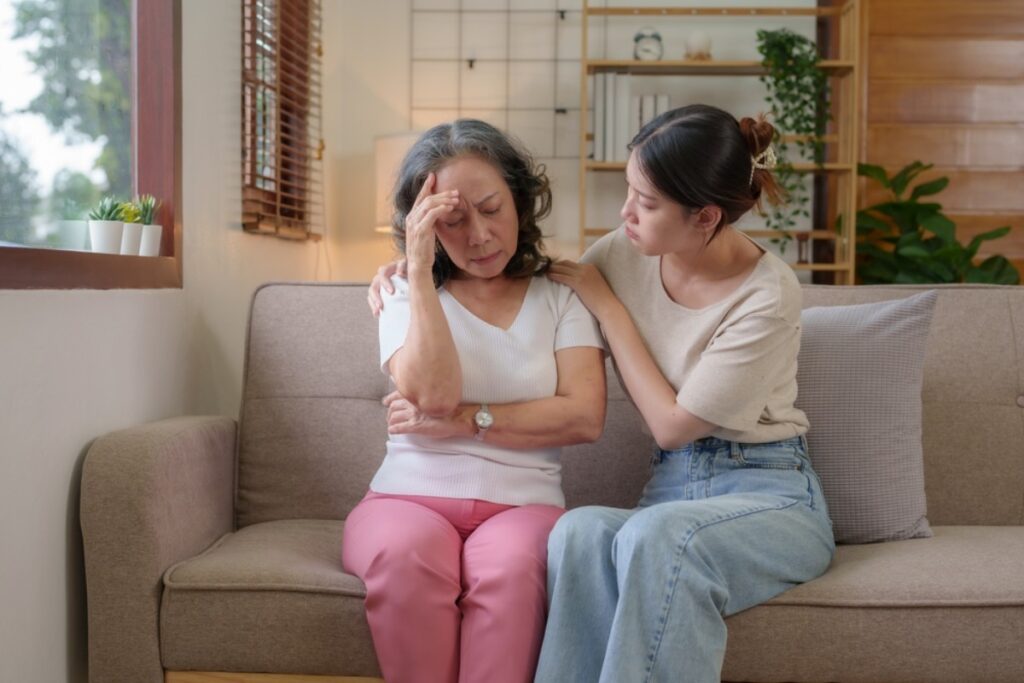
You might be juggling family duties while also working toward your own goals. Some days, it feels like you’re living two lives at once.
Planning and multitasking become second nature. These skills help you keep up with both family and personal ambitions.
Sometimes, your own plans get delayed because family needs come first. Other times, you work even harder to prove you can do it all.
Setting small boundaries can help you protect time for yourself. Even short breaks for your own projects add up.
The syndrome is rooted in family dynamics rather than genetics.
These roles develop because of how families operate, not because of something in your DNA. Parents and siblings might expect more from you as the firstborn daughter.
When you step in to help, it becomes a habit. Over time, it can feel like it’s just who you are.
Culture and gender expectations play a part too. If people around you expect you to nurture or organize, you might do it to keep the peace or get approval.
Family changes, like new siblings or stressed parents, can push you further into the role. Knowing what’s happening can help you set limits if you want to.
Understanding Eldest Daughter Syndrome
You might find yourself caring for others and handling tasks from a young age. These experiences shape your choices, feelings, and habits as an adult.
Family Roles in Developmental Psychology
Maybe you were given grown-up responsibilities while still a kid. Parents sometimes rely on eldest daughters to watch siblings, manage chores, or offer emotional support.
These roles teach skills like organizing, problem-solving, and empathy. They can also lead to self-reliance and perfectionism, especially if you feel pressured to always get things right.
Early responsibility can shape your identity. You might pick careers that match your caregiving or leadership strengths. Setting boundaries may feel hard if your family expects you to always step in.
Developmental research links repeated responsibility in childhood with patterns of anxiety, achievement, and caretaking behavior later in life.
Social Expectations and Their Impact
Society often expects girls to be nurturing and responsible. Messages from family, school, and media reward helpfulness and compliance.
These expectations can make it tough to put your own needs first. You might take on extra work at home or at your job, and end up feeling drained.
Common signs include chronic guilt, trouble saying no, and feeling defined by how much you do for others. Recognizing these pressures can help you choose when to help and when to set limits.
Possible Scientific Explanations
There are a couple of main ideas that might explain why eldest daughters take on extra responsibility: birth order theory and findings from psychology studies.
Birth Order Theory Insights
Birth order theory suggests first-born kids get more attention and early leadership roles in the family. You might have been asked to help with siblings, follow stricter rules, or act like a mini-parent.
These repeated roles teach planning, caretaking, and responsibility. Parents may expect more from first-born daughters, especially in cultures that value caregiving.
Over time, these habits can become personality traits that stick with you. Social learning adds to this, when you get praised for helping, you’re likely to keep doing it.
That cycle helps explain why eldest daughters often seem more organized, conscientious, and protective.
Recent Psychological Studies
Have you ever wondered if being the eldest daughter really shapes who you become, or if it’s just a stereotype that gets repeated? Researchers have started digging into this question, testing whether those common beliefs hold up under scrutiny.
Some studies find that first-borns often score higher on responsibility, leadership, and academic achievement. These results echo the caregiving roles that many eldest daughters are familiar with in their families.
Other research takes a closer look at what shapes these patterns, like family size or parenting style. The differences between eldest children and their siblings tend to be bigger in families with large age gaps or strict parental roles.
In families where parents treat siblings more equally, those differences usually shrink. Culture also plays a part in how these roles show up.
A few studies even examine biological and evolutionary ideas, such as stress responses and kin-directed behavior. So far, the most consistent findings point to upbringing and family expectations as the main drivers, not biology alone.